Sending Flowers to Surovikino? Here Is What to Expect
Surovikino sits in the Volgograd region where summers are dry and hot and winters bite hard — conditions that matter more than most people realise when you are sending a live bouquet across the distance. Whether you are surprising a mother on her birthday, marking a colleague's promotion or simply saying you were thinking of someone, the flowers need to arrive looking as though they were just cut. Here is everything worth knowing before you place your order.
Which Areas of Surovikino We Deliver To
Surovikino is a compact city, and that works in your favour. Our delivery covers the central districts around Sovetskaya Street and the surrounding residential quarters, the neighbourhoods closer to the Don River bank, and the outlying streets that extend toward the industrial edge of town. If you are sending to a private house rather than an apartment block, a precise street address and a contact phone number for the recipient make a real difference — our courier will call ahead so nobody is left waiting at a locked gate.
For addresses that sit on the boundary of the delivery zone, we recommend placing the order at least a couple of hours earlier than you need the bouquet to arrive. This gives us room to route the delivery without rushing, which protects the flowers. A rushed journey in summer heat is one of the most common reasons a bouquet arrives wilted, and we would rather be honest about timing than overpromise.
If you are unsure whether a specific street falls within our coverage, the simplest step is to enter the full address at checkout — the system will confirm coverage immediately. We do not deliver to villages or settlements outside the city boundary, so it is worth double-checking if the address is on the rural edge of the municipality.
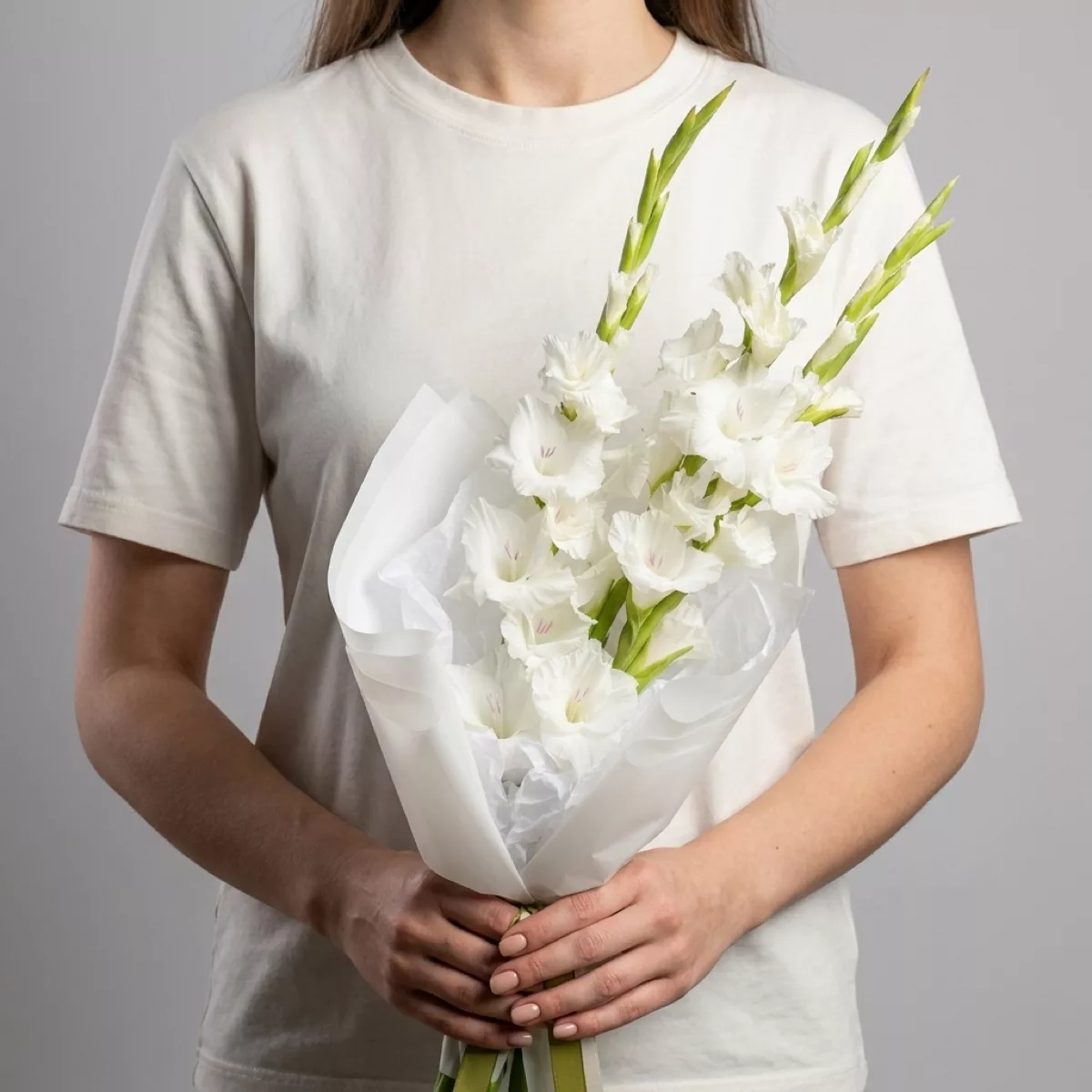
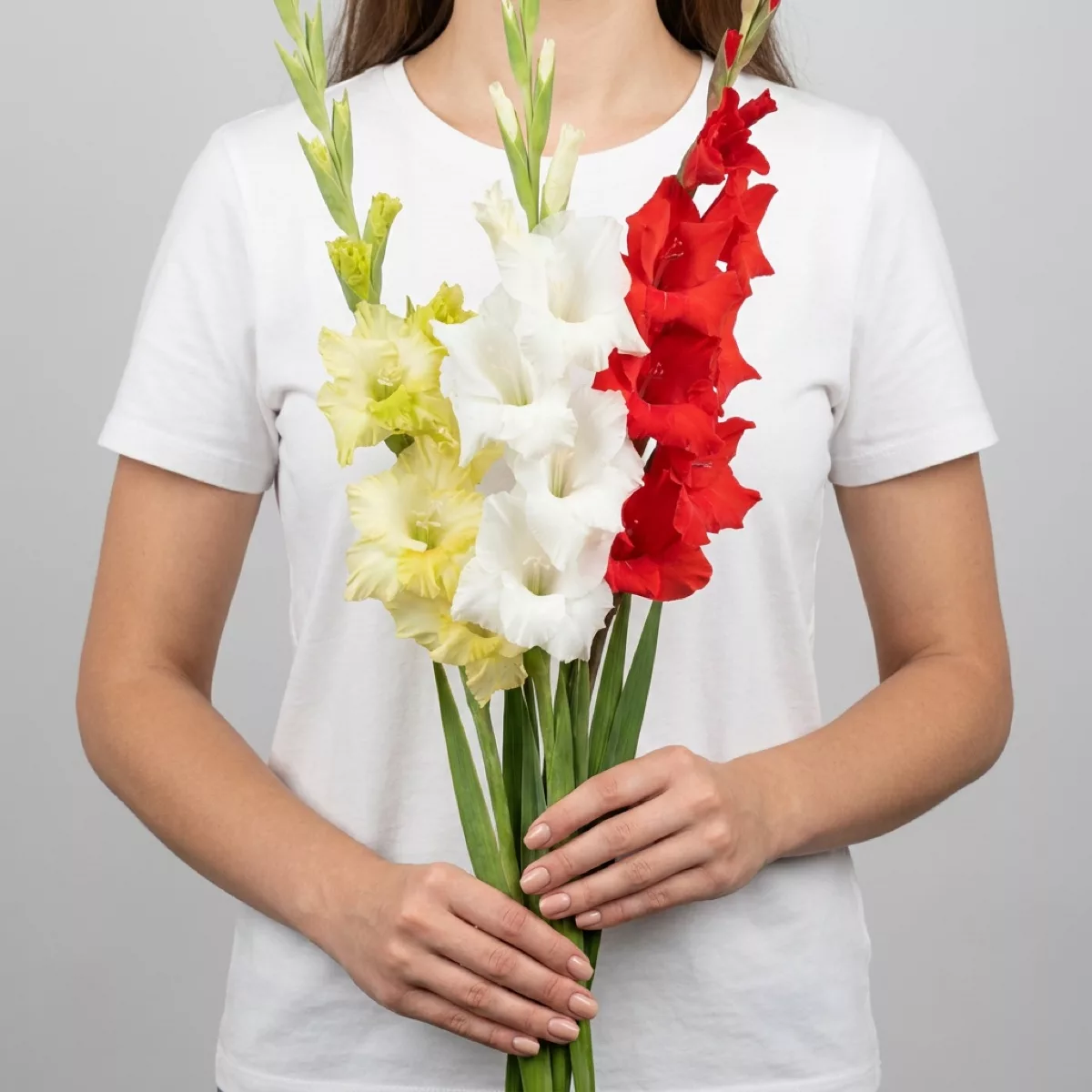
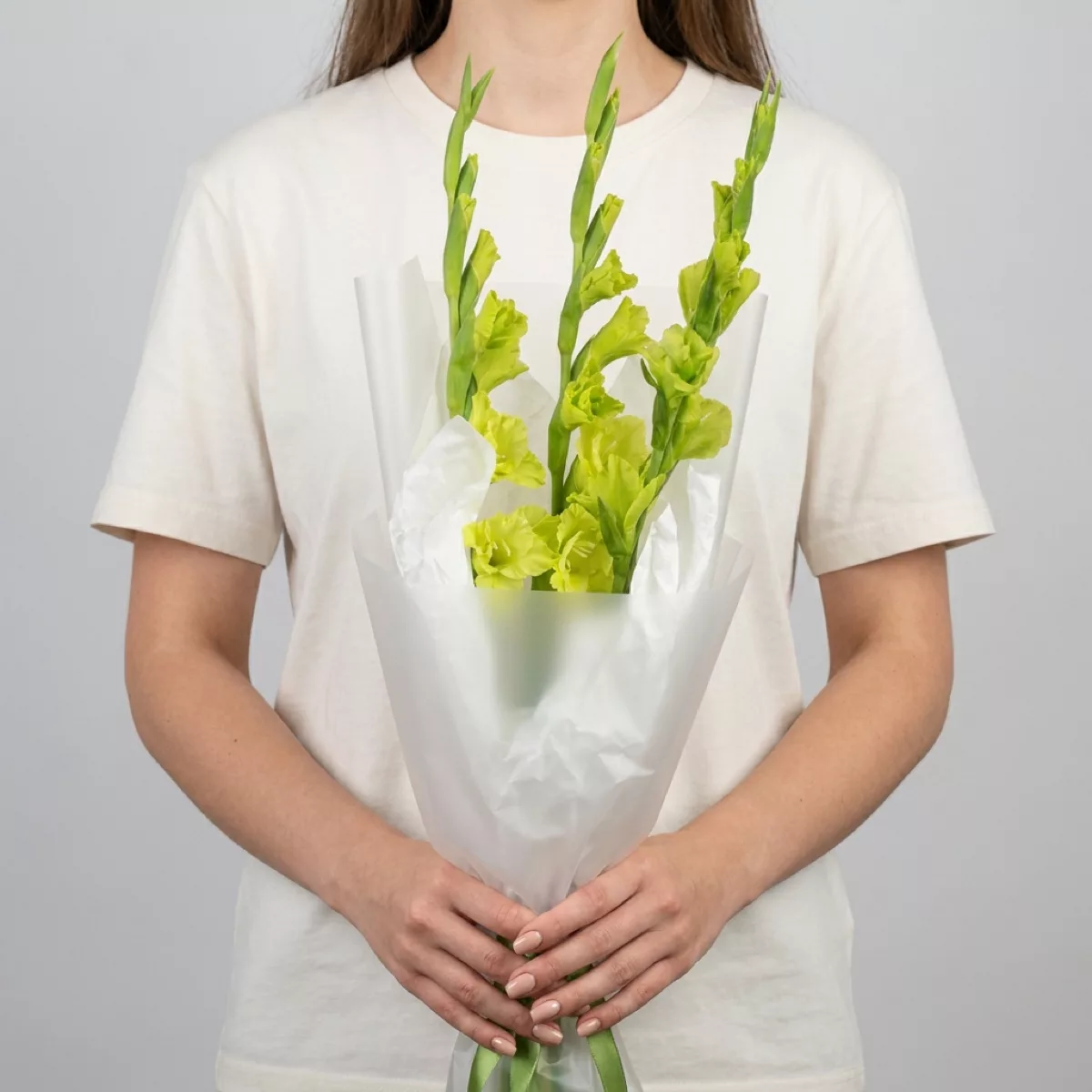
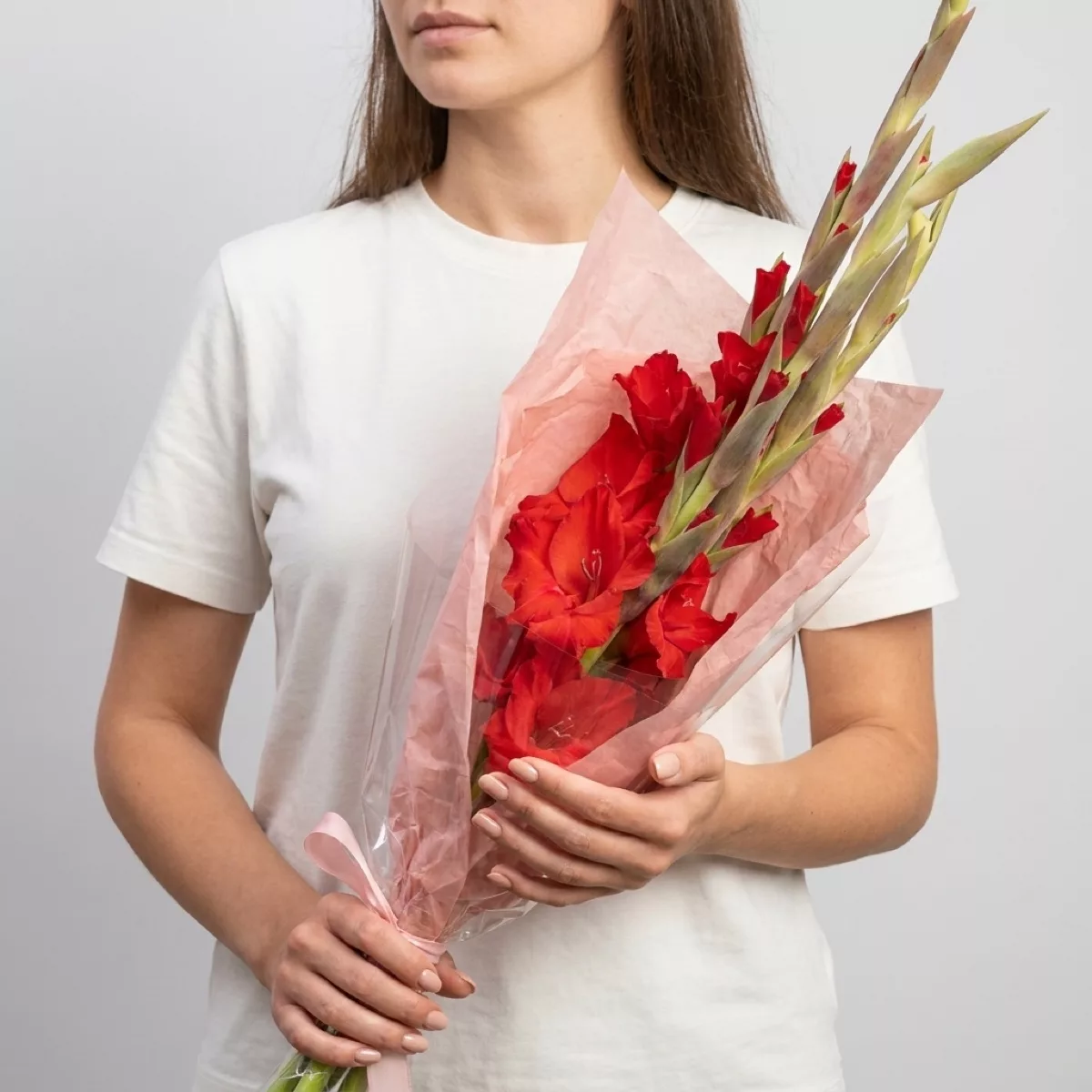
Bouquets we can deliver
Delivery Timing: What One to Two Hours Actually Means
When we say one to two hours, we mean from the moment your order is confirmed and the bouquet is assembled — not from the moment you first open the website. The assembly itself takes fifteen to twenty minutes for a standard bouquet, longer for large arrangements with multiple flower types or custom wrapping. Factor that into your planning, especially if the gift needs to land at a precise moment like the start of a dinner or the end of a work shift.
Surovikino's road layout is relatively straightforward, which helps. There are no major bottlenecks that would add unpredictable delays the way a large city might. That said, late afternoon on weekdays and weekend mornings tend to see more orders, so placing yours an hour earlier than you think necessary is a simple habit that pays off.
For same-day delivery, orders placed before early afternoon are the most reliable. Evening deliveries are possible but depend on order volume. If you are planning something for a specific time — say, flowers arriving just as someone finishes work at six — mention the preferred delivery window in the order comments. We read those notes and do our best to honour them. Timed delivery requests are not a guarantee, but they are taken seriously and followed in the majority of cases.
Choosing Flowers for the Surovikino Climate
The steppe climate of the Volgograd region means temperature swings that affect how flowers travel. In July and August, midday temperatures can exceed thirty-five degrees Celsius. In January and February, they regularly drop below minus fifteen. Both extremes are hard on flowers, and knowing which varieties handle each season well will help you choose something that actually looks beautiful when it arrives.
In summer, roses are the classic choice but they need to be kept cool from the moment they are cut. We wrap them in temperature-protective packaging, but the recipient should move them into water and away from direct sunlight immediately. Chrysanthemums, alstroemerias and lisianthus are more forgiving in heat — they hold their structure and colour better over the final stretch of a warm delivery. Sunflowers are an excellent summer option for Surovikino specifically: they feel right for the region, they travel well, and they make an immediate impression.
In winter, tulips and gerberas need gentle handling because cold can bruise their petals. Carnations are genuinely robust in low temperatures and often outlast more delicate choices by several days. Hypericum berries and eucalyptus branches add texture and survive the cold beautifully, making them ideal filler choices for winter arrangements. Choosing a variety suited to the season is not a compromise — it is what a working florist would actually recommend.
Bouquet Combinations That Work Well as Gifts
A single-variety bouquet — all roses, all tulips — reads as confident and intentional. It suits someone with clear taste, a formal occasion, or a moment when you want the gesture to feel considered rather than busy. For a birthday or a romantic occasion, a tight arrangement of garden roses in blush and cream with a few sprigs of wax flower tucked between them is warm without being overwhelming.
Mixed bouquets give you more room to tell a story. Pairing peonies with ranunculus creates a soft, layered look that feels generous. Combining sunflowers with solidago and a few orange gerberas gives an arrangement energy and colour that suits a congratulations or a housewarming. For someone who appreciates something quieter, white lisianthus with dusty miller and a single stem of green anthurium is elegant and lasts well.
Think about the space the flowers will live in. A large kitchen or a wide dining table can hold a tall, open arrangement. A small apartment or an office desk calls for something more compact — a hand-tied bouquet that fits a standard vase without spilling over the edges. When you order, you can mention the setting in the comments and we will adjust the proportions accordingly. Presentation matters as much as the flowers themselves: the wrap, the ribbon colour and the way the stems are tied all shape the first impression before anyone smells a single petal.
What Happens If Nobody Is Home
This is one of the most common anxieties around flower delivery, and it is worth addressing plainly. Our courier will call the recipient before arriving. If there is no answer, they will try once more and then contact you, the sender, for guidance. We do not leave bouquets unattended outside a door or in a communal hallway — flowers left in an uncontrolled environment deteriorate quickly and can be moved or damaged.
If the recipient is temporarily unavailable — at a meeting, in a shop, just stepped out — we can hold the delivery for a short window and attempt again. This works best when you, as the sender, are reachable by phone during the delivery window. If you know the recipient has an unpredictable schedule, it is worth giving us a heads-up in the order notes so we can plan accordingly rather than discover the situation at the door.
For surprise deliveries where you do not want the recipient to know in advance, it helps to have a rough sense of when they will be home. A surprise that requires three delivery attempts loses some of its warmth. The cleanest approach is to know the recipient's rough schedule and choose a delivery window when they are most likely to be present — late morning on a day off, or early evening after work. A small amount of planning on this point makes the whole experience smoother for everyone involved, including the flowers.
Caring for Flowers After Delivery: What the Recipient Should Do
The first thirty minutes after a bouquet arrives are the most important for its long-term health. The stems should be cut at an angle under running water — about two centimetres from the bottom — and placed immediately into a clean vase with fresh, cool water. This sounds simple, but it is the step most people skip, and it is the single biggest factor in how long the flowers last.
Keep the vase away from direct sunlight, radiators and fruit bowls. Ripening fruit releases ethylene gas, which accelerates the ageing of petals — a fact that surprises most people when they first hear it. Change the water every two days and re-cut the stems each time. If the bouquet came with a small sachet of flower food, dissolve it in the first filling of water and do not add more later — the concentration matters.
Different flowers have different lifespans even within the same bouquet. Alstroemerias and chrysanthemums will often outlast roses by several days. When the roses begin to fade, remove them rather than letting them sit in the water, because decaying stems affect the flowers still living. What remains — a few chrysanthemums, some eucalyptus, a stem of lisianthus — can be rearranged into a smaller vase and continue looking intentional rather than leftover. Teaching someone this habit turns a one-week bouquet into something that gives pleasure for closer to two.
Russian Flower Customs Worth Knowing Before You Order
If you are sending flowers to someone in Russia for the first time, a few customs are worth understanding so the gift lands exactly as intended. The most widely observed one concerns the number of stems: even numbers of flowers are traditionally associated with mourning and are brought to cemeteries. For any celebratory or affectionate occasion, choose an odd number — three, five, seven, eleven, fifteen. This is not a rigid rule in every household, but it is widely enough observed that sticking to it is simply good practice.
Red roses carry a strong romantic meaning in Russian culture, more so than in some Western countries. Sending a dozen red roses to a colleague or a distant acquaintance can read as a more intimate gesture than you intended. For professional occasions or friendships, mixed colours, white flowers, or non-rose varieties tend to communicate warmth without ambiguity.
Birthdays are the most common occasion for flower gifts, and the expectation is usually a proper bouquet rather than a single stem. Women's Day on the eighth of March is the single busiest day for flower deliveries across Russia — if you are planning to send something for that date, ordering a day or two in advance is genuinely important. Teacher's Day in early October is another occasion when flowers are given widely, particularly to educators. Knowing these dates and their significance helps you send something that fits the moment rather than arriving without context.
Surovikino may not be the largest city on the map, but a well-chosen bouquet delivered on time makes exactly the same impression there as it would anywhere else. The key is matching the flowers to the season, giving the delivery enough time to be done properly, and making sure someone is home to receive them. Everything else — the wrapping, the variety, the combination of colours — is about the person you are sending to and what you want them to feel when they open the door. That part, we are happy to help you figure out.
Frequently asked questions
Can I schedule a flower delivery to Surovikino for a specific time of day?
Yes. Add your preferred delivery window in the order comments — for example, between five and seven in the evening. We read every note and do our best to match the timing. Same-day timed deliveries work most reliably when the order is placed at least two to three hours before the desired window, so plan accordingly.
What is the freshest flower choice for a summer delivery in Surovikino?
In high summer, alstroemerias, lisianthus, chrysanthemums and sunflowers handle the heat best. Roses are beautiful but need to reach water quickly after arrival. If you want roses in summer, mention it and we will pack them with extra care and advise the recipient to cut and water them immediately upon delivery.
Do I need to be in Surovikino myself to place an order for delivery there?
Not at all. You can order from anywhere in Russia or abroad through turboflora.com. You will need the recipient's full street address and a working phone number for them. You can also choose to keep the sender's name private if the delivery is meant to be a surprise — just note that preference at checkout.
Why does the number of flowers in a bouquet matter in Russia?
Even numbers of stems are traditionally associated with mourning in Russian culture and are brought to graves. For any happy occasion — birthdays, anniversaries, congratulations — an odd number is the right choice. It is a widely observed custom, and following it shows care and awareness, which adds to the warmth of the gesture.
How long will a delivered bouquet last in a Surovikino home?
With proper care — stems cut at an angle, clean cool water, no direct sun or fruit nearby — most bouquets last seven to ten days. Robust varieties like chrysanthemums and alstroemerias can go longer. Changing the water every two days and re-cutting the stems each time makes a noticeable difference to how long the flowers stay fresh.
Ready to send flowers?
Pick the city, choose the bouquet, and a local florist takes it from there.
Choose a city →