Sending Flowers to Talitsa? Here Is Everything You Need to Know
Ordering flowers for someone in Talitsa when you are sitting in Saint Petersburg, Moscow or anywhere else in Russia takes a little faith. You cannot walk the bouquet to the door yourself, so you need to know that the roses will arrive open but not blown, that the ribbon will still be crisp, and that the person on the other side of the door will actually feel surprised and moved. This article is written for exactly that moment — when you want to get it right and you just need someone to talk you through it plainly.
What Talitsa Looks Like as a Delivery Destination
Talitsa is a small city in the Sverdlovsk region of the Urals, sitting roughly in the middle of Russia between the European part of the country and Siberia. It is a working city with a modest, practical character — the kind of place where a bouquet of flowers genuinely stands out and means something, precisely because it is not an everyday occurrence. When flowers arrive here, they carry weight.
The city centre and the main residential neighbourhoods are reachable without drama. Streets are well enough laid out that a courier can navigate them reliably, and most apartment buildings have the kind of entrance codes and intercom systems that are standard across Russian cities. If your recipient lives in a newer district on the edge of town, it is worth including a landmark or a short comment about the building in the delivery notes — this small detail saves time and keeps the bouquet moving.
Talitsa sits at a meaningful distance from the larger Ural hubs, which means logistics require planning. Turboflora accounts for this in its scheduling so that flowers do not spend unnecessary hours in transit. The goal is always the same: the bouquet should arrive looking as though it was assembled that morning, because it was. Understanding the geography helps you set realistic expectations and choose the right delivery window for your occasion.
Bouquets we can deliver
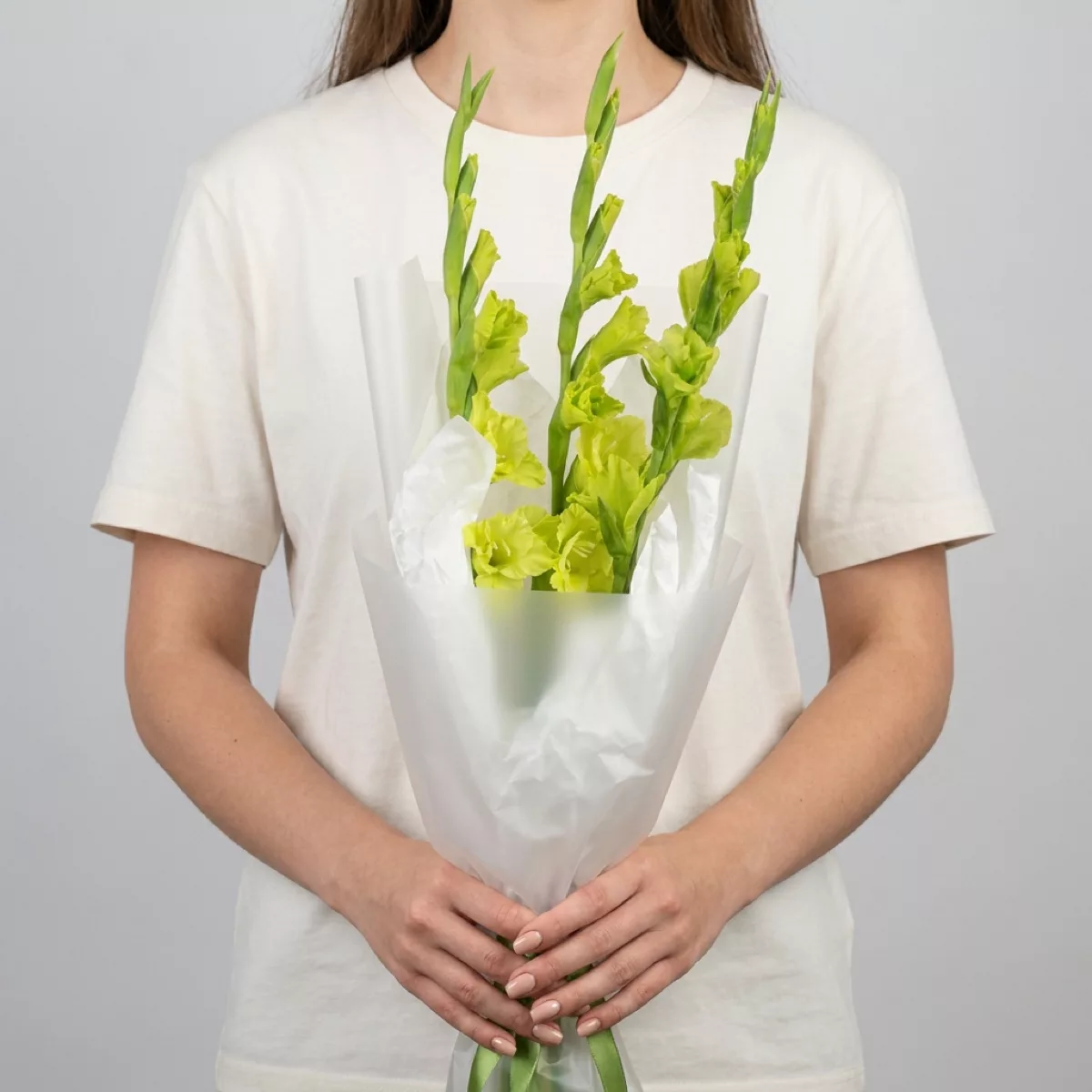
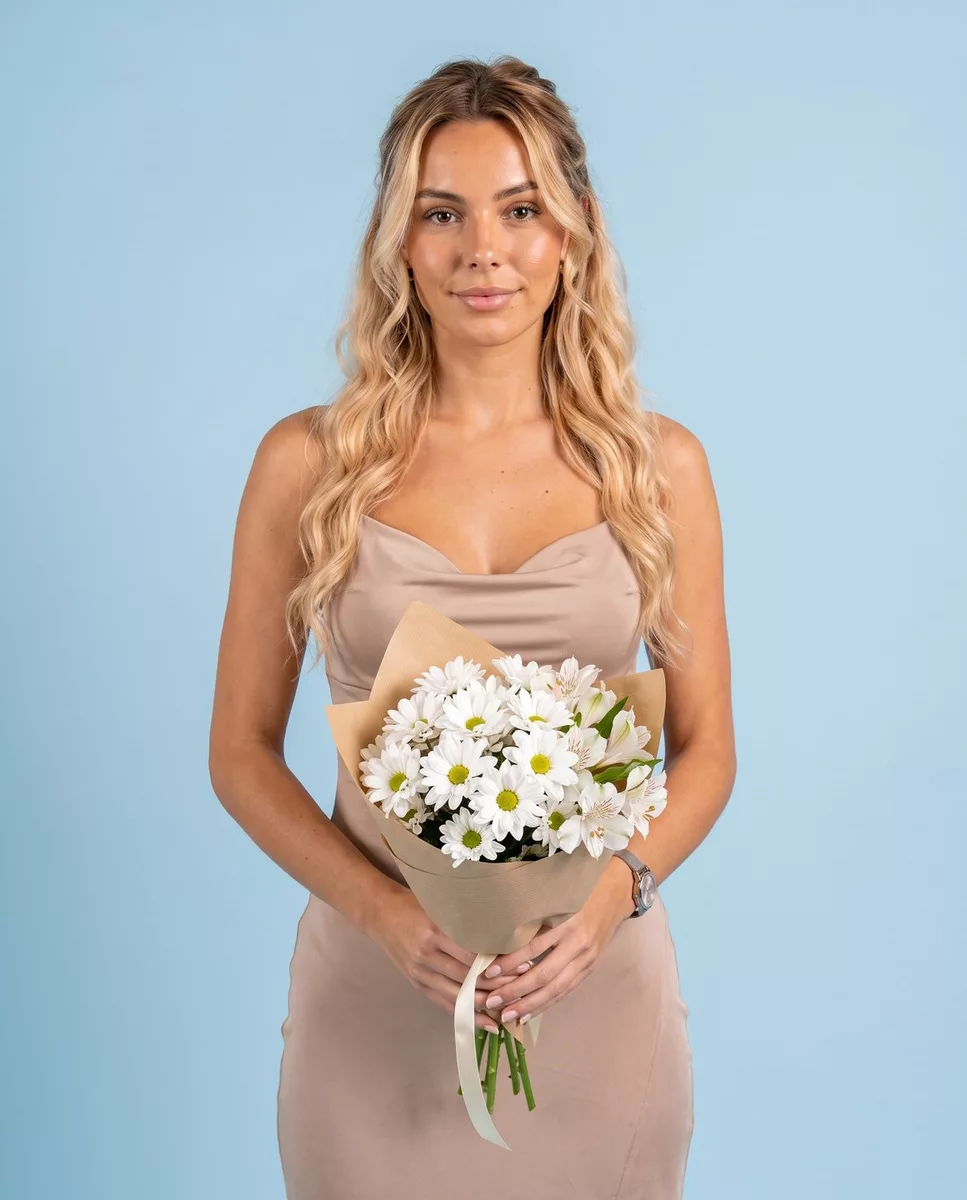
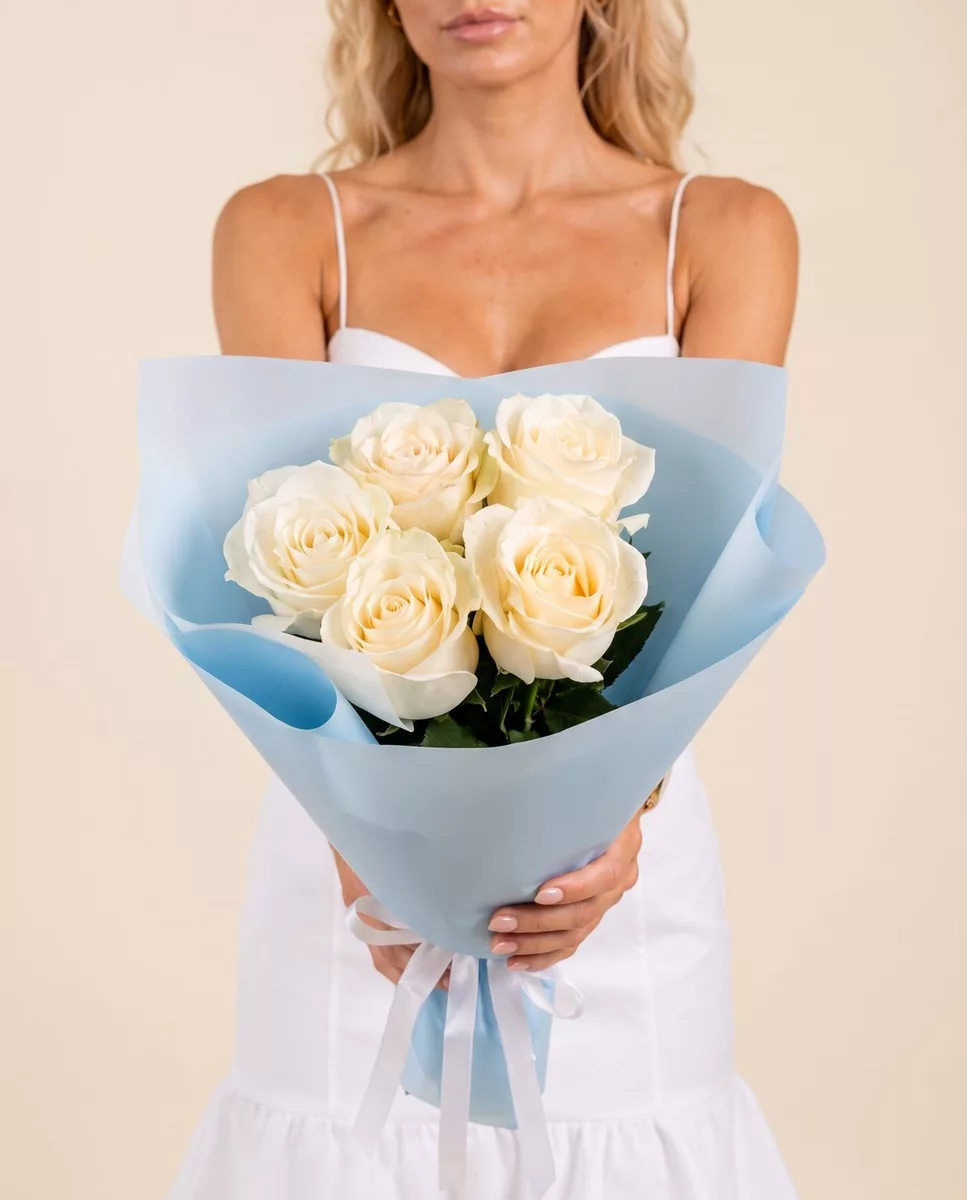
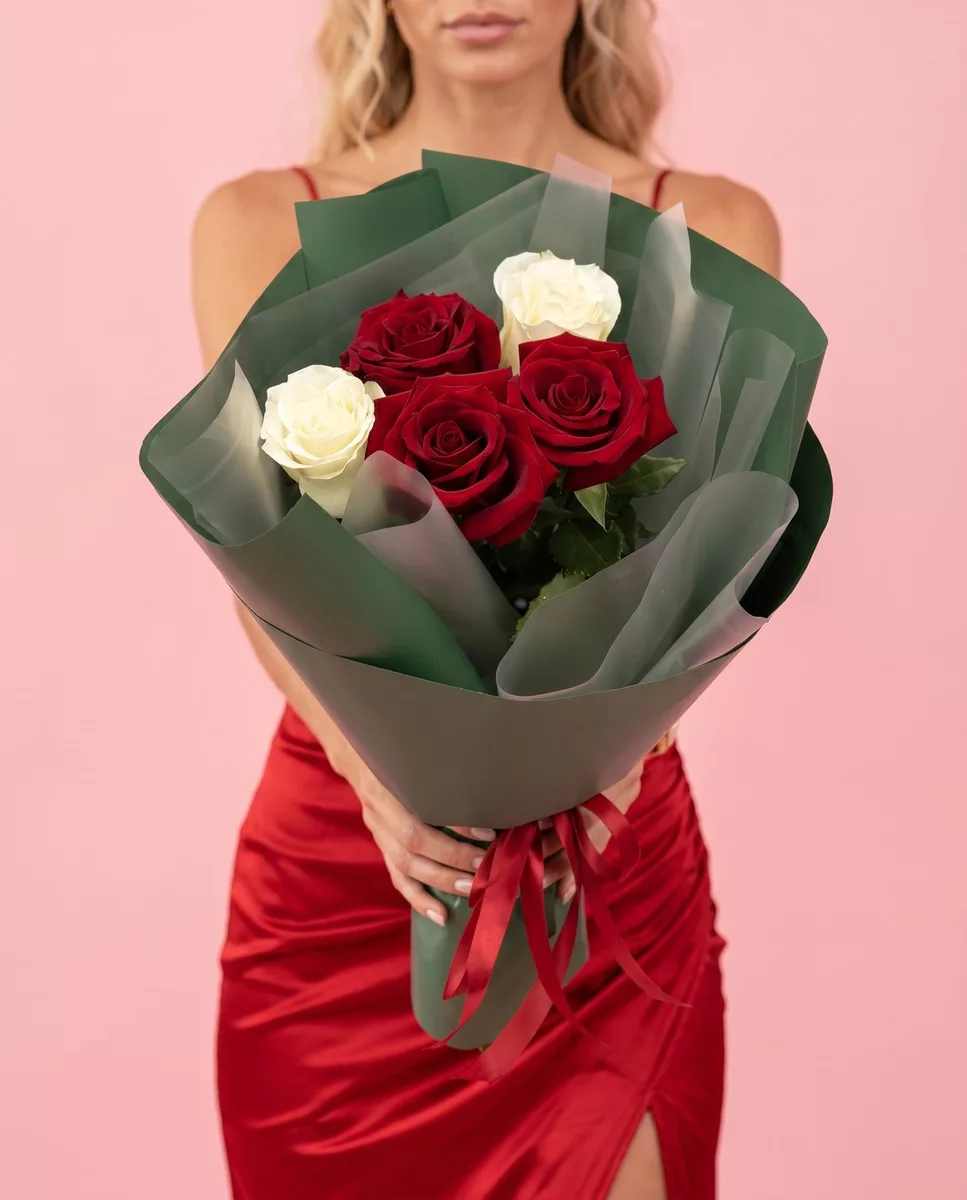
Timing Your Delivery for the Moment That Matters
The phrase 'one to two hours' describes delivery within Saint Petersburg, and for longer-distance destinations like Talitsa the timeline naturally extends. What matters most is not speed alone but precision — arriving at a time when your recipient is actually home, in the right mood, and not rushing out the door with a bag of shopping in each hand.
For birthdays, the morning delivery window tends to land best. There is something about receiving flowers before the working day begins that sets the tone for the whole celebration. For anniversaries, early evening often works better — the couple is home, the day is winding down, and the gesture fits the quiet intimacy of the occasion. If you are sending flowers to a colleague or a teacher, midday is usually safe.
When you place your order, you select a delivery window rather than a single fixed minute. This is the honest and practical approach. Couriers deal with traffic, building access and the occasional recipient who needs a moment to come to the door. A window gives everyone room to breathe while still keeping the surprise intact.
One mistake people make is ordering too close to the desired time. Give yourself a buffer of at least a few hours between placing the order and the start of your chosen window. This allows the florist to select the freshest stems available that day, condition them properly in water, and build the arrangement without rushing. A rushed bouquet shows, and you will feel it even through a photograph.
Choosing Flowers for Someone You Know Well — and Someone You Do Not
If you know your recipient well, lean into that knowledge. A woman who keeps a minimalist home and wears neutral colours will likely appreciate a monochrome bouquet — all-white lisianthus, or a single variety of garden roses in blush pink — far more than a loud mixed arrangement. A person who loves colour and fills their apartment with plants and art will respond to something bolder: sunflowers paired with orange gerbera, or deep burgundy dahlias alongside eucalyptus.
If you are sending to someone you know less well — a new colleague, a friend of a friend, a business contact — the safest choice is almost always a clean, generous bouquet of roses. Roses are universally understood in Russian culture as a mark of respect and warmth. An odd number of stems is the Russian convention for living recipients, so eleven or fifteen roses rather than ten or twelve. This is one of those small details that signals you understand the culture, even if you are sending from far away.
For children and younger recipients, something bright and textural works well — think mixed seasonal blooms with a few stems of waxflower or statice to add softness and staying power. Avoid very delicate flowers like sweet peas for long-distance delivery, as they bruise easily in transit.
Spring deliveries to Talitsa can feature tulips and ranunculus, which travel well when properly conditioned. Summer opens up the full range of seasonal garden flowers. Autumn calls for chrysanthemums, which are robust, long-lasting and deeply associated with warmth and home in Russian tradition.
How Temperature and the Ural Climate Affect Your Bouquet
Talitsa sits in a continental climate zone, which means the temperature swings are significant. Winters are properly cold — temperatures can drop well below minus twenty Celsius for weeks at a time. Summers are warm and sometimes genuinely hot. Both extremes affect how flowers travel and how long they last once they arrive.
In winter, the biggest risk is freezing. Flowers exposed to extreme cold for even a few minutes can suffer cell damage that shows up hours later as translucent, waterlogged petals. Turboflora packages winter bouquets with insulating wrap and conditions them carefully before dispatch. When your recipient receives a winter bouquet, they should bring it indoors and let it acclimatise at room temperature for ten to fifteen minutes before unwrapping — do not place it directly next to a radiator.
In summer, heat is the concern. Direct sunlight in a warm vehicle can cause roses to open too quickly and tulips to droop. Couriers are instructed to keep flowers away from direct sun during transit. On arrival, the bouquet should go straight into a cool room, away from sunny windowsills and away from fruit bowls — ripening fruit releases ethylene gas, which accelerates the ageing of cut flowers significantly.
Spring and autumn in the Urals can be unpredictable, with late frosts in April and early cold snaps in September. When ordering during these shoulder seasons, it is worth noting the current forecast and choosing hardier varieties — alstroemeria, chrysanthemums and carnations handle temperature variation better than, say, open garden roses or anemones.
Presentation, Wrapping and the Unboxing Moment
The moment a door opens and a bouquet appears is a performance, and the wrapping is part of it. In Russia, flowers are typically presented in craft paper, soft wrapping paper or a combination of both — sometimes with a transparent front panel so the blooms are visible. This style has a warm, artisan feel that suits almost every occasion and every recipient.
A ribbon tied at the stem end is the finishing touch that signals care. It is a small thing, but it communicates that someone thought about this gift rather than simply clicking through a checkout. If you are ordering for a significant occasion — a milestone birthday, a first anniversary, a graduation — it is worth adding a handwritten card. In Russian culture, the written word carries particular sentimental value. A short, genuine message in the card will often be kept long after the flowers have faded.
For corporate gifting, presentation tends to lean cleaner and more structured: tighter wrapping, a single dominant colour, and no overly personal message on the card. This reads as professional and considered rather than cold.
If you are sending a bouquet as a surprise — meaning the recipient does not know it is coming — ask the courier to ring the bell and step back slightly. This gives the recipient a moment to register what is happening before the door is fully open. It sounds like a small thing, but that pause is where the genuine surprise lives. Flowers delivered to someone who has been waiting by the window for them are still lovely, but the element of delight is different.
Vase Life and Care Once the Bouquet Arrives
A well-made bouquet from fresh stems should last seven to ten days with proper care. Some varieties will go longer — alstroemeria and chrysanthemums can reach two weeks under good conditions. Others, like tulips, have a shorter window but make up for it with the way they move and open in the vase, which is a kind of beauty in itself.
The single most important step is the first cut. Before placing stems in water, the recipient should trim one to two centimetres from the bottom of each stem at a diagonal angle, using a sharp knife or scissors. This opens the vascular tissue and allows the stem to drink efficiently. Cutting under running water or in a bowl of water prevents air bubbles from blocking the stem.
Water temperature matters more than most people realise. Lukewarm water is absorbed more easily than cold water for most flowers. The exception is tulips, which prefer cool water and a cool room — they will lean dramatically toward any light source, which some people find charming and others find frustrating. Rotating the vase a quarter turn each day keeps them growing more evenly.
Change the water every two days and re-trim the stems each time. Remove any leaves that fall below the waterline, as submerged foliage rots quickly and introduces bacteria that shorten vase life for the whole arrangement. Keep the vase away from direct sunlight, heating vents and draughts. A spot on a dining table or a sideboard, away from windows, tends to work well in most Russian apartments.
Making the Order Feel Personal from a Distance
One of the quiet anxieties of remote flower delivery is the sense that you are handing something important off to strangers. The gift matters to you — it represents a relationship, a moment, a feeling — and you cannot be there to see it land. There are a few things you can do to make the order feel more like an extension of yourself rather than a transaction.
Start with the note. Even three sentences written honestly — why you are sending flowers, what you want the person to feel, one specific memory or detail that only the two of you would recognise — transform the bouquet from a beautiful object into a conversation. Recipients in Russia tend to read cards carefully and keep them.
Next, think about colour as a language. If your recipient has a favourite colour, anchor the bouquet there. If they associate a particular flower with a shared memory — perhaps peonies from a garden they used to visit, or sunflowers from a summer trip — that is the stem to build around. A florist who knows this context can make choices that feel uncannily personal.
Finally, consider the container. Some occasions call for flowers in a hat box or a compact arrangement in a ceramic pot rather than a traditional vase bouquet. These formats work especially well when the recipient lives alone and may not own a large vase, or when the setting is an office rather than a home. A self-contained arrangement requires no preparation from the recipient — it simply arrives, complete and ready to be placed somewhere beautiful.
Sending flowers to Talitsa from anywhere in Russia is a genuine act of care, and it works best when you treat it as a small creative project rather than a logistics problem. Think about who will open the door, what the room looks like, what the occasion deserves, and what you want the moment to feel like. Turboflora handles the distance, the timing, the wrapping and the freshness — your job is simply to know your person and trust the process. When it all comes together, a bouquet arriving in a city you have never visited can feel as warm and immediate as handing flowers across a table.
Frequently asked questions
Can I send flowers to Talitsa for a same-day delivery?
Same-day delivery to Talitsa is available when the order is placed early enough in the day to allow for preparation and transit time. Place your order in the morning for the best chance of an evening delivery window. Orders placed late in the afternoon are better scheduled for the following day to ensure the bouquet arrives in full condition.
What flowers travel best to cities in the Urals during winter?
Roses, alstroemeria, chrysanthemums and spray carnations are the most reliable choices for cold-weather delivery. They tolerate brief exposure to low temperatures better than more delicate varieties. Tulips can also work well in winter if packaged carefully. Avoid open, fully bloomed flowers for long winter journeys — tighter buds travel more safely and open beautifully once indoors.
Do I need to be present at the delivery address to receive the flowers?
The recipient does not need to wait anxiously by the door, but someone should be available at the address during the chosen delivery window. If the recipient will be briefly unavailable, it helps to provide a neighbour's name or a building concierge contact in the order notes. Leaving flowers unattended in a corridor in cold weather is not ideal for the bouquet's condition.
Is it appropriate to send flowers to a male recipient in Russia?
Absolutely. Sending flowers to men is common in Russia, particularly for birthdays, professional achievements and significant life events. The style of the bouquet tends to differ — think structured arrangements with bold single varieties, darker tones, or plants rather than mixed florals. A confident monochrome bouquet of deep red roses or a potted plant reads as considered and respectful.
Why does the number of stems matter in a Russian bouquet?
In Russian tradition, an even number of flowers is associated with mourning and is brought to cemeteries. For a living recipient, an odd number — seven, nine, eleven, fifteen — is the culturally appropriate choice. This is one of the most consistent floral customs across Russia and is worth knowing if you want the gift to feel genuinely thoughtful rather than accidentally awkward.
Ready to send flowers?
Pick the city, choose the bouquet, and a local florist takes it from there.
Choose a city →