Sending Flowers to Tara: Timing, Choices and What Arrives at the Door
Tara sits on the Irtysh River in western Siberia, and it has its own quiet rhythm — unhurried, warm in the way only smaller Russian cities can be. When you want to send flowers there for a birthday, an anniversary, or simply because someone deserves them, the distance from Saint Petersburg is not the obstacle it might seem. What matters is knowing how delivery actually works in this city, what blooms travel well across that distance, and how to make sure the bouquet your recipient opens feels as fresh and considered as if you had handed it to them yourself.
Which Parts of Tara We Reach and How the City Is Laid Out
Tara is one of the oldest cities in Siberia, founded in 1594, and its layout reflects that history — a compact historic centre near the Irtysh riverbank, residential districts spreading outward, and quieter streets further from the main avenues. Delivery covers the central districts, the residential mikrorayons along Sovetskaya and Lenina streets, and the newer housing areas on the city's edges. If your recipient lives in the private housing sector on the outskirts, it is worth mentioning that in the order notes so the courier can plan the route accurately.
The city is not large by Russian standards, which is actually an advantage. Once a courier is on the ground, moving between addresses is straightforward. There are no sprawling industrial zones cutting the city in half, and most residential addresses are reachable without complicated detours. This matters because a bouquet that spends an extra forty minutes in a warm car loses more than time.
If you are ordering from abroad or from another Russian city and are unsure of the exact district, the full street address with a house number is enough. Russian addresses follow the format: city, street, house number, apartment number — and that sequence is what the courier needs. A phone number for the recipient is essential, not optional, because couriers in Tara will call ahead rather than simply ring the doorbell unannounced. That small courtesy is standard practice here and your recipient will appreciate it.
Bouquets we can deliver

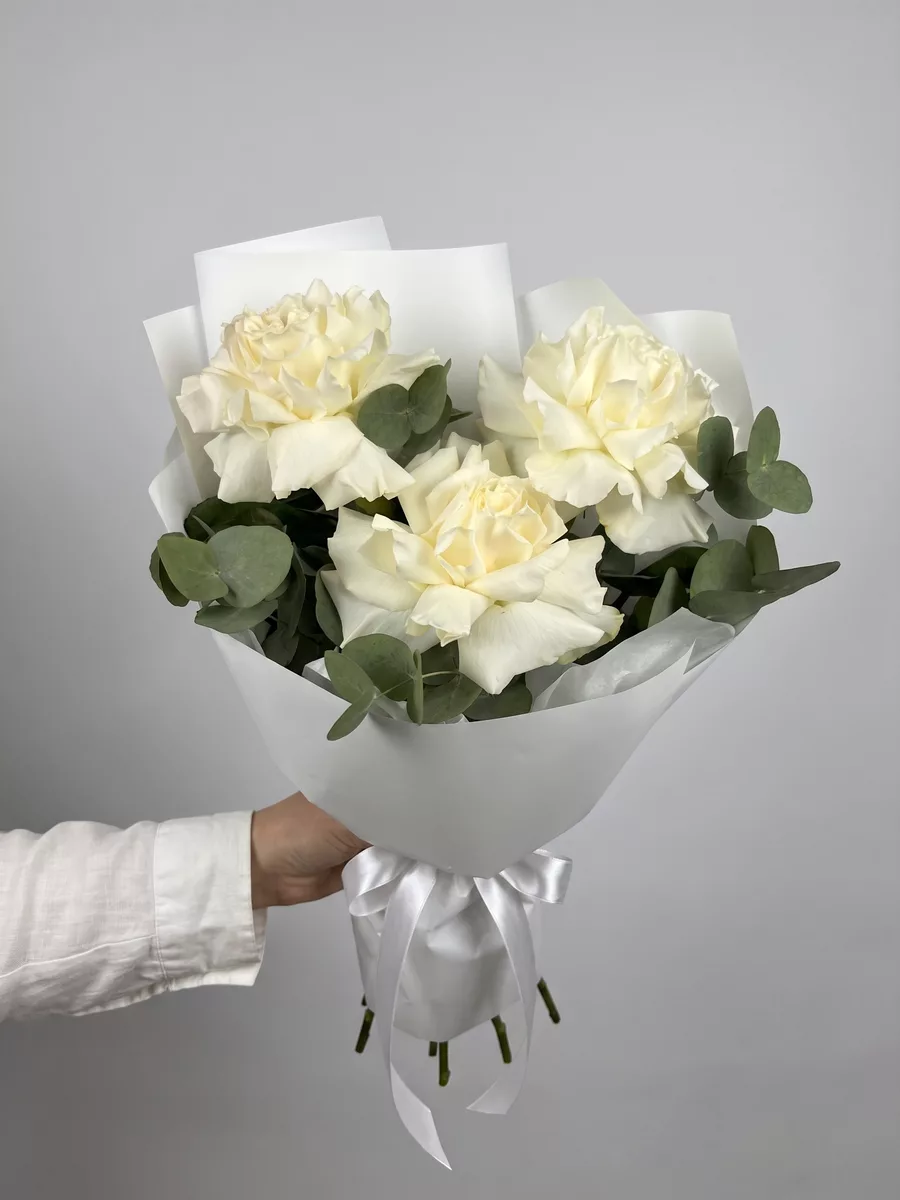
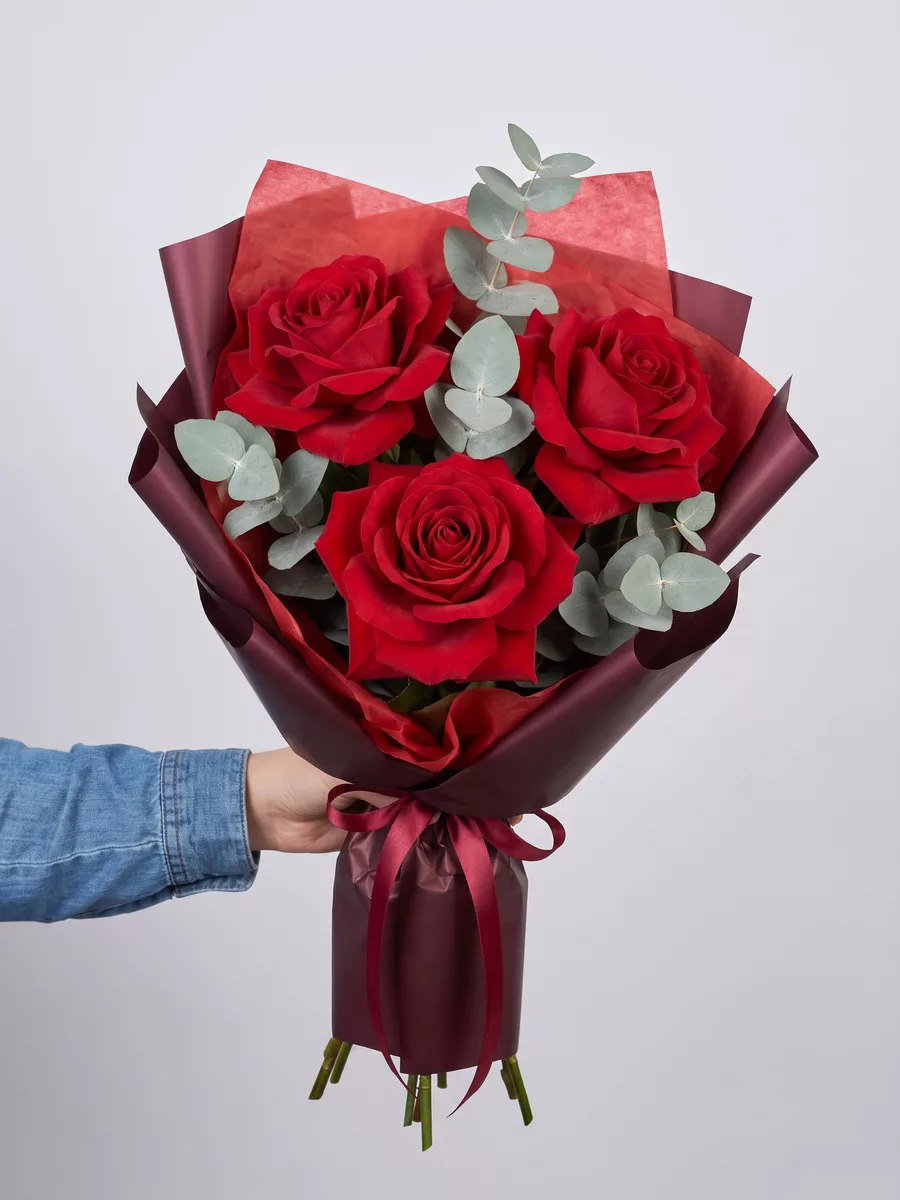
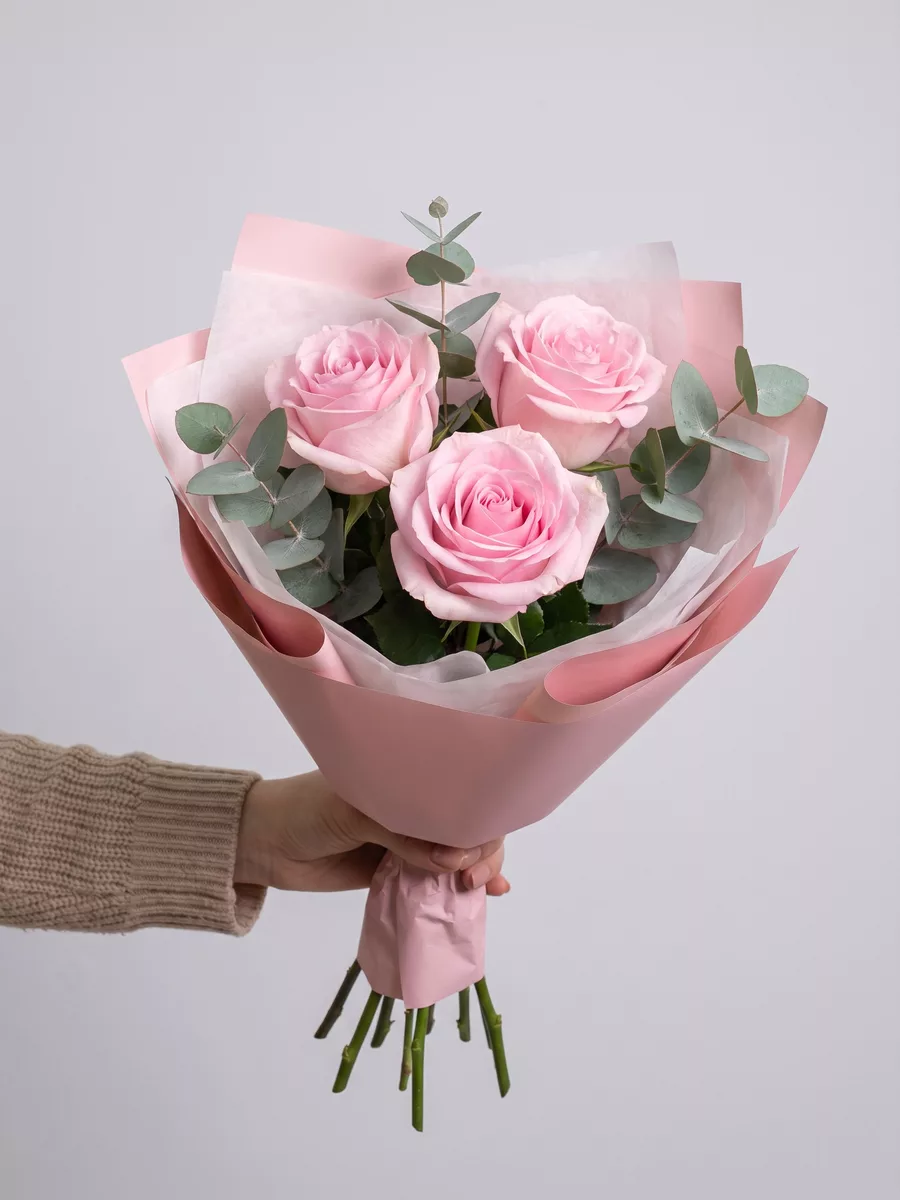
Timing Your Order: What Same-Day and Scheduled Delivery Look Like
Delivery windows in Tara are organised around realistic travel and preparation time. When you place an order before noon local Omsk time — Tara follows Omsk Time, which is UTC+6 — same-day delivery is achievable for most central addresses. Orders placed in the afternoon are typically scheduled for the following morning, which is often the better choice anyway: a bouquet arriving with breakfast is a far warmer gesture than one arriving late in the evening when the recipient may already be out.
Scheduled delivery is the option most experienced senders choose. You pick a two-hour window — say, 11:00 to 13:00 — and the courier works to arrive within it. This is especially useful for birthdays where you know the person will be home, or for a workplace delivery timed to land before the end of the working day. Russian offices typically run until 18:00, so a delivery between 15:00 and 17:00 lets colleagues witness the moment, which many recipients quietly enjoy.
Siberian winters introduce one honest complication: temperatures in Tara can drop to minus 25 or lower between November and February. Flowers are wrapped in insulating kraft paper and placed in a thermal sleeve for cold-weather deliveries, but the handoff at the door should be quick. Remind your recipient, if you can, to have a vase of room-temperature water ready. Bringing frozen stems directly into a very warm room without a gradual adjustment can cause cell damage in roses and tulips — a few minutes in a cool hallway first makes a real difference.
Choosing Flowers for the Person, Not Just the Occasion
The occasion tells you the register — celebratory, tender, grateful, romantic — but the person tells you the flower. For a woman in her fifties celebrating a birthday, garden roses in cream or dusty pink with eucalyptus read as sophisticated and unhurried. For a younger recipient, a mixed bouquet of ranunculus, anemones and spray roses in contrasting tones feels current without being showy. For a colleague you do not know well, white or pale yellow chrysanthemums are universally accepted and carry no cultural weight that could be misread.
One Russian custom worth knowing: even numbers of flowers are traditionally associated with mourning, so bouquets are always assembled in odd numbers — five, seven, eleven, fifteen stems. This is not superstition to dismiss; recipients notice, and an even-numbered bouquet can create an uncomfortable moment. Every bouquet from Turboflora follows this convention automatically, but if you are adding loose stems to an existing order, keep the count odd.
For romantic occasions, red roses remain the most direct statement in Russian culture, but a single-variety bouquet of deep burgundy peonies in season — May through July — or blush garden roses carries the same message with more texture. Tulips in spring are enormously popular across Russia and Tara is no exception; they are affordable, they travel well when the temperature is managed, and they open beautifully in the vase over two to three days. If the delivery falls in March, close to International Women's Day on the 8th, tulips and mimosa together are the classic combination that every Russian woman recognises from childhood.
Budget Ranges and What Each One Gets You in Practice
Thinking about budget as a range of experience rather than a price tag makes the decision easier. At the entry level, a hand-tied bouquet of five to seven stems — seasonal tulips, alstroemeria or spray carnations with simple greenery — is compact, fresh and entirely appropriate for a thank-you or a casual birthday. It does not look sparse if it is assembled with intention: a tight round form with a kraft paper wrap and a ribbon is more elegant than a loose bundle of fifteen mixed stems thrown together.
The mid-range opens up the palette considerably. You can move into garden roses, lisianthus, or a combination of two or three varieties that complement each other in colour and texture. A bouquet of nine garden roses with eucalyptus and wax flower, for example, photographs well, smells wonderful and lasts seven to ten days with proper care. This is the range most senders choose for birthdays and anniversaries because it feels genuinely generous without being excessive.
At the higher end, peonies in season, large-headed Dutch roses, or orchid arrangements make a statement that the recipient will remember. These are appropriate for significant milestones — a major anniversary, a promotion, a graduation. Orchids in a ceramic pot rather than a cut arrangement are worth considering for Tara deliveries in winter: potted plants handle temperature transitions better than cut stems and continue to bloom for weeks. Whatever the budget, the presentation layer — wrapping, ribbon, a handwritten card — matters as much as the flowers themselves. A short personal message in Russian, if you can manage it, is always received warmly.
What Happens Between the Shop and the Door
The journey a bouquet takes before it reaches your recipient in Tara is worth understanding because it explains why certain choices travel better than others. Flowers are assembled fresh on the day of delivery, not pre-made and stored. Stems are cut at an angle, conditioned in clean water, and arranged shortly before dispatch. Roses travel with their guard petals on — those slightly battered outer petals that look imperfect — because they protect the inner bloom during transit. The recipient can peel them away at home to reveal the full flower underneath.
For deliveries to Tara, the courier carries the bouquet upright in a stabilised holder inside the vehicle. Laying flowers flat in a car boot, even for a short journey, causes the heads to shift and the stems to crease. This sounds like a small detail but it is the difference between a bouquet that looks arranged and one that looks transported. In summer, when Tara temperatures can reach 30 degrees Celsius or above, the vehicle is climate-controlled and delivery is prioritised for morning hours when the air is cooler.
The courier will call the recipient approximately fifteen to twenty minutes before arrival. If the recipient does not answer, the courier will wait briefly and try again. In cases where no one is home — which happens — the courier will contact the sender to agree on next steps: leaving the bouquet with a neighbour, a building concierge, or rescheduling. Flowers are never left unattended outside a door in any season, because heat, frost and curious passersby are all real risks in a Siberian city.
Care Instructions Your Recipient Will Actually Use
Most people receive flowers without any guidance and then wonder why they wilted by day three. A few concrete instructions, either on the card or passed along by message, make a significant difference. The single most important step is the first one: trim one to two centimetres from the base of each stem at a diagonal angle, under running water or submerged in the sink. This reopens the water channel that closes during transit and allows the stem to drink immediately.
Vase water should be cool and clean, changed every two days. Room-temperature tap water is fine; there is no need for additives unless a flower food sachet is included with the order, in which case follow the ratio on the packet. Keep the bouquet away from direct sunlight, radiators and fruit bowls — ethylene gas from ripening fruit accelerates wilting in roses and tulips noticeably. A cool spot in the room, not a cold windowsill in winter, is ideal.
Different varieties have different lifespans and it helps to know what to expect. Chrysanthemums and alstroemeria regularly last twelve to fourteen days with basic care. Garden roses and lisianthus give seven to ten days. Tulips and ranunculus are shorter — five to seven days — but they open dramatically as they age, which many people find more beautiful than the tight bud stage. Peonies last five to seven days and are at their most spectacular on days two and three when the heads have fully opened. Removing any leaves that fall below the waterline prevents bacterial growth that shortens vase life across all varieties.
Making the Order Feel Personal Across the Distance
Sending flowers from another city — or from another country — carries a specific emotional weight. The recipient knows you could not be there in person, and the bouquet becomes the stand-in for your presence. This is why the details that surround the flowers matter as much as the flowers themselves. A handwritten card is not an optional extra; it is the voice of the gift. Even a short message — four or five sentences — transforms a bouquet into a letter that happens to smell wonderful.
If you are writing in English and your recipient reads Russian, consider writing one sentence in Russian at the end, even phonetically transliterated. Something as simple as 'S dnem rozhdeniya' — Happy Birthday — or 'Ya dumaju o tebe' — I am thinking of you — lands differently than the same words in English. It shows effort, and effort is what people remember.
Think also about timing as a message in itself. A bouquet that arrives at 9:00 in the morning on the exact day of a birthday tells a story: someone planned this, someone set an alarm, someone thought about this moment before their own day began. That is the gift underneath the gift. Conversely, a bouquet ordered in a rush for next-day delivery with a generic message still brings joy — flowers always do — but the layered experience of feeling genuinely considered is what makes people photograph the bouquet and keep the card long after the petals have fallen. In Tara, as anywhere, it is the attention that carries.
Tara may be a long way from Saint Petersburg by road, but a well-chosen bouquet, assembled fresh and delivered with care, closes that distance in the moment it is opened. The city's size works in your favour: routes are manageable, couriers know the streets, and a flower that leaves the shop in good condition arrives in good condition. Plan the timing, choose varieties that suit the person and the season, pass along a few care instructions, and write something real on the card. That combination is what turns a delivery into a memory.
Frequently asked questions
Can I order flowers for delivery in Tara on the same day?
Same-day delivery in Tara is available for orders placed before noon local Omsk time (UTC+6). For central addresses this window is reliable; for addresses on the outer residential streets, placing your order the evening before and scheduling a morning delivery gives the courier more flexibility and ensures the bouquet arrives in the best condition.
What happens to the flowers if it is very cold in Tara when they are delivered?
All bouquets for cold-weather delivery are wrapped in insulating kraft layers and placed in a thermal sleeve before the courier leaves. The handoff at the door is kept brief. We recommend telling your recipient to let the bouquet rest in a cool hallway for a few minutes before bringing it into a heated room, which prevents thermal shock to the stems.
Why do Russian bouquets always have an odd number of flowers?
Even numbers of flowers are traditionally associated with mourning in Russian culture and are used at funerals. Odd numbers — five, seven, eleven and so on — are the convention for all celebratory and affectionate occasions. Every bouquet we assemble follows this automatically, so you do not need to count or specify.
Which flowers last the longest in a vase if I am sending to someone who travels for work?
Chrysanthemums and alstroemeria are the strongest performers, regularly lasting twelve to fourteen days with basic care. Lisianthus is another excellent choice — it resembles a rose but holds its petals considerably longer. All three handle the occasional missed water change better than roses or tulips and are available year-round.
Can I include a message in Russian on the card if I do not speak Russian?
Yes — when placing your order, write your message in English and note in the order comments that you would like it translated into Russian for the card. We will render it naturally rather than literally, so it reads as a genuine personal message. Alternatively, write your own message in English and we will include it exactly as written.
Ready to send flowers?
Pick the city, choose the bouquet, and a local florist takes it from there.
Choose a city →