Sending Flowers to Tashtagol? Here Is What to Expect
Tashtagol sits deep in the Kemerovo region, surrounded by the Shoria mountains, and getting fresh flowers there feels like it should be complicated. It does not have to be. Whether you are sending a birthday bouquet to someone who just moved there for work, surprising a partner near the Sheregesh ski slopes, or marking a family celebration from thousands of kilometres away, the right preparation makes the difference between flowers that arrive glowing and flowers that arrive exhausted. This guide walks you through every practical step — from choosing the right stems for the climate to knowing what your recipient will see when the courier knocks.
Who Receives Flowers in Tashtagol and Why It Matters
Tashtagol is a small mining and resort town, but the range of people who live and visit there is surprisingly wide. You might be sending to a grandmother who has spent her whole life in the Kuzbass, to a young couple celebrating an anniversary near the ski base, or to a colleague marking a work milestone at one of the local enterprises. Each of these recipients has a different relationship with flowers, and that shapes what you should order.
In Russian tradition, flowers carry strong social meaning. An odd number of stems is always given for celebrations — even numbers are reserved for grief, so please count carefully before confirming your order. Red roses signal romantic love very directly, which is perfect between partners but can feel too intense as a professional gift. For a colleague or a family elder, softer combinations work better: cream spray roses with eucalyptus, or a mixed seasonal bouquet in warm peach and coral tones.
For someone who lives alone in a smaller apartment, a compact but dense arrangement is more practical than a sweeping grand bouquet. For a family home, something generous and fragrant — think alstroemeria mixed with lisianthus and a few stems of waxflower — fills a room without overwhelming it. Thinking about the recipient's space and daily life before you choose the flowers is the single most useful thing you can do.
Bouquets we can deliver

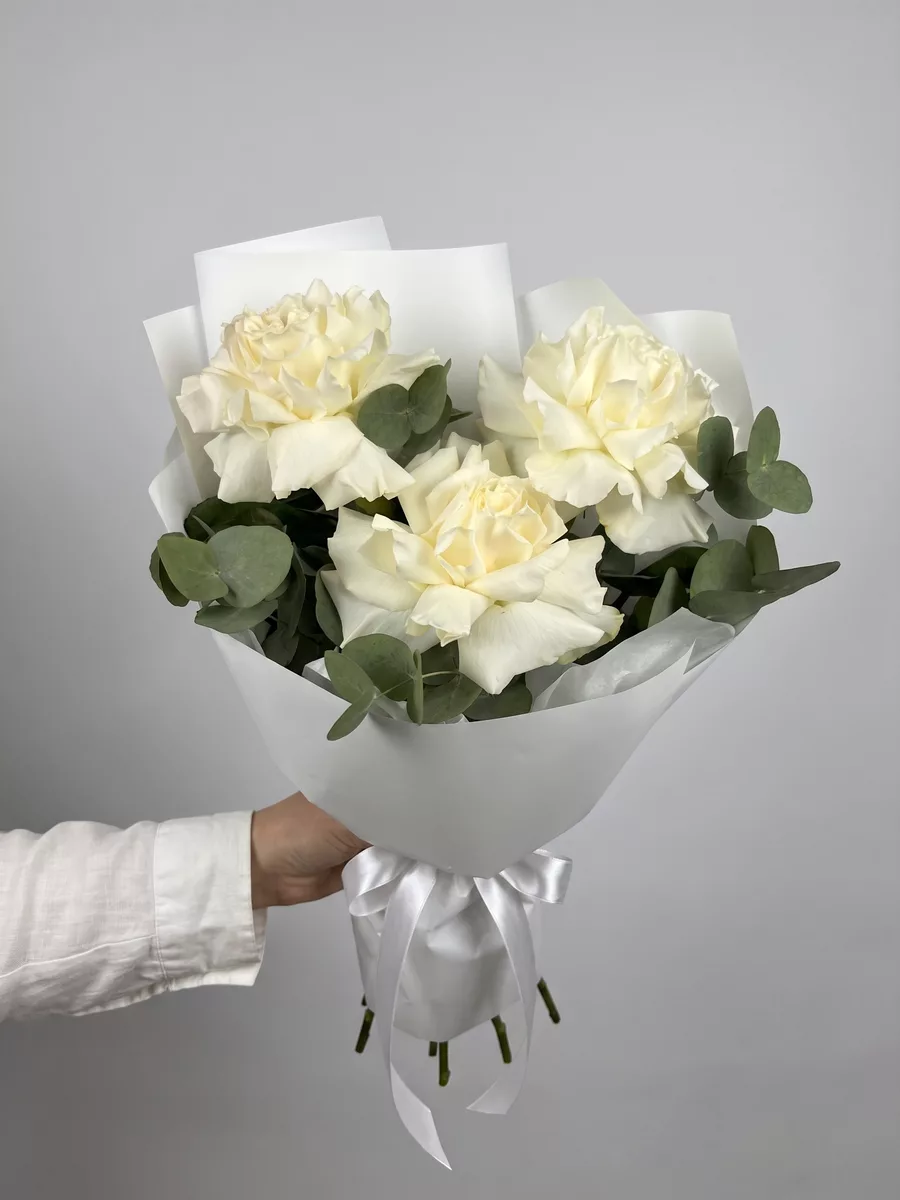
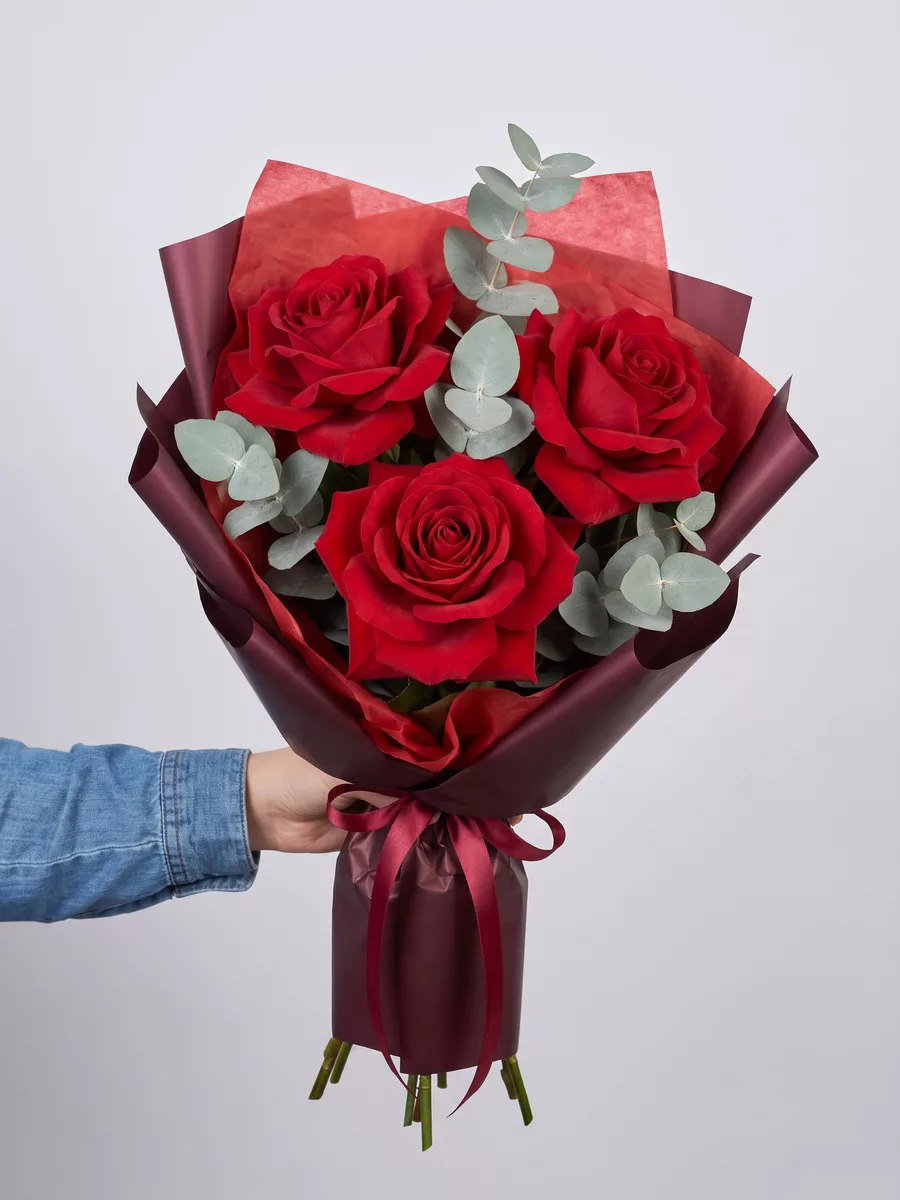
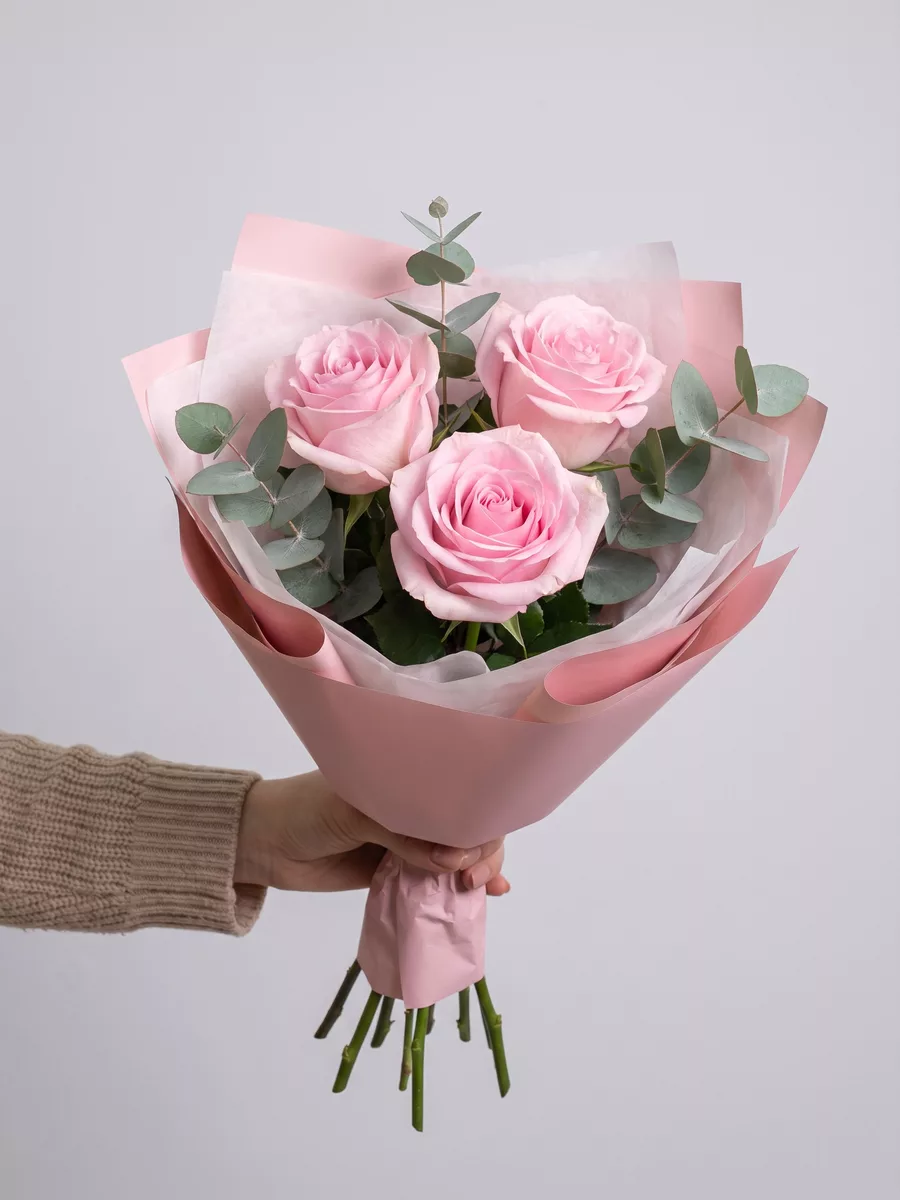
Delivery Areas Around Tashtagol and the Sheregesh Zone
Tashtagol is the administrative centre, but many people in the area actually stay in or near Sheregesh, the ski resort village about fifteen kilometres away. When you place an order, it matters that you specify the exact address clearly — whether it is a hotel at the resort base, a private house on one of the residential streets in Tashtagol itself, or accommodation in one of the smaller settlements in the surrounding valley.
The road between Tashtagol and Sheregesh is well-maintained by regional standards, but in winter it demands time. Snow, ice and reduced visibility during heavy snowfall can add to transit time, and this is not a situation where rushing helps anyone. A courier carrying a bouquet of garden roses or tulips in freezing temperatures needs to protect the flowers from the cold at every stop, which means careful packaging and a measured pace.
For addresses within Tashtagol's central streets and neighbourhoods, delivery is more straightforward. For resort accommodation, especially during the ski season from November through March, it is worth ordering a little earlier in the day to account for traffic near the lifts and base areas. If the recipient is staying at a hotel, provide the hotel name alongside the room number — front desk staff are generally helpful, but a clear address prevents any delay at reception. Always include a working phone number for the recipient so the courier can confirm arrival without guessing.
Timing Your Order for the Best Result
Flowers are living things, and timing an order well is as important as choosing the right variety. For a same-day delivery in Tashtagol, placing your order in the morning gives the best outcome. This allows the bouquet to be assembled fresh, packaged correctly for the outdoor temperature, and dispatched with enough daylight and road visibility to reach the recipient at a comfortable hour.
Evening deliveries are possible, but in a town like Tashtagol, where winter darkness falls early and temperatures drop sharply after sunset, flowers face more stress during transit. Delicate varieties like garden roses, ranunculus and anemones are particularly sensitive to cold shock — a sudden drop from a warm shop to minus fifteen degrees Celsius and back again causes petals to bruise and stems to weaken. Hardier choices like chrysanthemums, carnations and alstroemeria handle temperature swings more reliably.
For birthdays or anniversaries where the date is fixed, ordering the day before and requesting morning delivery on the day itself is a practical strategy. The recipient gets their flowers at a cheerful hour, the stems have not been sitting in transit overnight, and you avoid the last-minute pressure of a same-day rush. If you are coordinating a surprise, you can also specify a delivery window and ask that the courier call only when they are at the door — this avoids spoiling the moment with an advance phone call that gives the gift away.
Choosing Flowers for the Siberian Climate
The Kemerovo region experiences genuine continental winters, with temperatures in Tashtagol regularly falling below minus twenty degrees Celsius from December through February. This is not a detail to overlook when choosing flowers. Some varieties that look beautiful in a photograph are simply not suited to travelling in these conditions without careful handling.
Chrysanthemums are one of the most reliable choices for cold-weather delivery — they are robust, long-lasting, and available in a wide range of colours from white and cream through deep burgundy and rust. Carnations are another dependable option; they hold up well in the cold and last ten to fourteen days in a vase when properly cared for. Alstroemeria, sometimes called Peruvian lily, combines durability with a naturally cheerful, multi-bloom appearance that feels generous without being fragile.
Roses remain the most requested flower in Russia regardless of season, and they can absolutely be delivered in winter — but they need proper insulation during transit. Spray roses, which have smaller blooms clustered on each stem, are slightly more forgiving than large-headed hybrid tea roses in cold conditions. If you are set on roses for a romantic occasion, choose them but be aware that the bouquet should move quickly from cold air to a warm room, and the recipient should unwrap it promptly and place it in water.
In spring and summer, Tashtagol's climate is mild enough that almost any variety travels well, and seasonal options like peonies in May and June or sunflowers in late summer make beautiful, regionally appropriate choices.
How Bouquets Are Packaged for Long-Distance Freshness
A bouquet that travels from Saint Petersburg to Tashtagol — or that is assembled locally and then driven through mountain-adjacent winter roads — needs packaging that does more than look pretty. The wrapping has to function as insulation, as moisture retention, and as structural protection all at once.
Stems are cut at an angle and placed in a water-retaining base — either a small water tube sealed at the stem end or a dampened floral foam pad wrapped in foil — so that the flowers are not dry during transit. This is especially important for roses and lisianthus, which wilt quickly without water. The bouquet is then wrapped in layers: a soft inner wrap of tissue or kraft paper that cushions the blooms, and an outer layer of denser paper or insulating material that buffers the temperature change when moving between warm and cold air.
In extreme cold, additional thermal wrapping is used. This is not decorative — it is functional, and recipients sometimes unwrap a bouquet that looks like a small parcel before they see the flowers inside. Explain this to the recipient if they are not used to winter flower deliveries, so they do not mistake careful packaging for an oddly wrapped gift.
The ribbon or decorative finish is added after the protective layers, not instead of them. A beautiful bouquet that arrives with bruised petals because the packaging prioritised appearance over function is a disappointment. Good packaging is invisible in the sense that the flowers look perfect when it comes off — that is the only measure that matters.
Vase Life and Care Once the Flowers Arrive
Even the freshest bouquet needs attention in the first hour after arrival to reach its full potential. The single most important step is re-cutting the stems. Using a clean, sharp knife or scissors, cut each stem at a forty-five-degree angle, removing about two centimetres from the bottom. Do this under running water or while the stem is submerged if possible — this prevents an air bubble from blocking the stem's ability to draw water.
Remove any leaves that would sit below the waterline in the vase. Submerged leaves rot quickly and cloud the water, which shortens the life of the entire bouquet. Change the vase water every two days and re-cut the stems each time. A clean vase matters more than most people realise — bacteria from a vase that was not washed properly will shorten vase life significantly even if everything else is done correctly.
Keep the flowers away from direct heat sources, which are common in Russian homes during winter — radiators, underfloor heating, sunny windowsills. A cool room with indirect light is ideal. Chrysanthemums and carnations in these conditions can last two weeks easily. Roses and lisianthus typically give seven to ten days of good vase life with proper care. Tulips, if they arrive in winter or early spring, last five to seven days but open beautifully and fill a room with a clean, fresh scent.
If a stem wilts early, re-cut it and place it in cool water for an hour — many stems revive well with this treatment before they are written off.
Making the Gift Feel Personal From a Distance
Ordering flowers for someone in Tashtagol when you are in another city is a gesture that crosses real distance, and the details you add are what make it feel close rather than transactional. A handwritten card message — even a short one — matters enormously in Russian gift culture. The card is often kept long after the flowers are gone, especially for significant occasions like birthdays with round numbers, graduations or the birth of a child.
Think about what the recipient will feel when the courier arrives. If they live alone, the moment of opening the door to an unexpected delivery is itself part of the gift. If they are with family, the bouquet becomes a shared moment. Choosing colours that suit the recipient's home or personality, rather than defaulting to the most generic option, shows thought. A woman who loves bold, architectural arrangements will appreciate a bunch of deep-red anthuriums or dramatic burgundy dahlias in season far more than a safe pink mixed bouquet.
You can also coordinate the delivery with a phone call or video call timed to arrive just after the flowers — so you see their reaction in real time even from across the country. This kind of coordination is simple to arrange and turns a flower delivery into something much more memorable than a gift that simply appears.
For recurring occasions — a partner's birthday every year, a parent's name day — keeping a note of what worked well last time lets you build on it rather than starting from scratch each time. Florists remember what made a gift land, and so do recipients.
Tashtagol is not the easiest destination for flower delivery, but it is far from impossible — and when flowers arrive in a town that does not always expect them, the impact is all the greater. The key is working with the climate rather than against it, choosing varieties that travel well, giving clear address details, and timing your order so the recipient gets their bouquet at the right moment of their day. Fresh flowers in a cold-weather town feel like a small act of warmth from wherever you are sending them, and with the right preparation, that warmth arrives intact.
Frequently asked questions
Can flowers really survive delivery to Tashtagol in winter?
Yes, with the right variety selection and proper insulation packaging. Chrysanthemums, carnations and alstroemeria handle cold transit particularly well. Roses can also be delivered in winter but need to move quickly from cold air into a warm room and into water. Ordering earlier in the day reduces the time flowers spend in low temperatures during transit.
How far in advance should I order for a specific date?
For a guaranteed delivery on a particular date, placing your order the evening before or first thing that morning is ideal. This ensures the bouquet is assembled fresh on the day and gives enough time to reach Tashtagol at a reasonable hour. For major holidays like March 8th or February 14th, ordering two to three days ahead is strongly advisable due to higher demand.
Does delivery cover the Sheregesh ski resort area as well as Tashtagol town?
Yes, delivery covers both Tashtagol and the Sheregesh resort zone. For hotel or resort accommodation, include the full hotel name and room number in your order details. During the busy ski season, allow a little extra time in your chosen delivery window as traffic near the resort base can slow the courier's route.
Why does the bouquet arrive wrapped so heavily — is that normal?
In cold conditions, protective packaging is essential for keeping flowers alive during transit. The outer layers act as insulation and moisture barriers rather than decoration. Once the recipient removes the wrapping, the flowers inside should look fresh and undamaged. Think of it as the same logic as wearing a coat — what matters is how you look once it comes off.
What is the correct number of flowers to send as a gift in Russia?
Always an odd number for a celebration — one, three, five, seven, eleven, fifteen and so on. Even numbers of flowers are associated with mourning in Russian tradition and should be avoided for any joyful occasion. If you are unsure, ask when placing your order and the bouquet will be assembled with the right count built in from the start.
Ready to send flowers?
Pick the city, choose the bouquet, and a local florist takes it from there.
Choose a city →