Sending Flowers to Tatarsk? Here Is What to Expect
Tatarsk sits in the Novosibirsk Oblast, a working city on the Trans-Siberian railway line where people mark birthdays, anniversaries and everyday gestures with the same warmth you find anywhere in Russia. If you are ordering flowers from another city — or simply want to understand what arrives at the door and when — this article walks you through every step, from choosing the right bouquet for the occasion to keeping it fresh once it lands.
Where in Tatarsk We Deliver and Why the Geography Matters
Tatarsk is a compact city, but its layout matters when you are timing a surprise. The central districts around Lenin Street and the railway station area are the most straightforward to reach. Residential neighbourhoods further from the centre, including the quieter streets near the industrial zones, are fully covered but may sit at the outer edge of a delivery window, so a little extra buffer in your timing is sensible.
The city's position in western Siberia means that road conditions vary significantly by season. In January and February, temperatures regularly drop below minus twenty Celsius, which affects how bouquets are packaged and how quickly a driver moves between addresses. In summer, the opposite challenge appears: heat above thirty degrees means cut flowers need insulated wrapping and a fast handover.
When you enter a Tatarsk address at checkout, the system confirms coverage immediately. Street names here follow the standard Russian format — ulitsa, prospekt, pereulok — so if you are writing from abroad, using the transliterated Russian name rather than a translated version avoids confusion. If you are unsure of the exact building number, a phone number for the recipient is the most reliable backup we have.
Bouquets we can deliver

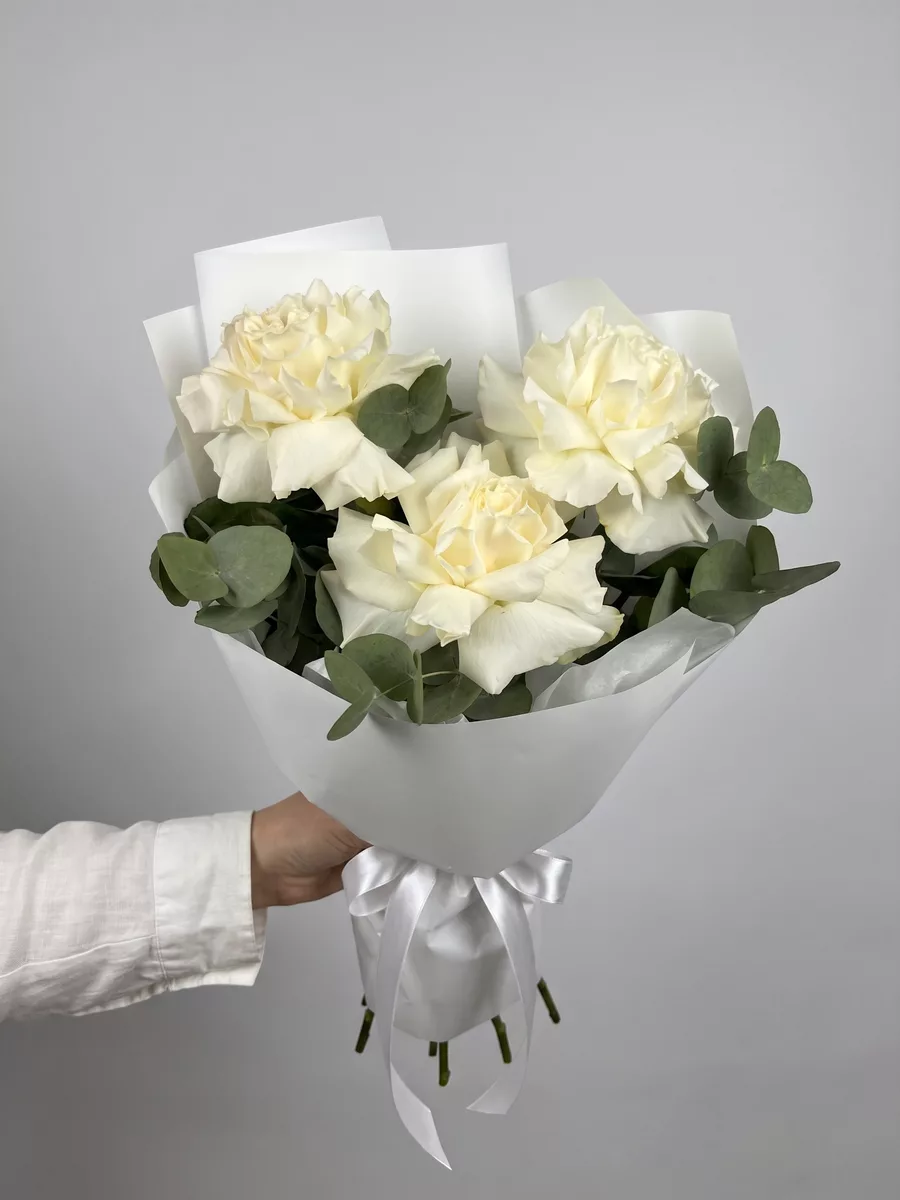
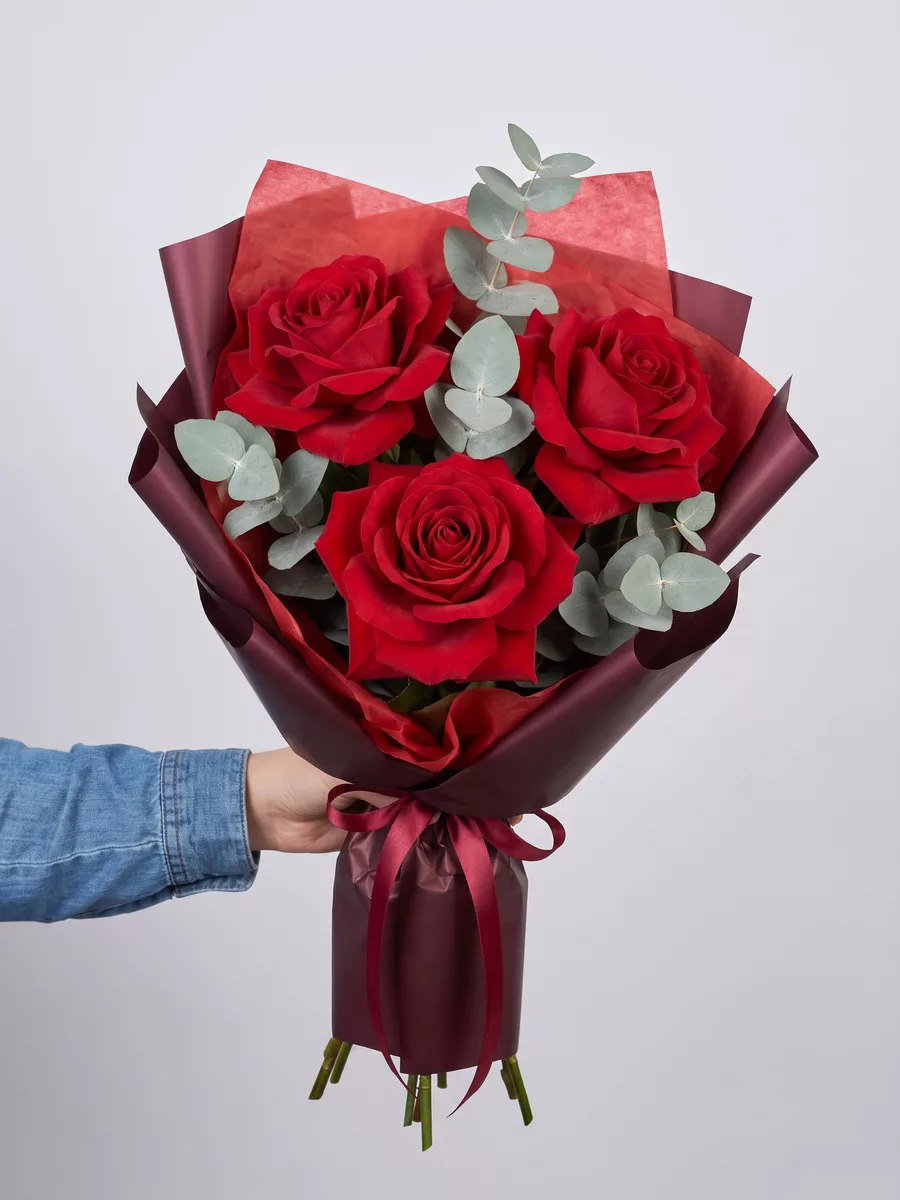
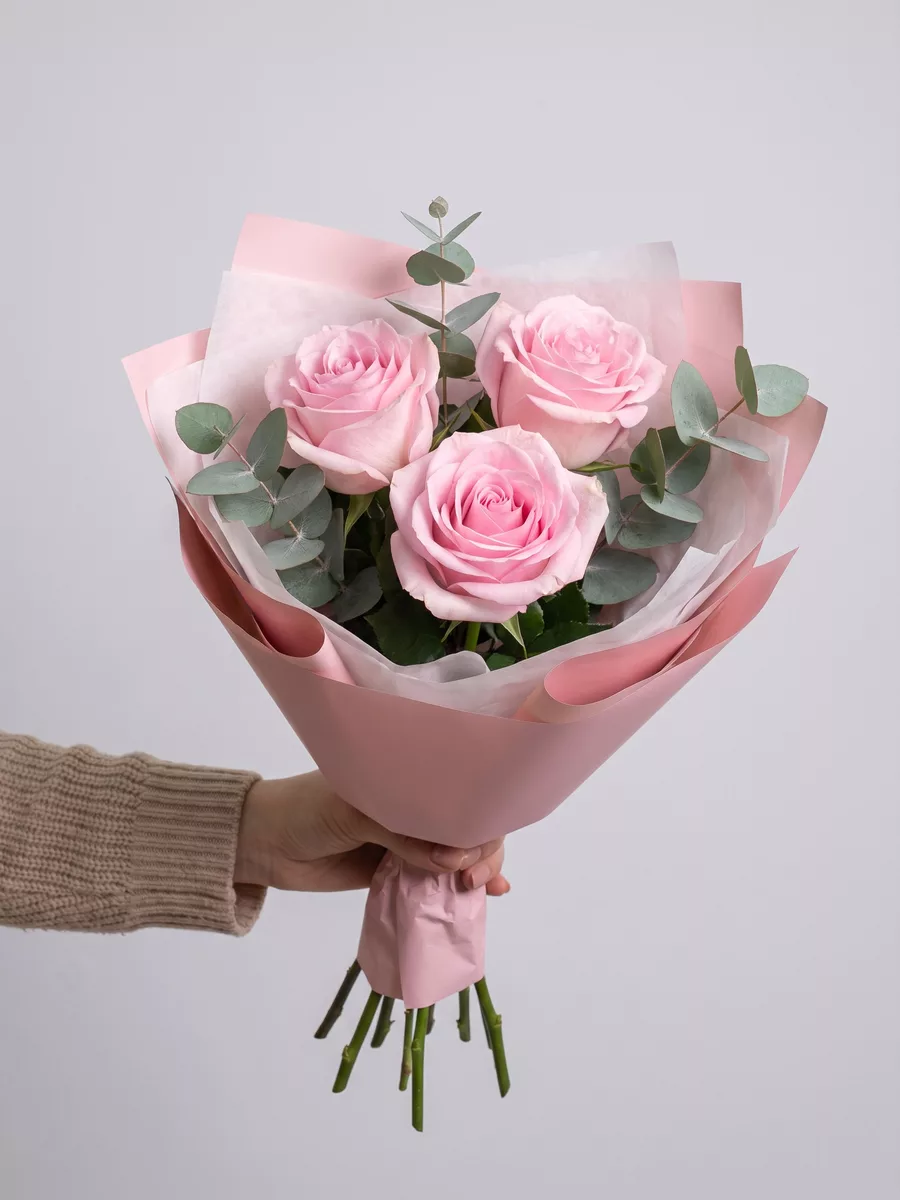
Delivery Timing: What One to Two Hours Actually Means Here
The one-to-two hour window is a real commitment, not a marketing phrase. It means that from the moment your order is confirmed and assembled, a courier is on the way. In Tatarsk, most central addresses fall within the shorter end of that range. The outer residential streets may use the full two hours, particularly during evening peaks or on public holidays when demand is higher across the region.
The best time slots for a guaranteed on-time delivery are mid-morning between ten and noon, and early afternoon between two and four. These windows avoid the school-run traffic near the central districts and the post-work rush that builds from half past five onward. If you are planning a birthday surprise for the end of a working day, ordering by three in the afternoon gives the most comfortable margin.
One timing detail that catches people out: Tatarsk operates on Omsk Time, which is UTC plus six. If you are coordinating from Moscow, that is a three-hour difference. If you are ordering from Europe or further, the gap is larger still. The checkout clock on our site reflects Moscow time by default, so double-check the local arrival time before confirming. A bouquet that arrives at seven in the morning when someone is still asleep is a smaller pleasure than one that greets them at the door when they are ready for it.
Choosing the Right Flowers for the Person, Not Just the Occasion
Before you think about which flowers to pick, think about who is receiving them. A retired schoolteacher in her sixties will likely respond differently to a tight bundle of garden roses than to a loose, airy arrangement of lisianthus and eucalyptus. A young colleague celebrating a promotion might appreciate the boldness of sunflowers mixed with orange gerbera far more than a classical all-white bouquet.
In Russian gifting culture, odd numbers of flowers are traditional for celebratory occasions — this is worth knowing if you are assembling a custom order. Even numbers carry a different association, so a bouquet of seven or nine stems feels more festive than six or eight. This is not a strict rule that everyone follows today, especially among younger recipients, but it is a custom that older generations notice and appreciate.
For a first impression — meeting someone's family, thanking a host, welcoming a new colleague — neutral and elegant combinations work best. White or cream spray roses with soft greenery such as ruscus or pittosporum are universally received well. They read as thoughtful without making a strong statement the sender cannot yet back up. For a close relationship where you know the person's taste, you have more room to be specific: deep burgundy peonies in season, bright ranunculus in spring, or a structural arrangement built around protea for someone who finds classic roses predictable.
Bouquets by Budget: Getting the Most from Every Price Point
A smaller budget does not mean a smaller impression — it means making smarter choices about which flowers carry the most visual weight per stem. Chrysanthemums, alstroemeria and carnations are often dismissed as budget flowers, but a well-composed mono-bouquet of white chrysanthemum pompons in kraft paper with a single accent of deep green foliage looks deliberate and considered rather than economical.
At a mid-range budget, you gain access to roses in longer stem lengths, which dramatically change the silhouette of a bouquet. A dozen standard roses looks quite different from a dozen roses on sixty-centimetre stems — the latter fills a room differently and holds in the vase longer because the stem has more stored energy. Mixing roses with complementary textures — waxflower, hypericum berries, or soft clouds of gypsophila — adds dimension without pushing the cost much higher.
At a higher budget, the choice shifts toward flowers that are harder to source in inland Siberian cities: garden roses with many-petalled heads, peonies during their short season from May to June, or imported ranunculus in pale blush and coral tones. These flowers are not just more expensive — they are genuinely harder to keep in transit across the distance to Tatarsk, which is part of what you are paying for. A bouquet at this level should be presented in a box rather than paper wrap to protect the heads during the final delivery leg.
Seasonal Flowers in Tatarsk: Working With the Climate, Not Against It
Tatarsk's continental climate creates a strong seasonal rhythm that affects which flowers arrive in the best condition. In winter, from November through March, the most reliable choices are flowers that travel well at low temperatures: roses, alstroemeria, solidago, and waxflower. These tolerate cold packaging and do not bruise as easily as thinner-petalled varieties during a Siberian January delivery.
Spring in Tatarsk arrives later than in Moscow — tulips and daffodils are at their best in late April and May, not March. Ordering these varieties in early spring means they have travelled further and may be past their peak. By mid-May, local growing conditions across the region improve, and the supply chain for fresh spring flowers shortens noticeably.
Summer is the most generous season for variety. Sunflowers, lisianthus, eustoma, and garden-style mixed bouquets all perform well when temperatures are managed correctly during delivery. The risk in July and August is heat damage rather than cold, so bouquets should be delivered directly to the recipient rather than left at a door or with a neighbour in a warm entrance hall.
Autumn brings its own palette: rich terracotta and rust tones from gerbera, the last dahlias of the season if you order early in September, and the satisfying weight of large-headed chrysanthemums. These suit the mood of the season and hold exceptionally well in a vase — often seven to ten days with proper care.
Packaging and Presentation: What Arrives at the Door
The packaging a bouquet arrives in is part of the gift, and it is worth knowing what to expect. Standard bouquets from our shop come wrapped in kraft paper or matte florist paper, tied with ribbon, with a small water sachet on the stem ends to keep them hydrated during transit. This format is practical for door delivery and looks clean when handed over directly.
Box arrangements are a separate format — flowers laid or arranged inside a flat or deep gift box, often with moss, preserved foliage, or dried accents as a base. These travel better in cold weather because the box protects the heads from wind and handling. They also photograph well, which matters when the recipient will share the moment. The trade-off is that box arrangements are harder to transfer to a vase, so they are better suited to a table display than a classic vase presentation.
For Tatarsk deliveries, we wrap all bouquets with an additional insulating layer in winter months. This is a practical step, not decoration — a rose bud exposed to minus fifteen for even a short time will blacken at the petal edges within hours of warming up. The insulation is removed by the courier before handover so the recipient sees the bouquet cleanly.
If you want to include a card, write the message during checkout. Cards are handwritten by our team in either Russian or English depending on your preference. Keep the message short — two or three lines read better on a small card than a paragraph does.
Keeping Your Flowers Fresh: Care After Delivery in Tatarsk
The care a bouquet receives in the first two hours after delivery determines most of its vase life. The single most important step is a fresh diagonal cut on each stem — use a sharp knife rather than scissors, which crush the stem tissue and reduce water uptake. Cut under running water or immediately place the stems in a clean vase to prevent air entering the stem end.
Water temperature matters more than most people realise. Lukewarm water, around twenty to twenty-five Celsius, is absorbed faster than cold water for most cut flowers. The exception is tulips and spring bulb flowers, which prefer cool water and a cool room. Roses, gerbera, and chrysanthemums all open more evenly in a warm room with fresh lukewarm water changed every two days.
In Tatarsk's dry winter interiors — central heating removes a great deal of moisture from the air — flowers dehydrate faster than in a more humid environment. Placing the vase away from radiators and direct sunlight extends vase life noticeably. A north-facing windowsill in winter is often the best spot: bright enough for the flowers to look their best, cool enough to slow the aging process.
Remove any leaves that fall below the waterline immediately — they rot quickly and introduce bacteria that shorten the life of every stem in the vase. A small amount of flower food sachet, usually included with delivery, dissolved in the vase water makes a measurable difference. If you do not have one, a pinch of sugar and a few drops of lemon juice in the water is a workable substitute.
Ordering flowers to Tatarsk is a straightforward process when you know the details that actually matter: the time zone difference, the seasonal strengths, the packaging that protects against Siberian cold, and the small care steps that double a bouquet's life once it arrives. The distance between the sender and the recipient does not have to show in the gift. A well-chosen, properly packed bouquet that arrives on time carries the same warmth as one handed over in person — sometimes more, because the effort behind it is visible.
Frequently asked questions
Can I order flowers to Tatarsk from another city or from abroad?
Yes, you can place an order from anywhere with internet access. The checkout accepts international cards and the address form works in both Russian and transliterated Latin script. Remember that Tatarsk runs on Omsk Time, UTC plus six, so factor in the time difference when choosing your delivery slot to make sure the bouquet arrives at a sensible hour.
What happens to the flowers if the recipient is not home at delivery time?
Our courier will call the recipient before arriving. If there is no answer, we contact the sender to decide the next step — rescheduling to a confirmed time is usually the cleanest option. We do not leave fresh bouquets unattended in building entrances or with neighbours, as temperature exposure and handling damage the flowers quickly.
Are there flowers I should avoid ordering to Tatarsk in winter?
Thin-petalled flowers like anemones and open garden roses with very large heads are more vulnerable to cold damage during the final delivery leg. Roses in bud, alstroemeria, chrysanthemums and lisianthus all travel reliably in cold weather. If you want peonies or open-headed garden roses in winter, a box arrangement with protective packaging is the safer format.
How do I write a message on the card if I do not speak Russian?
Write your message in English during checkout and our team will transcribe it onto the card as written. If you would like it translated into Russian, note that in the order comments and we will handle it. Most recipients in Tatarsk read Cyrillic, so a Russian message often feels more personal, but an English card is perfectly understood and appreciated.
What is the best flower choice for a birthday when I do not know the person's taste well?
A bouquet built around spray roses or lisianthus in neutral tones — white, cream, soft pink — with clean green foliage is almost universally well received. Avoid very dark or unusual colours for an unknown recipient, as these read as a strong personal statement. An odd number of stems, such as seven or nine, aligns with Russian celebratory tradition and will feel right to most recipients.
Ready to send flowers?
Pick the city, choose the bouquet, and a local florist takes it from there.
Choose a city →