Flower Delivery in Tavda: Timing, Choices and What Arrives at the Door
Tavda sits in the Sverdlovsk region, a quiet city surrounded by taiga and river landscape, where a bouquet arriving at someone's door feels genuinely special. Whether you are sending flowers to a mother for her birthday, congratulating a colleague on a promotion, or surprising a friend who moved there from a bigger city, the distance between you and the recipient does not have to show in the gift. Here is everything you need to know before you place an order.
Where in Tavda We Deliver and How the Geography Shapes Your Order
Tavda is a compact city, but its layout matters when you are planning a delivery. The central districts, including the areas around Lenin Street and the main administrative quarter, are straightforward to reach. Residential neighbourhoods further toward the river or on the outskirts of the city take a little longer, so it is worth adding a note about the exact address when you order, including the entrance number and floor if you are sending to an apartment building. Russian apartment buildings often have multiple entrances numbered separately, and a courier without that detail can lose ten or fifteen minutes at the wrong door.
The surrounding townships and villages in the Tavda district are handled on a case-by-case basis depending on road conditions, especially in winter when rural roads can be unpredictable. If you are sending to an address outside the city limits, contact us before placing the order so we can confirm availability and give you a realistic window.
One practical point worth knowing: in Russia it is completely normal to send flowers without announcing them in advance. The surprise element is part of the tradition. However, if the recipient lives alone and works unusual hours, it helps to have a phone number on the order so the courier can call ahead and coordinate. A bouquet left in a cold stairwell for two hours loses both its freshness and its emotional impact, and that is something we always try to avoid.
Bouquets we can deliver

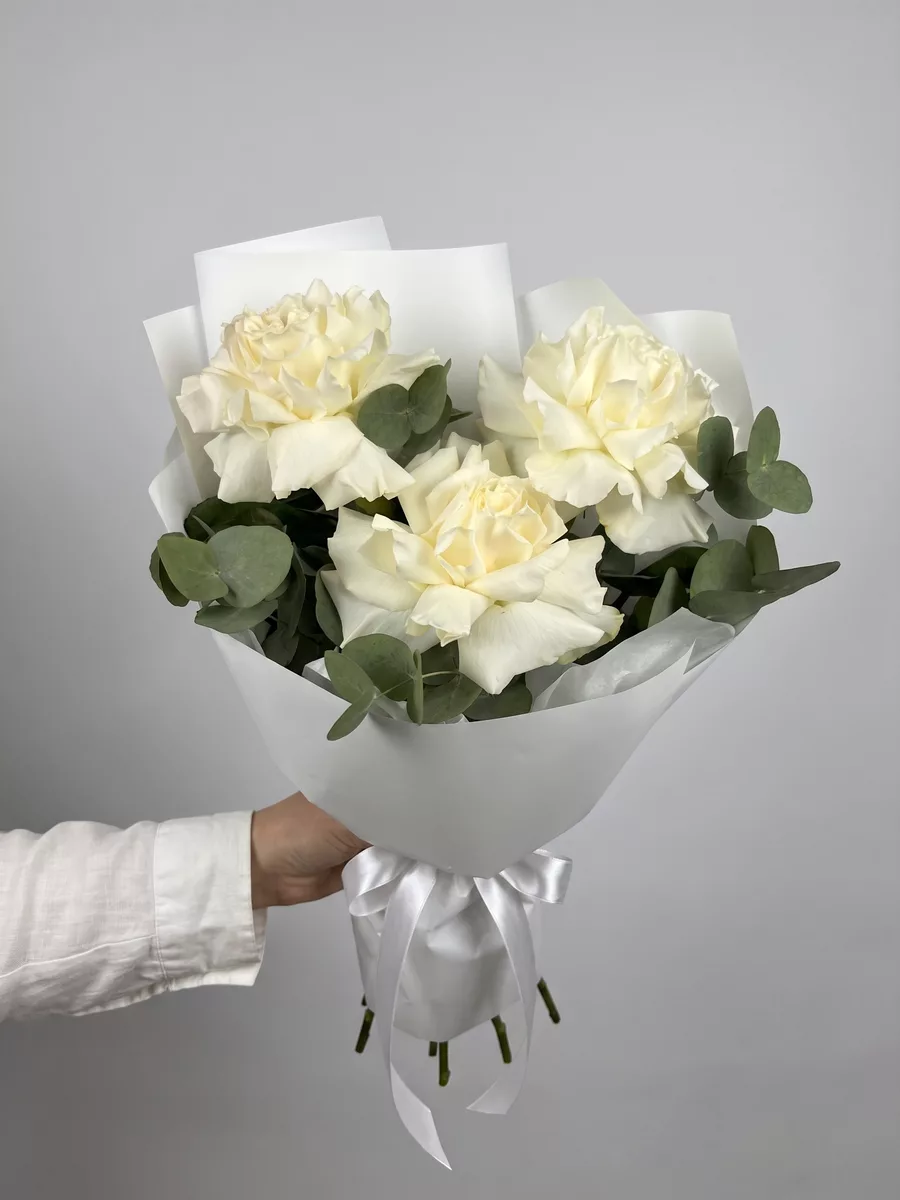
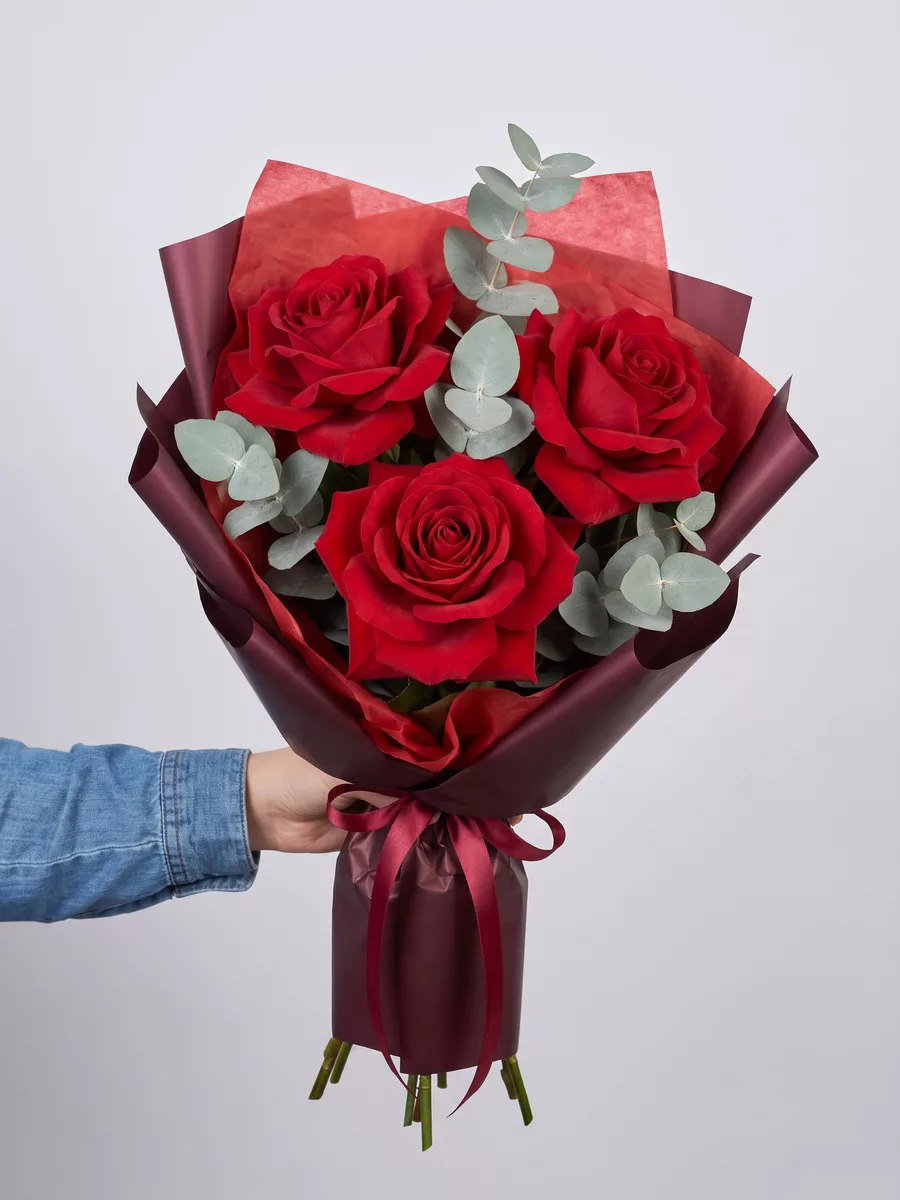
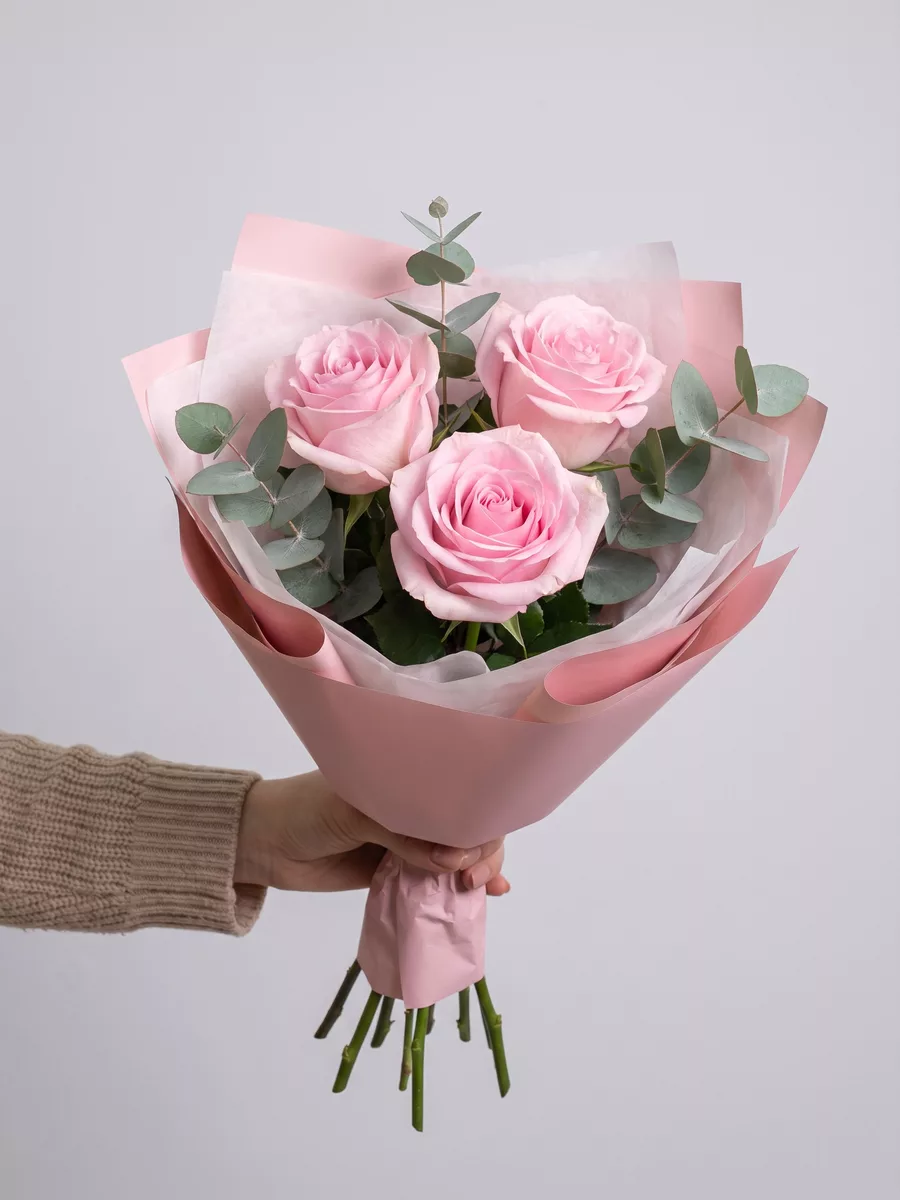
Timing Your Delivery: What One to Two Hours Actually Means in Tavda
Our standard delivery window across Russia is one to two hours from the moment your order is confirmed and assembled. In Tavda, that window holds for central addresses during regular hours. The bouquet is assembled fresh after your order comes in, not pulled from a shelf, which means the flowers you receive have not been sitting in a display case since morning.
The most popular delivery slots are mid-morning between ten and noon, and early evening between five and seven. If you are planning a birthday delivery and want the flowers to arrive before the celebration starts, ordering the evening before for a morning slot is the safest approach. Last-minute orders placed an hour before a party can work, but they leave no room for adjustment if anything unexpected comes up.
Winter in Tavda brings serious cold, sometimes dropping well below minus twenty Celsius in January and February. Every bouquet going out in those temperatures is wrapped in insulating kraft paper and protective sleeves to shield the blooms during transit. Roses and tulips are particularly sensitive to freezing — even a few minutes of exposure to extreme cold can cause the petals to blacken at the edges or the stems to go limp. We account for that at the packing stage, but it also means the recipient should bring the bouquet indoors and let it rest at room temperature for fifteen to twenty minutes before removing the wrapping, rather than unwrapping it immediately in the hallway.
Summer deliveries are smoother from a temperature standpoint, though heat above twenty-eight degrees Celsius can stress delicate flowers like lisianthus and garden roses, so we adjust the mix accordingly.
Choosing Flowers for the Occasion: Starting from the Person, Not the Catalogue
The best starting point is not which flower is most popular this season, but who is receiving the bouquet and what you want them to feel when they open the door. A woman in her sixties who gardens will likely respond more warmly to a loose, natural arrangement of alstroemeria, freesia and eucalyptus than to a tight formal bouquet of red roses, even though roses are the more obvious choice. A young colleague celebrating a new job might appreciate the energy of bright gerberas or sunflowers mixed with solidago, which gives the arrangement height and texture without looking stiff.
For romantic occasions, the classic combination of red or deep pink roses with white gypsophila works because it is immediately legible — the recipient understands the message before they read the card. But if the relationship is more established and you want something that feels more personal, consider a monochromatic arrangement of different rose varieties in blush, cream and soft coral. It reads as thoughtful rather than automatic.
Children's birthdays and school celebrations in Russia often call for bright, cheerful colours. Chrysanthemums in yellow and white, mixed with bright spray roses, hold up well and do not overwhelm a child's room with a heavy fragrance. For a teacher receiving flowers at the end of the school year, which is a strong tradition in Russia, a neat hand-tied bouquet of peonies in season or tulips out of season is always received warmly. The gesture matters as much as the specific flower, but choosing something that suits the person shows an extra level of care.
Budget Ranges and What You Actually Get at Each Level
It helps to think about budget not as a ceiling but as a guide to composition. At the entry level, a single-variety bouquet of seven or nine tulips, or a small hand-tied arrangement of spray roses and greenery, delivers genuine freshness and colour without feeling sparse. Odd numbers in Russian bouquet tradition signal celebration and life — even numbers are reserved for mourning occasions, so always go with five, seven, nine, eleven stems when in doubt. This is one of the most important customs to know if you are not familiar with Russian floral etiquette.
In the mid range, you can move into mixed bouquets that combine a focal flower like a standard rose or a peony with supporting textures: waxflower, pittosporum, ruscus or limonium. These combinations give the arrangement depth and make it look more considered. A bouquet at this level typically holds its shape and colour for five to seven days with basic care.
At the higher end, you are looking at premium varieties: Dutch garden roses with their layered petals, imported peonies during their short season from May to June, or orchid stems added to a mixed arrangement for drama and longevity. Orchids, particularly cymbidium stems used as cut flowers, last significantly longer than most other flowers and add an elegant, slightly unexpected note to any arrangement. Box arrangements and hat-box presentations also fall into this range and travel particularly well because the flowers are held in floral foam and do not shift during transit, which matters when the delivery route is longer.
What Happens When No One Is Home: Practical Solutions for Tavda Deliveries
This is one of the most common concerns when ordering to a city where you do not live yourself. The courier will call the recipient before arriving, which gives the person a chance to come to the door or arrange for a neighbour to accept the delivery. If the recipient is unreachable, the courier will wait a reasonable time and attempt contact again before returning.
If you know in advance that the recipient will be at work during the planned window, there are two good options. First, you can arrange delivery to their workplace — offices and schools in Tavda are entirely normal delivery destinations, and arriving flowers at a desk in front of colleagues is often more memorable than a quiet home delivery. Second, you can schedule the delivery for the evening when the person is home, which requires knowing their approximate schedule.
Leaving flowers unattended at a door is something we avoid, particularly in winter. A bouquet sitting in a cold stairwell for more than thirty minutes in minus-fifteen degree weather will suffer real damage, and the moment of joy you intended becomes a disappointing handful of frost-damaged stems. If there is any uncertainty about the recipient's schedule, it is worth sending a vague message like 'something is coming your way this afternoon' without spoiling the surprise entirely. That small heads-up protects the flowers and makes the delivery go smoothly for everyone involved. The emotional impact of a fresh, perfect bouquet at the door is worth the small coordination effort.
Caring for the Bouquet After It Arrives: Making It Last in Tavda's Climate
Tavda's climate is continental, meaning hot summers and genuinely cold winters with low indoor humidity when heating systems are running at full capacity. That dry indoor air is one of the main reasons cut flowers fade faster in winter than in summer, and it is something the recipient can actively manage.
The first step after receiving a bouquet is to trim the stems at an angle, about two centimetres from the bottom, using a sharp knife rather than scissors. Scissors crush the stem tissue, which reduces water uptake. The cut should be made under running water or immediately before placing the stems in a vase to prevent air from entering the stem. Room-temperature water works better than cold water for most varieties, with the exception of tulips, which prefer cool water to stay upright.
Keep the vase away from radiators and heating vents, which are common in Russian apartments during winter. A position near a window but away from direct sun and away from the heat source is ideal. Change the water every two days and re-trim the stems each time. Remove any leaves that fall below the waterline, as they rot quickly and cloud the water, creating bacteria that shorten vase life significantly.
Roses typically last seven to ten days with good care. Alstroemeria and chrysanthemums can go twelve to fourteen days. Tulips are shorter at five to seven days but are so cheerful in the vase that most people consider them worth it. Gerberas need their stems trimmed very short and benefit from shallow water, no more than five centimetres, because their hollow stems are prone to bending when the water column is too heavy.
Russian Floral Customs Worth Knowing Before You Order
If you are sending flowers to someone in Tavda and you are not familiar with Russian customs, a few points will help you avoid unintentional missteps and make the gesture land exactly as you intend.
The odd-number rule is the most important. As mentioned earlier, even numbers of flowers are associated with funerals and grief. Always choose an odd number of stems: seven roses, nine tulips, eleven mixed stems. This applies across all occasions except the ones we are not covering here. Most florists follow this automatically, but if you are customising an order with a specific stem count, keep it in mind.
Yellow flowers carry complicated associations in Russian culture. In some regions and among older generations, yellow flowers are associated with separation or the end of a relationship. This is not universal and younger recipients in cities often do not hold this belief, but if you are sending to someone older or more traditional, it is safer to choose a different colour or to mix yellow with other colours so it does not read as a single-colour yellow bouquet.
Presenting flowers in person involves holding them upright, blooms facing up, and handing them with both hands or the right hand as a sign of respect. Since you are sending rather than presenting in person, this is handled by the courier, but knowing the custom helps if you are ever in the situation yourself.
Finally, a handwritten card matters a great deal in Russian gift culture. A bouquet that arrives with a personal message, even a short one, feels complete. A bouquet with no card can feel impersonal or even mysterious in an uncomfortable way. Always include a note, even three or four words.
Sending flowers to Tavda from across Russia is a straightforward and genuinely rewarding thing to do. The city is well within our delivery network, the logistics are manageable with a little planning around timing and the recipient's schedule, and the arrival of a fresh bouquet in a place where such deliveries are still a real event carries more weight than it might in a larger city. Choose with the person in mind, follow the odd-number rule, include a card, and let the flowers do the rest.
Frequently asked questions
Can I order a flower delivery to Tavda on the same day?
Yes, same-day delivery to central Tavda addresses is available when you order during operating hours. The bouquet is assembled after your order is confirmed, so it arrives fresh. For morning deliveries, placing your order the evening before gives the smoothest experience, especially for important occasions like birthdays or anniversaries.
Why do Russian bouquets always have an odd number of flowers?
In Russian tradition, even numbers of flowers are associated with mourning and are brought to funerals. For any celebratory or affectionate occasion, odd numbers signal joy and life. This applies regardless of the flower type or colour. When in doubt, choose seven, nine or eleven stems and you will always be on the right side of the custom.
What flowers hold up best during a winter delivery to Tavda?
Chrysanthemums, alstroemeria and spray roses are the most cold-resilient cut flowers and travel well in low temperatures. Standard roses and tulips are more sensitive but are fully protected with insulating wrapping during transit. The recipient should let the bouquet rest indoors for fifteen minutes before unwrapping to avoid thermal shock to the petals.
Is it acceptable to send flowers to someone's workplace in Tavda?
Completely acceptable and often more impactful than a home delivery. Receiving flowers at an office or school in front of colleagues amplifies the moment in a way that many recipients genuinely enjoy. Just include the full workplace address, the recipient's full name and, if possible, a desk or department detail so the courier can locate them without delay.
Are yellow flowers appropriate to send in Russia?
Yellow flowers are a sensitive choice in Russian culture, particularly for older or more traditional recipients, as they can carry associations with separation. For a safe and universally warm reception, choose white, pink, red or mixed-colour arrangements. If you love yellow, combining it with other colours in a mixed bouquet avoids any unintended message while still bringing brightness to the arrangement.
Ready to send flowers?
Pick the city, choose the bouquet, and a local florist takes it from there.
Choose a city →