Sending Flowers to Timashevsk? Here Is What to Expect
Timashevsk sits in the heart of Krasnodar Krai, and when someone you care about lives there, distance should not make the moment feel smaller. Whether you are marking a birthday from across the country or surprising a colleague on a workday, a bouquet that arrives fresh and on time says everything words sometimes cannot. This guide walks you through how delivery works in Timashevsk, which flowers travel best in the local climate, and how to make sure what arrives at the door looks exactly as it did the moment it left our studio.
Which Parts of Timashevsk We Reach and How Quickly
Timashevsk is a compact city, and that works in your favour. The central districts around Lenin Street and the area near the railway station are typically the fastest to reach, often within the lower end of our one-to-two-hour window. Residential neighbourhoods further from the centre, including the private house sectors on the city's outskirts, take a little longer but still fall comfortably within our standard delivery timeframe.
We plan each route from our nearest preparation point so that flowers spend as little time in transit as possible. In summer, when temperatures in Krasnodar Krai regularly climb above thirty degrees Celsius, that planning matters. Roses and hydrangeas are the first to show heat stress if left in a warm car too long, so we time dispatch to match the route rather than batch deliveries together.
If you are sending to a workplace, it helps to know the building's entrance policy in advance. Many offices in Timashevsk require a called-down escort or a pass for visitors, which can add a few minutes. Letting the recipient know a delivery is coming — without spoiling the surprise entirely — means the bouquet does not wait in a lobby losing water. A simple message saying 'expect something today' is usually enough to keep things moving smoothly at the door.
Bouquets we can deliver


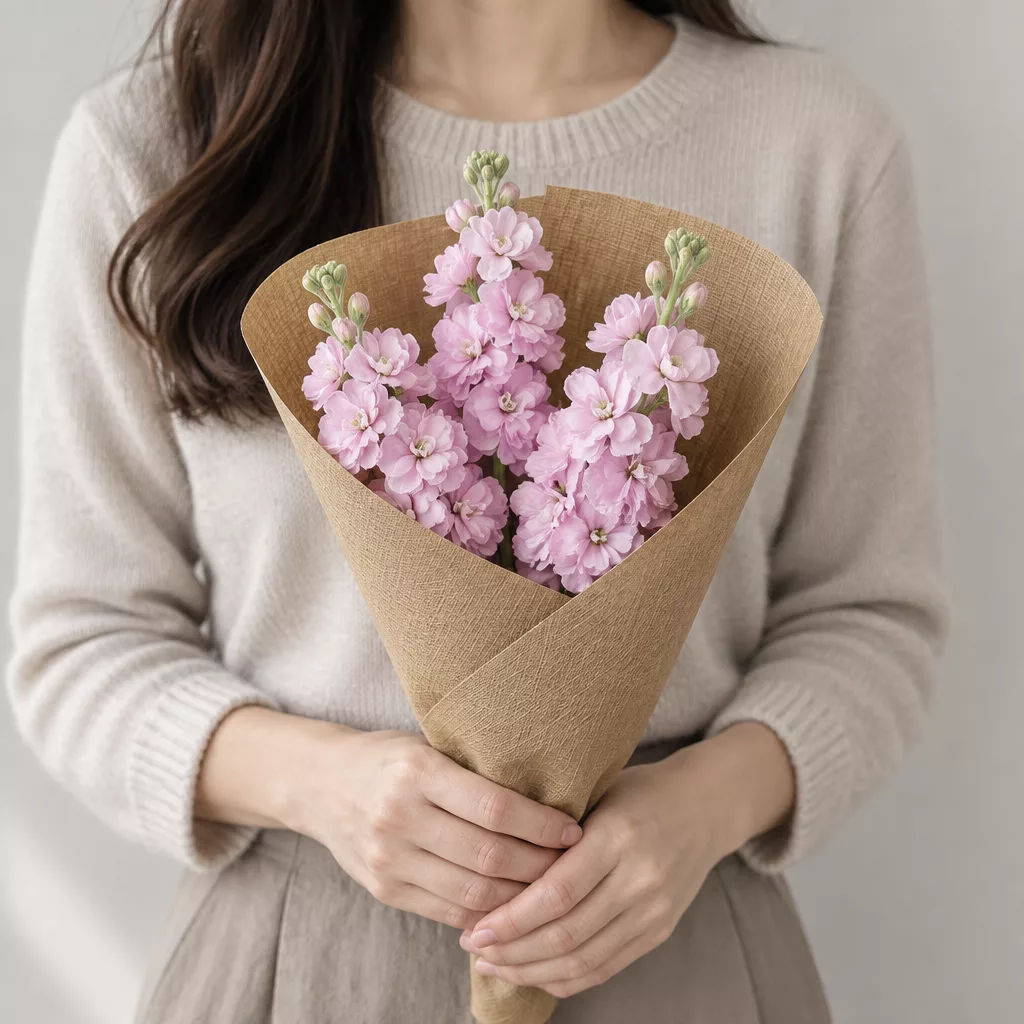
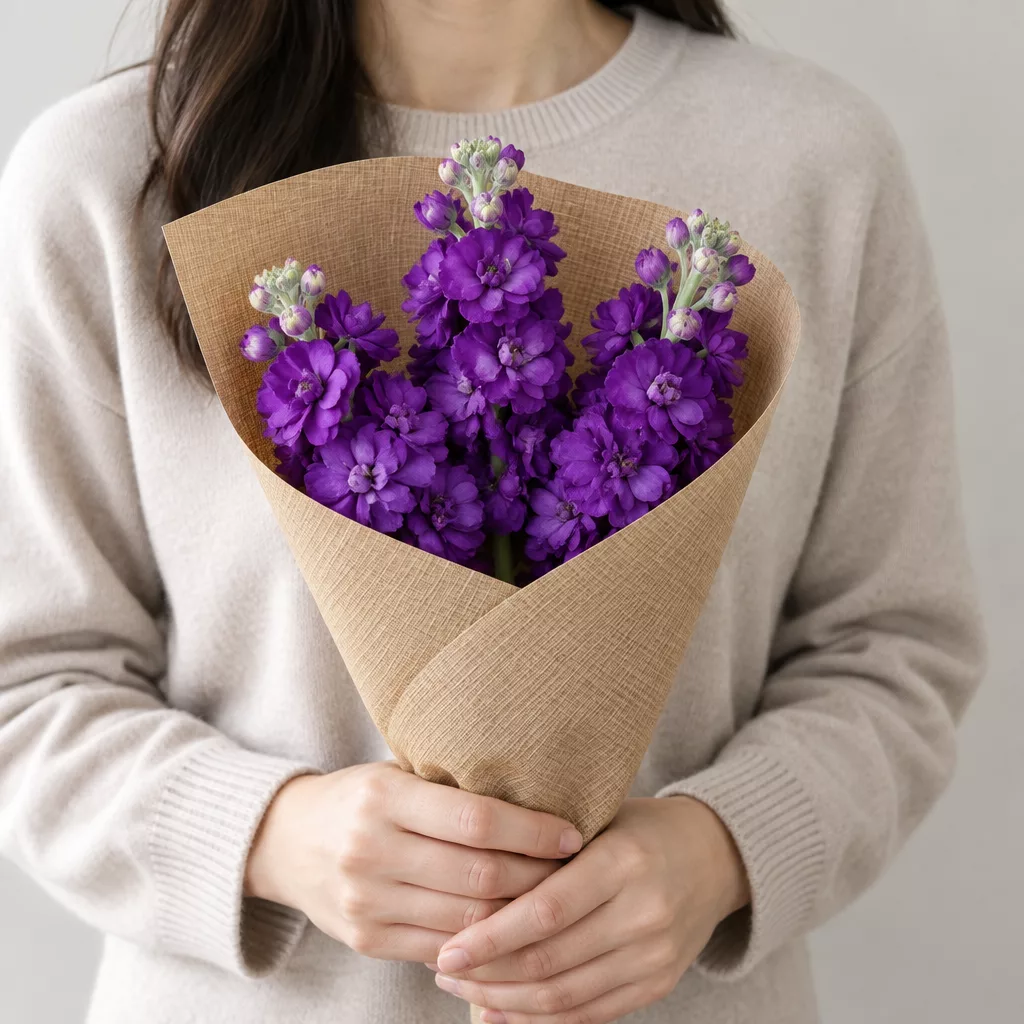
Timing Your Order for the Occasion That Actually Matters
The most common mistake people make when ordering flowers for someone in another city is leaving the decision until the morning of the event. For a birthday that starts at noon, an order placed at eleven gives very little margin. We recommend placing your order at least two to three hours before you want the bouquet to arrive, and earlier in the day is almost always better than later.
Evening deliveries in Timashevsk are possible, but keep in mind that residential areas can be harder to navigate after dark, and recipients are more likely to be unavailable or already asleep. If the occasion is a dinner or an evening celebration, aim for delivery in the late afternoon so the flowers are already in the room when the moment begins.
For significant dates like anniversaries or the first day of school — a tradition called the First Bell in Russia, celebrated on the first of September — we see a surge in orders. On those days, booking your slot the evening before is wise. Russian flower-giving culture tends to favour odd numbers of stems, so bouquets of five, seven, or eleven roses are common and feel natural to local recipients. Even numbers are traditionally reserved for mourning, so if you are unfamiliar with this custom, it is worth keeping in mind when you choose your arrangement. We handle this automatically in our compositions, but if you are specifying stem counts yourself, odd numbers are the right choice.
Choosing the Right Flowers for the Recipient, Not Just the Season
Think first about the person, not the calendar. A woman in her sixties who tends a garden at home will likely appreciate peonies or garden roses far more than an architectural arrangement of anthuriums. A young professional receiving flowers at work might prefer something compact and unfussy — a tight bouquet of spray roses or alstroemeria that fits neatly on a desk without dominating the space.
In Timashevsk's warm climate, hardy varieties hold up better in transit and in the home. Chrysanthemums, alstroemeria, and eustoma are all excellent choices for the summer months because they tolerate heat without wilting quickly. Roses are always welcome, but in July and August, opt for tightly budded stems rather than open blooms — they will open beautifully over the following days rather than arriving already past their peak.
For spring occasions, tulips and ranunculus bring a lightness that suits the season perfectly. Tulips in particular are beloved across Russia and carry a sense of optimism that makes them ideal for birthdays, graduations, and celebrations of new beginnings. Pair them with eucalyptus or ruscus for structure and you have a bouquet that looks considered without feeling overdone.
Winter deliveries call for a different approach. Roses and lilies travel well in the cold, and the lower temperatures actually help them last longer once inside. A bouquet of deep red roses with dark foliage looks striking against a snowy backdrop and feels genuinely seasonal rather than generic.
What the Bouquet Looks Like When It Arrives at the Door
Presentation is not an afterthought — it is the first thing the recipient sees, and it shapes how the whole gesture feels. We wrap every bouquet in a way that protects the stems and petals during transit while still looking beautiful when unwrapped. In summer, we use insulated packaging to buffer against heat. In winter, flowers are wrapped to guard against frost, which can damage petals in under a minute at temperatures below minus five degrees Celsius.
The bouquet arrives with a small water source for the stems, so even if the recipient cannot put them in a vase immediately, they are not sitting dry. This matters more than most people realise. Flowers begin to close their water-drawing channels within minutes of being cut and left without moisture, and that shortens their vase life noticeably.
If you have added a card message, it travels with the bouquet in a sealed envelope and is handed directly to the recipient. We do not read messages aloud or share them with anyone. The envelope stays closed until the recipient opens it.
What you see in the photo when you order is what arrives. We do not substitute varieties without contacting you first, and if a specific flower is unavailable on a given day, we will call or message to discuss alternatives before preparing anything. Transparency about what is in season and what is not is part of how we work, and it means there are no unpleasant surprises at the door.
Budgets and Combinations: Getting More from Your Order
A smaller budget does not mean a smaller impression — it means choosing the right flowers for that budget and letting them do the work. Alstroemeria, for example, is one of the most generous flowers available: a single stem carries multiple blooms, so a bouquet built around it looks full and considered without requiring a high stem count. Pair it with waxflower or limonium and the texture adds visual richness that reads as expensive even when it is not.
Mid-range budgets open the door to combinations that feel more curated. A mix of garden roses and eustoma in complementary tones — soft blush and ivory, or deep burgundy and white — creates the kind of arrangement that looks like it came from a thoughtful florist rather than a generic order. Adding a single focal flower, like a large-headed peony or a protea, gives the bouquet a clear centre of attention.
At the higher end, size and variety count. A large bouquet of Dutch roses in a single colour makes a bold, confident statement. Alternatively, a mixed arrangement with several flower types — roses, ranunculus, tulips, and foliage — creates something that feels abundant and seasonal, more like a gathered armful than a formal arrangement.
For corporate occasions or when you are sending to someone you do not know well, neutral palettes of white and cream with green foliage are universally safe. They read as elegant without making assumptions about personal taste, which matters when the recipient is a colleague or a business contact rather than a close friend.
Keeping Flowers Fresh After Delivery: What to Tell the Recipient
Most flowers arrive in good condition and then lose days of vase life because of simple mistakes at home. The biggest one is the vase itself — it needs to be genuinely clean, not just rinsed. Bacteria in a dirty vase are the fastest way to shorten the life of any cut flower. A vase washed with soap and hot water, then rinsed thoroughly, gives the stems a clean environment to draw water from.
Cut the stems at an angle before placing them in water, removing about two centimetres from the bottom. An angled cut increases the surface area that can absorb water and prevents the stem from sitting flat against the bottom of the vase where water flow is restricted. Use cool or room-temperature water, not warm — warm water encourages bacteria and speeds up the ageing process in most varieties.
Keep the bouquet away from direct sunlight, radiators, and fruit bowls. Fruit releases ethylene gas as it ripens, and ethylene accelerates petal drop in roses and carnations noticeably. A spot on a cool windowsill away from direct sun is ideal in summer. In winter, avoid placing flowers near heating vents, which dry the air around them quickly.
Change the water every two days and re-trim the stems each time. Alstroemeria and chrysanthemums can last two weeks or more with this care. Roses typically give seven to ten days. Tulips are shorter-lived but can be extended by keeping them in a cool room overnight. These small habits are worth passing on to the recipient, especially if they are not regular flower owners.
Russian Flower Customs Worth Knowing Before You Order
If you are sending flowers to someone in Timashevsk and you are not familiar with Russian gifting traditions, a few things are worth understanding so your gesture lands exactly as intended. The odd-number rule is the most important: bouquets of an odd number of stems are for celebration and joy, while even numbers carry associations with mourning. This is taken seriously across generations, and a bouquet of ten roses, however beautiful, can feel jarring to a Russian recipient. Our arrangements always follow this convention.
Flower colour carries meaning too, though less rigidly than the number rule. Red roses are romantic and passionate — they are an appropriate choice for a partner but can feel too intense for a colleague or a relative you are not particularly close to. Yellow flowers, which in some Western countries suggest friendship, are sometimes associated with separation or farewell in Russian tradition, particularly among older generations. White and pink are safe and warmly received across almost every occasion and relationship type.
Giving flowers for no reason at all is genuinely appreciated in Russian culture. You do not need a birthday or an anniversary to send a bouquet — a midweek delivery to say you are thinking of someone is considered a lovely and generous gesture. It is more common than in many other countries and is never seen as excessive.
Wrapping and presentation are taken seriously. A beautifully wrapped bouquet signals care and intention. Arriving with flowers that look casually assembled or poorly packaged undermines the gesture, which is why we put real attention into how every order leaves our studio.
Sending flowers to someone in Timashevsk is straightforward when you know what to expect and plan your order with a little thought. Choose varieties that suit the season and the person, time your delivery to match the occasion, and trust that what arrives at the door will look as good as it did when it left us. The small details — the right stem count, the clean vase, the cool spot away from the radiator — are what turn a nice gesture into one that is genuinely remembered.
Frequently asked questions
Can I order flowers for same-day delivery to Timashevsk?
Yes, same-day delivery is our standard service. Place your order at least two to three hours before you need the bouquet to arrive. For busy dates like the first of September or major public holidays, ordering the evening before gives you a more comfortable margin and ensures your preferred flowers are available.
What happens if no one is home when the flowers arrive?
Our courier will call the recipient on arrival. If there is no answer, we will contact you as the sender to decide how to proceed. We can wait briefly, attempt redelivery, or leave the bouquet with a neighbour if you authorise it. We never leave flowers unattended in a location where they could be damaged by heat or taken.
Which flowers last longest in Timashevsk's warm summer climate?
Chrysanthemums, alstroemeria, and eustoma are the most heat-tolerant and typically last ten to fourteen days with proper care. Tightly budded roses also travel and last well in summer. Avoid ordering fully open peonies or garden roses in peak heat months — they are beautiful but reach their peak quickly once temperatures rise.
Can I include a personalised message with the bouquet?
Absolutely. When you place your order, there is a field for your card message. We print or handwrite it, seal it in an envelope, and it travels with the bouquet. The message is completely private and handed directly to the recipient. There is no character limit that would force you to shorten a meaningful note.
Do I need to be in Russia to order delivery to Timashevsk?
No. Many of our customers order from other countries for friends and family living in Russia. The order process works entirely online, payment is handled securely, and we will keep you updated on delivery status by message. The time difference is worth factoring in — place your order early enough that it does not fall in the middle of the night local time.
Ready to send flowers?
Pick the city, choose the bouquet, and a local florist takes it from there.
Choose a city →