Sending Flowers to Tobolsk? Here Is Everything You Need to Know
Tobolsk sits at the confluence of the Irtysh and Tobol rivers, a city of genuine Siberian character where a well-chosen bouquet lands with real weight. Whether you are ordering from Moscow for a birthday across the country, or you live in Tobolsk itself and want flowers at a colleague's door before noon, the distance and the climate both matter. This guide walks you through what delivery actually looks like here — the neighbourhoods we reach, the timing you can count on, and the flowers that survive the journey looking the way they should.
Which Parts of Tobolsk We Deliver To
Tobolsk is a city of two distinct levels: the Lower Town, which spreads along the riverbank with its residential districts and markets, and the Upper Town on the hill, home to the kremlin and older streets. Both areas are within our delivery zone, and so are the newer residential developments that have grown along the outskirts toward the Tyumen highway. We cover central streets, the Microrayon districts, and the areas near the railway station without any gap in service.
The address detail matters more in Tobolsk than in a larger city. Many buildings share courtyard entrances, and the numbering in some Soviet-era blocks follows a logic that is not always obvious to outsiders. When you place your order, include the building number, the entrance number if there is one, and the floor. A phone number for the recipient is essential — our courier will call ahead to confirm arrival, which also gives the person a moment of anticipation before the door opens.
If you are sending to a workplace, note the organisation name and any reception or security desk procedure. Some offices in the city centre require a pass, and knowing this in advance means the flowers do not wait in a lobby. We handle these situations routinely, but the more information you give us, the smoother the handover. A bouquet that arrives cleanly, without confusion, makes the moment feel effortless for everyone involved.
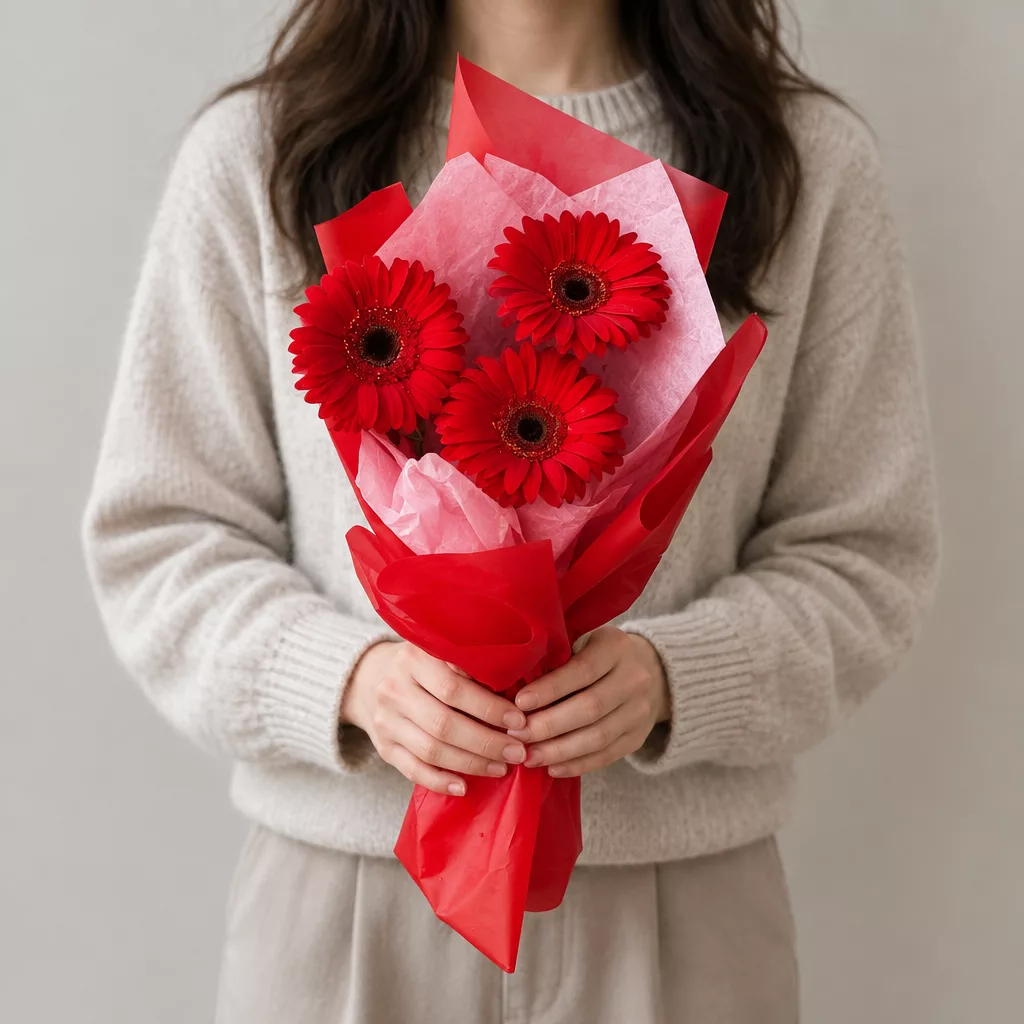
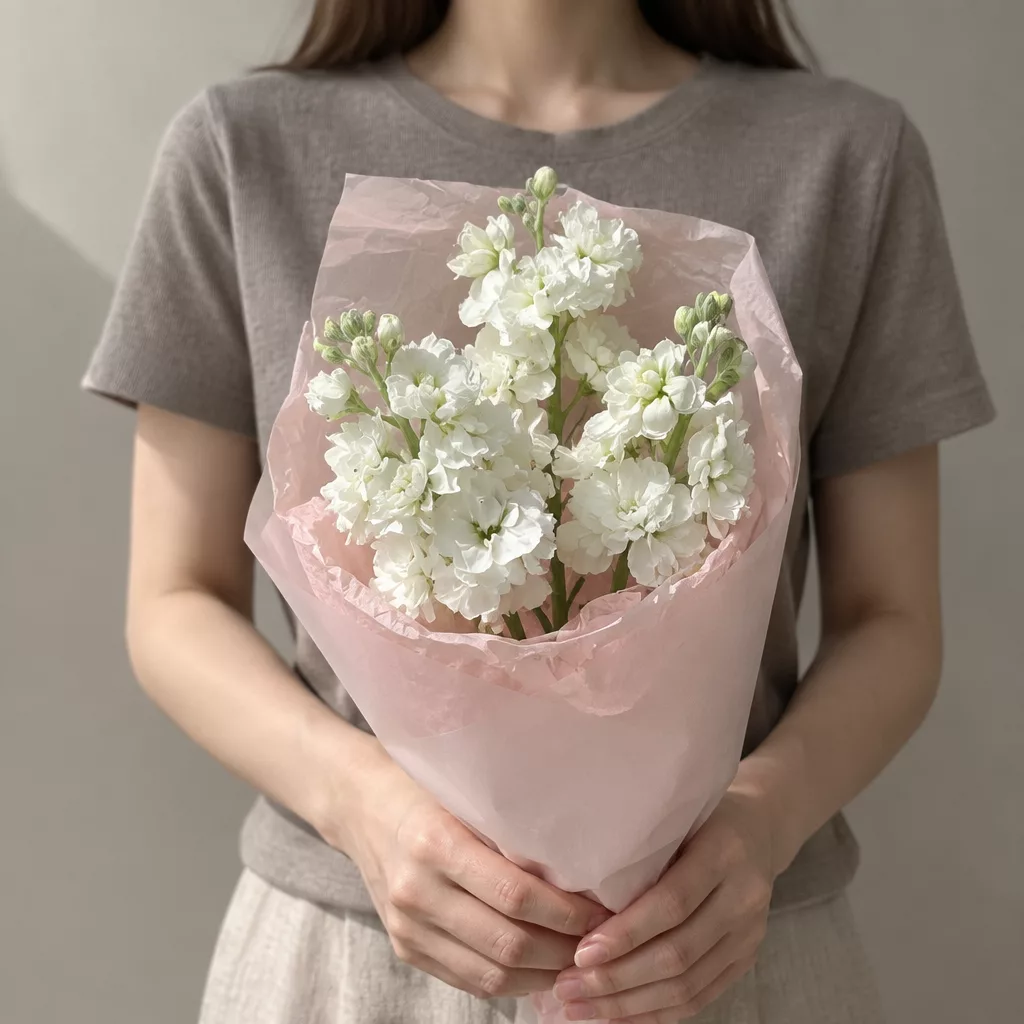
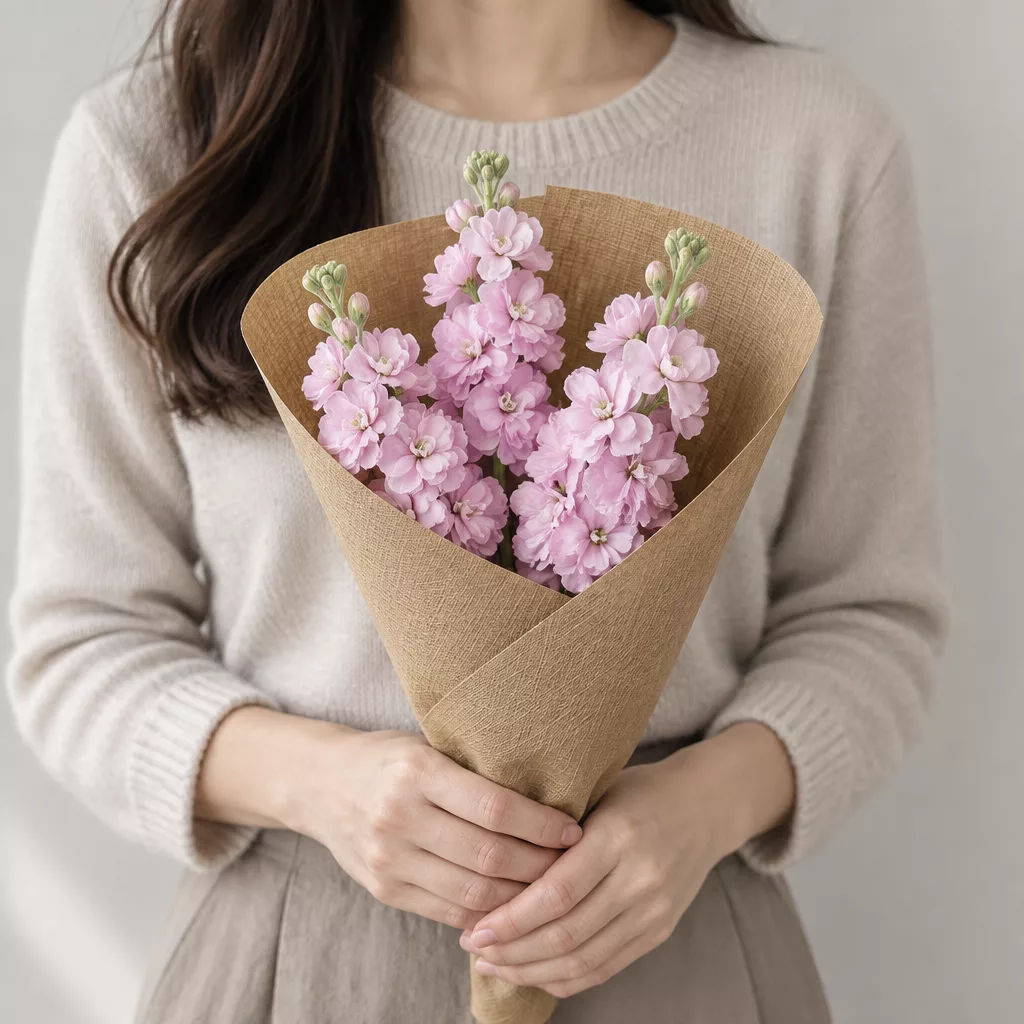
Bouquets we can deliver

Delivery Timing and What the Windows Actually Mean
Our standard delivery window in Tobolsk runs from one to two hours from the moment your order is confirmed. That window is not a vague promise — it reflects the actual drive time across the city combined with the time needed to assemble your bouquet fresh before it leaves. We do not pull pre-made arrangements from a shelf. The flowers are cut, conditioned and arranged after your order arrives, which is why the bouquet your recipient holds looks the way it does.
For morning deliveries, the earliest slot opens at nine. This works well for birthdays where you want the flowers on the table before the day begins. Evening deliveries run until nine at night, which covers after-work celebrations and spontaneous gestures. If you need a delivery at a specific hour — say, exactly at noon for a lunch surprise — choose the timed option at checkout and we will coordinate accordingly.
Same-day ordering is available as long as you place the order at least ninety minutes before your chosen window. Orders placed after eight in the evening are fulfilled the following morning. This matters if you are working across time zones: someone in Saint Petersburg ordering for a recipient in Tobolsk should check the local Tobolsk time, which is two hours ahead of Moscow. A small detail, but it changes whether a birthday bouquet arrives on the day or the morning after. We flag this at checkout to help you get it right.
Choosing Flowers for the Siberian Climate
Tobolsk winters are serious. Temperatures regularly fall to minus twenty-five Celsius between November and February, and even October and March carry sharp frosts. This affects which flowers travel well and how we pack them. Roses, spray carnations and chrysanthemums handle cold transport better than tropical varieties because their cell structure is denser. Tropical flowers such as anthurium and bird of paradise are far more sensitive to freezing temperatures and can show cold damage — blackened petals or limp stems — within minutes of exposure.
In winter, every bouquet leaving our workshop is wrapped in insulating kraft paper and then a thermal sleeve before it goes into the courier bag. This is not decorative packaging — it is functional protection for a ten-to-twenty-minute journey in conditions where the air outside the vehicle is genuinely hostile to cut flowers. If your recipient lives in a building where the courier must wait outside, we factor that into the packing.
In summer, Tobolsk is warm and sometimes humid, which brings its own challenge. Delicate flowers like sweet peas and garden roses with many petals can wilt faster in heat above twenty-five degrees. For summer deliveries in afternoon heat, we recommend flowers with stronger stems and tighter blooms: lisianthus, alstroemeria and standard roses hold their shape well. Mentioning the season when you call or message us lets the florist suggest what will genuinely look best when it arrives, not just what photographs well in the catalogue.
Reading the Occasion Before You Choose the Bouquet
In Russia, flowers are given far more freely than in many other countries — for birthdays, name days, school events, professional anniversaries, promotions, first days at a new job and simple visits to a friend's home. If you are not familiar with this culture, it can feel like there is always an occasion, and that is essentially correct. The bouquet you choose should match the register of the event, not just the person.
For a close friend's birthday, a loose, garden-style arrangement of ranunculus, eucalyptus and spray roses reads as personal and considered. For a professional milestone — a promotion, a successful defence of a thesis, a retirement — a structured bouquet of white or cream roses with clean greenery signals respect without being stiff. For a new mother, soft colours work better than saturated ones: pale peach tulips or blush alstroemeria feel gentle rather than overwhelming.
Colour carries meaning in Russian tradition, though the rules are softer than they once were. Red roses remain the most romantic gesture and are read that way clearly. White flowers are associated with purity and new beginnings rather than mourning in most contexts. Yellow flowers, once considered unlucky in older tradition, are now widely given and received without any negative connotation, especially sunflowers and yellow tulips. If you are uncertain, a mixed palette with a dominant warm tone — coral, peach, soft orange — is almost universally well received and avoids any ambiguity.
Bouquet Options Across Different Budgets
A thoughtful bouquet does not require the largest spend, but it does require the right combination. At a modest budget, a single-variety bouquet done well — fifteen tulips in a strong colour, or a dozen alstroemeria in mixed shades — makes a clean, generous impression. Alstroemeria is particularly good value because each stem carries multiple blooms, so the arrangement looks full without needing many stems. Tulips in season, which in Russia runs from February through April at peak quality, are fresh, bright and universally liked.
In the mid range, combinations open up. A florist's favourite at this level is roses paired with waxflower or gypsophila — the secondary flower softens the structure and adds texture without competing. Lisianthus mixed with eucalyptus and a few stems of veronica gives a bouquet that looks expensive and holds for ten days or more with basic care. These combinations photograph beautifully, which matters when the recipient will share the moment.
At a higher budget, peonies when in season, garden roses with many-petalled blooms, or orchid arrangements shift the register entirely. A box arrangement — flowers packed into a hatbox or wooden crate rather than a traditional bouquet — is a format that has become genuinely popular in Russia over the last several years. It travels well, sits on a table without a vase, and looks striking in photographs. For someone who receives flowers often, a box arrangement feels like a considered upgrade rather than a standard gift.
How to Keep the Flowers Fresh Once They Arrive
Cut flowers need three things to last: clean water, a cool position away from direct heat, and trimmed stems. When the bouquet arrives, unwrap it promptly — leaving flowers in packaging for more than an hour after delivery traps moisture and accelerates bacterial growth. Cut each stem at an angle under running water or submerged in a bowl, removing about two centimetres. The diagonal cut increases the surface area through which the stem drinks.
Remove any leaves that would sit below the waterline in the vase. Submerged leaves rot quickly and cloud the water, which then blocks the stem and shortens vase life significantly. Change the water every two days, re-cutting the stems each time. This single habit extends the life of most bouquets by three to five days. A small amount of the flower food sachet that comes with the bouquet added to fresh water helps, but clean water changed regularly matters more than any additive.
Position the vase away from radiators, sunny windowsills and fruit bowls. Ripening fruit releases ethylene gas, which accelerates the ageing of cut flowers noticeably — roses and carnations are particularly sensitive to it. A cool hallway or a spot on a shaded table is ideal. In winter, do not place flowers near a window through which cold drafts enter; in summer, avoid the warmest corner of the room. With these steps, roses typically last seven to ten days, alstroemeria ten to fourteen, and chrysanthemums up to three weeks.
Making the Order Feel Personal From a Distance
Ordering flowers for someone in Tobolsk when you are in another city is a common situation, and the distance does not have to make the gesture feel impersonal. The message card is the element most people underestimate. A handwritten-style card printed with your words and placed inside the bouquet is what the recipient reads first, before they even look closely at the flowers. Keep it specific rather than generic: a line about a shared memory, a reference to something only the two of you would understand, or simply the reason you are sending flowers today rather than a stock phrase.
You can also personalise the wrapping colour and ribbon. In Russia, the presentation of a bouquet is considered part of the gift itself — the wrapping is not torn off and discarded the way it might be with other presents. Choosing a kraft paper wrap for a natural, unfussy look, or a coloured tissue for something more festive, is a real decision that shapes how the bouquet is received.
If the person you are sending to has a known preference — they always mention loving peonies, or they have said they find roses too formal — include that in your order notes. Our florists read these notes and use them. A bouquet built around what someone actually loves, rather than what is most popular, is the one that gets photographed and remembered. That is the difference between a transaction and a gesture, and it costs nothing extra to communicate it.
Tobolsk is not a city where flowers arrive by accident — it takes a real logistics commitment to deliver fresh bouquets to a Siberian city reliably, in all seasons, to every part of town. When you order through Turboflora, you are not hoping something will get there. You are working with a team that has thought through the cold, the addresses, the timing and the flowers themselves. The person on the other end of that delivery opens a door to something that was genuinely made for them, chosen with care, and arrived the way it was meant to.
Frequently asked questions
Can I order flowers for delivery in Tobolsk on the same day?
Yes, same-day delivery is available as long as you place your order at least ninety minutes before your chosen delivery window. Orders must be placed before eight in the evening local Tobolsk time. If you are ordering from a different time zone, check the local time in Tobolsk, which is two hours ahead of Moscow, before confirming your slot.
Do flowers survive the cold during winter delivery in Tobolsk?
Yes, with the right packing. Every winter bouquet is wrapped in insulating kraft paper and a thermal sleeve before it goes into the courier bag. We choose varieties that tolerate cold transport better — roses, carnations and chrysanthemums rather than tropical flowers, which are vulnerable to freezing temperatures. The courier moves quickly to minimise exposure time.
What is the latest time I can schedule a flower delivery in Tobolsk?
Evening deliveries run until nine at night local Tobolsk time. If you want a delivery at a specific hour rather than within a window, use the timed delivery option at checkout. This is useful for surprises timed to a meal, a meeting or a specific moment in the recipient's day.
Which flowers last longest after delivery in Tobolsk's climate?
Chrysanthemums and alstroemeria are the longest-lasting cut flowers, often holding for two to three weeks with proper care. Lisianthus and carnations also have excellent vase life of ten to fourteen days. Roses last seven to ten days when stems are re-cut and water is changed every two days. In summer heat, avoid delicate varieties like sweet peas for long-lasting results.
Can I include a personal message with the bouquet?
Yes, and we strongly recommend it. A message card printed with your words is placed inside every bouquet. Write something specific to the person and the occasion rather than a generic phrase — it is usually the first thing the recipient reads and the detail they remember longest. You enter your message text at checkout with no character limit.
Ready to send flowers?
Pick the city, choose the bouquet, and a local florist takes it from there.
Choose a city →