Sending Flowers to Trekhgorny? Here Is What to Expect
Trekhgorny is a closed city in the southern Urals, and sending flowers there takes a little more planning than a standard city order — but it is entirely possible, and when the bouquet arrives it makes a real impression precisely because flowers are not something people there receive every day. This guide walks you through timing, variety choices, packaging for the journey, and the small details that turn a delivery into a moment someone actually remembers.
Understanding Delivery to a Closed City Like Trekhgorny
Trekhgorny holds a special administrative status in Russia, which means entry to the city requires a pass. This affects deliveries in a practical way: the courier cannot simply drive to the door the way they would in an open city. The recipient or a person they designate typically needs to meet the order at the checkpoint or at an agreed point just outside the restricted perimeter. This is completely normal and nothing to worry about — it just needs to be planned in advance.
When you place your order, let us know the situation clearly. Give us the recipient's phone number so we can coordinate the handoff directly with them. Most people in Trekhgorny are used to this arrangement and know exactly where to meet a delivery. If you are sending a surprise, you can still keep the bouquet a secret while arranging the logistics — we can say we have a parcel without revealing who it is from.
Delivery to Trekhgorny comes from Chelyabinsk, which is the nearest major city and our dispatch point for this region. The drive takes roughly two to two and a half hours depending on road conditions and the season. Winter in the southern Urals can add time, so orders placed in the morning have the best chance of arriving the same day. We always recommend ordering at least four to five hours before you need the flowers to be in someone's hands.
Bouquets we can deliver

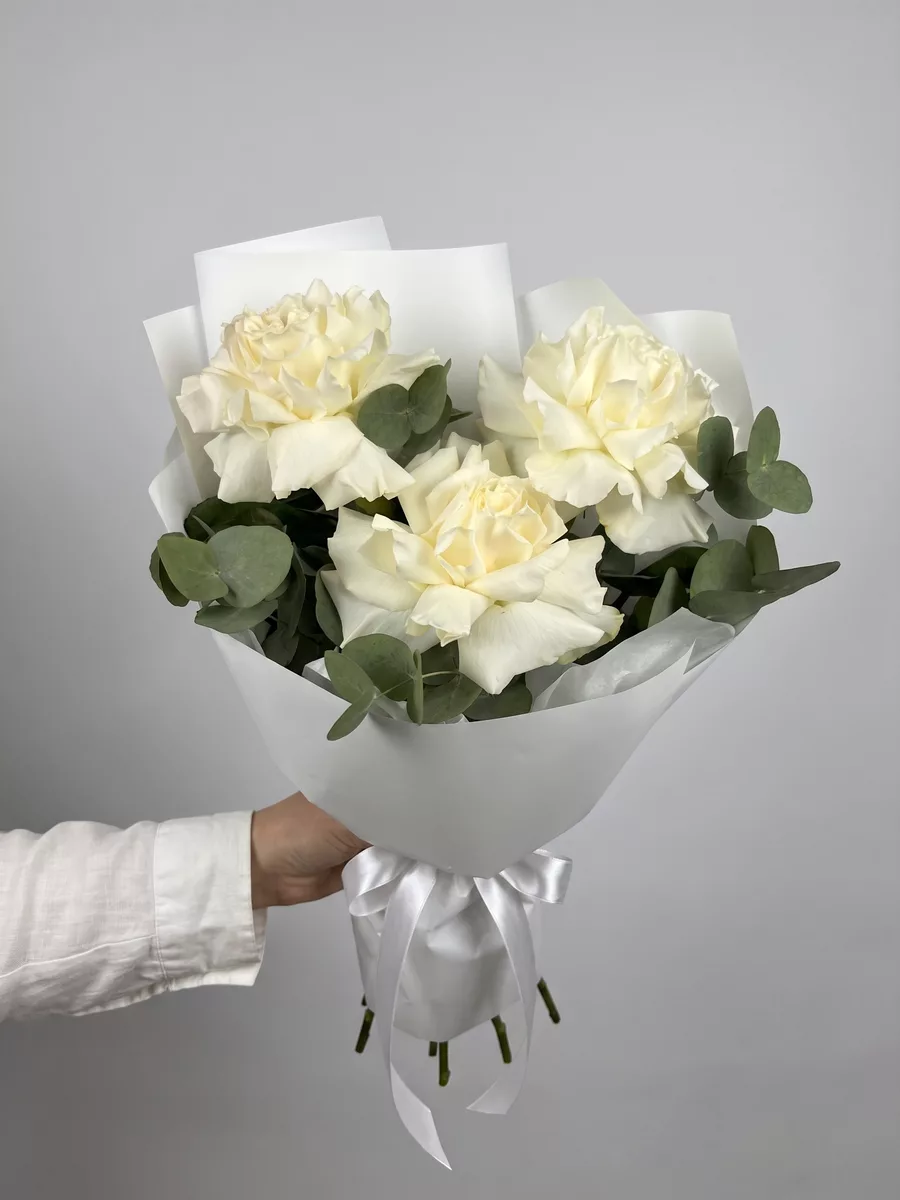
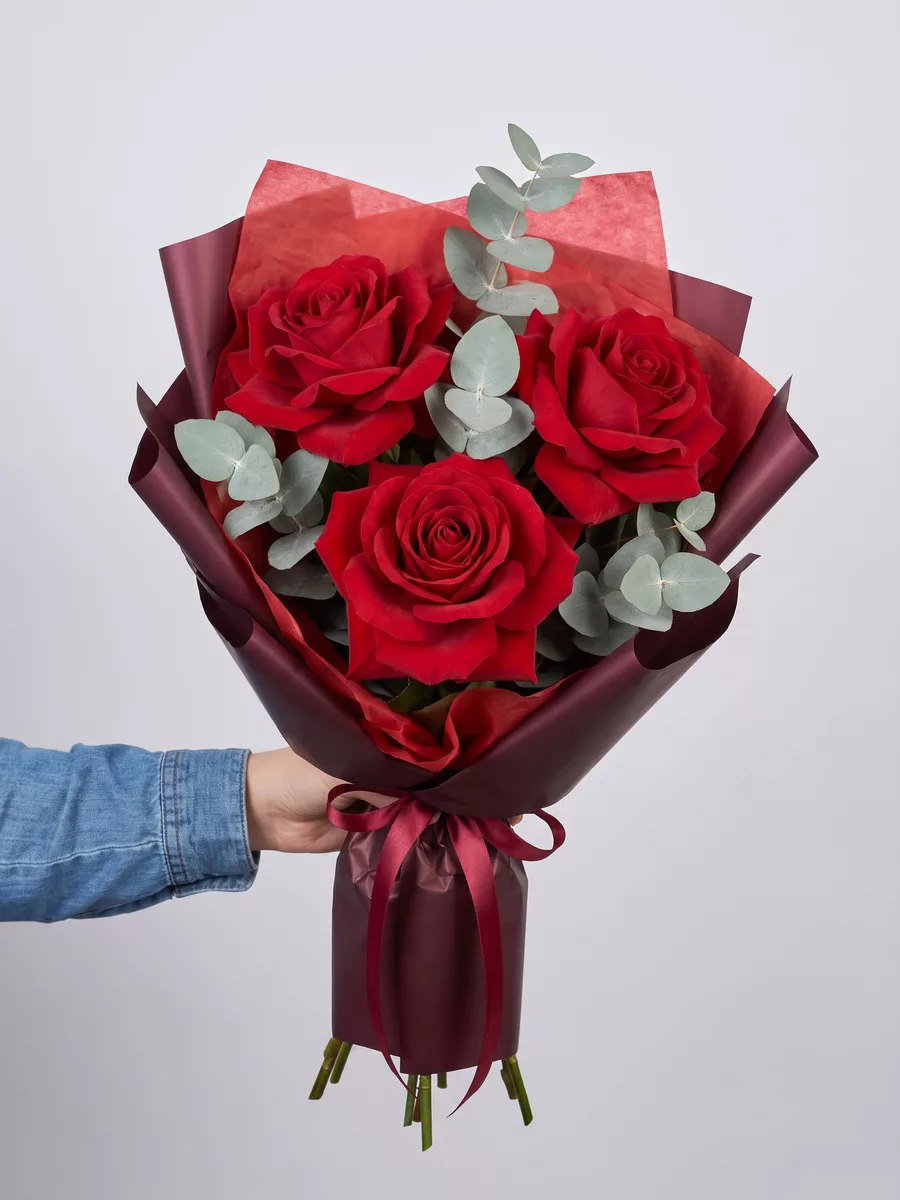
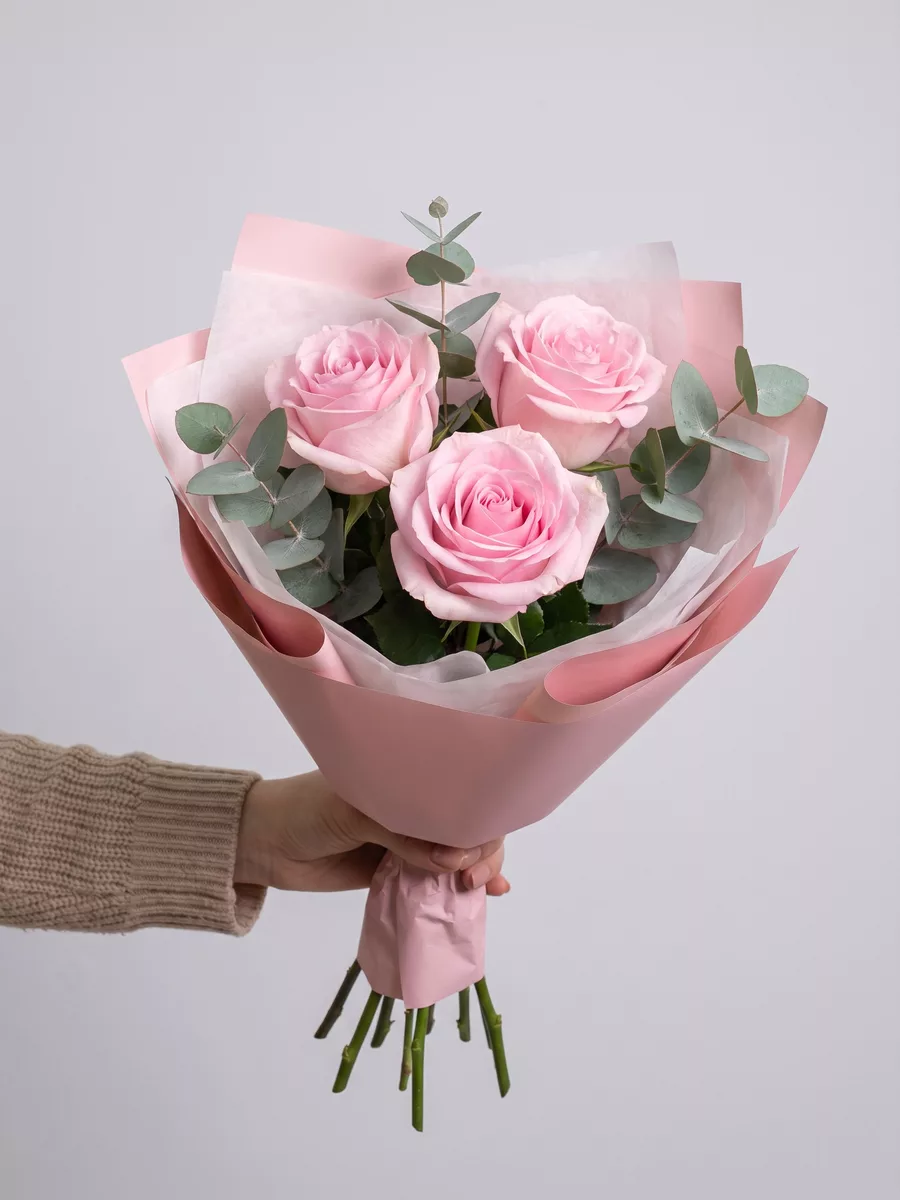
Timing Your Order So the Flowers Arrive Fresh
The window between cutting and delivery is the single most important factor in how good a bouquet looks when it is unwrapped. Roses begin to show stress after about eight hours out of water in warm conditions. Chrysanthemums and alstroemerias are more forgiving and can travel four to five hours comfortably if they are wrapped correctly and kept away from direct sun or heat vents inside the vehicle.
For Trekhgorny, we build the bouquet to handle the road. Stems are cut at an angle, the lower leaves are stripped to prevent rot, and the arrangement is wrapped in a moisture-retaining inner layer before the decorative paper goes on. In summer, we add a small water-absorbing pad at the base of the stems — a simple florist's trick that adds two or three hours of safe travel time without making the package bulky or heavy.
Winter is actually easier for long-distance flower delivery than summer. Temperatures between zero and five degrees Celsius slow the flowers' metabolism without freezing them, which is ideal. The risk in winter is the transition from cold to warm: when a bouquet moves from a cold car into a heated apartment, condensation forms on the petals. We wrap winter bouquets in an extra insulating layer for exactly this reason, and we ask recipients to let the arrangement rest at room temperature for ten minutes before unwrapping it fully. That small pause prevents petal bruising and keeps the colours vivid.
Choosing Flowers That Travel Well to the Urals
Not every flower is a good traveller. Delicate open garden roses with many petals can bruise on a bumpy road. Fully open peonies, which are stunning in a shop, may arrive with bent heads after two hours in motion. The best choices for a long delivery are flowers that are slightly under-open when they leave us and reach full bloom in the recipient's home over the next day or two. That way the journey works in your favour rather than against you.
Spray roses are an excellent choice — the clusters of smaller blooms are naturally protective of one another and arrive looking neat. Standard roses in bud form travel very well; a tight red or coral bud that opens over forty-eight hours in a vase is often more impressive than a flower that was already open when it left. Alstroemeria, also called Peruvian lily, is one of the most road-hardy flowers available and comes in soft pinks, warm oranges, whites and purples. Eustoma, sometimes called lisianthus, looks like a delicate garden rose but is surprisingly sturdy and lasts eight to twelve days in a vase.
For greenery and texture, eucalyptus branches add a clean, fresh scent and hold their shape over long distances without wilting. Ruscus and pittosporum are also reliable. Avoid adding large tropical leaves like monstera to a road bouquet — they fold and crease in wrapping. A well-chosen combination of spray roses, alstroemeria and eucalyptus makes a bouquet that looks considered and arrives in excellent condition.
Matching the Bouquet to the Person and the Occasion
In Russian culture, flowers are given far more often than in many Western countries — for birthdays, of course, but also for professional achievements, school graduations, first meetings, national holidays and simply as a way of saying that someone matters. If you are sending flowers to someone in Trekhgorny and you are not sure about the occasion's weight, it is always better to lean toward something generous rather than minimal. A small bouquet can feel like an afterthought when it has travelled a long way.
For a birthday, think about the recipient's personality before you think about a colour palette. Someone who works outdoors or has a practical nature often responds more warmly to bold, saturated colours — deep burgundy roses, rich orange alstroemerias — than to pale pastels. Someone who decorates their home with care and attention to detail will appreciate a more composed arrangement with a clear colour story: all creamy whites and soft greens, or a gradient from blush to deep rose.
For a romantic gesture, red roses remain the clearest signal in Russian tradition, but a mix of red and white roses reads as equally sincere and is visually more interesting. For a colleague or a teacher — both very common occasions for flower-giving in Russia — white, yellow or light pink flowers are appropriate and avoid any romantic misreading. If you are celebrating a new baby, soft yellows and whites work for any gender and feel fresh rather than clichéd. Tell us about the person when you order and we will suggest a combination that fits.
Presentation Details That Make the Difference
The wrapping is not decoration — it is part of the gift. In Russia, a well-presented bouquet signals that the sender put thought into the choice, not just money. Kraft paper with a simple ribbon reads as modern and understated. Layered wrapping with a contrasting inner colour — say, white paper inside dark green — gives the bouquet a sense of depth when it is held. We can add a handwritten card, which remains more personal than a printed message and is still the norm for significant occasions.
Box arrangements are increasingly popular for long deliveries because the box protects the flowers on all sides and doubles as a display piece. A recipient in Trekhgorny who receives a hat box of roses does not need a vase immediately — the box itself holds the arrangement, which matters if the person is at work or away from home when the delivery is met at the checkpoint. Box arrangements also photograph well, which is relevant if the recipient will share the moment.
For very long-distance orders, we sometimes suggest a mixed arrangement that includes both fresh flowers and dried or preserved elements — dried cotton stems, preserved eucalyptus, dried pampas grass. These elements do not wilt under any travel conditions and add texture and longevity to the bouquet. A fresh rose surrounded by dried grasses looks intentional and artistic rather than compromised. The fresh flowers still carry the emotional weight of the gift, and the preserved elements ensure the whole thing looks beautiful even if the journey takes longer than expected.
Caring for the Flowers Once They Arrive
The first thirty minutes after a bouquet arrives are the most important for its vase life. The stems should be re-cut under running water at a forty-five degree angle — this reopens the stem's water channels, which compress slightly during transport. Use a clean, rinsed vase: soap residue and mineral deposits from previous use can shorten flower life by two or three days. Fill the vase with cool, not cold, water. In winter, room-temperature water is actually better than water straight from the tap, which can be very cold in Ural winters.
Remove any leaves that would sit below the waterline. Submerged leaves rot quickly and cloud the water, which introduces bacteria that block the stems. Change the water every two days, re-cutting the stems each time by a centimetre. This routine sounds demanding but takes about three minutes and doubles the time the flowers look their best. A sachet of flower food, which we include with every order, contains a mild biocide and a small amount of sugar that feeds the blooms — dissolve the whole sachet in the vase water on day one.
Keep the vase away from direct sunlight, radiators and fruit bowls. Fruit, especially apples and bananas, releases ethylene gas as it ripens, and even small amounts of this gas accelerate petal drop in roses and alstroemerias noticeably. A windowsill in winter sun looks beautiful but shortens vase life. A spot on a table or sideboard away from heat sources keeps roses fresh for six to eight days and alstroemerias for ten to twelve.
Getting the Order Right: What to Tell Us When You Book
A delivery to Trekhgorny works smoothly when we have the right information from the start. The most important details are: the recipient's full name and mobile number, the delivery address or the agreed meeting point near the checkpoint, and the date and preferred time window. If the recipient is a pass-holder who can come to a specific gate, tell us which one. If they need to arrange someone else to collect the order, let us know so we can time the call accordingly.
Tell us about the occasion, even briefly. 'Birthday, she loves pink' or 'Thank you gift for a male colleague, nothing too romantic' gives us enough to make a good choice if you are ordering a curated bouquet rather than a specific arrangement. If you have seen something on our site that you want exactly, describe it or reference the name — we will confirm whether the varieties are available for that date, since seasonal availability varies.
Note any allergies if you know of them. Some people are sensitive to strongly scented flowers like lilies or freesias. Lilies also leave orange pollen that stains fabric, so we sometimes suggest removing the stamens before placing lilies in a home with light-coloured furnishings — we can include a note about this with the bouquet. If the recipient has a cat, it is worth knowing that true lilies are toxic to cats, and we can suggest equally beautiful alternatives like eustoma or spray roses that carry no risk. These small details make the difference between a gift that is simply received and one that is genuinely appreciated.
Sending flowers to Trekhgorny is not complicated once you understand the rhythm of it — a morning order, a quick coordination call, the right varieties chosen for the road, and a recipient who knows to meet the courier. The closed-city logistics are a small extra step, not a barrier, and the fact that flowers arrive from outside the city at all makes the gesture more memorable. Turboflora handles the distance and the detail; you handle the occasion.
Frequently asked questions
Can you deliver flowers directly to a door in Trekhgorny?
Because Trekhgorny is a closed city, direct door delivery is not possible without a pass. In practice, the recipient meets the courier at an agreed point near the checkpoint. We coordinate this directly with the recipient by phone, so the process is straightforward and does not require you to manage the logistics yourself.
How far in advance should I order for Trekhgorny?
We recommend placing your order at least four to five hours before you want the flowers in the recipient's hands. A morning order — before 10 or 11 a.m. — gives the best chance of same-day arrival. For weekend deliveries or major holidays like March 8th, ordering the day before is strongly advised as demand across the region increases significantly.
Which flowers last longest after a two-hour delivery journey?
Alstroemeria, spray roses, eustoma and chrysanthemums are the most road-hardy options and typically arrive in excellent condition. Standard roses in tight bud form also travel well. We build every long-distance bouquet with travel in mind, cutting stems fresh and wrapping them to retain moisture, so the flowers open beautifully once they are in a vase at home.
Is it possible to send a surprise bouquet if the recipient needs to meet the courier?
Yes, absolutely. We call the recipient to arrange the meeting point without revealing who the flowers are from or what is being delivered. We simply say there is a delivery that needs to be collected. You can include a card with a personal message that the recipient reads only after unwrapping the bouquet, keeping the surprise intact right up to the moment they open it.
What happens to the flowers in very cold Ural winter temperatures?
We wrap winter bouquets in an insulating layer specifically to handle the cold between the vehicle and the recipient's home. Temperatures just above freezing are actually good for flowers in transit. The key risk is rapid warming, so we advise recipients to let the wrapped bouquet rest indoors for ten minutes before opening it — this prevents condensation from forming on the petals and bruising the blooms.
Ready to send flowers?
Pick the city, choose the bouquet, and a local florist takes it from there.
Choose a city →