Sending Flowers to Troitsk? Here Is Everything You Need to Know
Troitsk sits at the southwestern edge of New Moscow, and for anyone ordering flowers here — whether for a birthday in Academichesky microdistrict or a housewarming near the science centre — the question is always the same: will they arrive fresh, on time, and looking the way they did in the photo? The answer depends on knowing the area, the season, and a few details about how flowers actually travel. This article covers all of that plainly, so your next order lands exactly as you imagined it.
Where in Troitsk We Deliver and Why the District Matters
Troitsk became part of Moscow administratively in 2012, but it still feels like a self-contained town — compact, green, with a strong scientific community and residential neighbourhoods that are easy to navigate once you know them. Delivery covers the full territory: the central part around Oktyabrsky Prospekt, the residential clusters near Troitsk Science Centre, the newer housing estates closer to Kaluga Highway, and the private house sectors on the outskirts.
The distinction between apartment buildings and private houses matters for delivery. In apartment blocks, the courier can typically reach the door within the building. In the private house sector, addresses sometimes lack clear numbering, so including a landmark or a short description in your order notes genuinely helps — something like 'green gate, second house after the transformer box' saves time and keeps the bouquet from sitting in a car longer than necessary.
Troitsk also has a few gated residential complexes where security requires advance notice. If you are sending to one of these, mention it when ordering. We handle the coordination, but knowing in advance means the flowers do not wait at a barrier while someone tracks down the recipient. A bouquet of ranunculus or garden roses can lose its posture quickly in a warm car, so every minute of unnecessary waiting counts against the final impression.
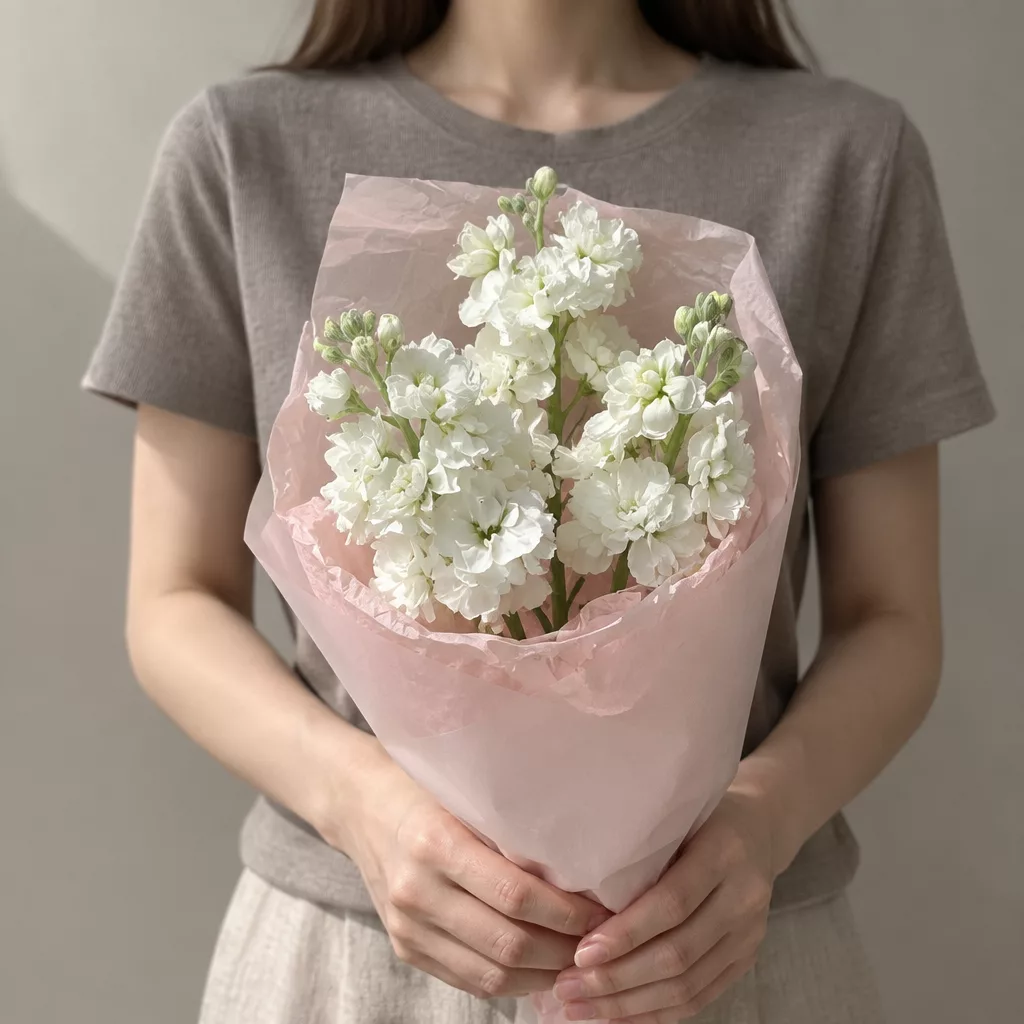
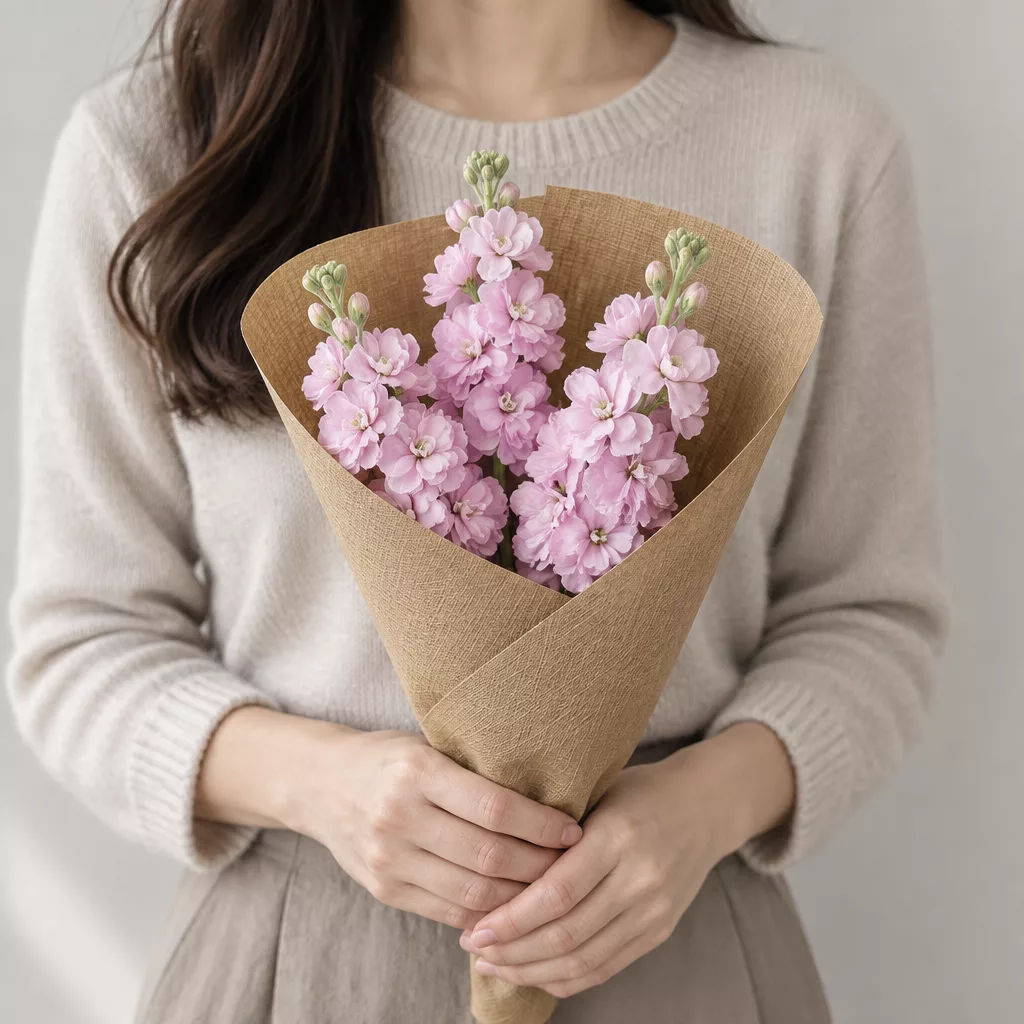
Bouquets we can deliver


Delivery Timing: What One to Two Hours Actually Means
The one-to-two-hour window is not a marketing phrase — it describes a real logistics commitment. From the moment your order is confirmed and assembled at our Saint Petersburg facility or dispatched from the nearest staging point, the clock runs. For Troitsk, the route typically runs via Kaluga Highway, which in off-peak hours is straightforward. During morning rush between roughly eight and ten, or evening congestion between five and eight, add a realistic buffer of thirty to forty minutes and plan accordingly.
If you are ordering for a specific moment — the end of a school concert, the arrival at a restaurant, a birthday breakfast — build in that buffer yourself rather than ordering at the last minute. A bouquet of peonies or hydrangeas that arrives twenty minutes after the moment still brings joy, but arriving during the event itself is a different feeling entirely.
Same-day delivery in Troitsk works well when orders come in before early afternoon. Late-evening orders are possible but depend on the time of year and current demand. In the days before major flower holidays — March 8th, Valentine's Day, September 1st — volume across Moscow and New Moscow spikes sharply, and slots fill faster than people expect. Ordering the evening before is a habit that experienced senders develop after one missed window. The flowers will be just as fresh; the peace of mind is considerably better.
Choosing the Right Bouquet for the Troitsk Recipient
Troitsk has a character that influences what works well as a gift. It is a town built around science and academia, with a population that skews educated and internationally minded. Elaborate, showy arrangements with excessive filler and ribbon sometimes feel out of place here. What tends to land better is something considered: a tight cluster of garden roses in a single tone, a structural arrangement of eucalyptus and white lisianthus, or a loose, meadow-style bouquet of cosmos and scabiosa in summer.
For a colleague or a teacher — and Troitsk has many of both — restraint reads as respect. A monochromatic bouquet of tulips in spring or a clean bundle of white freesias carries more weight than an overstuffed mixed arrangement. Freesias also have the advantage of fragrance, which travels the moment the wrapping opens and creates an immediate sensory impression.
For a romantic occasion, texture and depth matter more than size. Combining garden roses with sweet peas, or ranunculus with dusty miller, gives the arrangement a softness that feels personal rather than purchased. For a housewarming — common in Troitsk's newer residential areas — consider something that works in a vase the recipient might not own yet: a tall, single-stem arrangement of amaryllis or a low, wide cluster of chrysanthemums that sits comfortably on a windowsill without requiring a specific vessel. Think about where the flowers will live, not just how they will look in the moment of giving.
Seasonal Realities: What Grows Well and What Travels Well
Moscow's climate means that what is available and what survives transport shifts considerably across the year. Winter in Troitsk is genuinely cold — January temperatures regularly drop below minus fifteen Celsius — and this affects flower delivery in both directions. Cold air can damage delicate petals on unprotected stems, but it also means flowers stay cool during transport, which is actually beneficial for longevity. The practical risk is the last thirty seconds: moving a bouquet from a warm car into freezing outdoor air and then into a warm hallway causes condensation and sometimes petal damage on thin-petalled flowers like anemones or ranunculus.
In winter, sturdier choices travel better: spray roses, alstroemeria, and standard chrysanthemums handle temperature transitions more gracefully. Tulips are a winter staple and arrive in abundance from Dutch growers between January and March — they are reliably fresh and far more affordable than in summer. Peonies, beloved in Russia and often given at celebrations, are a late spring and early summer flower; ordering them in December means accepting imported stems that have travelled long distances and may not last as long.
Summer in Troitsk brings heat that creates the opposite problem: flowers sitting in a warm car for even twenty minutes can wilt noticeably. Sunflowers, which are a popular summer gift, are actually more heat-tolerant than they look. Delicate garden roses and sweet peas are the most vulnerable. In July and August, morning delivery is the safest choice for heat-sensitive arrangements, and mentioning that the recipient may not be home until evening is information worth including in your order.
Presentation and Wrapping: What the Recipient Actually Sees First
The wrapping is the first thing the recipient touches, and it shapes the experience before a single flower is seen. In Russian gift culture, presentation carries real weight — an unwrapped bouquet handed over directly reads as careless, regardless of how beautiful the flowers are. The paper, the ribbon, and the way the stems are gathered communicate that someone thought about the moment.
For Troitsk deliveries, we wrap according to the season and the bouquet type. In winter, an outer layer of kraft paper protects stems from cold air and also gives the bouquet a warm, artisan feel when unwrapped. In summer, lighter wrapping in linen-texture paper lets the colours show through and keeps the arrangement from overheating. Cellophane, while common in mass-market shops, traps humidity against the stems and can accelerate rot — we avoid it for that reason.
A handwritten card adds something no digital message replicates. Even three sentences feel more personal than a typed note, and in Russian gift-giving tradition, the card is often kept long after the flowers have gone. If you are sending from abroad or writing in English to a Russian-speaking recipient, a short message in either language is completely appropriate — the gesture of writing by hand matters more than the language.
If you have a specific colour scheme in mind — say, the recipient's apartment is all white and you want the bouquet to complement it — include that in the order notes. Florists work with that kind of context readily and it leads to a result that feels genuinely tailored rather than generic.
Vase Life and Care: Making the Flowers Last in a Troitsk Home
A bouquet that arrives beautifully and wilts in two days is a disappointment that lingers. The difference between a five-day vase life and a ten-day one comes almost entirely from the first hour after the flowers arrive. Most recipients do not know this, and a short note with the delivery can change the outcome entirely.
The first step is always a fresh cut — at an angle, with sharp scissors or a knife, never torn. Cutting at an angle increases the surface area through which the stem draws water. Removing any leaves that will sit below the waterline prevents bacterial growth, which is the main reason water turns cloudy and smells unpleasant within days. Cloudy water is not just aesthetic; it blocks the stem and shortens vase life significantly.
Troitsk homes, like most Moscow-area apartments, are heated to around twenty-two to twenty-four Celsius in winter — warm enough to accelerate flower ageing. Placing the vase away from radiators and direct sunlight is the single most effective thing a recipient can do. A cool hallway or a north-facing windowsill will keep roses and lisianthus fresh for days longer than a sunny kitchen counter.
Different flowers have different needs. Tulips continue to grow in the vase and will bend toward light, so rotating the vase daily keeps them upright. Chrysanthemums are forgiving and last well with simple care. Hydrangeas are thirsty and benefit from misting the flower heads directly in addition to keeping the vase full. Knowing the variety you sent allows you to include a specific care note, which recipients genuinely appreciate — it shows the gift was thought through completely.
Common Mistakes When Ordering to Troitsk and How to Avoid Them
The most frequent problem is an incomplete address. Troitsk has several streets with similar names, and some of the newer residential developments have addresses that do not yet appear reliably in navigation systems. Always include the building number, entrance number if applicable, and a phone number where the recipient can be reached — not to spoil a surprise, but because a missed delivery means flowers sitting in transit longer than intended.
The second common mistake is ordering for a surprise without considering the recipient's schedule. If the person works at the Troitsk Institute of Innovative and Thermonuclear Research or another science facility in the area, they may be in a building with restricted access or simply not reachable by phone during working hours. In that case, a delivery to their home address timed for the evening is more reliable than a midday workplace delivery.
Choosing flowers purely by appearance in a photo without considering the season is another issue that leads to disappointment. A lush peony bouquet photographed in June looks very different from the imported peonies available in February — smaller, less open, and shorter-lived. Asking what is at peak quality on the day of your order is always a good idea, and experienced florists will tell you honestly.
Finally, underestimating the importance of water on arrival is a mistake recipients make. Flowers that travel for an hour need water within fifteen to twenty minutes of unwrapping. Leaving them wrapped on a table while guests are greeted or photos are taken is understandable but costly in terms of longevity. A quick trim and a vase of fresh water first, then the celebration — the flowers will reward that small delay.
Ordering flowers to Troitsk is straightforward when you know the area, the season, and what the recipient's day actually looks like. The details that seem small — a complete address, the right variety for the temperature, a fresh cut on arrival — are the ones that determine whether a bouquet becomes a memory or just a purchase. Turboflora delivers across Troitsk with the same attention to freshness and presentation that we bring to every order, because the distance between Saint Petersburg and your recipient's door is something we take seriously every single time.
Frequently asked questions
Can you deliver to private houses in the Troitsk area, not just apartment buildings?
Yes, we deliver to private houses throughout Troitsk and the surrounding areas. Because house numbering in some sectors can be inconsistent, including a brief landmark description or a working phone number for the recipient in your order notes makes a real difference and helps us reach the door without delay.
What flowers hold up best during winter delivery to Troitsk?
Spray roses, alstroemeria, standard chrysanthemums, and tulips are the most resilient in cold conditions. They handle the temperature shift from a warm car to cold outdoor air and back into a heated apartment better than thin-petalled flowers like anemones or ranunculus, which can bruise or show condensation damage in sharp frost.
How early should I order if I want same-day delivery for a specific time?
Ordering before early afternoon gives you the most flexibility for same-day delivery to Troitsk. For deliveries tied to a precise moment — a birthday dinner, the end of a school event — build in a thirty-minute buffer beyond your target time. Around major holidays like March 8th, ordering the evening before is strongly advisable.
Is it possible to send flowers to Troitsk as a surprise without the recipient knowing in advance?
Absolutely. Include the recipient's phone number on the order so the courier can reach them if needed — this does not mean they will be told it is flowers. For workplace deliveries to research institutes or restricted-access buildings, a home delivery timed for the evening is often more reliable and still a complete surprise.
How long will the bouquet stay fresh after delivery?
With proper care — a fresh angled cut, clean water, leaves removed below the waterline, and placement away from radiators — most bouquets last seven to ten days. Tulips and alstroemeria tend toward the longer end. Delicate flowers like sweet peas or garden roses in summer heat are closer to five to seven days even with good care.
Ready to send flowers?
Pick the city, choose the bouquet, and a local florist takes it from there.
Choose a city →