Sending Flowers to Turinsk? Here Is Everything You Need to Know
Turinsk sits quietly in the Sverdlovsk Oblast, a small Ural city where a bouquet arriving at someone's door still feels like a genuine event. Whether you are sending from Moscow, Saint Petersburg or anywhere else across Russia, getting flowers there on time and in good condition takes a little planning — and the right florist behind the order. This guide walks you through timing, seasonal choices, presentation ideas and what to realistically expect when you arrange delivery to Turinsk.
What Makes Turinsk Different as a Delivery Destination
Turinsk is a compact city of roughly thirty thousand people, which means that most addresses are reachable without the traffic delays that slow down deliveries in larger Russian cities. Streets are generally navigable, and residential areas are not spread across vast distances the way they are in Yekaterinburg or Chelyabinsk. That said, smaller cities come with their own considerations.
Because Turinsk is not a metropolitan hub, recipients here tend to notice a delivery more. There is no background noise of constant courier activity. When a bouquet arrives, it stands out — which raises the stakes pleasantly for the sender. A well-chosen arrangement makes a stronger impression precisely because it is less expected.
The Ural climate shapes what flowers can realistically survive in transit. Winters are genuinely cold, often dropping well below minus twenty Celsius, and summers can be warm and dry. Both extremes affect how a bouquet travels and how long it will look its best once it arrives. Choosing varieties suited to the season is not just an aesthetic decision — it is a practical one that determines whether the recipient unwraps something fresh and upright or something already wilting at the edges.
Turboflora accounts for these conditions when preparing orders destined for Turinsk. Packaging is adapted to temperature, stems are conditioned before dispatch, and timing is coordinated so that flowers spend as little time as possible between the workroom and the recipient's hands. The goal is always the same: the bouquet should look as though it was assembled moments before it was handed over.
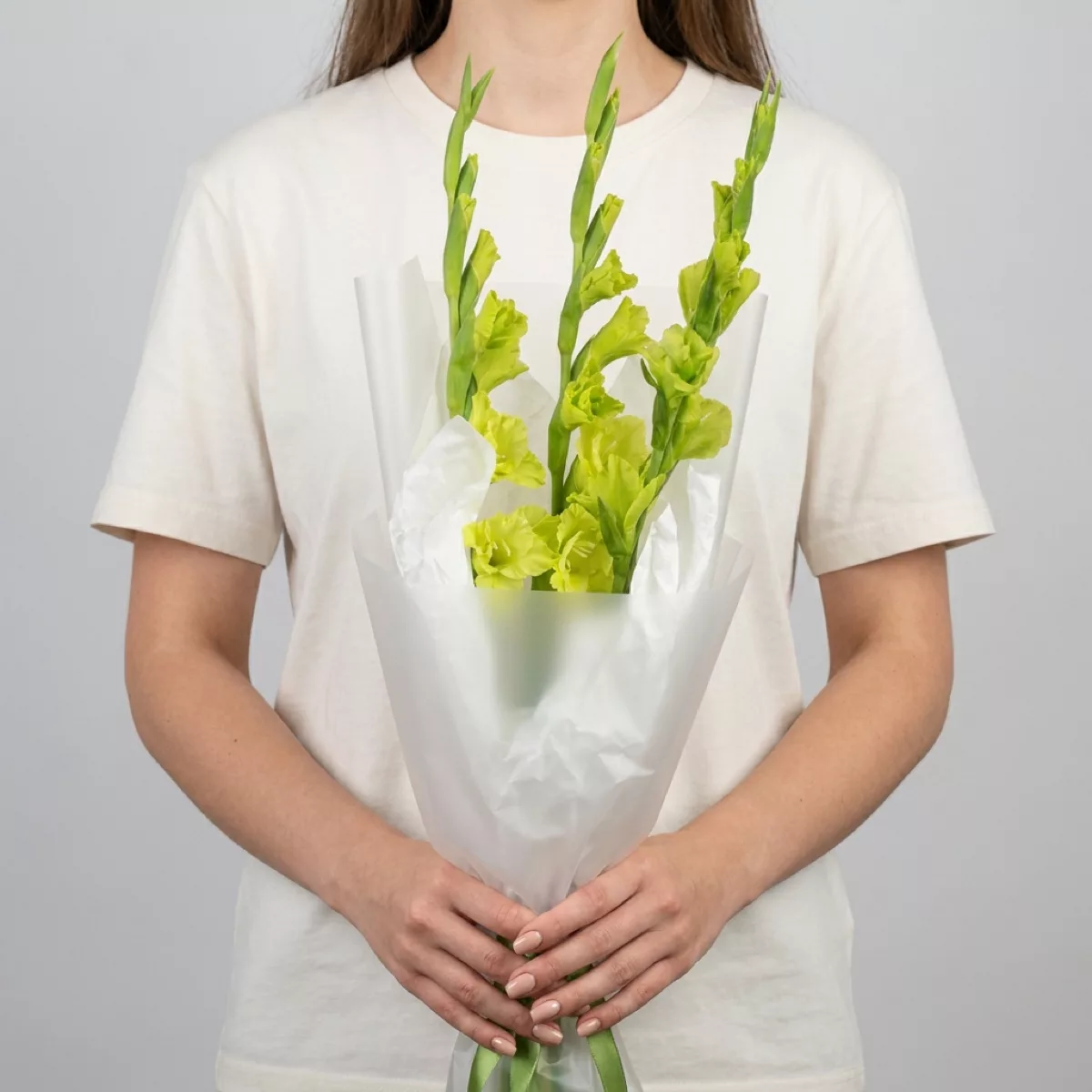
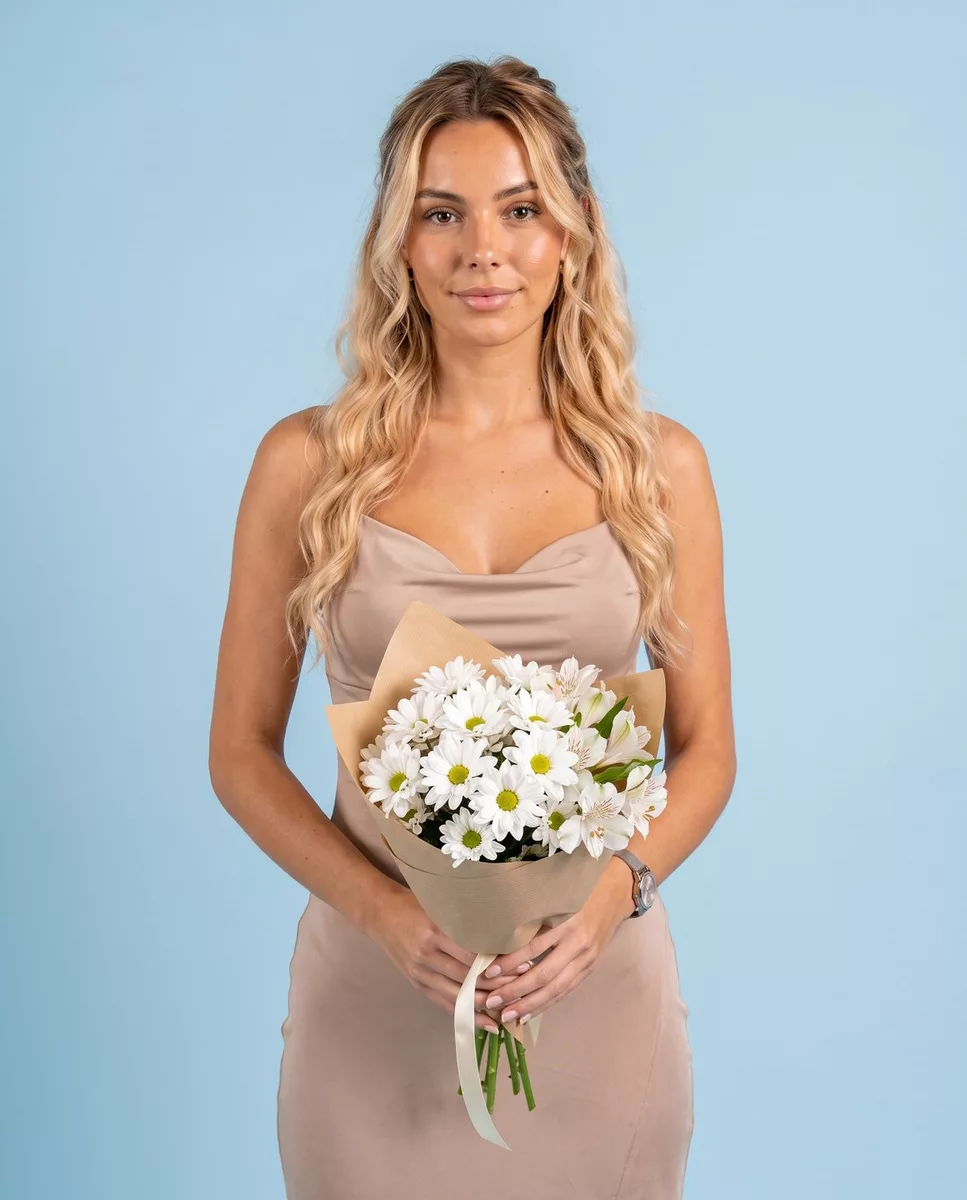
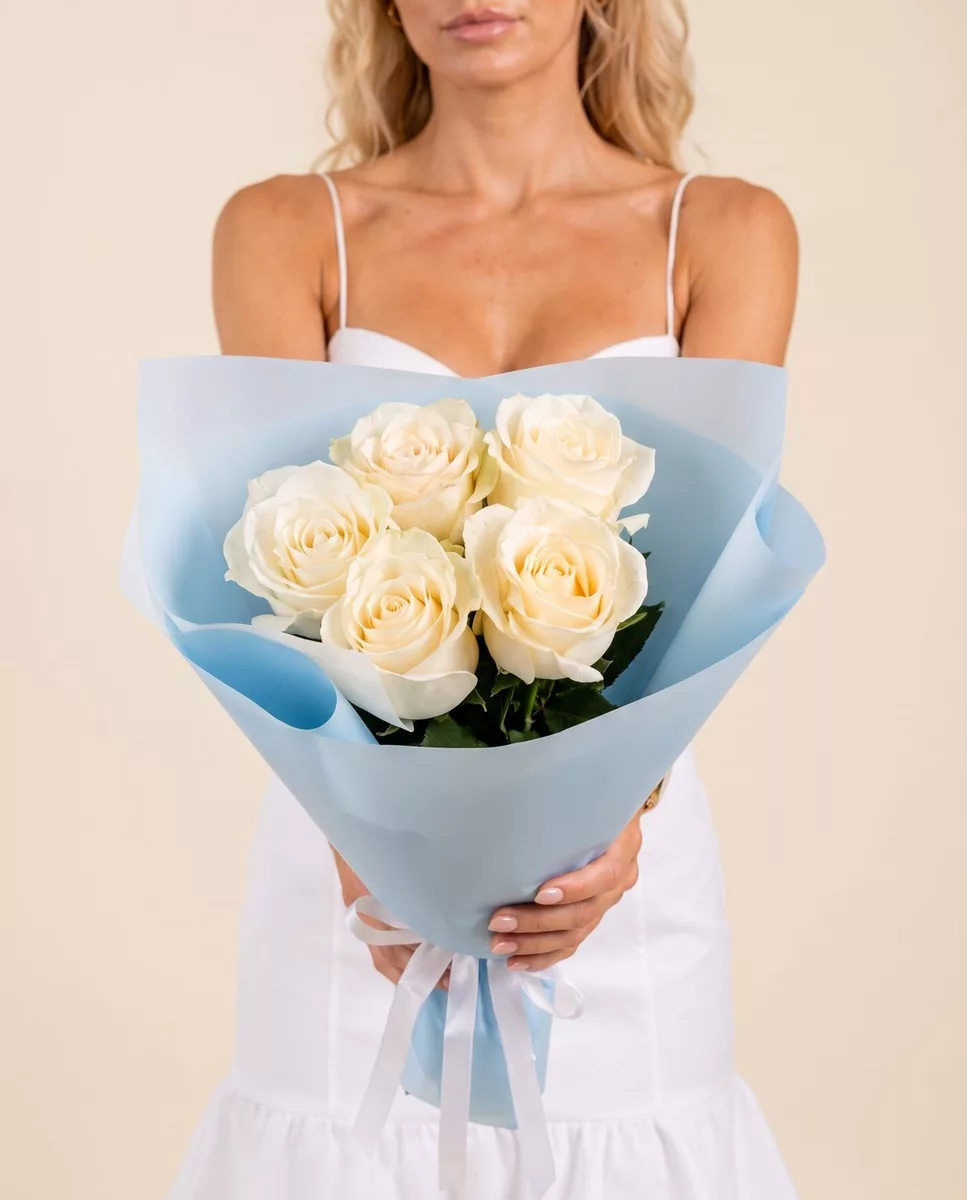
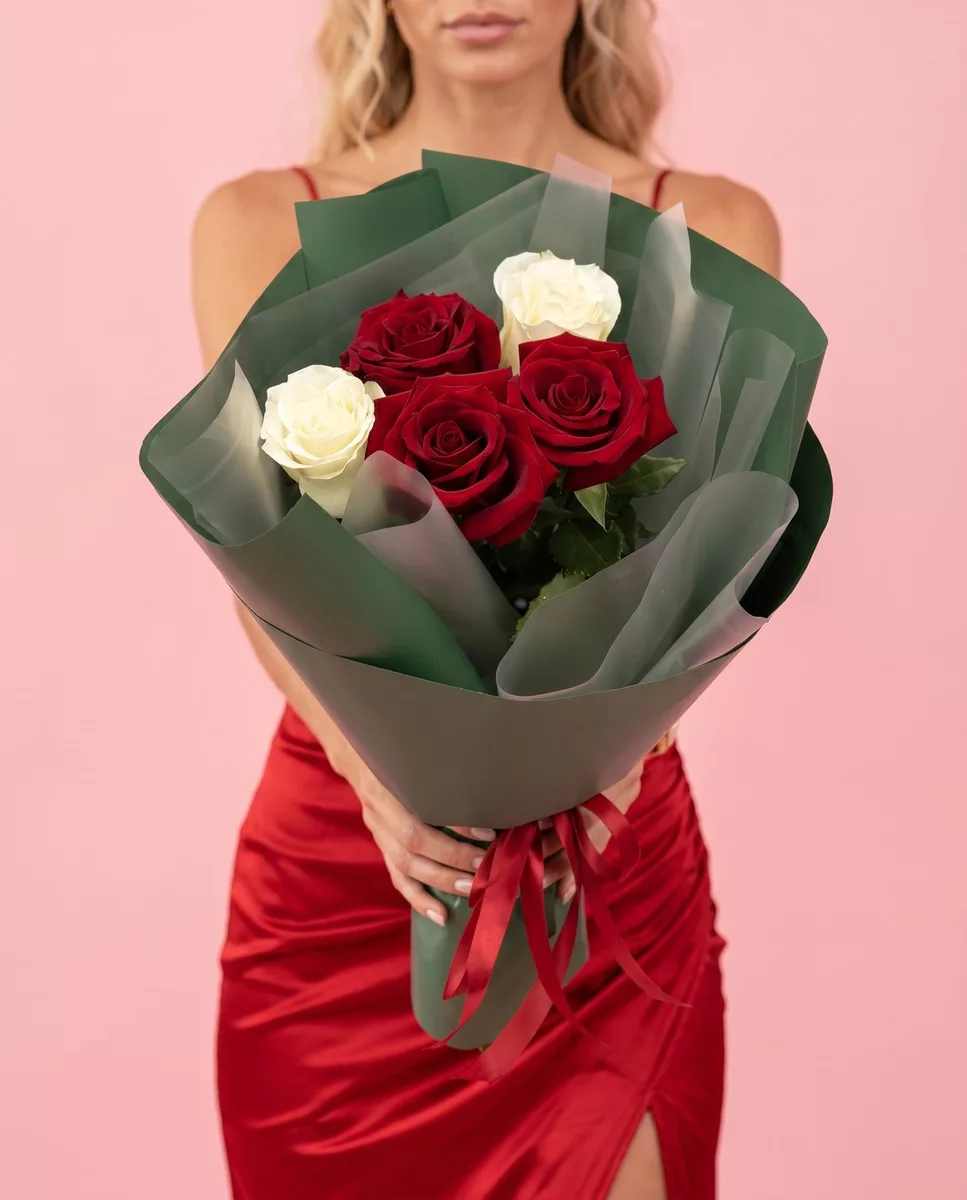
Bouquets we can deliver
Timing Your Delivery: Windows, Lead Times and Same-Day Options
Turboflora operates with a one-to-two-hour delivery window as its standard across Russia, and Turinsk is included in that commitment. When you place an order, you select a delivery slot rather than simply sending a request into the unknown. That structure matters because it lets the recipient plan — or lets you arrange a surprise with reasonable precision.
Same-day delivery to Turinsk is available when orders are placed early enough in the day. The exact cut-off depends on the current order volume, but as a practical rule, orders confirmed before midday have the strongest chance of arriving within the same afternoon. Orders placed later in the day are usually scheduled for the following morning slot, which is often the better choice anyway — a bouquet arriving with morning light tends to set a warmer tone for the whole day ahead.
If you are planning around a specific occasion — a birthday, an anniversary, a graduation — placing the order twenty-four hours in advance removes almost all timing uncertainty. You choose the slot, the florist prepares accordingly, and the recipient gets flowers at the moment you intended rather than somewhere in a vague window.
One timing detail that catches people off guard: Russian name days, called imeniny, are celebrated alongside birthdays and sometimes instead of them. If you know the recipient observes their name day, that date is worth noting when you order. It is a small cultural detail, but arriving on the right day rather than the day before shows attention that the recipient will genuinely feel. Turboflora's team can help you confirm the right slot if you are unsure.
Choosing Flowers for the Person, Not Just the Occasion
The most common mistake people make when ordering flowers remotely is starting with the occasion and working backward to the person. A birthday bouquet, a thank-you arrangement, a just-because gesture — these categories are useful starting points, but they should not be the final answer. The person receiving the flowers is the real brief.
For someone who keeps a tidy home and tends to arrange things carefully, a structured bouquet of garden roses, lisianthus and eucalyptus will feel considered and right. The stems are clean, the palette is controlled, and the arrangement holds its shape for days. For someone more spontaneous and expressive, a loose armful of ranunculus, anemones and seasonal greenery reads as generous and alive — less formal, more like something gathered with genuine feeling.
Age and context matter too. Sending flowers to an older relative in Turinsk often calls for classics: red or cream roses, chrysanthemums, carnations in soft tones. These are not boring choices — in Russian culture they carry real warmth and are received as respectful and affectionate. Sending to a younger colleague or friend opens the door to dahlias in autumn, tulips in spring, sunflowers in summer, or a monochromatic arrangement of white flowers that photographs beautifully and feels contemporary.
If you are genuinely uncertain, describing the person rather than the occasion gives the florist more to work with. Their age, their home, their personality, what they tend to wear — these details translate into flower choices more reliably than any category label. A florist who understands the recipient can build something that feels personal rather than generic.
Seasonal Sense: What Flowers Work Best by Time of Year
The Ural region has four distinct seasons, and each one changes what is available, what travels well and what will last longest in a Turinsk home. Working with the season rather than against it is one of the clearest ways to improve the quality of what arrives at the door.
In winter, from November through February, roses remain reliable because they are grown in controlled greenhouse conditions year-round. Alstroemeria holds exceptionally well in cold transit — it is one of the most resilient cut flowers available and lasts up to two weeks in a vase with proper care. Spray carnations add texture without adding fragility. Avoid tropical flowers like strelitzia or anthuriums in deep winter deliveries to Turinsk; the temperature shock between outdoor conditions and heated interiors can stress them significantly.
Spring brings tulips, which are almost synonymous with the season in Russia. They are beloved, widely gifted and very appropriate from late February through April. Hyacinths add scent and density to a spring arrangement but have a shorter vase life of around five days, so they work best when the recipient will enjoy them immediately. Peonies begin appearing in late May and are one of the most requested flowers in Russia — their full, generous heads feel celebratory and romantic simultaneously.
Summer allows for the widest palette: sunflowers, lisianthus, eustoma, gerbera and seasonal garden roses all travel well in moderate temperatures. Autumn is the season for dahlias, which peak in richness from August through October. Their jewel tones — burgundy, copper, deep orange — suit the Ural landscape in that season in a way that feels entirely natural.
Presentation and Wrapping: What the Recipient Actually Sees First
Before anyone smells the flowers or touches the stems, they see the wrapping. That first impression — the moment the door opens and someone takes in what is being offered — is shaped almost entirely by how the bouquet is presented. It is worth thinking about this deliberately rather than leaving it to chance.
In Russia, flowers are typically given unwrapped or in transparent wrapping so the blooms are visible from the outside. Opaque kraft paper wrapping has become popular for a more artisan look, but it should always leave the top of the arrangement open so the recipient can see what they are receiving. A fully closed box or completely hidden bouquet can feel slightly impersonal in this context — the flowers are the gift, and they should be visible.
Ribbons and wrapping colour should complement rather than compete with the flowers. A pale sage or dusty rose paper around a bouquet of garden roses reads as cohesive and elegant. Bright contrasting colours can work for a celebratory arrangement — sunflowers in kraft with a bold ribbon, for instance — but subtlety tends to age better and photograph more naturally.
If you are adding a card, keep the message genuine rather than formal. Russian recipients respond warmly to direct, personal language. A note that names something specific — a memory, a quality you admire in them, a shared joke — lands far more meaningfully than a printed greeting. Turboflora can include a handwritten card with your message, and that small detail often becomes the part of the gift the recipient remembers longest.
For milestone occasions, adding a small companion — a candle, a box of chocolates, a plant — elevates the delivery from a bouquet to a moment.
Caring for Cut Flowers in a Turinsk Home
A bouquet that arrives in perfect condition can deteriorate within twenty-four hours if it is not set up correctly. Most people know to put flowers in water, but the details beyond that make a significant difference — and sharing them with the recipient, either through a care card or a quick message, extends the life of the gift considerably.
The first step is always to trim the stems. Cut at least two centimetres from the bottom at a diagonal angle, ideally under running water or immediately before placing in the vase. This prevents air from blocking the stem's ability to draw water. Remove any leaves that would sit below the waterline — submerged foliage rots quickly and clouds the water, which shortens vase life for the whole arrangement.
In Turinsk's heated winter interiors, where radiators keep rooms warm and the air tends to be dry, flowers benefit from being kept away from direct heat sources. A position near a window — but not in direct sunlight — with relatively cool ambient air will extend vase life noticeably. Change the water every two days and re-trim the stems at the same time.
Different varieties have different lifespans. Roses typically last seven to ten days with good care. Alstroemeria can reach fourteen days. Tulips are shorter-lived at five to seven days but are highly responsive to fresh water — they will visibly perk up after a stem trim and water change. Gerbera benefit from shallow water rather than a deep vase, as their stems are prone to rotting at the base. Knowing these differences helps the recipient get the most from what they have received, and it makes the gift feel more lasting.
Making the Order: What to Have Ready Before You Start
Ordering flowers for delivery to Turinsk is straightforward, but having a few details prepared before you begin makes the process faster and reduces the chance of anything going wrong on the day.
The most important piece of information is the delivery address in full. For Turinsk, this means the street name, building number, apartment number if applicable, and any access details the courier might need — entry codes, which entrance to use, whether the building has a concierge. Incomplete addresses are the single most common cause of delayed deliveries in smaller cities, where a courier cannot rely on a large logistics network to fill in the gaps.
The recipient's phone number is equally important. If the courier cannot locate the address or the recipient does not answer the door, a phone number allows the situation to be resolved quickly. If the delivery is a surprise and you do not want the recipient called in advance, you can note this when placing the order — the courier will then attempt the door first before calling.
Have a clear idea of the delivery window you want. Morning deliveries, roughly between nine and twelve, suit recipients who are home during the day or work from home. Afternoon slots work well for people returning from work. Evening deliveries create a lovely end-of-day surprise but require the recipient to be home.
Finally, think about your message. Even a single sentence — something warm and specific — transforms a bouquet into a communication. You do not need to write a letter; you need to write something true. That is the part of the order that costs nothing extra and matters most to the person opening the door in Turinsk.
Sending flowers to Turinsk is less complicated than it might seem from a distance, and the impact on the recipient is real and immediate. A city this size does not take a bouquet for granted — it notices, it feels it, and the person who receives it remembers who sent it. Choose for the person first, let the season guide the varieties, and trust the presentation to do the work it was designed to do. Turboflora handles the logistics and the freshness; your job is to know what the moment calls for and to say something genuine in the card.
Frequently asked questions
Can I order same-day flower delivery to Turinsk?
Yes, same-day delivery to Turinsk is available when your order is placed early enough in the day. Orders confirmed before midday have the strongest chance of arriving that afternoon. If you are ordering later, scheduling for the following morning is often more reliable and gives the florist time to prepare the freshest possible arrangement for your recipient.
What flowers travel best to Turinsk in winter?
In cold Ural winters, roses, alstroemeria and spray carnations are the most reliable choices. They handle temperature fluctuations during transit without wilting or bruising. Alstroemeria in particular is exceptionally resilient and can last up to two weeks in a vase. Avoid delicate tropical varieties in deep winter, as the contrast between outdoor cold and heated interiors can stress them quickly.
Do I need to be present to receive the delivery?
The recipient should be available at the address during the chosen delivery window. If no one answers, the courier will call the phone number provided. If the delivery is a surprise and you prefer the courier not to call ahead, note this when ordering — the courier will attempt the door first. Having a complete address including apartment number and entry codes prevents most access issues.
Is it appropriate to send flowers as a gift in Russian culture?
Flowers are a deeply embedded gift tradition in Russia, given for birthdays, name days, professional achievements, holidays and personal milestones. It is customary to give an odd number of stems for celebratory occasions. Classic varieties like roses, tulips and peonies are universally well-received. If you are unsure about the occasion, describing the person to the florist will help guide the right choice.
How long will the flowers last once they arrive in Turinsk?
Vase life depends on the variety and how the recipient cares for them. Roses typically last seven to ten days, alstroemeria up to fourteen, and tulips around five to seven days. Trimming stems diagonally, changing the water every two days and keeping the arrangement away from radiators and direct sunlight will extend freshness noticeably, especially in the dry heated air common in Ural homes during winter.
Ready to send flowers?
Pick the city, choose the bouquet, and a local florist takes it from there.
Choose a city →