Sending Flowers to Unecha: Timing, Choices and What to Expect
Unecha is a quiet railway town in Bryansk Oblast, and when you want to send flowers there — for a birthday, an anniversary, or simply because someone you care about lives far away — the details matter more than the gesture alone. Getting the right bouquet to the right door at the right moment takes planning, honest communication and a florist who knows what the journey involves. This is what we want to walk you through.
Where in Unecha We Deliver and How the Geography Works
Unecha sits roughly 170 kilometres south of Smolensk and is compact enough that most residential addresses, including the central streets around Lenina and Sovetskaya, the railway district, and the quieter neighbourhoods toward the outskirts, fall within our standard delivery zone. The town is not large, which is actually an advantage: once a bouquet reaches Unecha, the final leg to any door is short.
That said, delivery to a smaller regional town like Unecha works differently from delivery within Saint Petersburg itself. We assemble your bouquet here in the city, pack it carefully for the road, and dispatch it so it arrives fresh and intact. The key is giving us a precise address from the start — building number, apartment number if applicable, and a working phone number for the recipient. In Russia it is completely normal for the florist to call ahead and confirm a convenient time, so the recipient should expect a brief call before the courier arrives.
If the recipient lives in a private house rather than an apartment block, that is useful to mention at the time of ordering. Gates, intercoms and courtyard entrances can slow things down, and a small note in the order comments saves everyone time. We always aim to make the arrival feel like a pleasant surprise, not an inconvenient interruption, so the more clearly you describe the location, the smoother the whole experience will be for the person receiving the flowers.
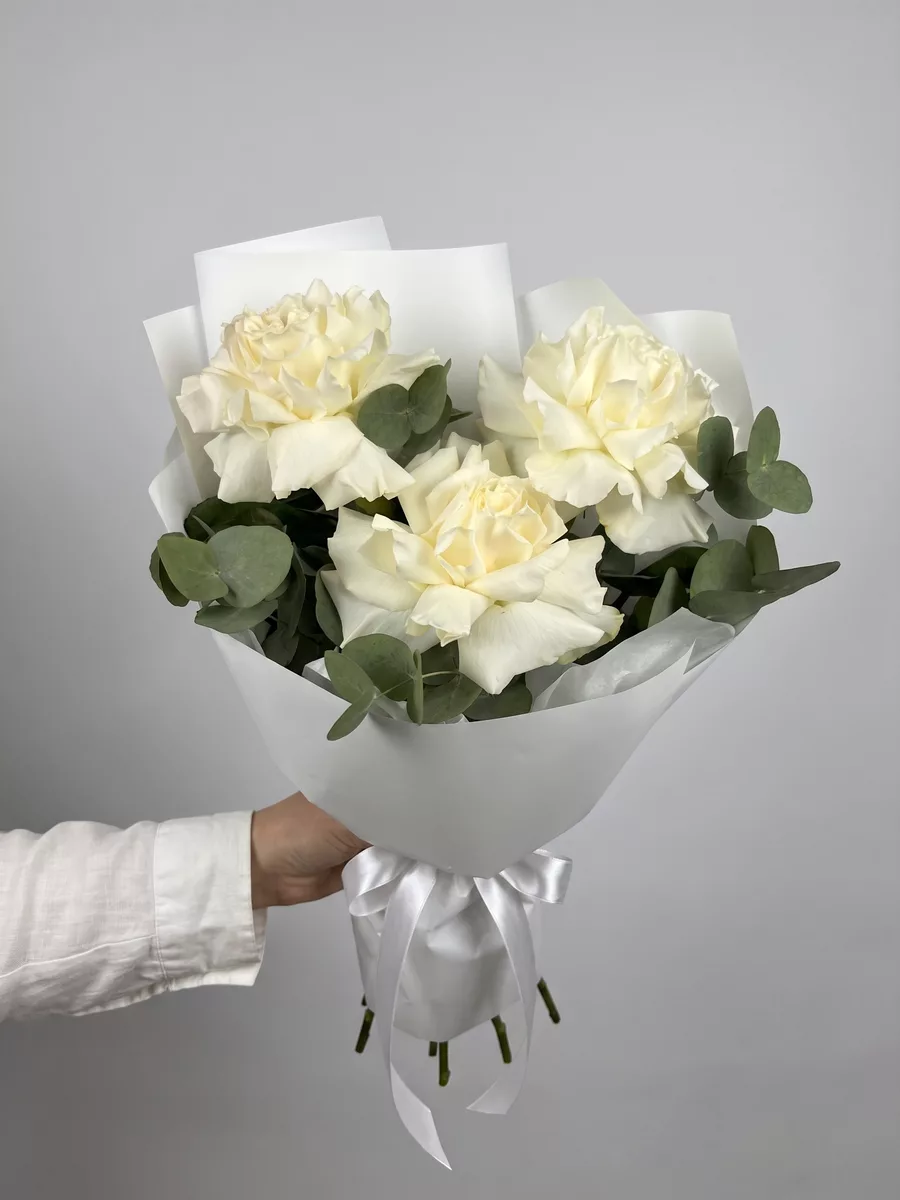
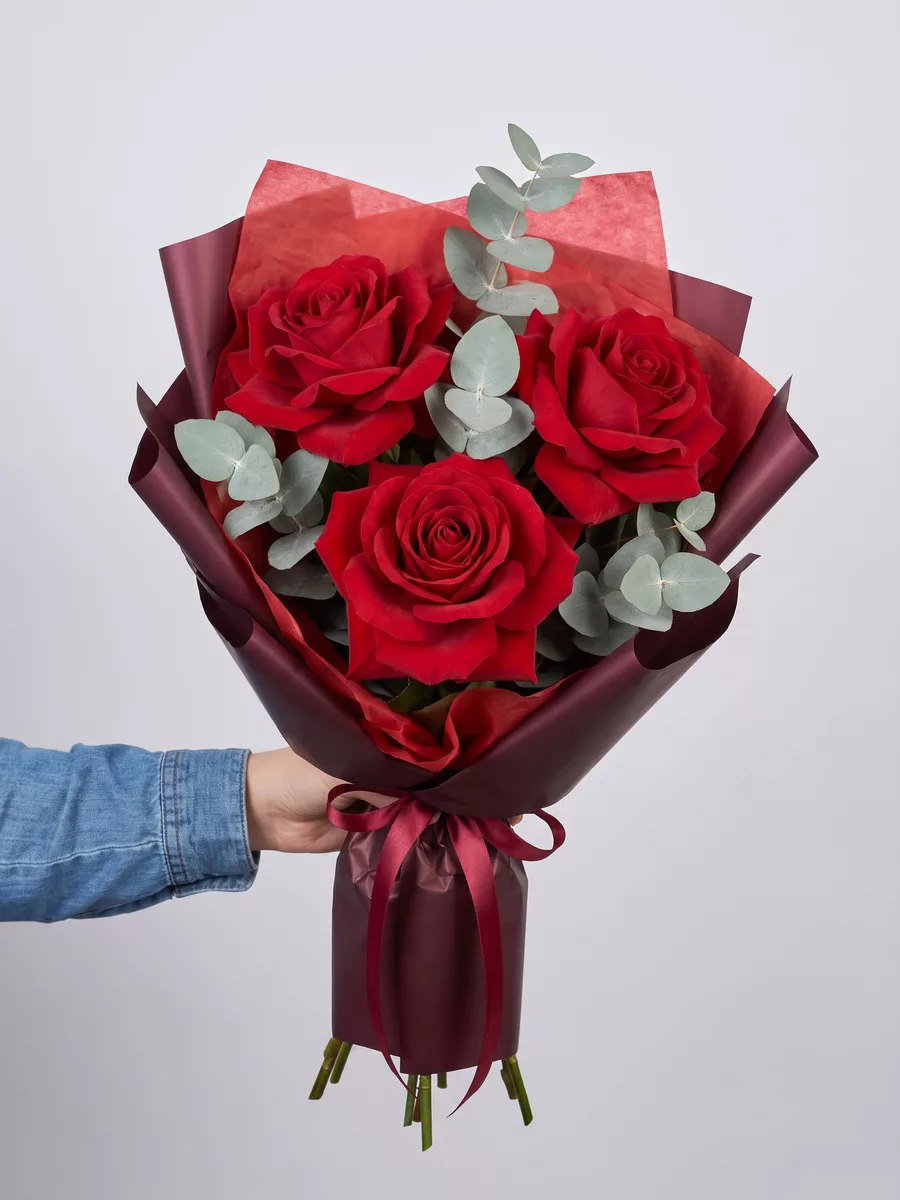
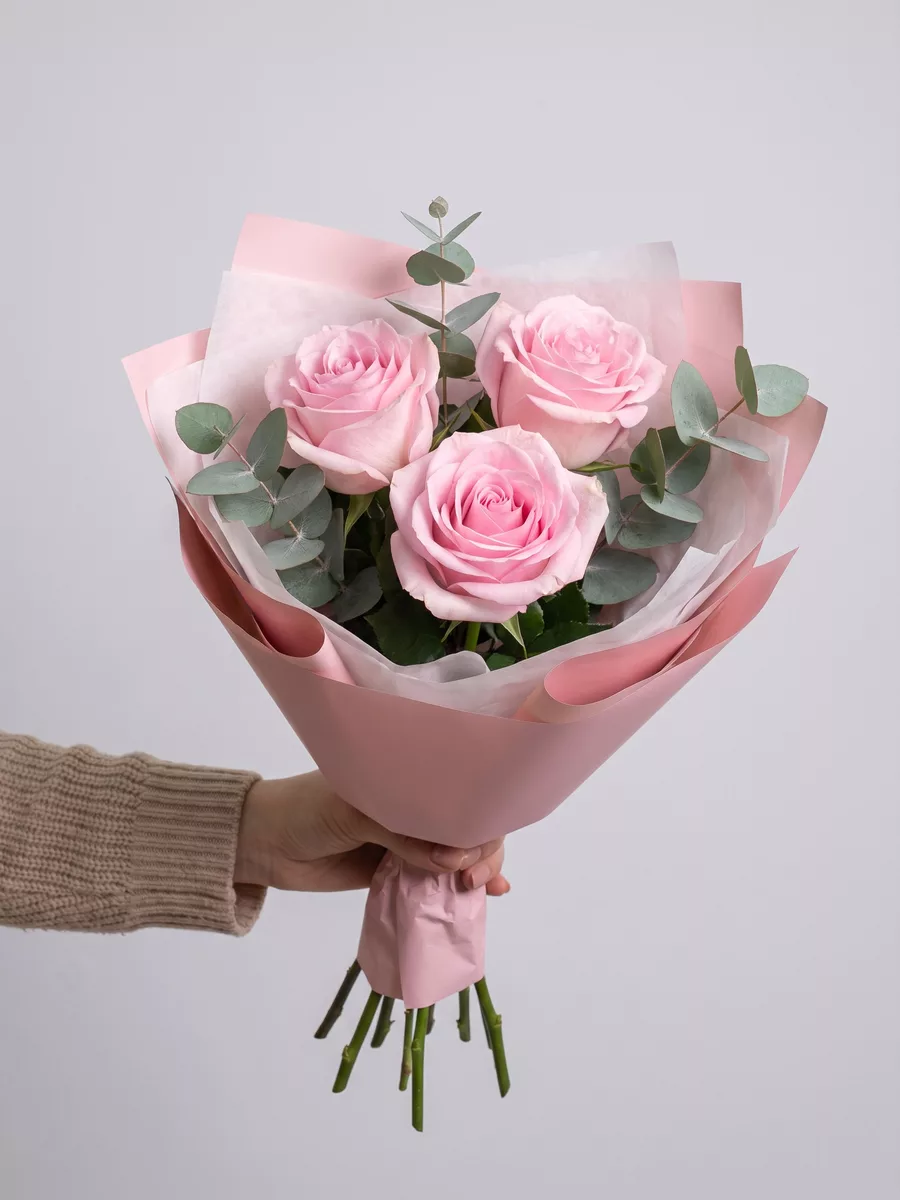
Bouquets we can deliver

Realistic Timing: What One to Two Hours Means for Unecha
Our one-to-two hour delivery window is the standard we hold across Russia, and it applies to Unecha as well. However, it is worth being honest about what that means in practice for a destination outside Saint Petersburg. The clock on your delivery starts from the moment the order is confirmed and the bouquet is assembled, not from the moment you place the order online. Assembly itself takes fifteen to thirty minutes depending on the complexity of the arrangement.
For Unecha, the most important thing you can do is order with enough lead time. If the birthday dinner starts at seven in the evening, placing the order at noon gives us comfortable room to ensure everything arrives well before the celebration begins. Last-minute orders are something we always try to accommodate, but flowers need time to travel looking their best, and we will always tell you honestly if a same-day delivery to your specific address is achievable rather than promise something we cannot deliver perfectly.
Morning deliveries, roughly between ten and one in the afternoon, tend to work best for recipients who are home during the day. If the person works, an early evening slot after five often suits better. When you order, simply tell us the preferred window and we will do everything we can to match it. Russian recipients are generally comfortable with the courier calling thirty minutes before arrival to confirm — it is standard practice here and not considered intrusive.
Choosing Flowers for the Occasion, Not Just the Season
The most important question is not which flower is currently in bloom but who is receiving the bouquet and what you want them to feel when they open the door. A young woman turning twenty-five will feel differently about a loose, romantic arrangement of garden roses, eucalyptus and white lisianthus than she would about a formal presentation of red roses alone. An older relative who values tradition might love a classic combination of chrysanthemums, alstroemeria and greenery — sturdy, generous and long-lasting.
For Unecha, where the climate in Bryansk Oblast means genuine winters and warm summers, the season shapes what travels best. In January and February, tulips and spray roses hold the cold well and arrive looking crisp. In May and June, peonies are at their peak and make an extraordinary impression — they open slowly over several days, which means the recipient gets to enjoy the moment of full bloom after the delivery. In autumn, dahlias, sunflowers and solidago bring warmth to shorter days.
Think also about the setting. A bouquet going to a small apartment looks best when it is designed to fit a standard vase without overwhelming the space — medium-sized arrangements with one or two focal flowers and supporting greenery tend to work better than enormous cascading designs in a domestic setting. If you are sending to a workplace or a celebration with many people present, a larger, more dramatic arrangement makes a stronger impression. Tell us the context and we will suggest proportions that suit it.
Budget Ranges and What Each Level Gets You
Flower arrangements exist at every budget, and the honest truth is that a thoughtfully chosen modest bouquet will always outperform an expensive but impersonal one. At the entry level, a single-variety bouquet — fifteen stems of spray roses, or a clean bunch of alstroemeria in a complementary colour palette — is elegant precisely because of its simplicity. These arrangements photograph beautifully and feel considered rather than cheap.
In the middle range you gain the ability to combine two or three varieties in a way that creates real visual interest. A base of garden roses paired with ranunculus and a few stems of ruscus or pittosporum greenery becomes something that looks genuinely florist-made rather than assembled. This is also the range where you can start requesting specific colours — a blush and white palette for a romantic occasion, or a warm orange-and-yellow combination for a cheerful birthday.
At the higher end, the difference is not just more flowers but better-quality focal varieties — garden roses with fuller heads, peonies when they are in season, orchid stems, or premium imported tulips — combined with considered presentation, including wrapping that suits the occasion. If you are marking a significant anniversary or a major milestone birthday, the packaging itself becomes part of the gift. Kraft paper with a satin ribbon reads as warm and artisan; a structured box arrangement feels more formal and modern. Neither is wrong — it depends entirely on the person you are celebrating.
How Temperature and Travel Affect Your Bouquet
Flowers are living things, and the journey from our studio in Saint Petersburg to a door in Unecha is a real journey with real conditions. In winter, the primary risk is frost damage — petals of roses and tulips can bruise in temperatures below minus five Celsius if they are not properly insulated during transit. We wrap cold-weather deliveries in thermal sleeves and ensure the bouquet is never left in an unheated vehicle for extended periods. When the courier arrives, the recipient should bring the flowers indoors immediately rather than leaving them in a cold hallway.
In summer, the challenge reverses: heat and direct sunlight are the enemies. Hydrangeas and garden roses are particularly sensitive above twenty-five Celsius and can wilt within an hour of exposure. We cut and condition all flowers before packing them, and summer bouquets are wrapped to reflect heat and retain moisture. Even so, the recipient should place them in cool water within the first fifteen minutes of arrival.
Spring and autumn are the most forgiving seasons for delivery, which is one reason tulips in March and chrysanthemums in October are perennial favourites for gifts sent across distance. If you are ordering in July or in January — the two extremes — it is worth choosing varieties that are known for their resilience. Alstroemeria, spray roses, lisianthus and carnations all travel better than more delicate blooms like sweet peas or anemones, which we would not recommend for long-distance delivery regardless of how beautiful they are in person.
Vase Life and Care Once the Flowers Arrive
A bouquet that arrives looking perfect can last anywhere from five to fourteen days depending on the variety and how it is cared for after delivery. Chrysanthemums and alstroemeria are among the longest-lasting cut flowers — properly tended, they can hold for ten to twelve days. Garden roses and tulips are more variable: roses kept in cool water away from direct sunlight and fruit bowls will last seven to nine days, while tulips continue to grow after cutting and typically peak around day four or five before beginning to decline.
The single most common mistake is not changing the water. Bacteria build up quickly in a vase, and by day two the water should be replaced entirely and the stems recut at an angle with a clean knife or scissors. Diagonal cuts increase the surface area through which the stem draws water. Removing any leaves that fall below the waterline also prevents bacterial growth.
In Russia it is a common habit to add a small amount of sugar to the vase water, and there is some truth to the idea that it feeds the flowers — but a clean vase and fresh water matter more. Flower food sachets, when we include them, contain a mild preservative along with nutrients and are worth using as directed. Keep the bouquet away from radiators, which are a constant feature of Russian apartments in winter and will shorten vase life significantly. A cool room, indirect light and daily attention will reward the recipient with flowers that look beautiful for well over a week.
Making the Delivery Feel Like a Moment, Not Just a Transaction
Flowers sent across distance carry something that a gift purchased locally cannot quite replicate — the knowledge that someone thought of you specifically, made a decision, and arranged for something beautiful to travel to your door. In Russian culture, receiving flowers is a meaningful gesture regardless of the occasion, and the presentation matters as much as the flowers themselves. A handwritten card, even a few words, transforms a bouquet into a message.
When you order, take a moment to write something personal in the card field rather than leaving it blank or writing only a name. The courier will deliver the card with the bouquet, and in our experience the card is often the thing the recipient reads and rereads long after the flowers have faded. Keep it warm and specific — a shared memory, a wish for the day, something that only you would say.
If the delivery is a surprise, let us know and we will instruct the courier not to reveal the sender before the card is read. If the recipient is likely to be out, it is worth coordinating a time when they will definitely be home rather than leaving the bouquet with a neighbour — flowers need water, and a bouquet sitting in a dry hallway for several hours loses both freshness and the impact of the moment. A little coordination in advance ensures that the person you are thinking of gets the full experience: the knock at the door, the flowers in their hands, the card in their own time.
Sending flowers to Unecha from Saint Petersburg is entirely achievable when you plan ahead, choose varieties suited to the season and the journey, and give us the details we need to get everything right. The distance between you and the person you are thinking of becomes much smaller when a fresh, well-made bouquet arrives at exactly the right moment. We are here to make that happen — carefully, reliably and with the attention that the occasion deserves.
Frequently asked questions
Can you deliver to a private house address in Unecha, not just apartments?
Yes, we deliver to private houses as well as apartment buildings. When you place your order, include the full street address and any useful details about the entrance or gate. A working phone number for the recipient is especially helpful for private house deliveries, as the courier may need to call ahead to confirm the exact location.
What happens if the recipient is not home when the flowers arrive?
Our courier will call the recipient before arriving to confirm they are home. If contact cannot be made, we will reach you as the sender to decide on next steps — whether to wait, redeliver at a later time, or leave the bouquet with a trusted person nearby. We do not leave flowers unattended in cold or exposed locations.
Which flowers hold up best for delivery to Unecha in winter?
Spray roses, alstroemeria, chrysanthemums and lisianthus all travel well in cold weather and arrive looking fresh. Tulips also handle low temperatures better than most people expect. We avoid recommending delicate varieties like anemones or sweet peas for long-distance winter deliveries, as even careful packaging cannot fully protect them from frost exposure during transit.
Is it possible to keep the sender's identity a surprise until the card is read?
Absolutely. Simply note in your order that you would like the delivery to be a surprise. The courier will hand over the bouquet and card without revealing who sent it, allowing the recipient to discover the sender through the message you have written. This is a common and appreciated request, and we handle it as standard.
How far in advance should I order for a specific delivery time in Unecha?
For a precise time window, ordering at least four to six hours ahead gives us the best chance of meeting your preferred slot. For morning deliveries, placing the order the evening before is ideal. Same-day orders are often possible, but we will always confirm availability honestly rather than commit to a time we cannot guarantee with the quality the bouquet deserves.
Ready to send flowers?
Pick the city, choose the bouquet, and a local florist takes it from there.
Choose a city →