Sending Flowers to Uryupinsk? Here Is What to Expect
Uryupinsk sits quietly in the Volgograd region, known more for its goat-wool crafts than for grand flower markets — but the people there celebrate birthdays, anniversaries and new arrivals just as warmly as anywhere else in Russia. When you want to send something that actually arrives fresh, on time and looking the way you imagined it, a few things are worth knowing before you place the order.
Understanding the Delivery Area and How We Reach Uryupinsk
Uryupinsk is a mid-sized town in the northern part of the Volgograd region, roughly 350 kilometres from Volgograd itself. The road infrastructure is solid, which means a dedicated courier run is entirely workable — but it does require planning on both ends. We dispatch bouquets from our preparation hub so that the flowers travel the minimum time possible between water and the recipient's hands.
The town centre, the residential districts along the Khoper River and the main administrative streets are all within our standard delivery zone. Outlying villages immediately adjacent to Uryupinsk can also be reached, though we ask that you confirm the exact address at the time of ordering so we can give you an accurate delivery window rather than a vague estimate.
One thing many customers do not realise is that distance affects not just timing but also which flowers we recommend. Delicate open blooms — fully open garden roses or anemones at peak bloom — can bruise during a longer journey. We account for this when we assemble your order, choosing stems at a stage of opening that will look their best precisely when they arrive, not two hours before. That is the difference between a florist who knows the route and one who simply boxes whatever is on the shelf.
Bouquets we can deliver

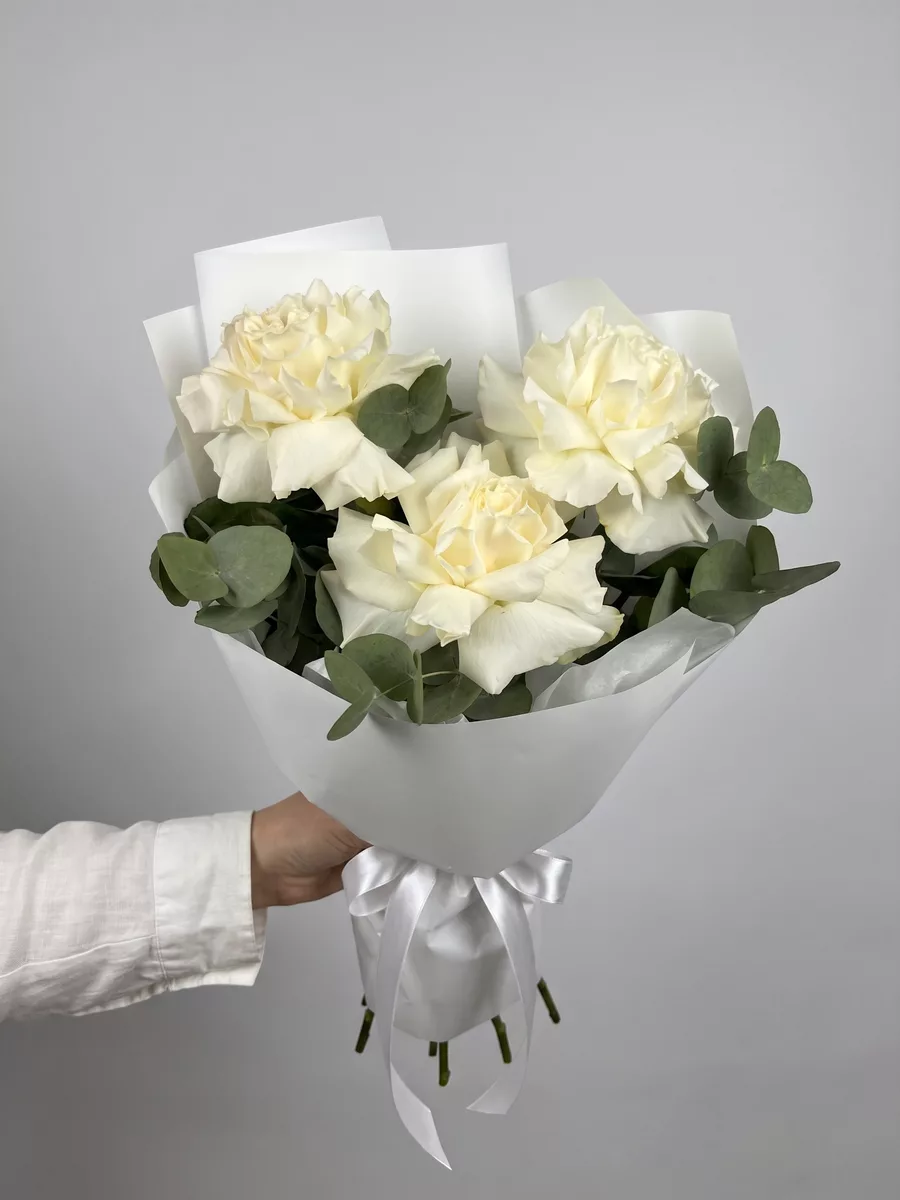
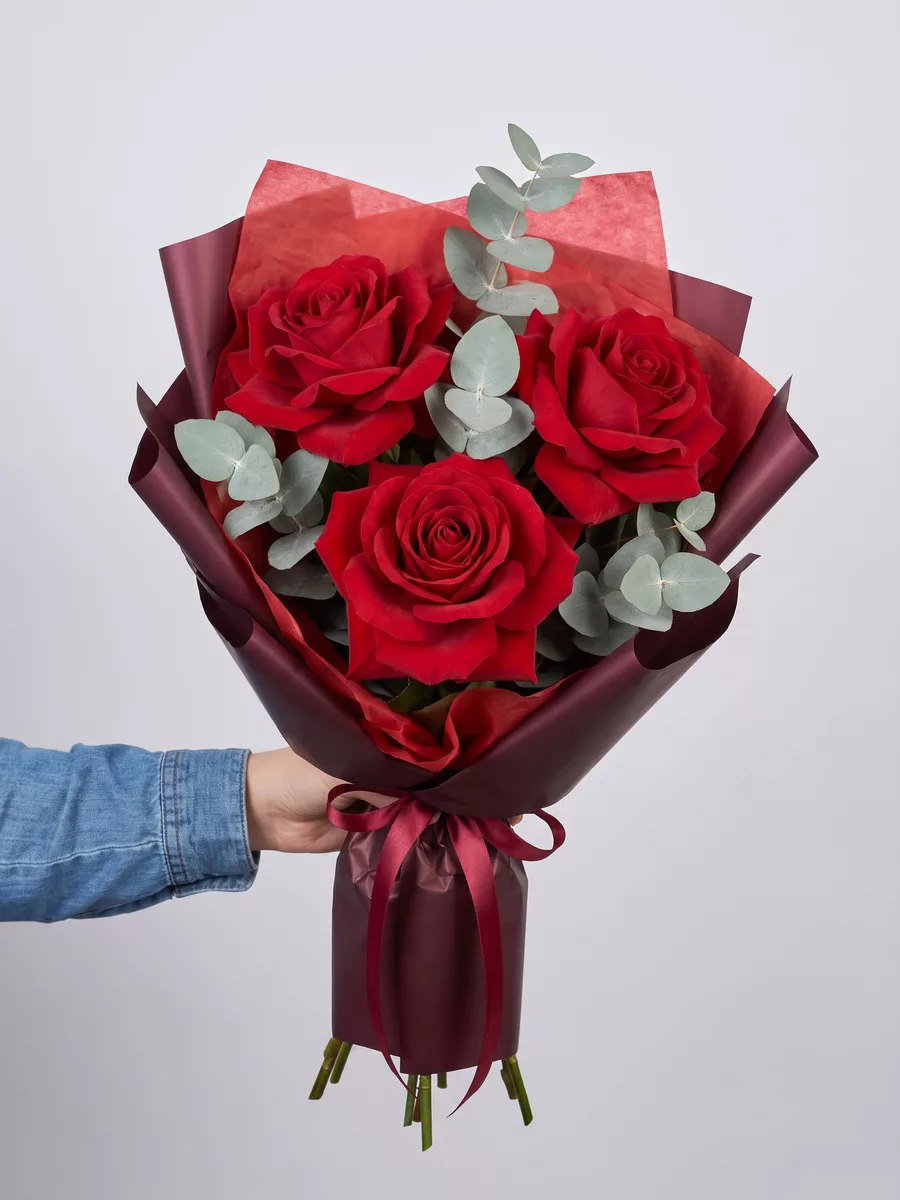
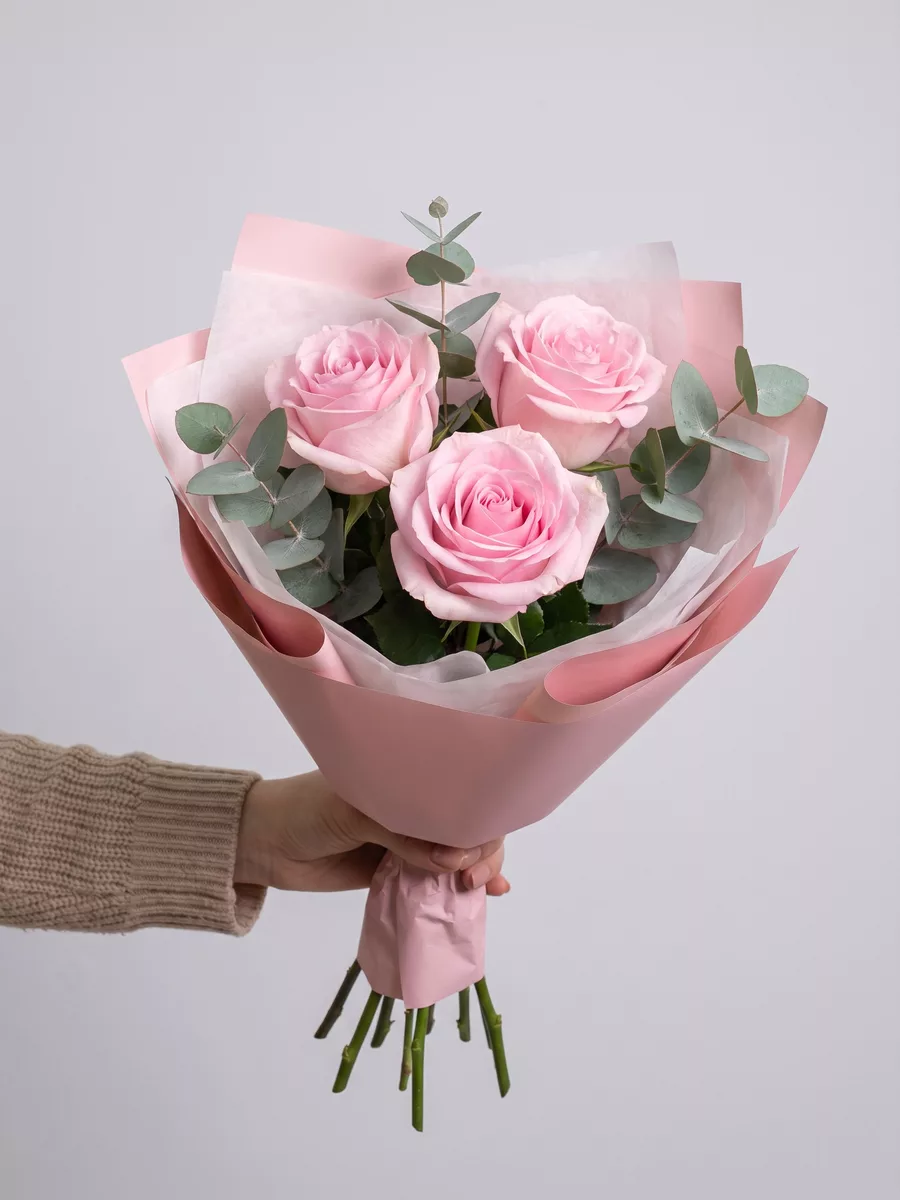
Timing Your Order: When Flowers Arrive at Their Best
The honest answer about timing is that same-day delivery to Uryupinsk is possible when you order early in the day, and next-day delivery is the comfortable default for most customers. We recommend placing your order before noon if you want the bouquet to reach someone that evening. Orders placed in the afternoon are typically scheduled for the following morning, which in practice often works better — flowers delivered at eleven in the morning feel like an event, whereas a late-evening ring of the doorbell can catch people mid-routine.
For significant occasions — a birthday, an anniversary, the first day of school in September — ordering twenty-four to forty-eight hours ahead gives us room to source the specific varieties you want rather than substituting at the last moment. Roses, spray chrysanthemums and alstroemeria are reliably available on shorter notice because they travel and store well. Peonies in early summer or tulips in March require a little more lead time simply because demand across Russia spikes sharply.
Temperature matters more than most people expect. In July and August, the Volgograd region can sit above thirty-five degrees Celsius. We use insulated packaging and time departures to avoid the hottest part of the afternoon. In January and February, the opposite problem applies: flowers left on a cold doorstep for more than fifteen minutes can show frost damage on petals. We coordinate with recipients when possible so someone is home to receive the bouquet directly.
Choosing Flowers for the Person, Not Just the Occasion
Start with who the person is, not with what the calendar says. A woman in her sixties who keeps a dacha and grows her own tomatoes will likely appreciate a loose, garden-style arrangement of lisianthus, matthiola and spray roses far more than a formal dozen red roses. A colleague you want to thank professionally might receive a clean, modern arrangement of white and green — chrysanthemums, eucalyptus, a few stems of ornamental kale — without it feeling either too romantic or too impersonal.
In Russian culture, the number of flowers in a bouquet carries meaning that visitors from other countries sometimes overlook. An even number of stems is traditionally associated with mourning, so bouquets are almost always composed with an odd number — five, seven, eleven, fifteen. We follow this automatically, but if you are ordering from abroad and specifying an exact quantity, it is worth keeping this in mind.
Colour also communicates. Yellow flowers have shed much of their old superstition among younger Russians in cities, but in smaller towns like Uryupinsk some recipients — particularly older generations — still associate yellow with separation or bad luck. If you are unsure of the recipient's views, a mix of warm peach, soft coral and cream is a safe and genuinely beautiful alternative that carries none of that ambiguity. Ask us and we will help you navigate it without making the process feel complicated.
Bouquets by Budget: What Each Range Actually Gets You
A modest budget done well beats an expensive bouquet done carelessly. At the entry level, a well-chosen five-stem arrangement of garden roses paired with waxflower and a few eucalyptus leaves can look genuinely generous if the proportions are right and the wrapping is clean. The mistake at this range is trying to fill space with too much greenery — it reads as padding rather than design.
A mid-range budget opens up the combination possibilities considerably. You can mix textures: the dense roundness of a garden rose against the airy spray of gypsophila, or the architectural shape of a protea alongside softer ranunculus. These combinations photograph well, which matters because the recipient will almost certainly take a picture and send it to someone. A bouquet that looks good in a photo extends its own life as a gift.
At a higher budget, the focus shifts to volume and variety. A large arrangement of peonies, garden roses and sweet peas in early June, or a full autumn composition of dahlias, hypericum berries and copper-toned chrysanthemums in September, makes an immediate impression when the door opens. These bouquets also last well when cared for properly — which is worth communicating to the recipient, because people sometimes assume an expensive bouquet will simply take care of itself. It will not, but with basic attention it will look beautiful for seven to ten days.
What the Recipient Should Do in the First Ten Minutes
The first ten minutes after a bouquet arrives determine most of its vase life. The single most important step is recutting the stems at an angle under running water or while the ends are submerged. This removes the air bubble that forms during transit and allows the stems to drink immediately. A sharp knife is better than scissors, which can crush the stem tissue. Even a centimetre off each stem makes a real difference.
Remove any leaves that would sit below the waterline in the vase. Leaves in water decompose quickly and introduce bacteria that shorten the life of every stem in the arrangement. This takes about two minutes and most people skip it entirely — which is why their flowers last four days instead of eight.
Keep the vase away from direct sunlight, radiators and fruit bowls. Ripening fruit releases ethylene gas, which accelerates the aging of cut flowers noticeably. A cool spot — a hallway table, a windowsill that does not get afternoon sun — is ideal. Change the water every two days and recut the stems each time. Roses in particular benefit from this: a rose that has been sitting in the same water for five days is working much harder than it needs to.
If you are sending flowers to someone who is not especially experienced with cut flowers, consider including a short handwritten note with these steps. It is a small gesture that extends the life of your gift considerably and shows that the thought went beyond the purchase.
Seasonal Flowers That Work Well for Uryupinsk Deliveries
The Volgograd region has a continental climate with genuinely cold winters and hot summers, and the best flower choices shift with the season in ways that matter for both beauty and practicality. In winter, from November through February, spray chrysanthemums, alstroemeria and carnations are the most reliable travellers. They are not the most glamorous flowers, but a well-composed bouquet of white spray chrysanthemums with deep burgundy carnations and silver brunia looks sophisticated and holds up beautifully in cold transit.
Spring brings tulips in enormous variety — single, double, parrot and fringed — and they are enormously popular across Russia for the eighth of March, International Women's Day, which is the single busiest flower day of the year. If you are ordering for that date, place your order at least three days ahead. Hyacinths travel less well but their scent is extraordinary; a small cluster of them alongside tulips creates something that feels genuinely seasonal.
Summer is the season of roses and peonies. Garden roses with their layered, cupped blooms look nothing like the tight commercial roses most people picture, and they are worth requesting specifically. Peonies have a short window — roughly late May through June — and they open fast in warm temperatures, so we account for this when choosing stems for a long delivery.
Autumn is underrated. Dahlias, in every form from tight pompom to loose decorative, are at their peak from August through October. Combined with hypericum berries and the warm tones of autumn foliage, they make arrangements that feel genuinely seasonal rather than generic.
Making the Order Feel Personal Across the Distance
Sending flowers from another city — or from another country — can feel impersonal if the bouquet arrives looking like it could have come from anyone. A few deliberate choices close that gap. A handwritten card is the most obvious one, but the content matters: a specific memory, a reference to something only you two would know, lands differently than a generic warm greeting. We can include your message exactly as you write it.
Think about the wrapping in relation to the recipient's home. A very traditional household might appreciate classic kraft paper with a ribbon in a single colour. A younger recipient in a modern apartment might love something more graphic — a structured wrap in a deep colour that contrasts with the flowers. These are small signals that show you thought about them specifically.
If the recipient has a favourite flower, use it — even if it is not the most fashionable choice. A person who loves simple freesias will be more moved by a generous bunch of freesias than by an elaborate arrangement of flowers they have no particular feeling for. Freesias also have one of the most beautiful scents of any cut flower, which is an experience a photograph cannot replicate.
For milestone occasions — a significant birthday, a new baby, a major professional achievement — consider a larger arrangement that can serve as a centrepiece in the home for the duration of the celebration. Something that is still beautiful on the table three days later continues to mark the occasion in a way a smaller bouquet cannot.
Uryupinsk may not be the first city that comes to mind when you think of flower delivery across Russia, but the people there deserve bouquets that arrive fresh, chosen with care and presented properly — and that is exactly what we set out to do with every order. Whether you are sending something for a birthday next week or need flowers to arrive by tomorrow afternoon, the key is a clear address, a realistic timeline and a little thought about who is receiving them. The flowers do the rest.
Frequently asked questions
Can I order flowers for same-day delivery to Uryupinsk?
Same-day delivery is possible when you place your order before noon. For afternoon and evening orders, next-day delivery is more reliable and gives us time to prepare the bouquet properly for the distance. If the occasion is urgent, contact us directly and we will tell you honestly what is achievable that day.
What flowers hold up best on a longer delivery route?
Spray chrysanthemums, alstroemeria, carnations and roses at the bud stage all travel exceptionally well. We avoid sending fully open peonies or anemones on longer routes because they bruise easily. When you order, we choose stems at the right stage of opening so they look their best on arrival, not hours before.
Is it true that yellow flowers are considered bad luck in Russia?
Among older generations in smaller Russian towns, yellow flowers are sometimes associated with separation or misfortune — it is a cultural convention rather than a universal rule. Younger urban Russians largely ignore it. If you are unsure about the recipient's views, warm peach, coral or cream tones are a beautiful and entirely neutral alternative.
How many flowers should be in a bouquet sent to a Russian recipient?
Always an odd number. Even numbers of stems are traditionally associated with mourning in Russian culture and are used at funerals. We compose all our bouquets with odd numbers automatically, but if you are specifying a quantity yourself — say, for a very specific arrangement — keep this convention in mind to avoid an unintended signal.
What should the recipient do to make the flowers last as long as possible?
Recut the stems at an angle under water immediately on arrival, remove leaves below the waterline, and place the vase away from sunlight, radiators and fruit bowls. Change the water every two days and recut the stems each time. With this basic care, roses and chrysanthemums will typically last seven to ten days.
Ready to send flowers?
Pick the city, choose the bouquet, and a local florist takes it from there.
Choose a city →