Flower Delivery in Usinsk: Timing, Choices and What Arrives at the Door
Usinsk sits deep in the Komi Republic, roughly 1,700 kilometres northeast of Moscow, and sending flowers there feels like a leap of faith for most people. You want the roses to arrive open enough to impress but not so blown that petals are already falling. You want the ribbon still crisp and the greenery still dark. This article walks you through exactly what delivery to Usinsk looks like, which flowers travel best in a northern climate, how to time your order around the occasion, and what the recipient should do the moment the bouquet lands in their hands.
What Usinsk Is Like and Why It Changes Everything About Flowers
Usinsk is an oil-industry city with a population of around 40,000, located above the 65th parallel. Winters are long, temperatures regularly drop below minus 25 Celsius from November through March, and even May can bring a late frost. That geography is not a problem to fear — it is simply information you need when choosing what to send.
Cold air is actually kind to cut flowers during transport. A bouquet moving through freezing outdoor temperatures is essentially being refrigerated in transit, which slows cellular breakdown and keeps petals firm. The real risk is the transition: going from cold outdoor air into a warm interior too quickly can cause condensation on petals, which leads to spotting on roses and bruising on lilies. Turboflora couriers in northern cities are trained to let bouquets acclimatise gradually rather than rushing them from a cold vehicle straight into a heated hallway.
Summer in Usinsk is short but surprisingly warm, with July averages around 17 Celsius and occasional days pushing past 25. During those months the delivery challenge reverses: heat speeds wilting, so timing becomes tighter and hydration during transport matters more. Spring and autumn are transitional, with temperatures swinging widely within a single day.
Knowing the season when you order helps our florists at Turboflora choose the right conditioning method and packaging before the bouquet even leaves the workroom. A winter delivery gets extra insulating wrap and a moisture-retaining stem sleeve. A summer delivery gets a water-filled tube on each stem and is prioritised for the earliest available courier slot.
Bouquets we can deliver

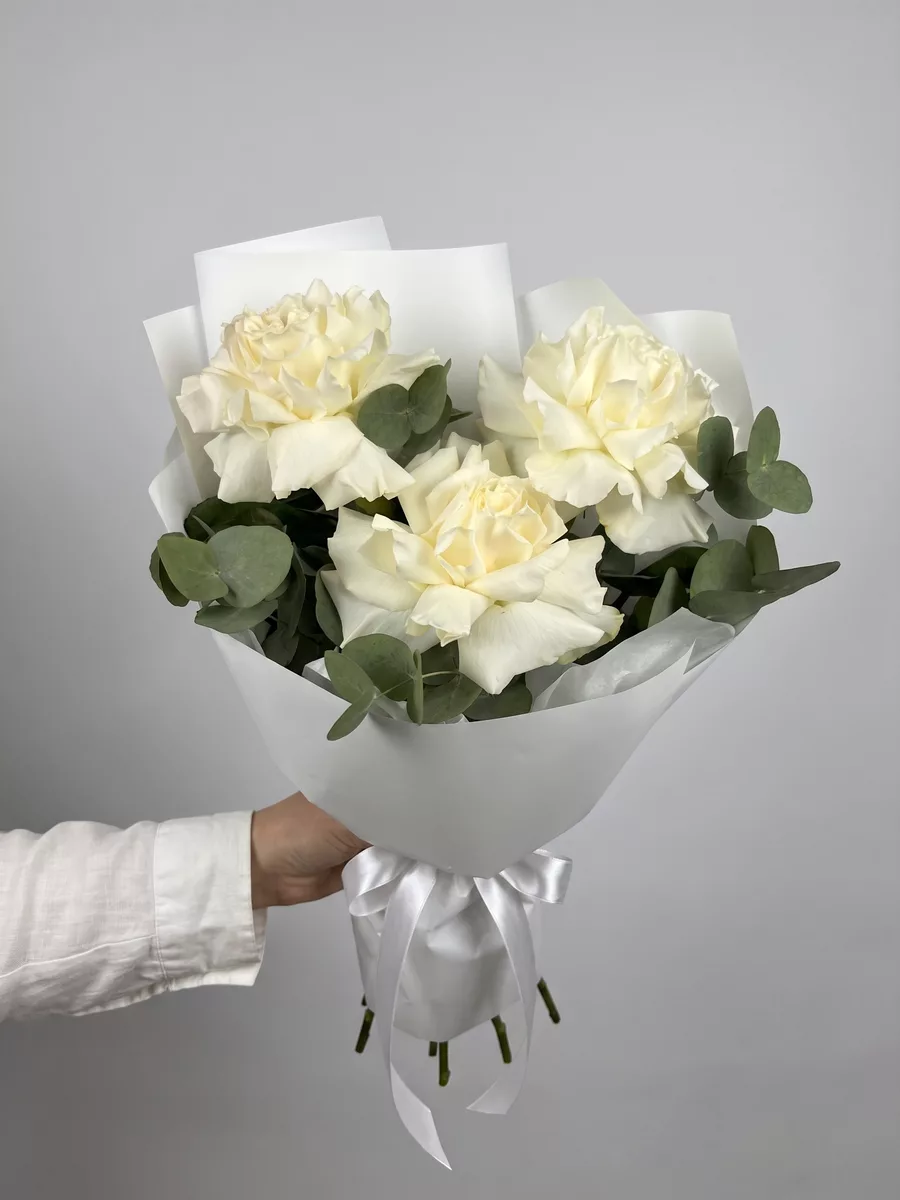
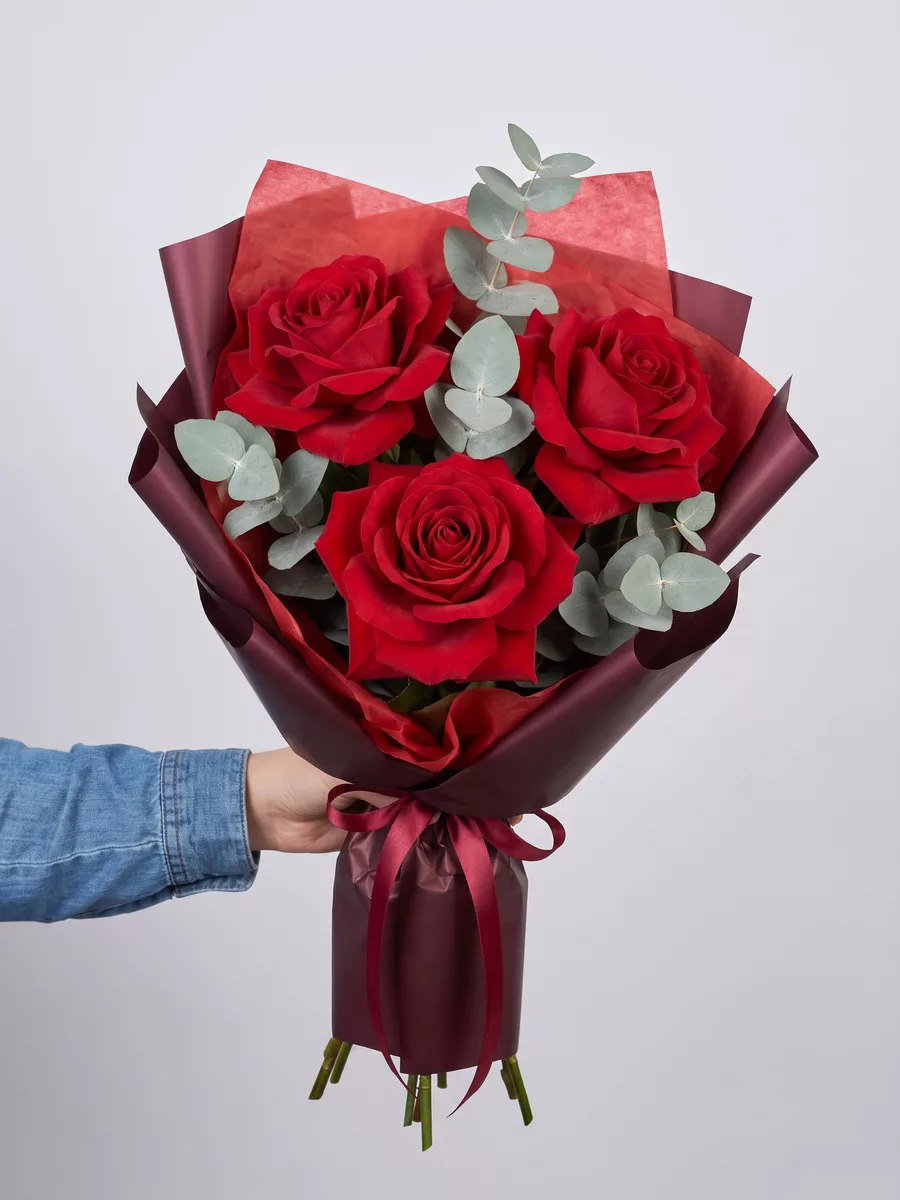
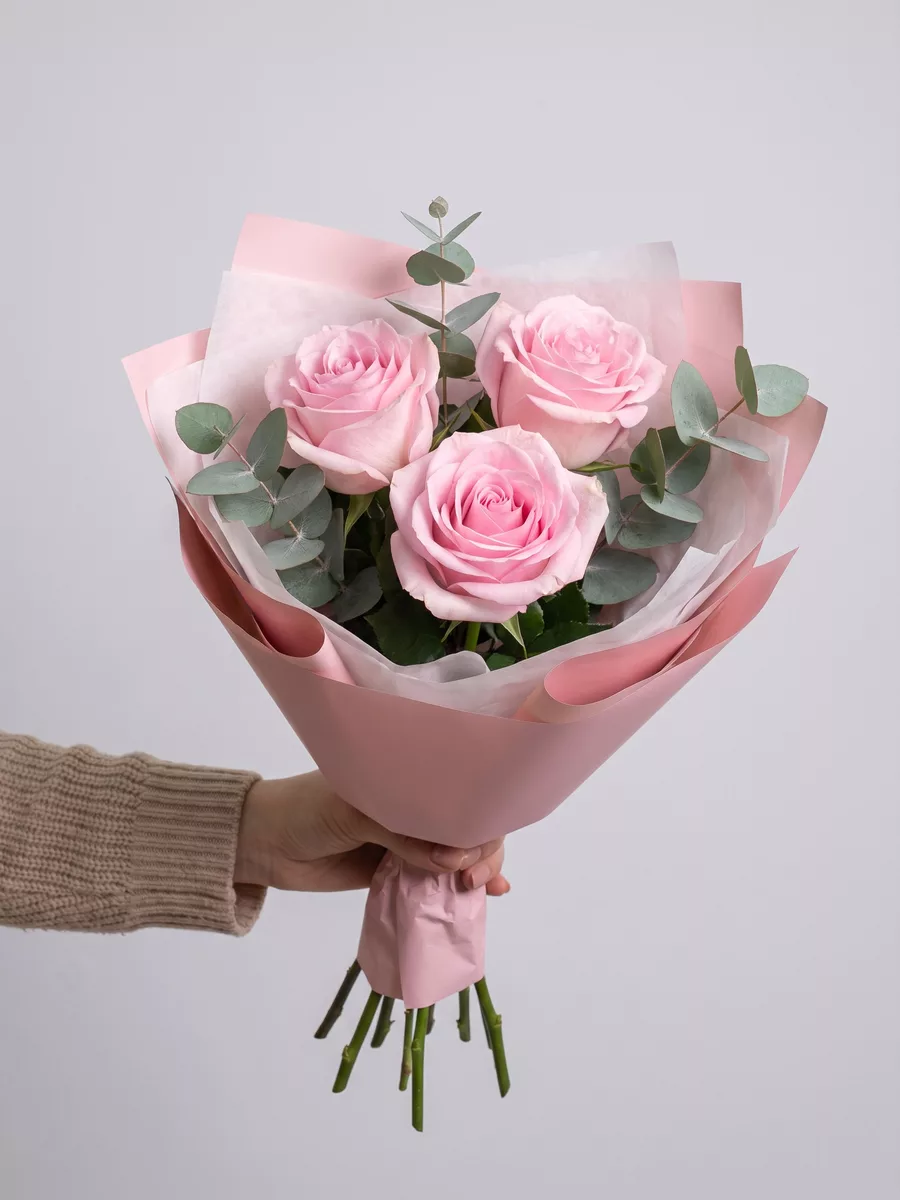
Delivery Timing: What the 1–2 Hour Window Means in Practice
The 1–2 hour delivery promise is built around the moment your order is confirmed and a courier is dispatched. In Usinsk, as in any city we serve, that window begins when the bouquet is ready and a route is mapped. The city is compact enough that most addresses fall within a manageable radius from the central area, which keeps transit times predictable.
For same-day delivery, placing your order before early afternoon gives the best results. Orders placed in the morning allow the florist time to condition stems properly — cutting them at an angle, removing submerged leaves, letting the flowers drink in cool water before they are wrapped. Rushing that conditioning step is one of the most common reasons a bouquet arrives looking tired rather than fresh.
For important occasions — a birthday, an anniversary, a graduation — we strongly recommend scheduling delivery for a specific one-hour window rather than leaving it open-ended. This is especially relevant in Usinsk, where the recipient may be at work in an office building with restricted access or living in a residential block with an intercom. Providing the recipient's phone number when you order means the courier can call ahead, which avoids missed deliveries and the awkward situation of flowers waiting in a cold stairwell.
If you are sending to someone who works shifts in the oil sector — common in Usinsk — confirm their schedule before ordering. A 7 a.m. delivery makes perfect sense for someone coming off a night shift; a midday delivery to a shift worker who is sleeping would be wasted. A short message to the recipient beforehand, without revealing the surprise, can save the bouquet.
Choosing Flowers for the Person, Not Just the Occasion
The most useful question to ask yourself before ordering is not what flowers are popular right now, but what the recipient actually notices and responds to. Some people are moved by scent — for them, oriental lilies, freesias or hyacinths carry an emotional weight that a standard rose bouquet simply does not. Others are visual first: they want the drama of tall stems, bold colour contrast and architectural shapes like proteas, anthuriums or large-headed sunflowers.
For a woman who keeps a tidy home and has a sense of style, a monochromatic bouquet in cream and blush — garden roses, ranunculus, white lisianthus and eucalyptus — tends to feel more considered than a mixed rainbow arrangement. For a man, a sculptural composition with tropical elements or a single-variety bunch of deep burgundy dahlias reads as intentional rather than generic.
Children and teenagers often respond best to colour and playfulness: bright gerberas, cheerful chamomile-type chrysanthemums and sunflowers in mixed warm tones feel joyful without being overly formal. For a teacher or colleague, something elegant and low-maintenance suits the context — alstroemeria is an excellent choice here because it lasts up to two weeks and comes in a wide range of colours without requiring daily attention.
In Russian culture, the number of flowers in a bouquet carries meaning: an even number is traditionally associated with mourning, so bouquets for celebrations always contain an odd number of stems. If you are ordering from outside Russia and were not aware of this, it is worth knowing — our florists always count carefully so you never have to think about it.
Budget Ranges and What Each Level Actually Gets You
Flower budgets in Russia are not always intuitive for someone ordering from abroad, because what counts as modest or generous shifts depending on the city and the occasion. Rather than listing prices here, it is more useful to think in terms of what each spending level delivers in terms of volume, variety and presentation.
At a modest level, you are typically looking at a single-variety bunch of seven to nine stems — tulips in season, spray chrysanthemums, alstroemeria or carnations. These are not lesser flowers; they are simply honest and clean. A tight bunch of fifteen white tulips with a wide satin ribbon is genuinely beautiful and will last well in a Usinsk apartment.
At a mid-range level, combinations open up. You can pair roses with complementary filler flowers like waxflower, gypsophila or pittosporum, add a contrasting accent flower, and choose a more elaborate wrapping — kraft paper, fabric, or a layered presentation with a decorative sleeve. This level also allows for some seasonal premium flowers: peonies in late spring, dahlias in late summer, hyacinths in early spring.
At a higher level, you are working with premium varieties — garden roses with layered petals like David Austin types, large-headed peonies, orchid stems, proteas or tropical focal flowers — combined into a structured arrangement with professional styling. Presentation at this level includes decorative boxes, hatboxes or woven baskets, which also solve the practical problem of the recipient not owning a vase large enough for a statement bouquet.
Whichever level you choose, the conditioning and care before dispatch is the same. The investment in quality starts at the flower market, not just at the wrapping table.
Seasonal Availability and What Grows When
Russia's flower market is heavily import-dependent, which means that in Usinsk — as in Moscow or Saint Petersburg — Dutch-grown roses, Kenyan spray roses and Ecuadorian large-headed roses are available year-round. The same is true for standard chrysanthemums, alstroemeria, gerberas and carnations. These are the backbone of any florist's inventory regardless of season.
What changes with the seasons is the availability of specialty and domestic flowers. Tulips peak from late February through April, with Russian-grown tulips appearing in volume around International Women's Day on March 8th — the single busiest flower day in the Russian calendar, when demand is so high that ordering at least two to three days in advance is genuinely important. Peonies arrive in late May and June. Sunflowers and dahlias are summer and early autumn flowers. Hyacinths and narcissus are early spring.
In Usinsk specifically, the short summer means that locally grown garden flowers are rare. Almost everything arrives from outside the region, which is standard across northern Russian cities. This does not affect quality — flowers are conditioned and shipped at the correct temperature — but it does mean that very delicate varieties with short vase lives, like sweet peas or anemones, require careful timing and are best ordered for same-day delivery rather than scheduled for a future date.
If you are unsure what is at its best on the day you want to send, our florists can advise based on what came in that morning. A seasonal recommendation from someone standing in the workroom is always more reliable than a fixed catalogue list, and we encourage you to ask.
Presentation Details That Make the Difference in Usinsk
In Russian gifting culture, presentation is taken seriously. An unwrapped bunch handed over at the door would feel incomplete regardless of how beautiful the flowers are. Wrapping, ribbon and a handwritten card are not optional extras — they are part of the gift itself, and recipients notice the care that went into them.
For Usinsk deliveries in winter, packaging serves a double purpose: it looks intentional and it protects the flowers from cold air during the final steps from the courier's vehicle to the front door. A well-wrapped bouquet in layered kraft paper with an inner sleeve holds warmth for the few minutes of outdoor exposure and arrives looking like it was assembled moments ago.
Handwritten cards are meaningful in a way that printed messages are not. Even a short line — three or four words — in actual handwriting signals that someone took a moment. When ordering online from a distance, you can type your message and our florists write it by hand before dispatch. If you are sending to a Russian speaker but writing in English, that is fine — receiving an English message from someone abroad often adds to the sentiment rather than detracting from it.
For corporate gifts or group occasions, a matching set of smaller bouquets for several people in the same office or household often works better than one large arrangement. It avoids the social awkwardness of one person receiving a dramatic bouquet while colleagues receive nothing, and it multiplies the visual impact when everyone unwraps at the same time. Usinsk's close-knit oil-industry workplace culture makes this approach particularly appropriate.
Keeping Flowers Fresh After Delivery: What the Recipient Should Do
The moment a bouquet arrives is not the end of the florist's job — it is the beginning of the recipient's. A few simple actions in the first thirty minutes after delivery can double the vase life of almost any arrangement.
First, the stems need a fresh cut. Using a sharp knife or clean scissors, cut each stem at a 45-degree angle — this increases the surface area for water uptake. Do this under running water or while the stem is submerged in a basin, so no air bubble enters the cut end. In Usinsk's dry heated apartments in winter, this step matters more than in humid climates because the air itself pulls moisture from petals faster.
Fill a clean vase with cool water — not cold, not warm. Remove any leaves that would sit below the waterline, because submerged foliage rots quickly and contaminates the water, shortening vase life for everything above it. Change the water every two days and recut the stems each time you do.
Keep the arrangement away from radiators and heating vents, which are everywhere in Russian apartments during the long Usinsk winter. A spot on a windowsill might seem decorative, but if the radiator beneath it is running, the heat rising past the flowers will shorten their life by days. A cool interior wall or a dining table away from heat sources is better.
Roses and lilies last seven to ten days with proper care. Alstroemeria and chrysanthemums can reach twelve to fourteen days. Tulips are shorter — five to seven days — but they continue to grow and open in the vase, which many people find beautiful. Letting them do so, rather than trying to keep them tight, is part of enjoying them fully.
Sending flowers to Usinsk is less complicated than the distance might suggest, and the result — a fresh, well-presented bouquet arriving at someone's door in the far north — carries a weight that a digital message simply cannot match. The key is choosing flowers suited to the season and the person, timing the delivery around the recipient's actual day, and trusting that the details of wrapping, card and care have been handled properly. When those pieces come together, the distance disappears entirely.
Frequently asked questions
Can I send flowers to Usinsk on the same day I order?
Yes, same-day delivery is available for orders placed before early afternoon. For the best result, order in the morning so the florist has time to condition the stems properly before dispatch. If you need a delivery in a specific one-hour window — for example, before the recipient leaves for work — note that when you place the order and we will plan the route accordingly.
Do flowers survive the cold during delivery in Usinsk winters?
Cold air during transit is actually beneficial for cut flowers — it slows wilting in the same way a refrigerator does. The important step is the transition indoors. Our couriers allow bouquets to acclimatise gradually rather than moving them from freezing air into a heated hallway instantly. Packaging is also adjusted for winter: extra insulating wrap and moisture-retaining stem sleeves are standard for northern deliveries.
What flowers are available in Usinsk year-round?
Roses, alstroemeria, chrysanthemums, gerberas and carnations are available throughout the year because they are imported from growing regions in the Netherlands, Kenya and Ecuador. Seasonal flowers like tulips, peonies, dahlias and hyacinths appear at their natural times and are worth choosing when they are at their peak. Ask our florists what is freshest on the day you order.
Why does the number of stems in a bouquet matter in Russia?
In Russian tradition, an even number of flowers is associated with mourning and is brought to funerals. For any celebratory occasion — a birthday, anniversary, graduation or just a kind gesture — the bouquet should contain an odd number of stems. Our florists always count carefully before wrapping, so you do not need to specify this separately when ordering.
What should the recipient do if they do not have a vase large enough?
A wide-mouthed jug, a tall glass or even a clean bucket works perfectly well as a temporary vase. Alternatively, when you order at a higher budget level, presentation boxes and hatboxes are available — these hold flowers without requiring a vase at all and often look more striking on display. Let us know if the recipient is unlikely to have a suitable container and we will suggest the right packaging.
Ready to send flowers?
Pick the city, choose the bouquet, and a local florist takes it from there.
Choose a city →