Sending Flowers to Ust-Ilimsk? Here Is What to Expect
Ust-Ilimsk sits deep in Siberia, more than four thousand kilometres from Moscow, surrounded by taiga and shaped by a climate that swings from minus thirty in January to a warm, brief summer. Sending flowers here is not complicated, but it does reward a little planning — the right varieties, the right packaging and a clear sense of when and where you need the bouquet to arrive. This article walks you through everything a first-time sender needs to know.
Who Receives Flowers in Ust-Ilimsk and Why It Matters
Before you think about roses or tulips, think about the person opening the door. A colleague celebrating a work anniversary expects something composed and professional — structured stems, muted greenery, nothing too intimate. A mother receiving flowers on her birthday wants warmth and generosity, the kind of bouquet that fills a room with colour and scent. A young partner wants surprise, something unexpected that says you paid attention.
Ust-Ilimsk is a city built around industry and community. Gestures here tend to be sincere rather than showy. Locals appreciate a well-made bouquet over an oversized one, and they notice when flowers are fresh. A drooping rose or a browning lily tip signals carelessness more loudly than it might in a larger city where florists are everywhere and comparisons are easy.
Russian gifting culture places real value on odd numbers of stems — three, five, seven, nine. Even numbers are traditionally associated with mourning, so a bouquet of six roses can feel jarring to a Russian recipient even if they never say so. If you are sending from abroad or simply unfamiliar with this, stick to odd numbers and you will always be on safe ground.
The occasion also shapes the colour palette. Bright reds and deep pinks read as romantic. Yellows and oranges are cheerful and celebratory. White is elegant and works beautifully for birthdays and professional milestones. Mixing warm tones — peach spray roses with orange gerbera and cream chrysanthemum — creates something that feels abundant without being overwhelming.
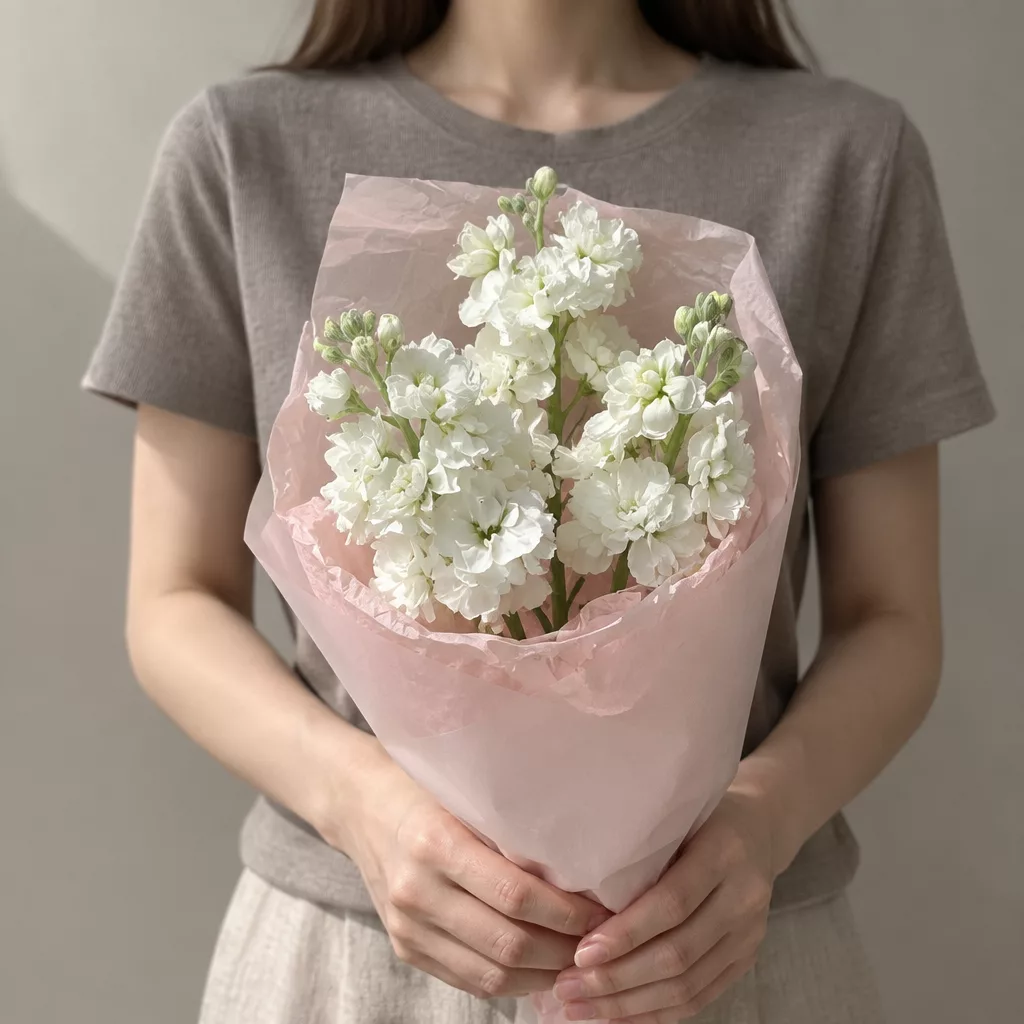
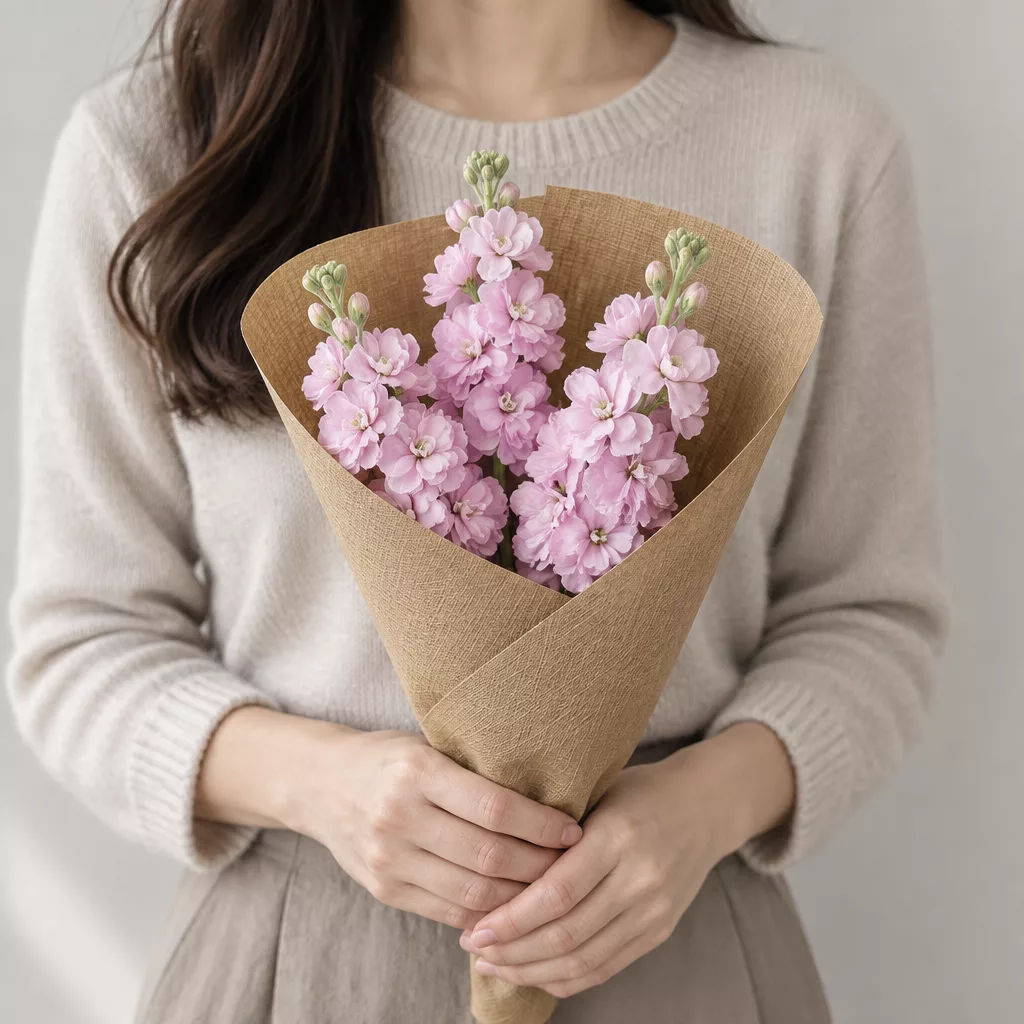
Bouquets we can deliver


Delivery Areas and Addresses in Ust-Ilimsk
Ust-Ilimsk divides broadly into the older town centre and the newer residential districts that grew outward as the hydroelectric station and timber industry expanded. Both areas are served, but addresses in Ust-Ilimsk follow a Soviet-era naming convention that can confuse people ordering from outside Russia. Buildings are often identified by a microdistrict number and a building number rather than a street name alone, so double-checking the full address with the recipient beforehand saves a great deal of back-and-forth.
When you place an order, write the address exactly as it appears on the recipient's documents or as they give it to you. Include the apartment number, the entrance number if the building has multiple entrances, and any door code if one exists. In large panel apartment blocks — and Ust-Ilimsk has many — a courier without the entrance code can wait outside for a long time.
Private houses in the outskirts and dacha areas on the city periphery may require additional time. If the recipient lives outside the main urban zone, mention this when ordering so the delivery window can be adjusted. It is always better to set an accurate expectation than to promise a two-hour window and miss it.
If you are ordering a surprise delivery and the recipient is unlikely to be home, consider sending to a workplace instead. Offices and industrial facilities in Ust-Ilimsk are generally reachable during standard working hours, and a bouquet arriving at someone's desk creates a moment that colleagues share — which doubles the joy for the person receiving it.
Timing Your Order Around Ust-Ilimsk's Climate
Ust-Ilimsk experiences one of the more demanding climates in European and Asian Russia. Winter temperatures regularly fall to minus twenty-five or minus thirty degrees Celsius, and even autumn and spring bring sharp frosts. This matters enormously for cut flowers, which are living things that react to cold within minutes of exposure.
In winter, every bouquet that travels here needs insulated packaging — a thermal sleeve or a wrapped box that keeps the stems above freezing during the journey from the car to the door. Flowers left unprotected in a vehicle or handed to a recipient on an open doorstep in January can suffer petal burn and wilting within minutes. A good florist accounts for this automatically, but it is worth confirming when you order.
Summer in Ust-Ilimsk is short but genuinely warm, sometimes reaching thirty degrees in July. The challenge reverses: flowers need to stay cool, away from direct sun, and ideally delivered during morning or evening hours when temperatures are lower. Peonies and garden roses are particularly vulnerable to heat and should be ordered for morning delivery in summer.
Spring and early autumn are the most forgiving seasons for flower delivery. Temperatures are moderate, daylight is long in summer's tail, and the city feels more open. Tulips and ranunculus hold up beautifully in April and May. Chrysanthemums and alstroemeria are reliable autumn choices because both varieties tolerate temperature fluctuations better than most cut flowers and hold their form for seven to ten days in a cool room.
Choosing Flowers for the Occasion and the Budget
For a romantic gesture, red or deep-pink roses remain the clearest signal — a classic choice that needs no explanation in any culture. Pair them with eucalyptus or ruscus for a modern look, or with white gypsophila for something softer and more traditional. Five or seven stems of a large-headed variety like Explorer or Red Naomi make a strong impression without requiring a very large budget.
For birthdays, the most generous-feeling bouquets combine two or three varieties rather than one. Try orange gerbera with yellow freesia and cream alstroemeria — the colours work together, the textures contrast, and freesia adds a genuine fragrance that a recipient notices the moment the wrapping comes off. Fragrance matters more in a home environment than people realise when ordering online.
For a professional occasion — a promotion, a work anniversary, a thank-you — white and green combinations read as polished and respectful. White spray roses with green trick dianthus and steel grass create something architectural and considered. Avoid very fragrant varieties for office deliveries, since not everyone appreciates strong scent in a shared workspace.
For someone who tends to say they do not need flowers, a small but precise bouquet often works better than a large one. Three stems of a garden rose variety with a single branch of waxflower and a length of ribbon is not a compromise — it is a statement of intention. The care in the selection communicates more than the volume.
When budget is the main constraint, single-variety bouquets of sturdy stems — chrysanthemum, alstroemeria or carnation — are honest and beautiful. A monobouquet of white carnations arranged tightly is striking and lasts well over a week with simple care.
What the Delivery Window Actually Means
When Turboflora quotes a one-to-two-hour delivery window, that clock starts from the moment the order is confirmed and the bouquet is assembled, not from when you first visit the website. Assembly itself takes time — stems are cut at an angle, conditioning water is added, packaging is chosen to match the weather outside. For standard orders this is typically fifteen to twenty minutes before the courier departs.
If you are ordering for a specific moment — the end of a performance, the arrival at a restaurant, a surprise at the door at exactly seven in the evening — place the order at least two hours before that moment and note the required arrival time in the comments field. A florist who knows the target time can work backwards and dispatch accordingly.
Surprise deliveries require a working phone number for the recipient. If the courier cannot reach the person and there is no access to the building, the bouquet cannot simply be left in a corridor — flowers need to be handed to someone. Providing a secondary contact, such as a neighbour or a colleague who knows about the surprise, solves this cleanly.
Do not assume that ordering the evening before guarantees a morning delivery unless you have specified a morning slot. Orders placed late at night are fulfilled in the morning queue in the order they arrive, so an early morning surprise is best booked with a clear requested time. The more specific you are, the more the florist can do for you. Vague instructions produce average results; precise ones produce exactly what you pictured.
How to Keep Flowers Fresh in a Siberian Home
Russian apartments, especially in Siberian cities, are heated intensively through the winter. Central heating in Ust-Ilimsk runs from October through April, and indoor temperatures can sit at twenty-two to twenty-five degrees Celsius continuously. This is warm for cut flowers, which prefer twelve to fifteen degrees. The practical advice is to keep the vase away from radiators and away from windowsills where cold drafts meet warm air — that combination stresses stems more than either extreme alone.
Change the water every two days and re-cut the stems at an angle each time, removing about a centimetre. This sounds fussy but takes under two minutes and extends vase life significantly. Bacteria build up in the water and block the stem's ability to drink, so fresh water is not optional — it is the single most effective thing a recipient can do.
Remove any leaves that fall below the waterline. Submerged leaves rot quickly and cloud the water, accelerating bacterial growth. Keeping the lower third of each stem bare is a simple habit that makes a visible difference within twenty-four hours.
Different varieties have different lifespans and it helps to know what to expect. Chrysanthemums and alstroemeria last ten to fourteen days with basic care. Roses last five to eight days depending on the variety and the room temperature. Tulips last four to six days but look spectacular for most of that time. Gerbera last five to seven days but need shallow water — no more than five centimetres — because their hollow stems rot from the inside if submerged too deeply. Knowing this helps a recipient enjoy each variety at its best rather than feeling disappointed when shorter-lived stems go first.
Small Details That Make a Delivery Feel Special
A handwritten card changes the experience of receiving flowers more than almost any other addition. A printed label with a name is functional; a few lines in someone's handwriting are personal. When you order, take sixty seconds to write something specific — not just 'happy birthday' but a sentence that only you could have written. Florists can transcribe your message onto a card if you type it into the order notes, and recipients keep those cards long after the flowers are gone.
Presentation wrapping is another detail worth considering. Kraft paper with a satin ribbon reads as warm and artisanal. Transparent cellophane with a bow is classic and lets the colours show through. A fabric wrap or a hat box format suits someone who lives alone and will display the flowers exactly as they arrive. Mention the occasion and the recipient's style when you order and a florist can suggest the right presentation.
If the person you are sending to has a favourite flower or colour, say so. Even if that variety is out of season, a florist can often find something in the same spirit — a peach spray rose instead of a peach garden rose, for example, or a white lisianthus when white peonies are unavailable. Working with what is available rather than against it produces better results than insisting on something the season cannot provide.
Finally, consider the vase situation. Not everyone owns a vase, particularly younger recipients or people who have recently moved. A bouquet in a water-filled box or a wrapped arrangement that can stand on its own buys the recipient time to find a container. It is a small practical kindness that a good florist builds in automatically when the order notes suggest it might be needed.
Ust-Ilimsk is far from the flower markets of Moscow and Saint Petersburg, but distance is not the obstacle it once was. With the right varieties, proper cold-weather packaging and a clear address, a bouquet can arrive in excellent condition and create a genuine moment for whoever opens the door. The things that make a delivery memorable are rarely complicated — a precise time, a real message, a flower chosen for the person rather than the occasion alone. Get those right and the distance disappears entirely.
Frequently asked questions
Can I order flowers to Ust-Ilimsk if I am outside Russia?
Yes. You can place an order from anywhere in the world through the Turboflora website. You will need the recipient's full address including apartment and entrance number, and a working Russian mobile number for the recipient so the courier can reach them. Payment is processed online and the order is confirmed by email.
What happens to flowers in minus twenty-five degree weather during delivery?
Every winter bouquet is packaged in insulated thermal wrapping before it leaves the shop. The courier transfers it quickly between a heated vehicle and the building entrance. The window of exposure to extreme cold is kept as short as possible, and the packaging maintains a safe temperature for the flowers throughout that transition.
Is it possible to deliver flowers to an industrial facility or workplace in Ust-Ilimsk?
Workplace deliveries are possible and often very effective for surprises. Provide the full name of the recipient, the name and address of the facility, and any security or reception procedure you know about. It helps to warn the recipient's colleague in advance if access requires an escort or a pass.
Why do Russian bouquets always have an odd number of stems?
In Russian tradition, even numbers of flowers are associated with mourning and are brought to funerals. Odd numbers are for the living — celebrations, gratitude, affection. Most recipients will not comment if you send an even number, but an odd count is the culturally fluent choice and signals that you know what you are doing.
Which flowers last longest in a warm Siberian apartment in winter?
Chrysanthemums and alstroemeria are the most resilient in heated indoor environments, typically lasting ten to fourteen days with fresh water every two days. Carnations are also exceptionally durable. Roses and gerbera are shorter-lived in warm rooms but remain beautiful for five to seven days if kept away from radiators and direct sunlight.
Ready to send flowers?
Pick the city, choose the bouquet, and a local florist takes it from there.
Choose a city →