Sending Flowers to Uvarovo? Here Is What to Expect
Uvarovo sits in the Tambov region, a quiet city where a well-chosen bouquet still turns an ordinary day into something memorable. Whether you are sending roses to a mother on her birthday, congratulating a colleague on a promotion, or simply telling someone you are thinking of them, the distance between Saint Petersburg and Uvarovo is not the obstacle it might seem. With the right preparation, fresh flowers reach your recipient in excellent condition — and this article walks you through every step of making that happen.
Where in Uvarovo We Deliver and How the Coverage Works
Uvarovo is a compact city, which is genuinely good news for delivery. Streets are not sprawling, addresses are straightforward, and our couriers know how to navigate smaller Russian cities where building numbering can occasionally surprise you. We deliver to residential apartments, private houses, workplaces, and public locations such as cafes or parks if the recipient will be there to receive the bouquet in person.
The key thing to understand is that we work directly from our end, handling the order from the moment you place it through to the moment the flowers are handed over. There is no handoff to an unknown third party. This matters because it means the cold chain — the temperature-controlled handling that keeps petals fresh — stays consistent throughout the journey.
When you enter the recipient's address, be as specific as possible. In Russian cities, the format is: street name, building number, apartment or office number, and any entrance code if the building has a secured door. If the recipient lives in a private house with a gate, mention it in the order notes. A small detail like that prevents the courier from waiting outside while the flowers sit in a warm car. Providing the recipient's phone number is also important — our courier will call ahead to confirm the best moment to arrive, which is standard practice in Russia and genuinely appreciated by most people.
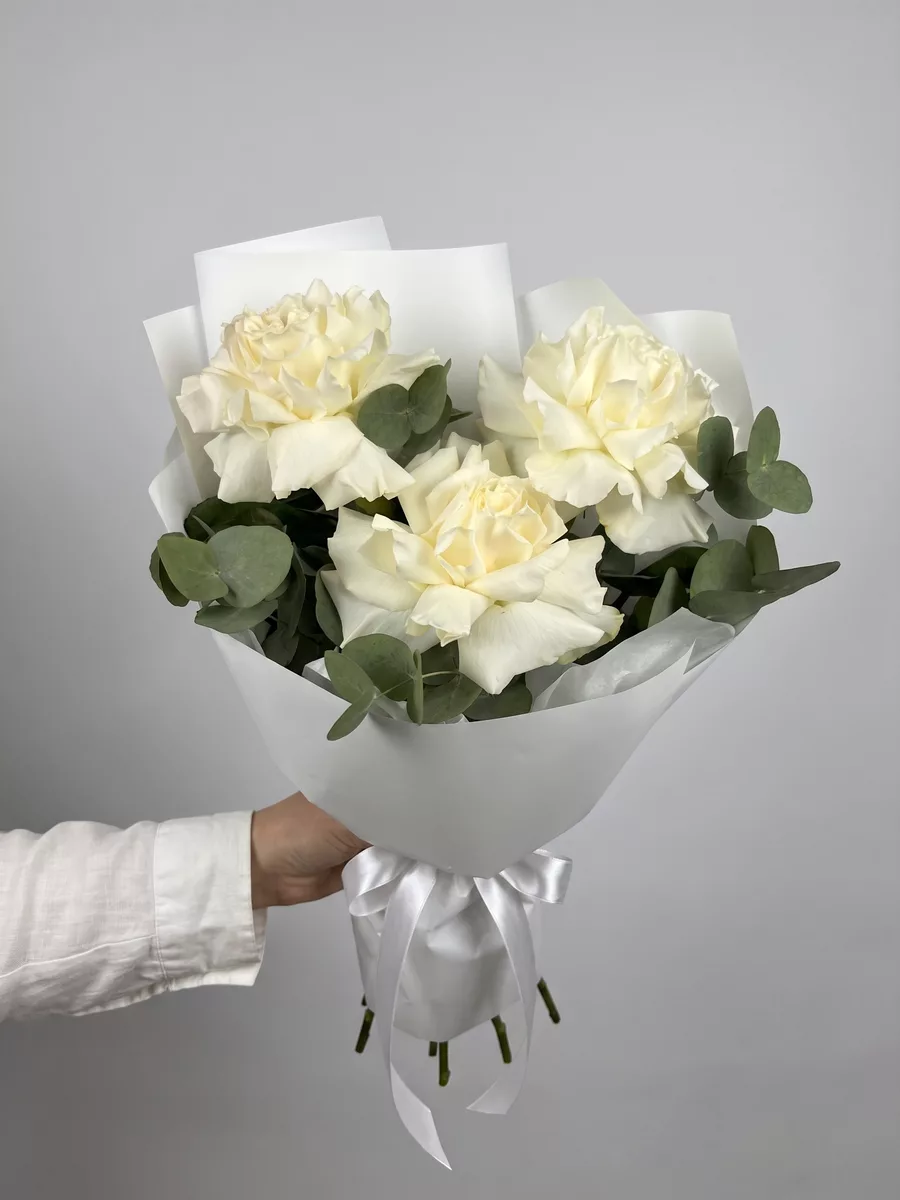
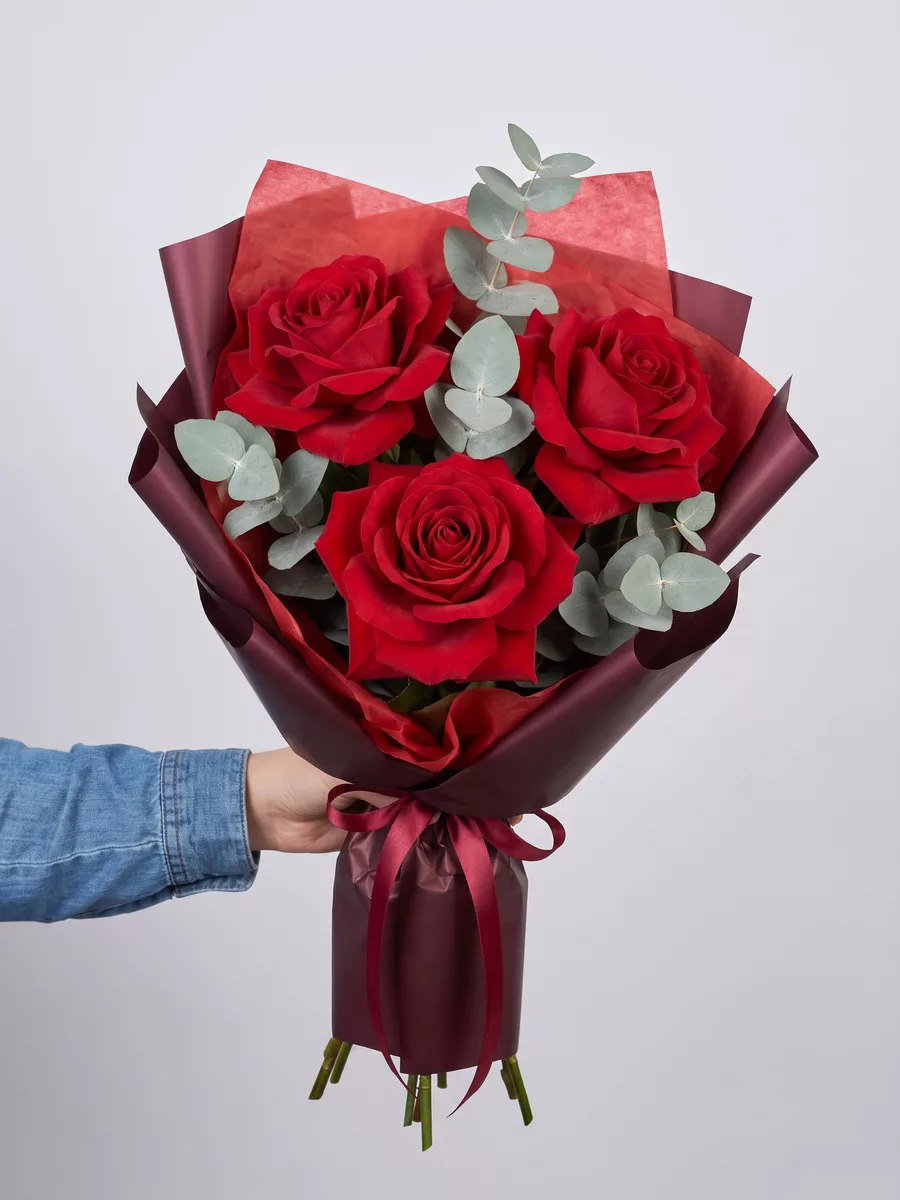
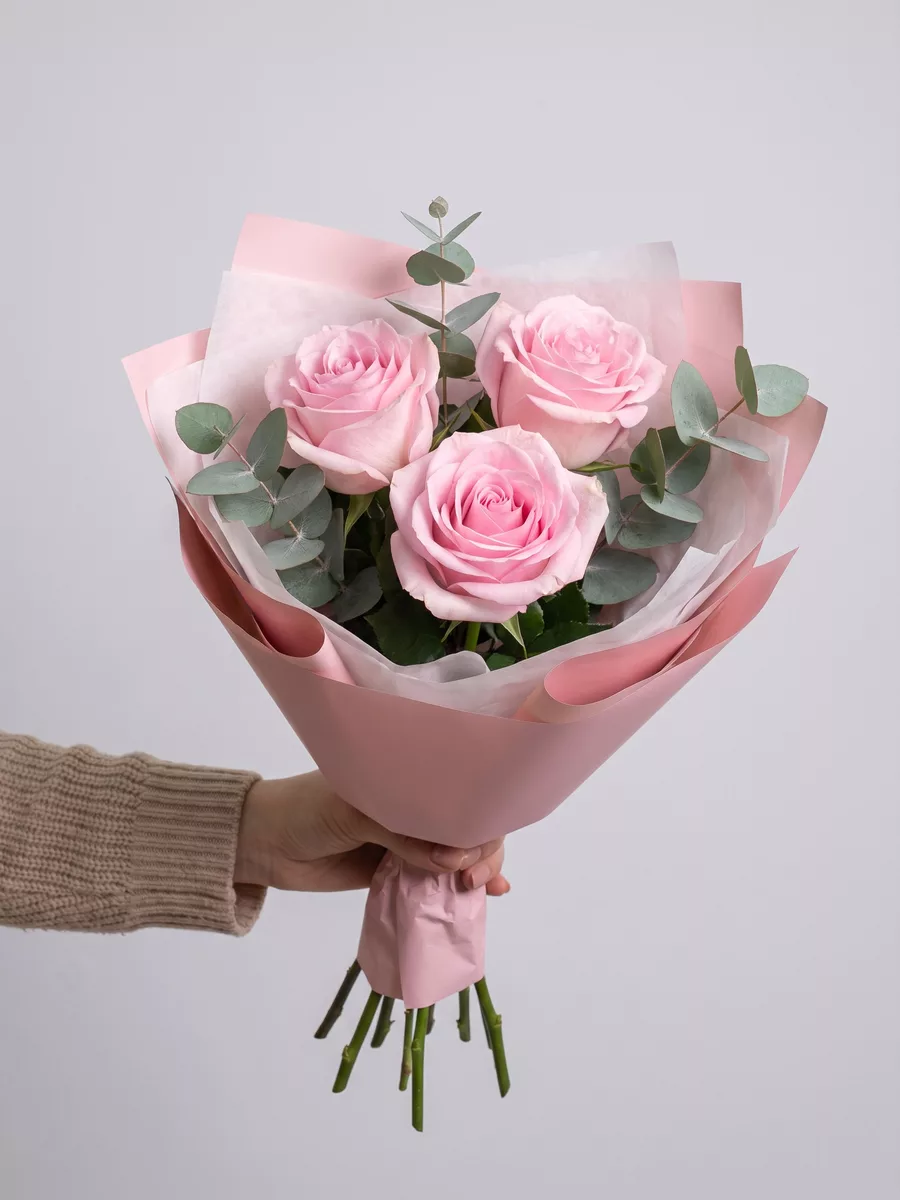
Bouquets we can deliver

Delivery Timing: What the Journey from Saint Petersburg Actually Looks Like
Turboflora is based in Saint Petersburg and delivers fresh flowers across Russia, including Uvarovo. For intercity deliveries at this distance, same-day delivery is available when orders are placed before the daily cutoff time shown on the website at the moment of checkout. Next-day delivery gives you more flexibility and is often the most reliable option if you want to choose a specific arrival window.
The bouquet travels in temperature-controlled packaging designed to keep flowers between four and eight degrees Celsius. This range is the standard florist cold-chain temperature — warm enough to prevent frost damage on delicate petals, cool enough to slow the natural aging process that begins the moment a stem is cut. Roses, chrysanthemums, and alstroemeria handle this journey particularly well. More delicate flowers such as garden ranunculus or open peonies need a little more care in warm weather, which is something we factor into how we pack each order.
Planning around the occasion matters more than most people realise. If the birthday is on a Thursday, ordering on Tuesday evening gives you the cleanest delivery window and the most room to add a note, choose packaging, and confirm the address without rushing. Last-minute orders are absolutely possible, but the earlier you place an order for a city like Uvarovo, the more options remain open to you. Think of it the way you would think about booking a restaurant — earlier is simply easier for everyone involved.
Choosing the Right Flowers for the Person, Not Just the Occasion
The occasion tells you the mood; the person tells you the flower. A birthday for a woman in her sixties who loves her garden calls for something entirely different from a congratulations bouquet for a twenty-five-year-old colleague who just finished her university exams. Getting this right is the difference between a bouquet that feels personal and one that feels generic.
For warm, affectionate occasions — a mother's birthday, a thank-you to a teacher, a visit to a new grandmother — soft tones work beautifully. Blush and cream roses combined with white lisianthus and a few stems of eucalyptus create something that feels generous without being showy. Lisianthus, sometimes called eustoma in Russian flower shops, has ruffled petals that resemble a cross between a rose and a peony and it travels exceptionally well.
For celebrations with more energy — a promotion, a graduation, a new home — bolder combinations make sense. Bright coral roses with orange spray chrysanthemums and yellow solidago create a bouquet that feels like applause. Solidago is the feathery yellow filler that adds warmth and volume without competing with the focal flowers.
For romantic occasions, red roses remain the clearest signal in Russian culture, and a single variety done well — forty stems of the same red rose, stems cut to the same length, wrapped in kraft paper — is more impressive than a complicated mixed arrangement. In Russia, bouquets are traditionally given in odd numbers, so thirty-one or fifty-one roses rather than thirty or fifty. This is one of those customs worth knowing if the recipient is Russian.
Seasonal Flowers and What Travels Best in Each Season
Uvarovo experiences a continental climate with cold winters and warm summers, and that temperature range affects which flowers survive the journey best at different times of year. Understanding this helps you choose a bouquet that arrives looking the way it did when it left our studio.
In winter, from November through February, the cold outside air is actually an advantage for the cold chain. Roses, carnations, and chrysanthemums are all at their most robust during this period. Tulips, which are available from Dutch growers throughout the year, are particularly good winter choices — they are sturdy, cheerful, and arrive with tight buds that open gradually over several days in the recipient's home, extending the life of the gift.
Spring brings tulips in abundance alongside hyacinths and early ranunculus. Hyacinths are fragrant and compact, ideal for smaller bouquets or as an accent alongside roses. They do not last as long as roses — typically five to seven days compared to ten to fourteen for a well-kept rose — but the scent they release in a room is something no other flower replicates.
Summer is the season for sunflowers, which are enormously popular in Russia and travel well because their stems are thick and their heads are naturally sturdy. Combine them with blue delphinium for a combination that feels like a warm afternoon. In autumn, dahlias and asters come into their own. Dahlias are available in a remarkable range of forms — tight ball dahlias, open decorative dahlias, small pompom varieties — and they bring a richness of colour that suits the season perfectly.
How to Write a Card That Feels Right in a Russian Context
In Russia, a handwritten card or a printed message attached to the bouquet is a standard and expected part of a flower gift. It is not seen as an afterthought — it is part of the gesture. If you are sending flowers from abroad or are unfamiliar with Russian conventions, a warm, direct message in plain language works perfectly. You do not need to translate into Russian unless you want to; many recipients, particularly in younger age groups, read English comfortably, and an English message from someone abroad carries its own sincerity.
Keep the message focused on the recipient rather than the occasion. Instead of writing Happy Birthday, try writing something like: I have been thinking about how much your support has meant to me this year, and I wanted to mark this day properly. That kind of specificity turns a card into something the recipient might keep.
If you want to include a Russian phrase, a few are worth knowing. Pozdravlyayu means I congratulate you and works for almost any positive occasion. S dnyom rozhdeniya means Happy Birthday. Ot vsej dushi means from the bottom of my heart and is used genuinely, not as a cliche, in Russian. Any of these written in the Latin alphabet rather than Cyrillic is completely fine — the gesture of trying carries more weight than the spelling.
Avoid overly formal language in personal bouquets. Russian culture values warmth and directness between people who care for each other. A message that sounds like a corporate email will feel out of place attached to a bouquet of peonies.
Caring for the Bouquet Once It Arrives in Uvarovo
The moment the bouquet is in the recipient's hands, a new phase begins. What happens in the first hour determines how long those flowers will look beautiful. Passing along a few simple care instructions — either verbally or in a note — is one of the kindest things you can do alongside the gift itself.
The first step is recutting the stems. Using a sharp knife or scissors, each stem should be cut at a forty-five-degree angle under running water or while submerged in a bowl. This angle maximises the surface area through which the stem draws water and prevents the cut end from sitting flat against the bottom of the vase, which would block water uptake entirely. Even if the stems were cut at the studio, they should be recut after transit.
The vase should be clean and filled with cool, fresh water. Flower food sachets, if included with the order, should be dissolved in the water before the stems go in. Remove any leaves that would sit below the waterline — decomposing leaves cloud the water and introduce bacteria that shorten vase life significantly.
Keep the bouquet away from direct sunlight, radiators, and fruit bowls. Ripening fruit releases ethylene gas, which accelerates the aging of flowers. A cool room, ideally between fifteen and twenty degrees Celsius, is ideal. Change the water every two days and recut the stems each time. Following these steps, roses typically last ten to fourteen days, alstroemeria up to two weeks, and chrysanthemums sometimes longer. Tulips will last five to eight days but will continue to grow and move in the vase, which many people find charming.
Making a Surprise Delivery Work Without Giving It Away
Surprise deliveries are one of the most requested types of orders, and they require a small amount of coordination to go smoothly. The goal is for the recipient to answer the door or step outside and find a courier holding flowers — not to receive a call from a confused driver who cannot find the building.
The most important thing is a reliable phone number for the recipient. The courier will call when they are close, and if the recipient does not answer, the delivery cannot proceed as a surprise. One approach that works well is to let a trusted person at the recipient's location know that a delivery is coming — a family member, a flatmate, or a colleague — without telling the recipient themselves. That person can quietly ensure someone is available to receive the bouquet.
For workplace deliveries, specify the company name and floor number if you know it. Reception desks in Russian offices are generally helpful with bouquet deliveries — it is a common enough occurrence that most receptionists handle it graciously. If the recipient works from home, a morning delivery often works better than an evening one, as people tend to be at home and alert rather than possibly out for the evening.
If you are coordinating across time zones — which is common when sending flowers from abroad to someone in Russia — remember that Uvarovo operates on Moscow Time, which is UTC plus three hours. This affects your cutoff time for same-day orders and helps you plan the arrival window around the recipient's actual schedule rather than your own.
Sending flowers to Uvarovo is a straightforward and genuinely rewarding thing to do when it is handled with care. The distance is real, but it is not a barrier — it is simply a logistical detail that we manage on your behalf, from the moment the stems are cut to the moment your recipient opens the door. Choose flowers that suit the person, plan the timing with a day or two of room, pass along the care instructions, and the bouquet will do the rest. A well-chosen arrangement arriving in a small Russian city carries exactly the same warmth as one handed over in person. Sometimes it carries more, because the effort of sending it from far away is part of the message.
Frequently asked questions
Can I order flowers for delivery in Uvarovo on the same day?
Same-day delivery to Uvarovo is available when your order is placed before the daily cutoff time shown during checkout. For the most reliable experience, especially if you have a specific arrival window in mind, next-day delivery gives you more flexibility. Either way, the bouquet travels in temperature-controlled packaging to arrive in fresh condition.
What happens if the recipient is not home when the courier arrives?
Our courier calls the recipient before arriving to confirm the best moment. If the recipient is temporarily unavailable, the courier will arrange a new time. For surprise deliveries, we recommend coordinating with a trusted person at the recipient's address — a flatmate, family member, or colleague — who can quietly ensure someone is there to receive the flowers.
How many flowers should I order for a Russian birthday bouquet?
In Russian tradition, bouquets are given in odd numbers — so eleven, twenty-one, or fifty-one stems rather than ten, twenty, or fifty. This applies to single-variety bouquets like roses. Mixed arrangements are less strictly counted, but if you want to follow local custom, keeping an odd number of focal flowers is a thoughtful detail that most Russian recipients will notice and appreciate.
Which flowers last the longest after delivery to Uvarovo?
Chrysanthemums, alstroemeria, and carnations are among the most durable flowers and regularly last two weeks or more with proper care. Roses last ten to fourteen days when stems are recut and water is changed every two days. Tulips are shorter-lived at five to eight days but open gradually and are very popular. Hyacinths are fragrant and beautiful but typically last five to seven days.
Can I include a card message in English, or should it be in Russian?
An English message is completely fine. Many recipients in Russia, particularly younger people, read English comfortably, and a heartfelt message in your own language carries genuine sincerity. If you would like to include a Russian phrase, simple expressions like S dnyom rozhdeniya for Happy Birthday or Ot vsej dushi for from the bottom of my heart written in Latin letters are warmly received.
Ready to send flowers?
Pick the city, choose the bouquet, and a local florist takes it from there.
Choose a city →