Sending Flowers to Uzlovaya? Here Is What to Expect
Uzlovaya is not a city most people think of first when they picture flower delivery, but the people who live there celebrate birthdays, anniversaries, and new arrivals just as warmly as anyone in Moscow or Saint Petersburg. If you are ordering from another city, or simply want to make sure the bouquet arrives in perfect shape, this article walks you through timing, variety choices, and exactly what happens between your order and the moment someone opens the door.
Which Parts of Uzlovaya We Reach and How Quickly
Uzlovaya is a compact industrial city in the Tula region, and its street layout is relatively straightforward, which works in our favour when it comes to delivery logistics. We cover the central districts, the residential mikrorayons along Lenina and Oktyabrskaya streets, and the areas closer to the railway junction that gives the city its name. If you are unsure whether a specific address falls within our zone, the checkout process will confirm it before you pay.
For most addresses in Uzlovaya, we aim for delivery within one to two hours of your order being confirmed. That window assumes you are ordering during standard daytime hours. Early morning orders placed before ten o'clock and late evening orders after eight may take slightly longer, so build in a little extra time if the occasion has a hard deadline, such as a surprise arrival before someone leaves for work.
One practical note: Uzlovaya has some older residential blocks where entrance codes and intercoms are not always reliable. When you fill in the delivery address, add any door code or a note about which entrance to use. This single detail prevents the most common delay we see in smaller Russian cities. A correct address with clear access instructions means the flowers arrive cold, fresh, and on time rather than sitting in a hallway while the courier tries to reach you.
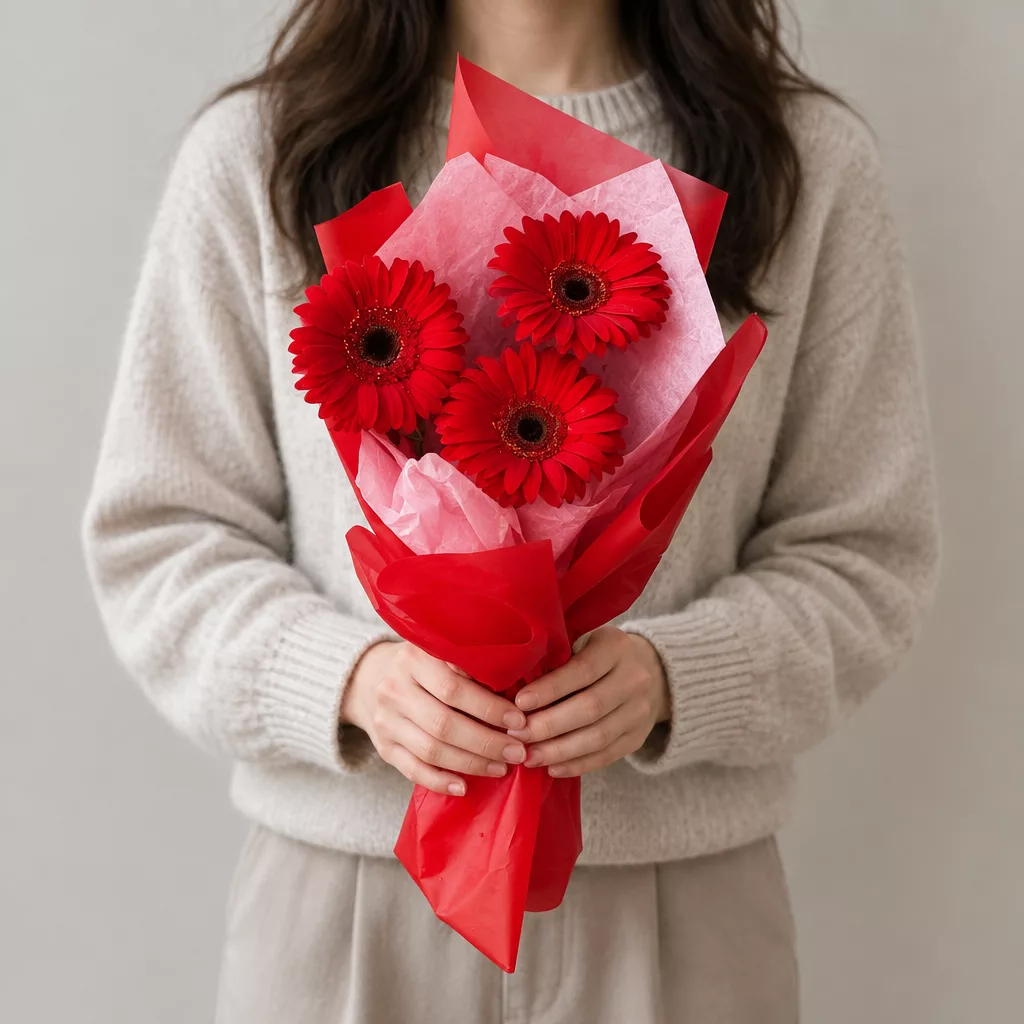
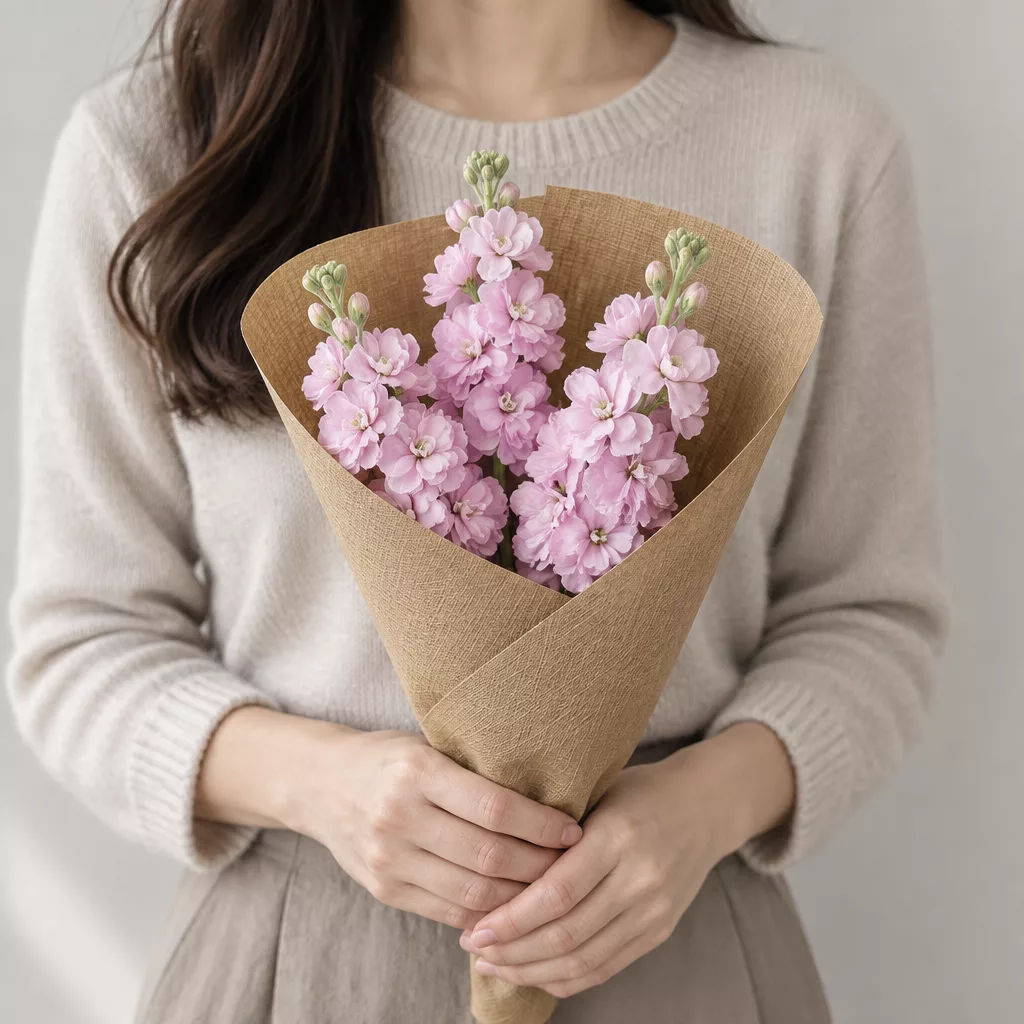
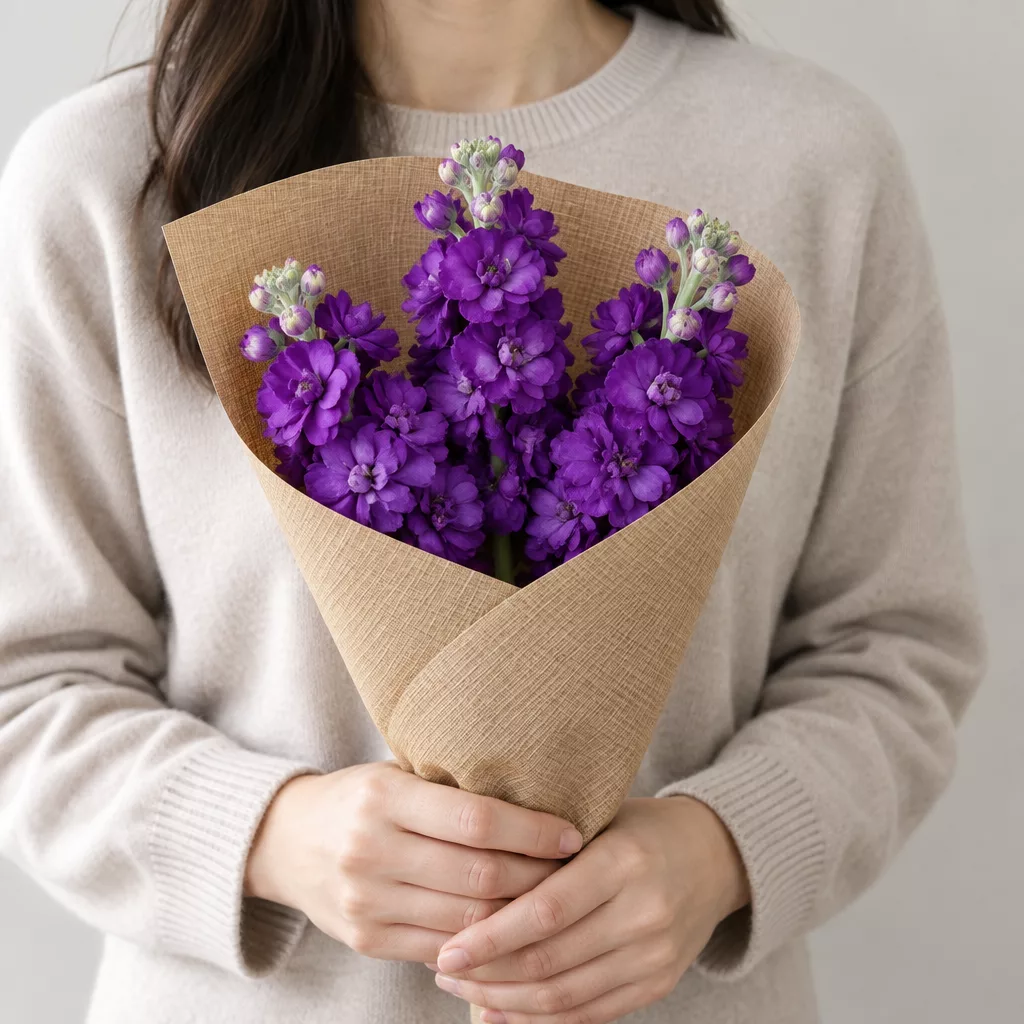
Bouquets we can deliver

Reading the Recipient Before You Choose the Flowers
Before you open a catalogue or think about budget, spend thirty seconds thinking about the person receiving the bouquet. Are they someone who keeps a tidy, minimal home and might feel overwhelmed by a large dramatic arrangement? Or are they the kind of person who fills every windowsill with plants and would love something abundant and layered? The answer shapes everything from the flower choice to the wrapping style.
For a colleague or a teacher, restraint usually reads as elegance. A single-variety bouquet of white or blush spray roses, wrapped simply in kraft paper, feels considered and appropriate without overstepping. For a close friend or a romantic partner, you have room to be more expressive. Peonies mixed with ranunculus and eucalyptus, or sunflowers combined with orange gerberas and seasonal greenery, create a bouquet that feels genuinely celebratory.
Age and personal style matter too. Older recipients in Russia often have a strong affection for garden roses, chrysanthemums, and gladioli — flowers that carry a sense of occasion and tradition. Younger recipients tend to respond well to softer, more textured arrangements that look as though they were gathered from a field rather than arranged in a formal pattern. Neither preference is wrong; the goal is simply to give the recipient something that feels chosen for them specifically, not just ordered in a hurry. When in doubt, a mixed seasonal bouquet in warm tones is almost universally well received.
Choosing Flowers for the Season and the Temperature
Uzlovaya sits in central Russia, which means real winters with temperatures that regularly drop below minus fifteen Celsius and warm summers that can push past thirty. Both extremes affect which flowers travel well and how long they last once they arrive.
In winter, cold-hardy varieties are your best friends. Roses are bred to handle low temperatures reasonably well when wrapped correctly, and we use insulated packaging on every winter order. Chrysanthemums are exceptionally resilient and hold their shape even after a cold journey. Alstroemeria is another reliable winter choice — the blooms are long-lasting, the colours are vivid, and the stems stay firm. Avoid ordering delicate tropical varieties like anthuriums or orchid sprays in deep winter unless you are confident the recipient can bring them indoors immediately.
In summer, the risk flips. Heat accelerates wilting, particularly in flowers with soft petals like peonies and garden roses. We keep our flowers refrigerated right up to dispatch, but once the bouquet is in a warm entrance hall, the clock is ticking. Summer recipients should trim the stems and put the flowers in cool water within an hour of receiving them. Lisianthus and statice are excellent summer companions to roses because they hold up well in warmth and add texture without being fragile. Spring and autumn are the most forgiving seasons in Uzlovaya — the moderate temperatures mean almost any variety travels safely, and tulips, ranunculus, and freesia are all at their best.
Bouquet Options Across Different Budgets
A meaningful bouquet does not require the largest arrangement on the page. What matters is proportion, freshness, and the sense that someone thought about it. At a more modest budget, a single-variety bouquet done well — say, fifteen stems of cream spray roses or a clean bundle of white alstroemeria — can be more striking than a crowded mixed arrangement where nothing has room to breathe.
Mid-range budgets open up the possibility of combining a focal flower with supporting varieties. A classic pairing is large-headed roses as the centrepiece with waxflower or pittosporum as greenery — the greenery adds volume and a pleasant fragrance without inflating the cost dramatically. Gerberas mixed with solidago and seasonal filler are another combination that looks generous without requiring premium stems.
At a higher budget, you can introduce flowers that have a natural drama to them. Garden roses with their layered, cup-shaped blooms are noticeably different from standard hybrid tea roses and immediately elevate an arrangement. Peonies, when in season, are perhaps the most universally loved flower in Russia and carry enormous emotional weight. Pairing them with sweet William, astilbe, or soft ruscus creates a bouquet that looks as though it came from a garden in full bloom.
One common mistake at every budget level is choosing too many colours. Three colours maximum, with one dominant, one supporting, and one accent, almost always produces a more cohesive result than a rainbow arrangement. Our florists follow this principle by default, but you can always specify a preference when you order.
Presentation Details That Change How a Bouquet Feels
The flowers themselves are only part of what the recipient experiences. The wrapping, the ribbon, and the way the bouquet is handed over all contribute to the moment. In Russia, it is traditional to give flowers in odd numbers — one, three, five, seven, and so on. Even numbers are associated with mourning, so if you are ordering a specific stem count, keep this in mind. We follow this convention automatically, but it is worth knowing if you are customising an order.
Wrapping materials carry a tone. Kraft paper wrapped tightly at the base with a loose, organic opening at the top feels casual and modern — it suits birthdays among friends and informal celebrations. Matte or velvet wrapping paper in deep tones like burgundy, forest green, or charcoal feels more formal and works well for significant anniversaries or professional occasions. Transparent cellophane is less fashionable than it once was but still works when the goal is to show off the full length and colour of the stems.
A handwritten card changes the experience entirely. Even a short message — three or four lines — transforms a beautiful object into something personal. Many people skip the card because they cannot think of what to write, but the recipient almost always notices its absence. If you are ordering for someone you are not close to, a simple line acknowledging the occasion is enough. If you are ordering for someone you love, say the thing you would normally leave unsaid. Flowers are one of the few occasions where sincerity is never embarrassing.
Keeping the Flowers Fresh After Delivery
The bouquet arriving at the door in perfect condition is only the beginning. What the recipient does in the first hour determines whether the flowers last three days or ten. The single most important step is re-cutting the stems. Using sharp scissors or a knife, cut one to two centimetres from the bottom of each stem at a diagonal angle. The diagonal cut increases the surface area that absorbs water and prevents the flat bottom of the stem from sitting flush against the vase, which would block the intake.
Tap water in most Russian cities is fine for flowers, but it should be cool rather than cold or warm. Change the water every two days and re-cut the stems each time you do. Remove any leaves that would sit below the waterline — submerged leaves rot quickly and introduce bacteria that shortens the life of every stem in the vase.
Vase placement matters more than most people realise. Keep flowers away from direct sunlight, radiators, and fruit bowls. Ripening fruit releases ethylene gas, which accelerates the ageing of flowers — roses and carnations are particularly sensitive to it. A cool room, away from heat sources, can add two or three days to the life of a bouquet.
For specific varieties: roses benefit from being placed in a deep vase so the full length of the stem is supported. Tulips continue to grow after cutting and will lean toward light, so rotate the vase occasionally. Chrysanthemums are among the longest-lasting cut flowers and will reward good care with two weeks of bloom. Gerberas prefer shallow water — no more than five centimetres — because their hollow stems can rot if submerged too deeply.
Occasions That Call for Flowers in Uzlovaya
Russians mark occasions with flowers more consistently than almost any other culture, and this holds true in smaller cities like Uzlovaya just as much as in the capitals. The first of September, when children return to school, is one of the biggest flower-giving days of the year. Teachers receive bouquets from students and parents, and the tradition is taken seriously — a child arriving without flowers would feel the absence keenly. White gladioli and asters are the classic choice for this day, though dahlias and chrysanthemums are equally appropriate.
Birthdays are the most frequent occasion, and the approach should be guided by the recipient's age and relationship to you. A bouquet for a mother or grandmother might lean toward roses, peonies, or lisianthus in soft warm tones. A bouquet for a friend in their twenties or thirties might be more playful — sunflowers, ranunculus, and wildflower-style greenery in a loose, gathered style.
New baby arrivals are celebrated with flowers, typically in soft colours for girls and white or yellow for boys, though these conventions are shifting. Housewarming gifts often include potted plants rather than cut flowers, since a plant symbolises something lasting and growing in the new home. For anniversaries, the number of stems sometimes mirrors the number of years, though this is a gesture rather than a strict rule.
If you are ordering from outside Russia and unfamiliar with these customs, simply describe the occasion and the recipient when you place your order. We will make sure the bouquet fits the moment.
Uzlovaya may be a quieter corner of the Tula region, but the people there appreciate a well-chosen bouquet as much as anyone. Getting it right is mostly a matter of thinking about the recipient first, choosing varieties that suit the season, and paying attention to the small details — the stem count, the wrapping, the card. When all of those pieces come together, flowers stop being a generic gift and become something the recipient actually remembers. Turboflora handles the logistics and the freshness; you bring the intention behind the order.
Frequently asked questions
Can I schedule a flower delivery to Uzlovaya for a specific time?
Yes. When placing your order, you can select a preferred delivery window. We recommend building in a thirty-minute buffer around the exact moment you have in mind, particularly for surprise deliveries. Early morning slots before ten o'clock and late evening slots after eight may have slightly reduced availability depending on the day.
What happens if nobody is home when the flowers are delivered?
Our courier will call the recipient before arriving. If there is no answer and no safe place to leave the bouquet, we will contact you as the sender to agree on next steps. We never leave flowers unattended in a hallway where temperature or security could be a problem. Rescheduling for a short window later the same day is usually possible.
Is it possible to order flowers to Uzlovaya from another city?
Absolutely. Many of our orders to Uzlovaya come from people in Moscow, Saint Petersburg, or abroad who want to send something to family or friends. The ordering process is the same regardless of where you are. You pay online, provide the recipient's address, and we handle the rest from our end.
Which flowers last longest in a Uzlovaya winter?
Chrysanthemums, alstroemeria, and carnations are the most cold-resilient and longest-lasting in winter conditions. Roses travel well with proper insulated packaging. We advise against very delicate tropical blooms in deep winter unless the recipient can bring them inside immediately after delivery. Asking for a hardy seasonal mix is always a safe winter choice.
Do I need to specify the number of stems, or will the florist decide?
You can specify a stem count, but it is not required. If you leave it open, our florists will compose the bouquet to look balanced and full within your chosen budget. In Russia, odd stem counts are traditional for celebratory gifts, and we follow this convention automatically. If you want a specific number, note it in the order comments.
Ready to send flowers?
Pick the city, choose the bouquet, and a local florist takes it from there.
Choose a city →