Sending Flowers to Veliky Ustyug? Here Is What to Expect
Veliky Ustyug sits in the Vologda region, deep in the Russian north, and it carries a particular kind of charm — old merchant architecture, long winters, and a city that takes celebrations seriously. Whether you are sending a birthday bouquet to a relative you cannot visit in person, marking an anniversary from across the country, or simply wanting someone there to feel remembered, getting flowers to them is entirely possible. This guide walks you through everything: the delivery window, which flowers travel well to a northern city, how to time your order, and what the recipient can do to keep the arrangement looking its best for as long as possible.
The City Itself and Why Distance Changes Your Choices
Veliky Ustyug is not a small village — it is a proper city with a population around 30,000, a historic centre, and real streets with named addresses. It is also roughly 450 kilometres northeast of Vologda, which means logistics matter more here than they would for a delivery within Saint Petersburg. The distance shapes everything: which flowers you choose, how you package them, and what time of day you place your order.
The northern location also means temperature swings that a florist has to respect. In January and February, outdoor temperatures regularly drop below minus 20 degrees Celsius. In July, afternoons can reach plus 25. Both extremes affect cut flowers differently, and a good delivery accounts for that. Roses sealed in cold packaging can arrive in perfect condition even in deep frost, but they need to be unwrapped carefully and allowed to adjust to room temperature before being placed in water.
When you think about who will receive the flowers, think about where they live. A central address in the historic part of the city is straightforward. A residential district on the outskirts adds a few minutes but is fully within the delivery zone. Knowing the full address, including the apartment number and entry code if there is one, makes the difference between a smooth handover and a missed delivery. The recipient does not need to be home — a neighbour, a doorman, or a colleague can accept on their behalf, but confirm this when placing the order.
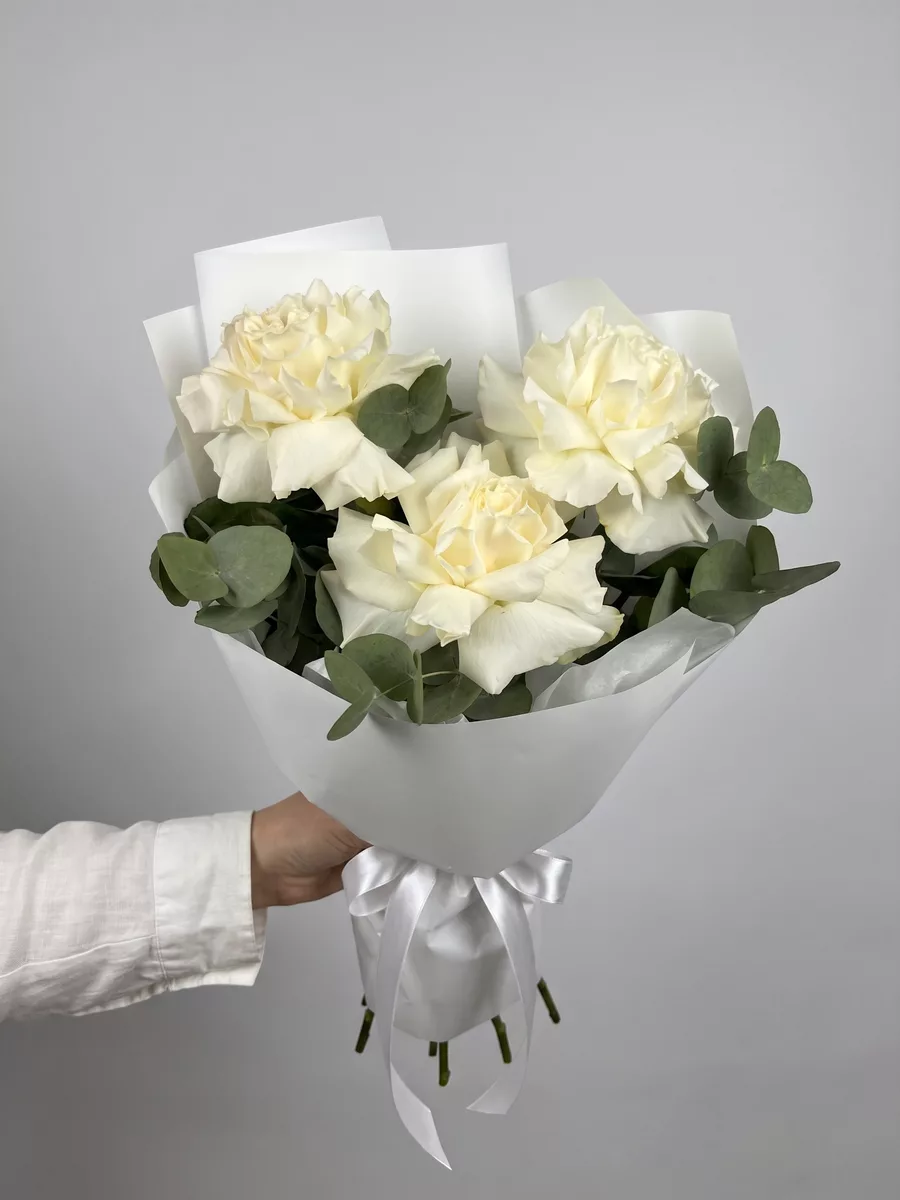
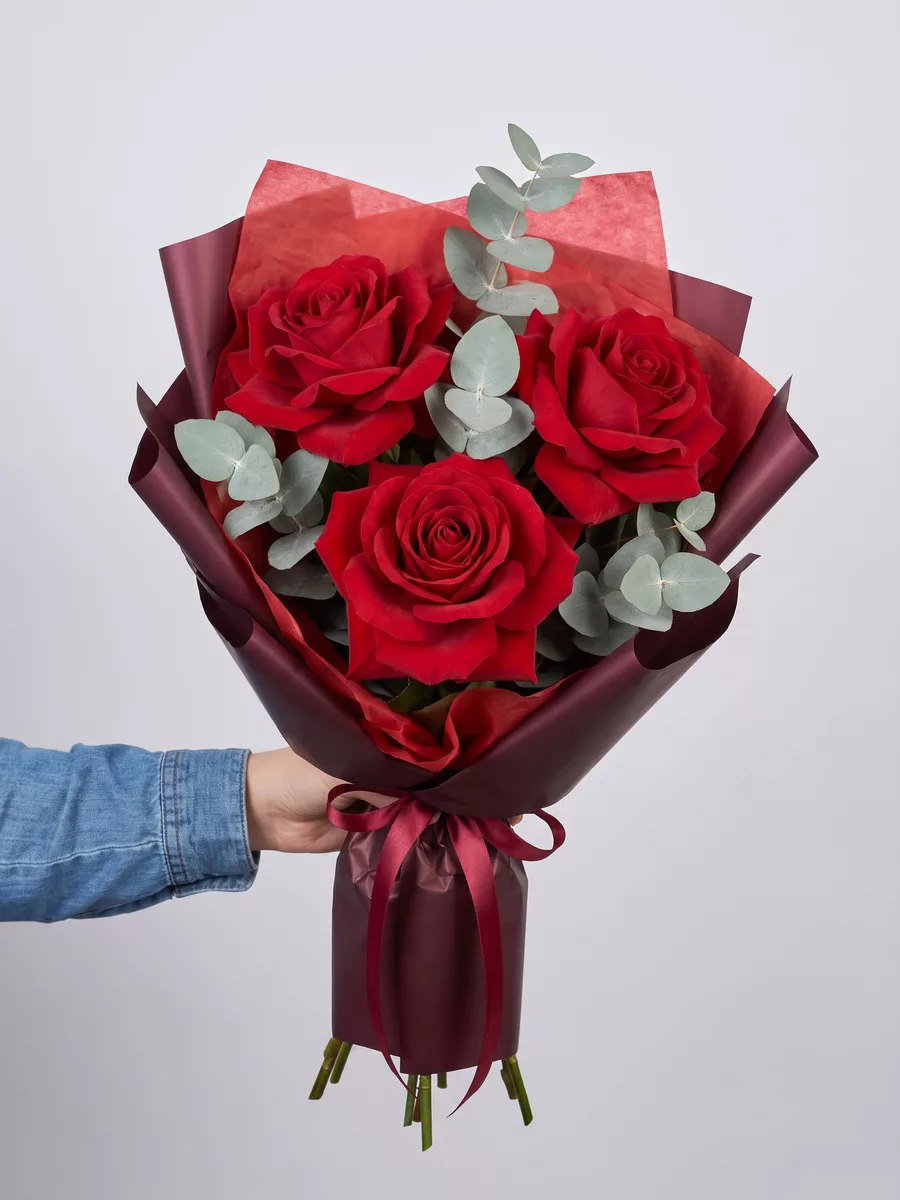
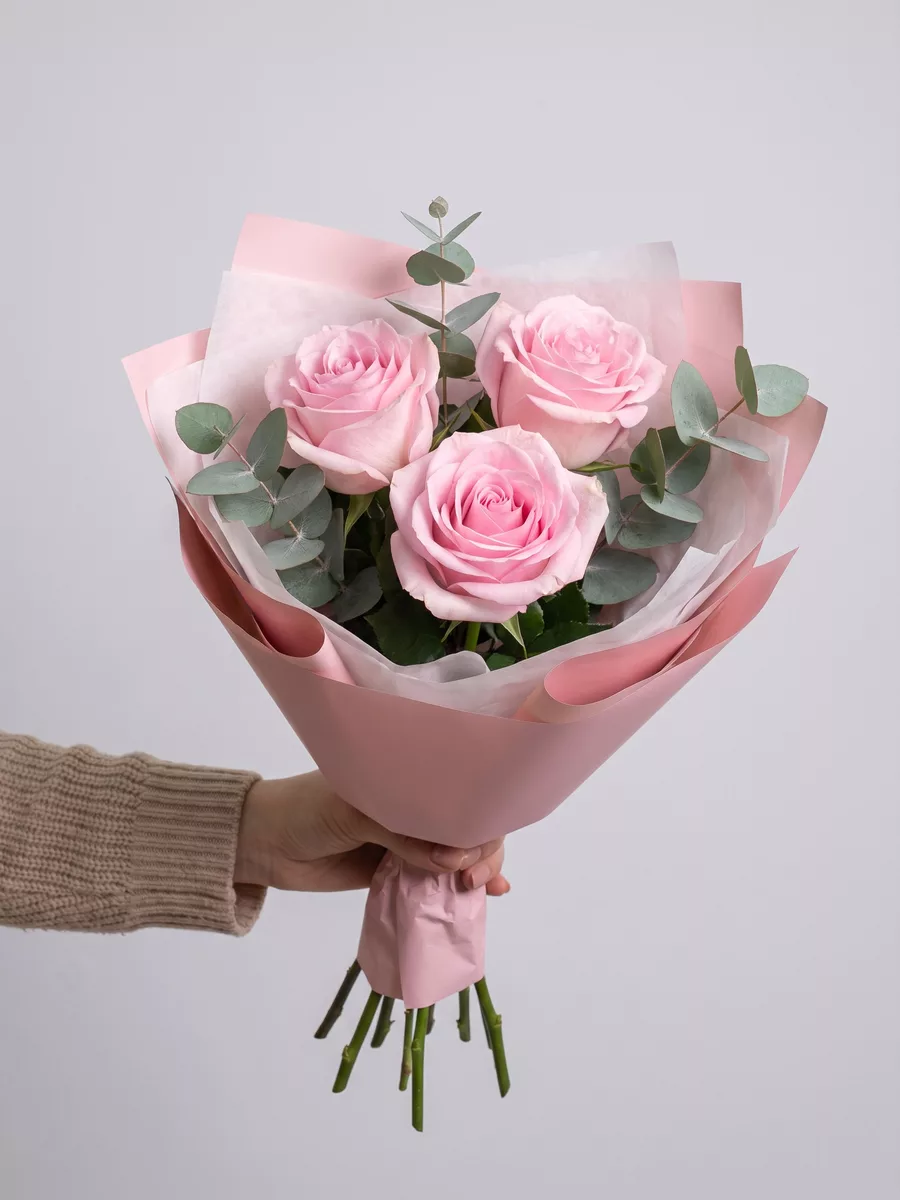
Bouquets we can deliver

Timing Your Order: What the Delivery Window Looks Like
Turboflora operates on a one-to-two hour delivery promise for fresh flowers across Russia, and Veliky Ustyug is included in that commitment. In practice, this means that once your order is confirmed and assembled, the courier is moving. For a city at this distance, the assembly and dispatch process is coordinated so that the bouquet leaves fully prepared — wrapped, watered if needed, and protected for the journey.
The most reliable window for same-day delivery is when you order before midday. This gives the full afternoon for the bouquet to reach its destination while daylight is still available, which matters especially in winter when roads can be slower after dark. Evening orders are possible but carry a slightly longer lead time, so if the occasion is time-sensitive — a birthday dinner, a graduation ceremony — ordering in the morning is the safest move.
For special dates like the eighth of March or Valentine's Day, the advice is to order at least a day ahead. These are the two busiest flower dates in Russia by a significant margin, and demand across all cities spikes sharply. A pre-order placed the evening before guarantees your chosen arrangement and your preferred delivery slot. Last-minute orders on peak days are not impossible, but availability of specific varieties narrows quickly.
If you are sending flowers as a surprise, you can leave a note in the order specifying that the recipient should not be called in advance. The courier will follow that instruction and coordinate delivery without spoiling the moment.
Choosing Flowers for the Occasion, Not Just the Season
The right bouquet starts with the person, not the catalogue. Think about who they are before you think about which flowers look good in a photograph. A colleague turning fifty will receive a different arrangement than a daughter finishing her school exams. A romantic gesture calls for different textures and colours than a thank-you to a teacher.
For romantic occasions, red or deep pink roses are the classic choice in Russia, and they remain so for good reason — they are universally understood and they last well. A dozen standard roses is a recognised gesture, but a mixed arrangement of spray roses, ranunculus, and eucalyptus reads as more personal and considered. If the recipient has a favourite colour, build around it rather than defaulting to red.
For celebrations — birthdays, promotions, new arrivals — seasonal flowers in warm tones tend to land well. Sunflowers combined with yellow and orange gerberas make a genuinely cheerful arrangement that feels generous without being formal. Chrysanthemums in white or pale yellow are popular in Russia for exactly this kind of occasion and hold up exceptionally well in transit.
For a gesture of appreciation or friendship, something softer works better: white alstroemeria with lisianthus and a few stems of waxflower creates an arrangement that feels thoughtful rather than showy. These combinations also tend to last longer than heavily rose-based bouquets, which matters when the recipient may not have a large vase at hand.
Avoid combinations that lean too heavily on a single variety unless you know the recipient loves it. Variety in texture — something round, something spiky, something trailing — makes a bouquet feel like it was assembled by someone who thought about it.
Budget Ranges and What Each One Gets You
Flowers in Russia are priced by stem count, variety, and presentation, and there is a meaningful difference between what each budget level delivers. Understanding this helps you set expectations honestly rather than feeling disappointed when a lower-budget order looks simpler than the photograph.
At the entry level, you are typically looking at a single-variety bouquet: five to seven stems of roses or gerberas, wrapped simply with kraft paper and ribbon. It is a genuine gesture and it photographs well, but it does not have the fullness of a larger arrangement. This works well for a quick thank-you, a small birthday acknowledgement, or a spontaneous send.
The mid-range opens up considerably. At this level, you can have a mixed arrangement with a focal flower — standard roses or peonies when in season — supported by complementary filler flowers like waxflower, gypsophila, or pittosporum. The wrapping becomes more considered: layered paper, a satin ribbon, a gift box option. This is the range where most meaningful celebrations land.
The upper range is where presentation becomes part of the gift. Arrangements in hat boxes, large mixed bouquets with premium varieties like garden roses, lisianthus, or freesia, and compositions that include decorative elements like dried cotton or preserved leaves. These are the orders that get photographed and shared, and they make an impression when the occasion genuinely calls for it.
For Veliky Ustyug specifically, note that the delivery fee reflects the distance, and it is worth factoring that into your total. The bouquet itself should be the main cost — do not compress the flower budget too far to compensate for the delivery fee, because the flowers are what the recipient actually holds.
What Happens in Cold Weather and How to Handle It
The Vologda region has a continental climate with genuinely cold winters, and Veliky Ustyug sits far enough north that frost arrives early and leaves late. From November through March, outdoor temperatures are regularly below zero, and in the coldest weeks of January and February, minus 15 to minus 25 is normal. This is not a problem for flower delivery, but it requires the right handling on both ends.
On the delivery side, bouquets travelling in cold conditions are wrapped in insulating paper and sometimes placed in thermal packaging that protects the stems and petals from freezing. Roses are particularly vulnerable to frost damage — a petal that freezes and then thaws quickly will bruise and turn brown at the edges. Proper packaging prevents this almost entirely.
On the recipient's side, the most important instruction is simple: do not unwrap the bouquet immediately in a warm room. Bring it inside, let it sit in its wrapping for five to ten minutes, and allow the flowers to adjust gradually to the indoor temperature. Then unwrap, trim the stems at an angle, and place in cool water. This single step makes a significant difference to how long the flowers last.
In summer, the challenge reverses. Veliky Ustyug can have warm July afternoons, and flowers sitting in a hot vehicle deteriorate faster than in winter. Deliveries in warm weather are timed to avoid the hottest part of the day where possible, and the recipient should move the bouquet to a cool spot away from direct sunlight as soon as it arrives. A north-facing windowsill or a shaded table works well.
Care After Delivery: Making the Bouquet Last
A well-made bouquet from a professional florist should last five to ten days with correct care, and some varieties will go well beyond that. The difference between a bouquet that wilts by day three and one that still looks good on day eight is almost entirely down to what the recipient does in the first hour after it arrives.
The first step is always a fresh cut. Use sharp scissors or a knife — not a blunt pair of kitchen scissors that crush the stem — and cut at a 45-degree angle. This increases the surface area for water uptake. Cut at least two centimetres from the bottom, and do this while holding the stem under water or immediately before placing it in the vase. Stems that are cut in open air seal within seconds.
The vase should be clean and filled with cool, not cold, water. Lukewarm water is sometimes recommended for roses that have been in transit and need to rehydrate quickly, but cool water slows bacterial growth and extends vase life for most other varieties. If a sachet of flower food was included with the order, dissolve it in the water before adding the stems — it contains sugar for energy, an acidifier to help water travel up the stem, and a biocide to slow bacterial growth.
Change the water every two days and re-cut the stems each time. Remove any leaves that sit below the waterline — they decompose quickly and cloud the water with bacteria. Keep the arrangement away from direct sunlight, radiators, and fruit bowls. Ripening fruit releases ethylene gas, which accelerates petal drop in roses, lisianthus, and carnations noticeably. A cool room overnight extends the life of almost any bouquet significantly.
Russian Flower Customs Worth Knowing Before You Order
If you are not familiar with Russian gifting customs around flowers, a few things are worth knowing before you finalise your order. They are not complicated, but getting them right shows care, and getting them wrong can create an awkward moment for the recipient.
The most widely known rule is the odd-number convention. In Russia, even numbers of flowers are associated with mourning and are used at funerals. A bouquet for a celebration should always have an odd number of stems: one, three, five, seven, and so on. This is taken seriously across all generations and regions, including Veliky Ustyug. When you order, the florist assembles with this in mind, but if you are customising stem counts, keep it odd.
Colour carries meaning too, though it is less rigid than the number rule. White flowers are versatile and appropriate for almost any occasion. Yellow flowers were historically associated with separation or jealousy in Soviet-era Russia, though this association has softened considerably among younger people. If the recipient is older or more traditional, a mixed bouquet where yellow plays a supporting role rather than the lead is a safer choice.
Presenting flowers without the wrapping is considered more personal in some contexts — stripping the outer paper before handing over the bouquet is a mark of respect at formal occasions like teacher appreciation or official celebrations. For a delivery, this does not apply since the courier is not the giver, but if you are writing a card to accompany the bouquet, mentioning that the recipient can unwrap it at their leisure is a small, considerate touch.
A handwritten card message in Russian is appreciated, but not expected. If you write in English, the sentiment still lands — most recipients understand the gesture even if they do not read the language fluently.
Sending flowers to Veliky Ustyug is a genuine act of connection across a real distance, and it works. The city is fully within the delivery zone, the timing is reliable, and the right choice of flowers — matched to the person, the season, and the occasion — arrives as something that feels considered rather than convenient. The northern climate asks for a little extra thought about packaging and care, but none of it is complicated. Order with the recipient in mind, give the bouquet the first hour of attention it needs, and it will do the rest.
Frequently asked questions
Does Turboflora deliver to all addresses in Veliky Ustyug, including residential districts outside the centre?
Yes, the delivery zone covers the full city, including residential areas beyond the historic centre. Providing the complete address with apartment number and any entry code ensures the courier reaches the door without delay. If the recipient is not home, a neighbour or colleague can accept the bouquet on their behalf — just note this when ordering.
What is the latest I can order for same-day delivery to Veliky Ustyug?
Orders placed before midday give the most reliable same-day window with delivery arriving in the afternoon. Evening orders are possible but carry a longer lead time. On major flower dates like the eighth of March or Valentine's Day, placing your order the evening before is strongly recommended to secure your preferred arrangement and time slot.
Will the flowers be damaged if it is very cold outside during delivery?
No, bouquets travelling in cold conditions are wrapped in insulating material to protect petals and stems from frost damage. The key step is on the recipient's side: leave the bouquet in its wrapping for five to ten minutes after bringing it indoors so the flowers adjust gradually to room temperature before being unwrapped and placed in water.
Why does the number of stems in the bouquet matter in Russia?
In Russian tradition, even numbers of flowers are associated with mourning and are used at funerals. Any bouquet intended as a celebration or gift should contain an odd number of stems. This applies across all regions including Veliky Ustyug and is observed by most age groups. Turboflora assembles all celebration bouquets with this in mind.
How long should the bouquet last, and what is the single most important care step?
A professionally assembled bouquet lasts five to ten days with correct care. The single most important step is a fresh angled cut on the stems within the first hour of arrival, made with sharp scissors and done just before placing them in cool, clean water. Changing the water every two days and keeping the arrangement away from fruit and direct sunlight extends vase life significantly.
Ready to send flowers?
Pick the city, choose the bouquet, and a local florist takes it from there.
Choose a city →