Flower Delivery in Vereshchagino: Timing, Choices and What Arrives at the Door
Vereshchagino sits quietly in the Perm region, a city where a bouquet arriving at the right moment means more than it might in a larger place. Whether you are sending roses to a colleague on her birthday, surprising a parent on a Sunday morning, or marking a school graduation from a distance, the question is always the same: will the flowers actually arrive fresh, on time, and looking the way you imagined? Here is everything you need to know before you order.
Which Areas of Vereshchagino We Deliver To
Vereshchagino is a compact city, and that works in your favour. Turboflora delivers across the central districts, the residential neighbourhoods along the main avenues, and the quieter streets near the railway station that gives the city its character. If you are sending to a private house rather than an apartment building, simply include the house number and any gate or entry instructions in the comment field when you order. Our courier will call ahead rather than arriving unannounced.
For addresses on the outskirts or in the surrounding villages, delivery is still possible but the timing window may shift slightly. It is worth specifying the exact settlement name and postcode when you fill in the address, because some rural street names repeat across the Perm region and a small error can cause a real delay. When in doubt, add a phone number for the recipient — not so we spoil the surprise, but so the courier can navigate the last few metres confidently.
One practical note: apartment blocks built in the Soviet era often have multiple entrances, and the entrance number is not always obvious from the street. Including it saves time and means the flowers stay in the courier bag rather than waiting in a cold hallway. Fresh tulips and spray roses lose petals quickly when they are left standing in a draught, so every minute of careful handover counts.
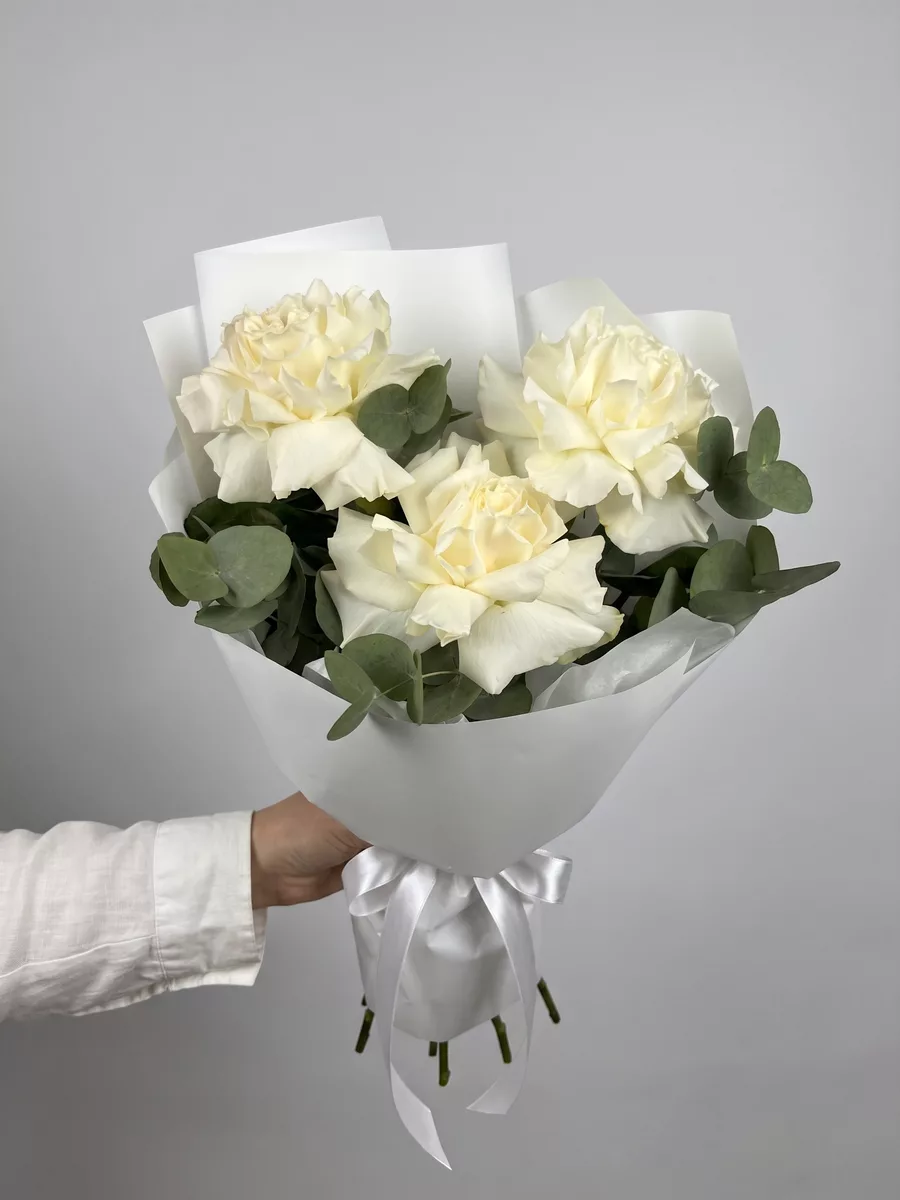
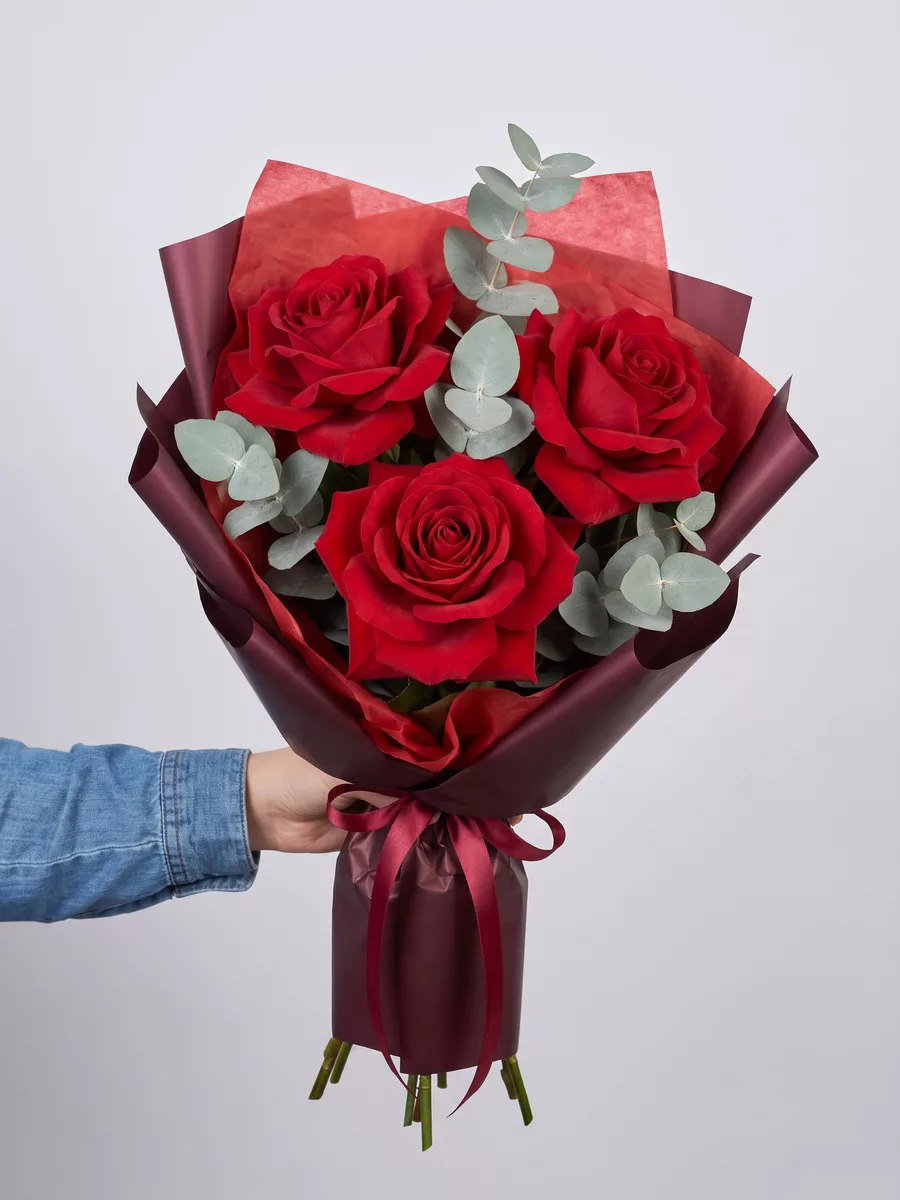
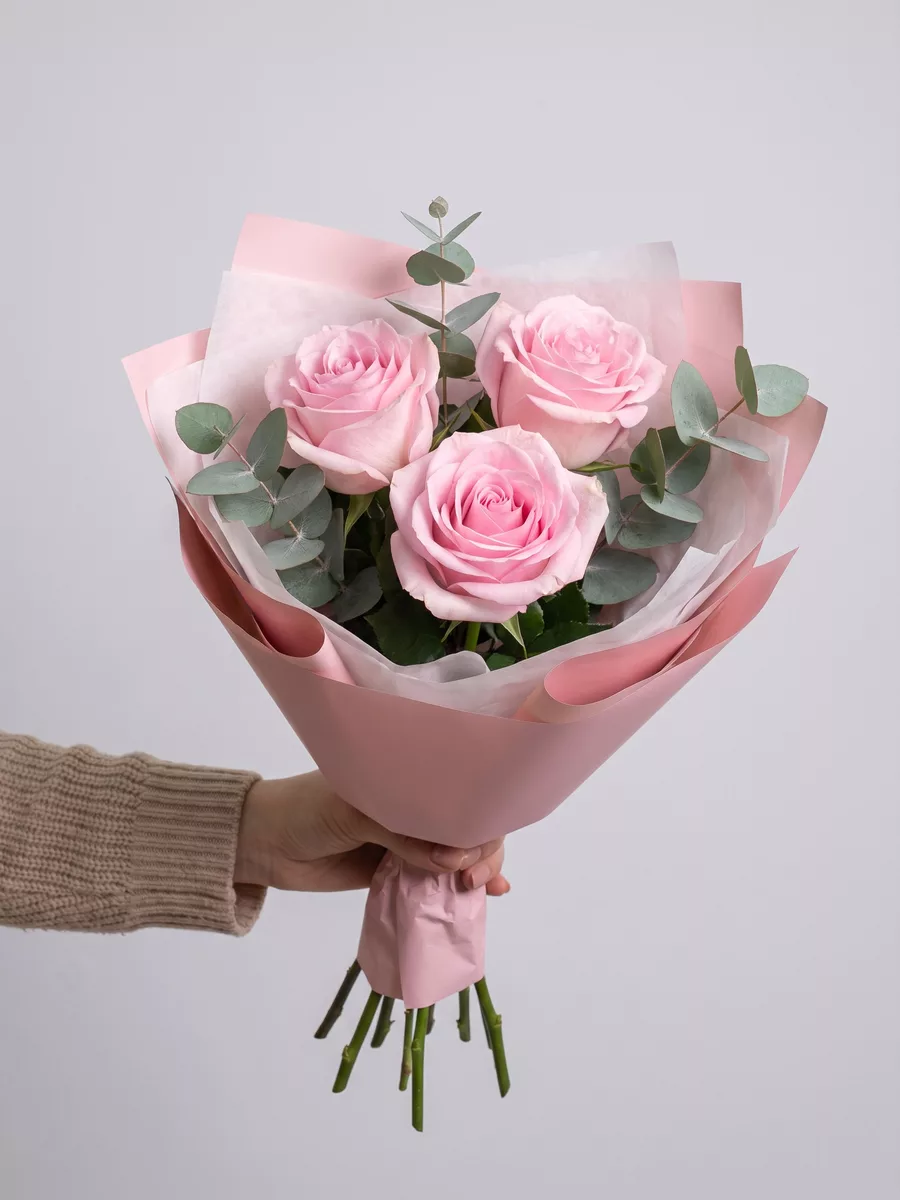
Bouquets we can deliver

How Long Delivery Actually Takes and Why It Matters for Flowers
Turboflora works on a one-to-two-hour delivery window from the moment you confirm your order. In practical terms, this means a bouquet assembled in the morning can be at the door before a birthday lunch begins, and an afternoon order can arrive before a dinner celebration starts. The timing matters not just for the occasion but for the flowers themselves. Roses, for example, begin to open the moment they are cut and wrapped, and a bouquet that travels for four hours in a warm vehicle looks noticeably different from one that arrives within ninety minutes.
Vereshchagino experiences genuine seasonal temperature swings. In January and February, outdoor temperatures regularly fall below minus fifteen degrees Celsius. Cold affects different flowers differently: chrysanthemums and carnations tolerate brief cold exposure reasonably well, while tropical varieties such as anthuriums and orchids can show brown patches on petals after even a short time in freezing air. Our couriers use insulated packaging in winter, but it is still worth choosing cold-hardy varieties for January and February deliveries if the recipient lives in a building where the courier must wait outside.
In summer, the opposite problem applies. July heat above thirty degrees can cause roses to open fully within hours of delivery. If you are ordering for a daytime event in warm weather, ask for tightly budded roses so the recipient gets the full opening experience at home rather than receiving flowers already in full bloom. Timing your order to arrive an hour before the event, rather than three hours before, makes a visible difference.
Choosing the Right Bouquet for the Person, Not Just the Occasion
Russians celebrate many occasions with flowers that visitors from other countries might not expect. Teachers receive bouquets on Knowledge Day in September. Colleagues get flowers for professional anniversaries. Grandmothers are celebrated on both International Women's Day and their birthdays with equal seriousness. Understanding this helps you choose the right scale and mood for the bouquet rather than defaulting to whatever seems safe.
For a teacher or a senior colleague, a structured bouquet of white or cream alstroemeria mixed with eucalyptus branches reads as respectful and considered. Alstroemeria lasts well over a week in a vase and does not overwhelm a desk or a small flat. For a close friend's birthday, you have more room for personality: bright sunflowers with solidago, or deep burgundy roses paired with dusty miller, say something warmer and more personal than a standard red dozen.
When you do not know the recipient's taste well, single-variety bouquets are a safe and elegant choice. A hand-tied bundle of twenty white ranunculus, or fifteen stems of peach-coloured spray roses, looks intentional rather than uncertain. Avoid mixing too many colours if you are unsure: three colours maximum in one bouquet tends to look cohesive, while five or six can look busy, especially in a small room. Think about where the bouquet will live in the recipient's home — a bright kitchen calls for something different from a quiet study.
Budget Ranges and What You Actually Get at Each Level
Flowers in Russia are priced by stem count, variety and seasonality, and Vereshchagino is no exception. At a modest budget, you are working with seasonal flowers that are genuinely fresh rather than expensive varieties that have been in cold storage for two weeks. A well-assembled bouquet of field-style flowers — lisianthus, wax flower, and a few garden roses — at this level can look far more alive than a small bunch of long-stem roses that have travelled a long distance.
At a mid-range budget, you can start combining textures: a base of eucalyptus or ruscus, a focal flower such as peonies in season or garden roses year-round, and a filler like white gypsophila or green santini chrysanthemums. This combination photographs well, fills a vase generously, and lasts longer than a single-variety bouquet because different flowers in the same arrangement reach their peak at different times.
At a higher budget, the conversation shifts to premium focal flowers: garden peonies from May to July, David Austin roses, large-headed ranunculus in spring, or protea for someone who appreciates the unusual. These varieties are not just more expensive — they have shorter vase lives and more specific care needs, so it is worth including a care card with the bouquet. A large bouquet of David Austin roses in blush and cream, wrapped in kraft paper with a simple ribbon, is one of those gifts that the recipient photographs before they even put it in water. The presentation matters as much as the flowers themselves.
Seasonal Flowers Worth Knowing About in the Perm Region
The Perm region has a continental climate with cold winters and warm summers, and this shapes which flowers are genuinely fresh at different times of year. In late April and May, tulips from domestic growers flood the market and are far fresher than imported tulips available in January. If you are ordering in May, a monobouquet of sixty tulips in a single colour — deep purple, coral, or white — is both affordable and spectacular, and it connects naturally to the season.
June and July bring the best peonies. Russian customers treat peonies with particular affection, and a bouquet of pale pink or white peonies for a summer birthday or anniversary feels right in a way that is hard to explain but easy to feel. By August, peonies give way to sunflowers, which grow abundantly in Russia and carry a warmth that suits the long summer evenings.
Autumn is chrysanthemum season. Large-headed disbud chrysanthemums and spray varieties in rust, yellow and white are the signature flowers of September and October in Russia. They last two weeks in a vase with minimal care, which makes them a practical as well as a beautiful choice. In winter, roses and carnations dominate because they travel well and hold their form in cold packaging. Hypericum berries, pine branches and cotton stems add texture and a seasonal feeling to winter bouquets without relying on flowers that struggle in the cold. Knowing the season helps you order something that feels alive rather than generic.
How to Keep the Bouquet Looking Its Best After Delivery
The moment the bouquet arrives is actually the beginning of its life in the recipient's home, not the end of the story. Flowers that receive good care in the first hour last significantly longer than those left in their wrapping on a table. The single most important step is cutting the stems at an angle under running water before placing them in a clean vase. An angled cut increases the surface area for water uptake, and doing it under water prevents air bubbles from blocking the stem.
Vase water should be cool and changed every two days. Many people add flower food, which is the small sachet sometimes included with the bouquet. It contains a mild acidifier, sugar and a bactericide, and it genuinely extends vase life by several days compared with plain water. If no sachet is included, a teaspoon of sugar and a few drops of lemon juice in a litre of water achieves a similar effect.
Position matters more than most people realise. Flowers placed near a radiator, on a sunny windowsill, or next to a fruit bowl will fade faster. Ethylene gas released by ripening fruit, particularly apples and bananas, accelerates petal drop in roses and carnations noticeably. A cool corner of the room, away from direct heat and fruit, can add two or three days to the bouquet's life. Removing leaves that fall below the waterline prevents bacterial growth that clouds the water and shortens vase life. These small habits are the difference between a bouquet that lasts five days and one that looks beautiful for ten.
What to Write in the Card and How Russians Typically Give Flowers
In Russia, flowers are almost always given in odd numbers, and this is taken seriously enough that even numbers are associated with mourning and avoided for celebratory occasions. If you are not Russian yourself and you are sending to a Russian recipient, this is worth knowing: a bouquet of eleven roses or fifteen tulips is not an accident — it is correct etiquette. Turboflora bouquets follow this convention by default.
The card message is where many people freeze. A short, warm, specific message lands better than a long formal one. Something that names the occasion and says one true thing about the person — their patience, their humour, their hard work — is more memorable than a general wish for health and happiness, though those wishes are entirely sincere in Russian tradition. If you are writing in Russian and are not a native speaker, keep it simple: even a few words in Russian are appreciated by the recipient.
Flowers are typically given directly to the recipient rather than left at a door, and the recipient usually accepts them with both hands as a mark of respect. If the delivery is a surprise and you want the recipient to be home, consider coordinating with a family member rather than relying on a doorbell. A bouquet left in a cold hallway for an hour loses both freshness and the element of surprise that made the gesture meaningful in the first place. The ritual of giving matters as much as the flowers themselves, and a little planning makes it land the way you imagined.
Sending flowers to Vereshchagino from anywhere in Russia is straightforward when you know what to expect at each step. Choose varieties that suit the season, give the courier a precise address and a recipient phone number, and think about the person's taste rather than just the occasion. A bouquet that arrives fresh, on time, and chosen with care does something a message or a gift card cannot — it is something real that the recipient will live with for a week, in their kitchen or on their desk, every morning reminding them that someone thought of them specifically.
Frequently asked questions
Can I order flowers for same-day delivery in Vereshchagino?
Yes. Turboflora delivers within one to two hours of order confirmation. Place your order at least two hours before the moment you want the flowers to arrive. For early morning deliveries, ordering the evening before and specifying your preferred time slot is the most reliable approach.
What happens if the recipient is not home when the flowers arrive?
Our courier will call the recipient's phone number before arriving. If there is no answer, we will contact you as the sender to arrange a new delivery window. We do not leave fresh flowers unattended at a door, especially in cold weather, as even thirty minutes in a winter hallway can damage delicate varieties.
Which flowers survive the Vereshchagino winter cold best?
Carnations, chrysanthemums, alstroemeria and standard roses handle brief cold exposure during transit better than most. Tropical flowers like anthuriums, orchids and birds of paradise are sensitive to temperatures below ten degrees and can show petal damage quickly. In January and February, we recommend cold-hardy varieties for outdoor handovers.
Is it true that flowers in Russia should always be given in odd numbers?
Yes, this is a genuine and widely observed custom. Even numbers of flowers are associated with mourning in Russian tradition and are avoided for birthdays, anniversaries and celebrations. Turboflora bouquets follow this convention automatically, so you do not need to count stems yourself when ordering.
How far in advance should I order for a birthday delivery in Vereshchagino?
For standard orders, two to three hours before the desired delivery time is sufficient. If you want a specific rare variety such as garden peonies or David Austin roses, ordering the day before gives us time to ensure availability. For large arrangements or corporate orders, two days' notice is ideal.
Ready to send flowers?
Pick the city, choose the bouquet, and a local florist takes it from there.
Choose a city →