Flower Delivery in Verkhnyaya Pyshma: Timing, Choices and What to Expect
Verkhnyaya Pyshma sits just north of Yekaterinburg, close enough to feel like part of the city yet far enough that getting fresh flowers there takes real planning. Whether you are sending a birthday bouquet to a colleague in the copper-industry district or surprising a friend on a quiet residential street, the question is always the same: will the flowers arrive looking the way you imagined them? The answer depends on how the order is handled from the very first minute, and that is exactly what this article walks you through.
Where Exactly We Deliver in Verkhnyaya Pyshma
Verkhnyaya Pyshma is a compact city, but its address geography can be tricky for anyone who has never been there. Delivery covers the central streets around Uralsky Avenue, the residential neighbourhoods near the UGMK sports complex, the Izumrud district to the north, and the quieter streets closer to the Pyshma river. Industrial zones on the outskirts may require a slightly longer window, simply because access roads are not always straightforward.
If you are sending to a private house rather than an apartment block, it helps to include a landmark or gate description in the comments field when placing your order. Russian addresses sometimes list a building with multiple entrances — indicating the right entrance number saves the courier ten minutes and keeps the flowers fresher on arrival.
We also deliver to offices and business centres in the city. If the recipient works in a secure building, let us know in advance so we can coordinate with the front desk rather than call unexpectedly. A surprise delivery still works — the courier simply hands the bouquet to reception, and the recipient gets a call that something is waiting for them. That small moment of walking out to collect flowers is part of the experience, and it lands just as warmly as a doorstep delivery.
Bouquets we can deliver



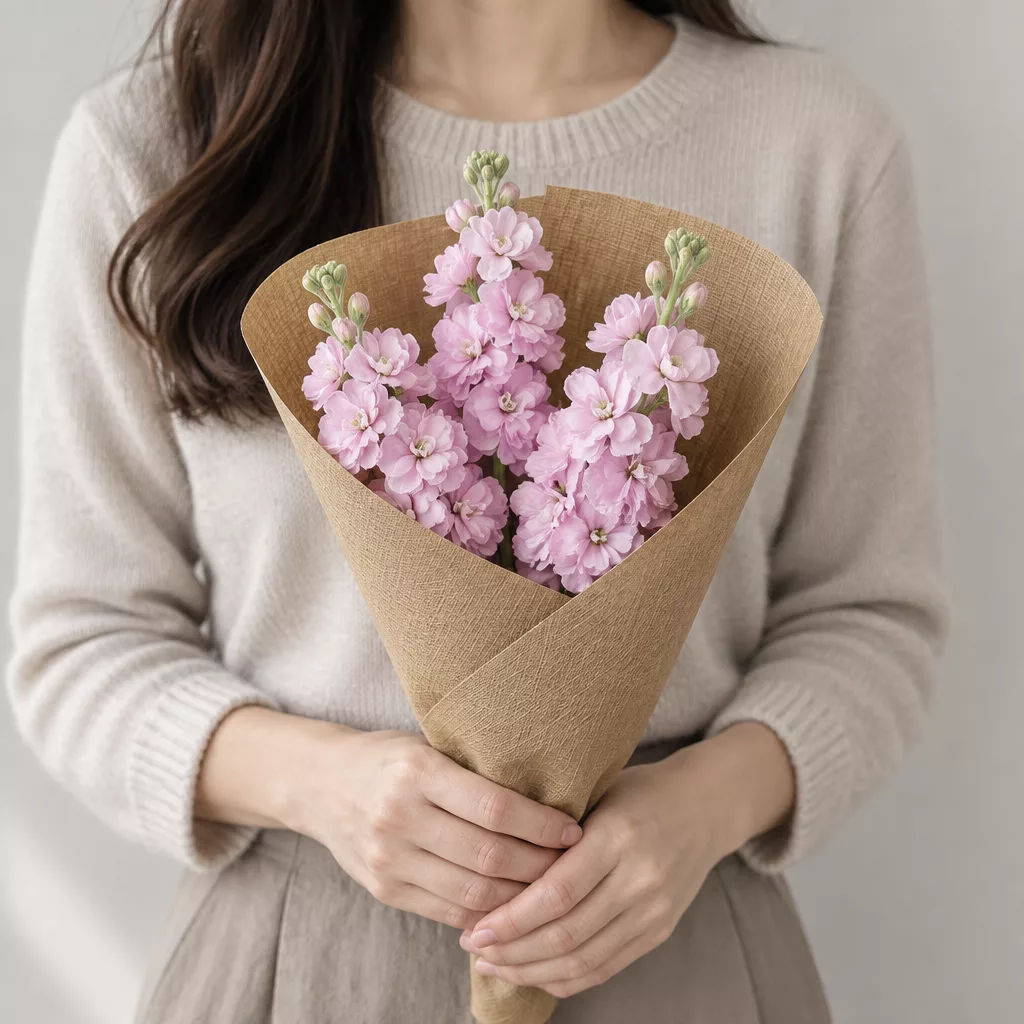
Timing Your Order: What the Journey Actually Looks Like
Verkhnyaya Pyshma is roughly 15 kilometres from central Yekaterinburg, and that distance shapes every delivery window. Orders placed before noon on weekdays typically arrive within two to three hours. Evening orders, placed after 18:00, may shift to the following morning unless you select a late-delivery slot — which is available on request for special occasions.
Temperature matters more than most people realise. In winter, when Verkhnyaya Pyshma regularly sees minus 15 to minus 25 degrees Celsius, bouquets are wrapped in insulating kraft sleeves and placed in thermal bags for transit. Roses and tulips are especially sensitive to freezing: even five minutes of exposure to that kind of cold can cause the outer petals to bruise and collapse. Our couriers do not leave flowers in an unheated vehicle while making other stops.
In summer, the opposite problem appears. July and August in the Urals can push temperatures above 30 degrees, and direct sun through a car window will wilt ranunculus or sweet peas within minutes. Bouquets travel in cooled compartments during warm months, and we recommend scheduling summer deliveries for morning rather than midday. If your recipient will not be home until the evening, a morning delivery to a neighbour or building manager is a practical alternative worth considering when you place the order.
Choosing Flowers for Someone Who Lives in the Urals
People sometimes assume that because Verkhnyaya Pyshma is an industrial city, the occasion calls for something modest. That is not the case at all. Residents here celebrate birthdays, anniversaries, graduations and professional milestones with exactly the same enthusiasm as anywhere else in Russia, and a well-chosen bouquet is received with genuine warmth.
For spring arrivals, tulips in coral or white travel exceptionally well and open beautifully within a day of delivery. Peonies, when in season from late May through June, are a favourite for anniversaries and feel genuinely luxurious without being intimidating. If you are sending flowers to a woman you do not know very well — a teacher, a new colleague's mother — a mixed bouquet of spray roses, alstroemeria and eucalyptus is universally appreciated and reads as thoughtful rather than overly personal.
For men, which is more common in Russia than in some other countries, a compact arrangement of protea, anthurium and dark-toned calla lilies works well. Russian men do receive flowers — at birthdays, retirements and professional celebrations — and a structured, architectural bouquet suits the occasion without feeling awkward. If you are unfamiliar with this custom, simply note the recipient's gender and the occasion when ordering, and the florist will compose something appropriate. The goal is always that the person receiving the bouquet feels seen, not just gifted.
Bouquets by Budget: Getting the Balance Right
Budget shapes what is possible, but it does not have to limit how beautiful the result is. At a modest budget, a monobouquet of fifteen tulips or a tight cluster of spray roses in a single colour is clean, generous-looking and travels well. The key is choosing one flower and doing it properly rather than mixing too many varieties at a lower count — a sparse mixed bouquet can look thin, while fifteen uniform stems look intentional.
At a mid-range budget, combinations open up. Roses paired with waxflower or limonium hold their shape well in transit and give the bouquet texture without adding fragility. Lisianthus, often called the Russian rose because of how widely it is grown and used here, adds a ruffled softness that works beautifully alongside garden roses or ranunculus. These combinations photograph well too, which matters when the recipient is likely to share the moment.
At a higher budget, the florist can work with statement flowers: garden roses in David Austin varieties, large-headed peonies, or tropical stems like bird of paradise and heliconia. These require more careful packaging but create a genuinely memorable impression. If you are celebrating something significant — a decade of marriage, a major professional achievement — this is where the investment shows. Pair any large bouquet with a note written in Russian if possible; even a short phrase in the local language adds a layer of personal care that the recipient will notice immediately.
What Happens After the Bouquet Arrives
A fresh bouquet can last anywhere from five to twelve days depending on the flowers and how they are cared for after delivery. Roses in good condition, cut at an angle and placed in clean water, will hold for seven to ten days. Tulips move faster — they continue to grow after cutting and will lean toward light, so rotating the vase daily keeps them upright. Peonies, if they arrive in tight bud, will open over two to three days and look their best on day three or four.
The most common mistake people make is using a vase that is too small. A tall, narrow vase crowds the stems and traps moisture around the foliage, which accelerates bacterial growth and shortens vase life noticeably. A wider vessel with room for each stem to breathe makes a visible difference. Remove any leaves that fall below the waterline — they decompose quickly and cloud the water.
Tap water in Verkhnyaya Pyshma is generally hard, meaning it contains higher mineral content. This is not harmful to flowers, but changing the water every two days rather than every three will keep things fresher. A small pinch of sugar added to the water feeds the stems; a drop of bleach keeps bacteria down. These are not folk remedies — they are standard florist practice. If the bouquet came with a sachet of flower food, use it on the first fill and plain water after that.
Russian Flower Customs Worth Knowing Before You Order
If you are sending flowers to Russia for the first time, a few cultural details will help you choose well. Odd numbers of flowers are given to the living; even numbers are reserved for funerals. This is taken seriously across generations, so a bouquet of ten roses would feel wrong to most Russian recipients regardless of how beautiful the flowers are. Eleven, thirteen or fifteen stems are all perfectly natural numbers for a celebratory bouquet.
Yellow flowers carry an association with separation or bad luck in Russian tradition, though this is softening among younger generations in cities. If you are unsure of your recipient's views, it is safer to avoid a fully yellow bouquet. A few yellow stems mixed into a larger arrangement — yellow ranunculus among white and blush tones, for example — is generally fine and reads as a colour choice rather than a statement.
Red roses carry strong romantic meaning. Sending two dozen red roses to a colleague would be read very differently than sending them to a partner. If the occasion is professional or friendly, mixing red with white or blush softens the message considerably. White flowers are associated with purity and are popular for weddings and birthdays alike — they are never a wrong choice. When in doubt, a florist can always help you read the occasion and adjust the composition so it says exactly what you intend.
How to Place an Order and What Information Helps Most
Placing an order for Verkhnyaya Pyshma is straightforward, but a few details in the notes field make a real difference to the outcome. The recipient's full name, a working phone number and the full address including entrance number and apartment are the essentials. If the building has a door code or intercom, include it — couriers in Russia often encounter locked entrances, and having the code means the delivery happens without a delay or an awkward call to the recipient that breaks the surprise.
The occasion matters more than people think when they are filling out the order form. A birthday for a 70-year-old woman calls for something different than a birthday for a 25-year-old. A thank-you bouquet for a teacher at the end of the school year has its own register — warm, appreciative, slightly formal. Noting these details lets the florist make the right choices about colour, scale and composition without you having to specify every stem.
If you want to include a card, write the message in the notes. We can print it and attach it to the bouquet. In Russia, handwritten or printed cards tucked into the bouquet are the norm — they are expected and add to the occasion. Keep the message warm and direct; Russian recipients appreciate sincerity over elaborate phrasing. If you are writing in English for a recipient who reads it, that is perfectly fine — it adds a personal touch that many people find charming.
Getting flowers to Verkhnyaya Pyshma reliably means thinking about the route, the weather, the recipient and the occasion all at once — and that is exactly what a good florist does before a single stem is cut. Whether you are sending something small and heartfelt or a bouquet that fills a room, the result should feel like it came from someone who paid attention. Order with enough lead time, share the details that matter, and the flowers will arrive the way you pictured them.
Frequently asked questions
Can I send flowers to Verkhnyaya Pyshma on the same day I order?
Yes, same-day delivery is available for orders placed before early afternoon. Orders made later in the day may be scheduled for the following morning depending on your preferred delivery window. When placing the order, choose your preferred time slot and we will confirm availability. For urgent occasions, contact us directly to check the earliest possible arrival.
How are flowers protected from the cold during Ural winters?
In winter, bouquets are wrapped in insulating kraft paper sleeves and carried in thermal bags to protect them from temperatures that can drop well below minus 15 degrees Celsius in the Verkhnyaya Pyshma area. Flowers are never left in an unheated vehicle between stops. Cold-sensitive varieties like roses and tulips receive extra wrapping to prevent petal bruising during transit.
Is it true that flowers in Russia should always come in odd numbers?
Yes, this is a genuine and widely observed custom. Even numbers of flowers are associated with mourning in Russian tradition, so celebratory bouquets are always composed with an odd number of stems — eleven roses, thirteen tulips and so on. When you order from us, the florist automatically follows this convention so you do not need to specify it yourself.
What if the recipient is not home when the courier arrives?
The courier will call the recipient before arriving. If there is no answer, we will contact you as the sender to decide on next steps — leaving with a neighbour, with building reception, or rescheduling. For offices and secure buildings, it helps to let us know in advance so we can coordinate with the front desk and avoid any delay on the day.
Which flowers last longest after delivery in Verkhnyaya Pyshma?
Alstroemeria and chrysanthemums are among the longest-lasting cut flowers, often holding well for ten to fourteen days with proper care. Roses typically last seven to ten days when the stems are recut and water is changed every two days. Tulips and ranunculus are shorter-lived but very beautiful. If longevity is a priority, mention it when ordering and the florist will build the bouquet accordingly.
Ready to send flowers?
Pick the city, choose the bouquet, and a local florist takes it from there.
Choose a city →