Sending Flowers to Verkhnyaya Salda? Here Is What to Expect
Verkhnyaya Salda sits in the Sverdlovsk region of the Urals, a city where people celebrate birthdays, anniversaries and professional milestones just as warmly as anywhere in Russia — and where a well-chosen bouquet can arrive fresher than most recipients expect. If you are ordering from outside the city, or simply want to understand what the delivery process actually looks like on the ground, this article walks you through every step: timing, seasonal realities, what combinations work best, and how to keep the flowers alive and beautiful once they land on the doorstep.
Where in Verkhnyaya Salda We Deliver and Why Geography Matters
Verkhnyaya Salda is a compact industrial city in the northern Urals, home to roughly 45,000 residents. Its streets are laid out in a fairly grid-like pattern around the central districts, with residential microrayons spreading outward toward the plant zones. Delivery covers the full city boundary, including the residential areas along Ulitsa Lenina, the neighbourhoods near the VSMPO-AVISMA plant, and the quieter streets on the city's eastern edges.
Because the city is not large, a courier who knows the layout can move efficiently between addresses. That matters more than it sounds: a bouquet sitting in a warm car for an extra forty minutes is a bouquet that arrives with drooping tulips or browning rose petals. Tight routing protects the flowers as much as it protects your schedule.
One thing worth knowing if you are unfamiliar with Russian addressing conventions: apartment numbers and entrance codes are essential. Many buildings in Verkhnyaya Salda are multi-storey Soviet-era blocks with intercom systems. If you leave out the entrance number or the door code, the courier waits outside — and the bouquet waits with them. Always include the full address: street, building number, apartment number, floor and any door code the recipient has mentioned. A quick message to ask is never awkward, and it saves the flowers.
Bouquets we can deliver

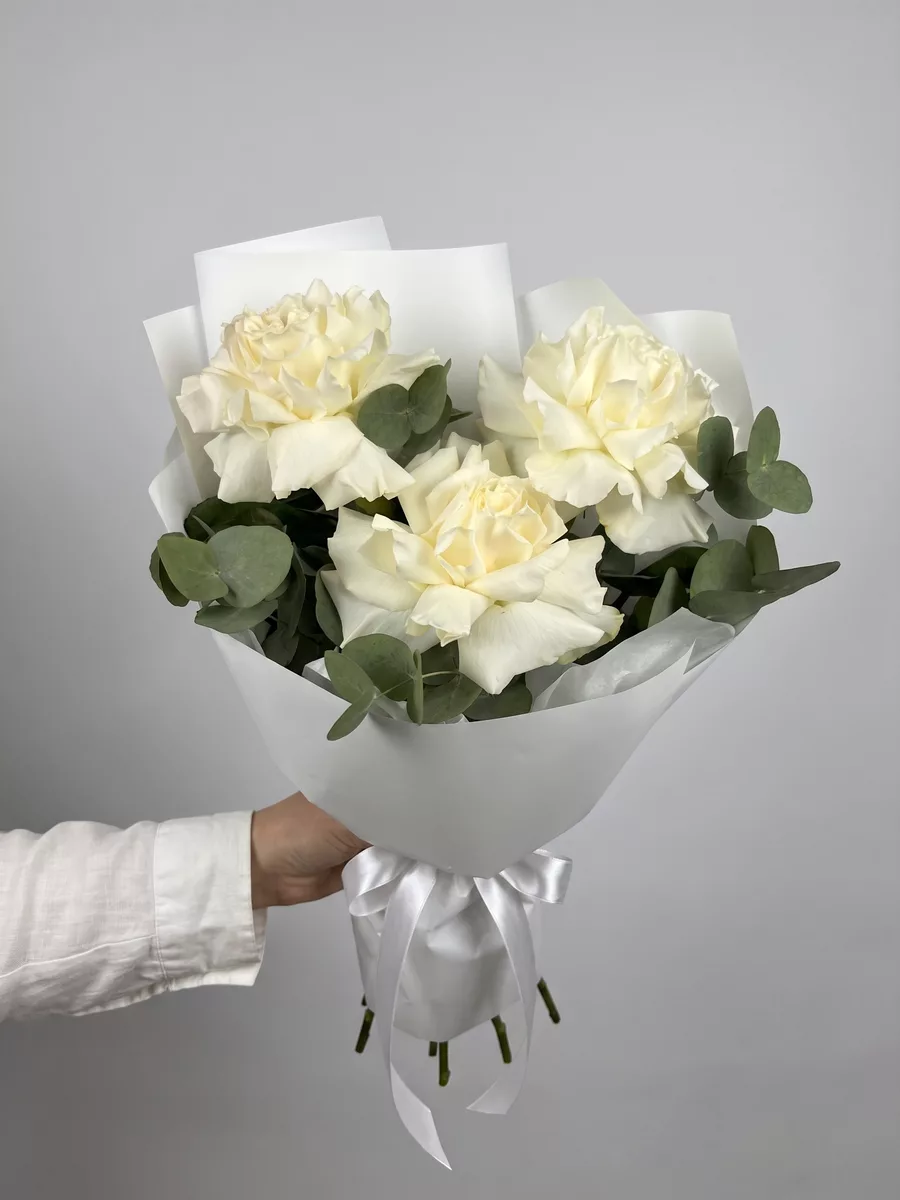
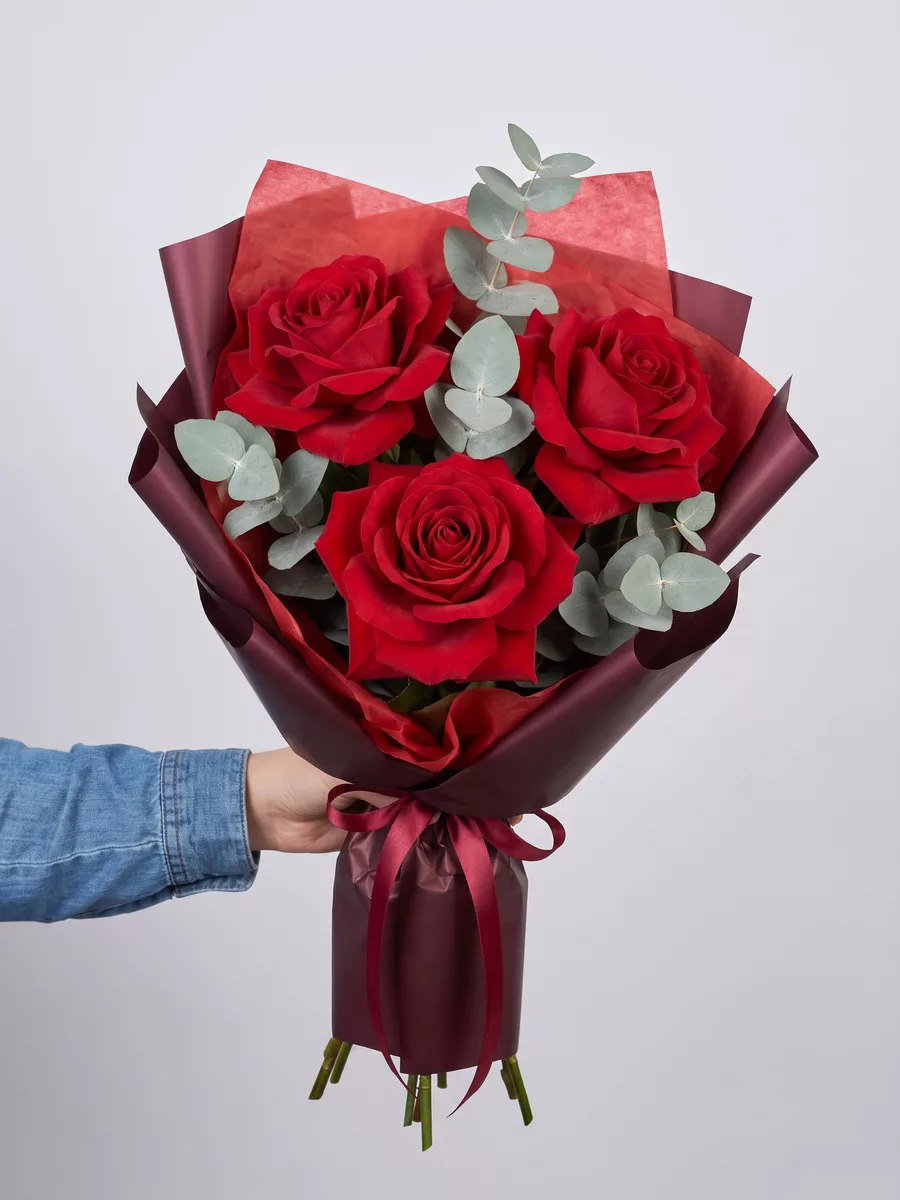
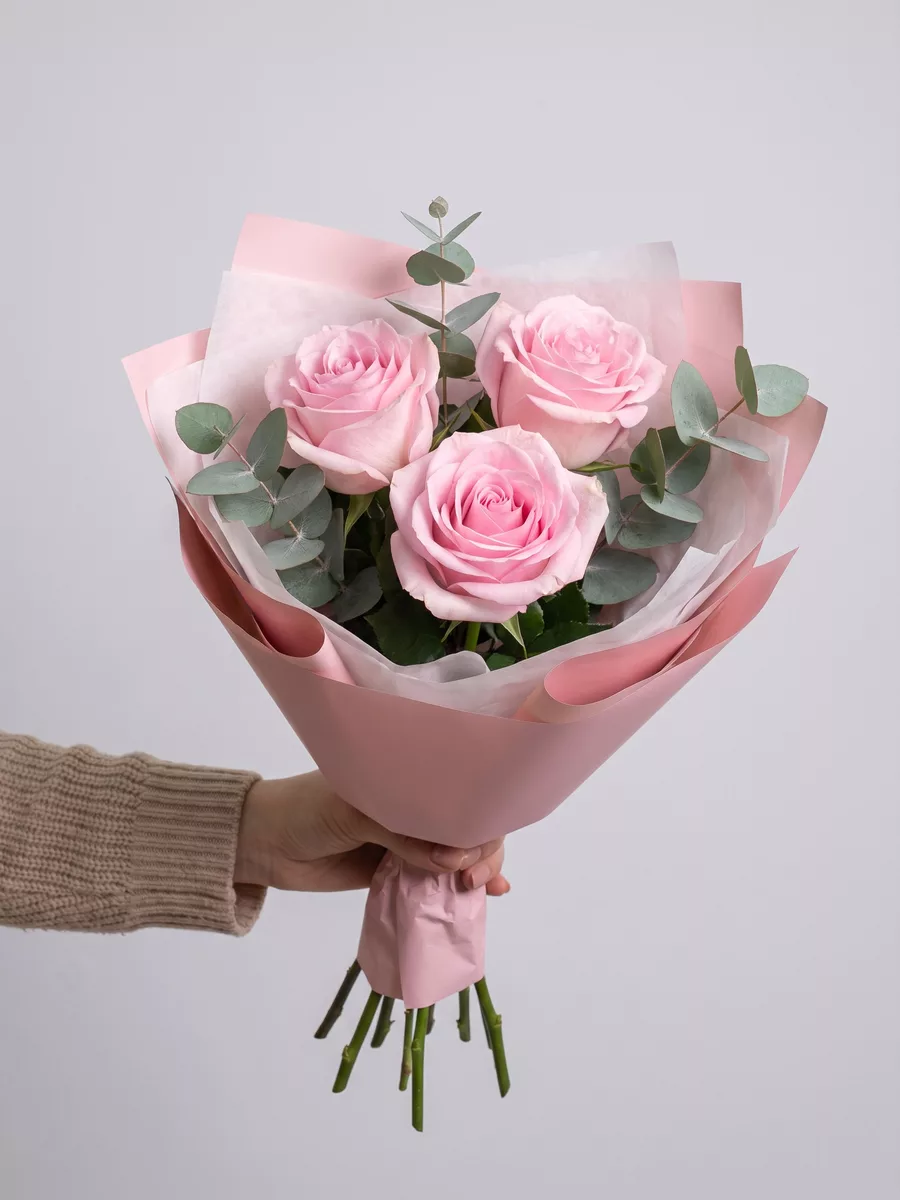
Delivery Timing: What One to Two Hours Actually Means Here
The one-to-two-hour window is a real operational target, not a marketing phrase. It means that from the moment your order is confirmed and the bouquet is assembled, the courier is moving toward the address within that timeframe. In Verkhnyaya Salda, the compact geography helps: there are no long highway stretches between districts, and traffic congestion is significantly lighter than in a major city like Yekaterinburg.
That said, a few factors can stretch the window. Ordering during a peak period — the morning of March 8th, the afternoon of February 14th, or the weekend of a major public holiday — means more orders are being assembled simultaneously. If you are sending flowers for a specific occasion with a hard arrival time, ordering at least three to four hours ahead on a normal day and the evening before on a holiday gives the most reliable result.
Weather also plays a role in the Urals. Verkhnyaya Salda winters are serious: temperatures regularly drop below minus twenty Celsius between December and February. Couriers adapt packaging for cold conditions, wrapping stems and petals to prevent frost damage, but this adds a few minutes to preparation. In summer, the opposite risk applies — heat above twenty-five degrees accelerates wilting, so morning delivery slots are preferable for delicate varieties like sweet peas, ranunculus or garden roses. Knowing the season when you order helps you choose both the right flowers and the right window.
Choosing Flowers for the Occasion, Not Just the Price
The most common mistake people make when ordering remotely is choosing flowers they personally like rather than flowers suited to the recipient and the moment. A dramatic arrangement of dark burgundy calla lilies is striking, but if it is going to a cheerful colleague's birthday desk in a bright open office, something lighter — spray roses in coral, yellow freesias, white alstroemeria — will feel more in tune with the room and the person.
For romantic occasions, red roses remain the classic choice in Russia, and they carry that meaning clearly. But a mixed bouquet of garden roses in blush and cream tones with eucalyptus reads as equally romantic and considerably more personal. Peonies, when in season from late May through June, are deeply associated with warmth and femininity in Russian gifting culture — they are one of the most requested flowers for both Mother's Day and anniversaries.
For professional occasions such as a work anniversary, a promotion or a thank-you to a teacher or doctor, white or pale-coloured arrangements are generally well received. Chrysanthemums in white or pale yellow, lilies in cream, or a structured bouquet of lisianthus feel appropriately elegant without being overly personal. In Russian tradition, the number of flowers in a bouquet should be odd for celebratory occasions — three, five, seven, nine — so a well-assembled arrangement from a florist will already follow this convention, but it is worth knowing if you are ever asked to specify a quantity.
Bouquets by Budget: Making Every Range Look Its Best
The size and complexity of a bouquet matters less than how well the flowers are chosen and combined for the budget available. A modest arrangement of five stems of seasonal spray roses with a few sprigs of waxflower and eucalyptus can look genuinely considered and generous. The key is that every element earns its place — filler flowers should complement, not crowd.
At a mid-range budget, the options open up considerably. This is where you can combine two or three main flower types: for example, white lisianthus with lavender statice and a few stems of blue eryngium, or blush tulips with white muscari and a ribbon of soft greenery. These combinations have texture and movement, which makes them look more expensive than a single-variety bunch of the same value.
At a higher budget, the conversation shifts to scale and focal flowers. Large-headed garden roses, peonies in season, or long-stemmed oriental lilies become the centrepiece. Presentation also changes: structured round bouquets, cascading arrangements, or flowers presented in a hat box rather than wrapped paper all signal that extra care has gone into the choice. For recipients in Verkhnyaya Salda receiving a delivery at home, a hat box has a practical advantage too — it stands on its own and does not require the recipient to find a vase immediately, which matters if they are caught off guard by the surprise.
Seasonal Flowers and What Grows Well in Ural Conditions
The Ural region has a continental climate with cold, long winters and relatively warm summers. This shapes what is genuinely fresh and available at different points in the year, and understanding the seasons helps you choose flowers that arrive at their best rather than at the end of a long refrigerated journey.
In winter, from November through March, the most reliably fresh choices are flowers with strong cold tolerance: roses, chrysanthemums, alstroemeria, carnations and gerbera. These varieties travel and store well in cold conditions and are consistently available. Tulips begin arriving in good quality from late January, first as Dutch imports and later, as spring approaches, in greater variety.
Spring is the most exciting season for flower delivery in the Urals. From April onward, mimosa, hyacinths, daffodils and then tulips in full colour are at their peak. May and June bring peonies, which are genuinely worth ordering if the timing aligns with your occasion. Summer, from July through August, is the season for sunflowers, zinnias, lisianthus and the first dahlias. These are bold, warm-weather flowers that suit the longer days and the celebratory energy of summer birthdays and graduations.
Autumn, September through October, is dahlia season in full force, alongside asters, celosia and late-season roses. These are rich, warm-toned flowers that suit the season well and hold up admirably in the cooling temperatures of a Ural autumn. Knowing what is naturally in season almost always means better flowers for the same budget.
How to Care for the Bouquet Once It Arrives
A florist's work does not end at the doorstep. What the recipient does in the first thirty minutes after a bouquet arrives determines much of how long it lasts. Passing this information along — either in a note with the flowers or in a message to the recipient — is one of the kindest things you can do alongside the gift itself.
The first step is to trim the stems. Cut each stem at a diagonal angle, removing about two centimetres, using a sharp knife rather than scissors. Scissors crush the stem tissue and reduce water uptake. Diagonal cuts increase the surface area through which the flower drinks. Do this under running water or immediately before placing the stems into water, so no air enters the cut.
The vase should be clean and filled with cool, fresh water. In Verkhnyaya Salda winters, tap water is cold enough to be ideal. In summer, avoid letting the water get warm. Remove any leaves that would sit below the waterline — submerged leaves rot quickly and cloud the water with bacteria, which shortens the life of every stem in the vase.
Keep the arrangement away from direct sunlight, radiators and draughts. In a Ural apartment in winter, the area near a window is often very cold at night and warm during the day from heating — not the ideal spot. A stable room temperature, away from heat sources, extends vase life significantly. Change the water every two days and re-trim the stems each time. Roses, lilies and alstroemeria treated this way will typically last seven to ten days. Tulips and ranunculus are shorter-lived but can hold for five to seven days with good care.
Making a Remote Order Feel Personal and Thoughtful
Ordering flowers for someone in Verkhnyaya Salda when you are in Moscow, Saint Petersburg or another city entirely is a situation many people find slightly uncertain. You cannot see the flowers before they leave. You cannot check that the address is right by walking past the building. The distance creates a small but real anxiety about whether the gift will land the way you imagined it.
The most effective way to close that gap is specificity. The more clearly you describe the recipient — their age, the occasion, whether they prefer soft or bold colours, whether their home is modern or traditional — the more a florist can match the arrangement to the person rather than assembling a generic bouquet. Notes like 'she loves anything pink and romantic' or 'he is retiring after thirty years and the office is quite formal' give real direction.
A personal message card is worth including every time. In Russian gifting culture, the card is read carefully and often kept. A few sincere sentences matter more than elaborate phrasing. If you are writing in Russian for a recipient who does not speak English, keep the message simple and warm — florists can advise on phrasing if you are uncertain.
Finally, consider the timing from the recipient's perspective. A bouquet arriving at nine in the morning on a birthday feels like a celebration that starts the day. One arriving at seven in the evening feels like an afterthought, even if it is equally beautiful. In Verkhnyaya Salda, where many residents work industrial shifts, checking the recipient's schedule before choosing a delivery window shows the same care as choosing the flowers themselves.
Sending flowers to Verkhnyaya Salda is straightforward when you understand what shapes the experience: the compact geography that makes fast delivery possible, the Ural seasons that determine what is genuinely fresh, and the small practical details — a full address, a care note, a well-chosen delivery window — that turn a good bouquet into a genuinely memorable gift. The flowers carry the feeling, but the thought behind them is what the recipient actually remembers.
Frequently asked questions
Can I order flowers for same-day delivery to Verkhnyaya Salda?
Yes, same-day delivery is available. Place your order with enough lead time — at least two to three hours on a regular day. During major holidays such as March 8th or February 14th, ordering the evening before gives the most reliable result and ensures the bouquet is assembled fresh rather than rushed during peak demand.
What happens to the flowers if it is very cold outside during delivery?
Bouquets are packaged for cold-weather transport in Ural winter conditions. Stems and petals are wrapped to protect against frost during transit. Temperatures below minus fifteen Celsius are common in Verkhnyaya Salda from December through February, and packaging accounts for this. The flowers are exposed to outdoor temperatures only briefly during the handover.
Which flowers last the longest in a Verkhnyaya Salda apartment in winter?
Chrysanthemums, alstroemeria and carnations are consistently the longest-lasting varieties, often holding ten to fourteen days with fresh water and stem trimming. Roses last seven to ten days when cared for properly. Tulips are shorter-lived at five to seven days but are very popular in winter and early spring for their colour and elegance.
Do I need to be present to receive the delivery, or can it be left at the door?
For fresh flowers, personal handover is strongly preferred. A bouquet left outside a door in Ural winter temperatures can suffer frost damage within minutes. If the recipient cannot be home, arranging for a neighbour or family member to receive the delivery is a practical solution. Always provide a contact phone number so the courier can call ahead.
Is it appropriate to send flowers for a professional occasion like a work anniversary in Russia?
Absolutely. Flowers for professional milestones are common and warmly received in Russian workplace culture. Choose pale or neutral tones — white, cream, soft yellow — rather than bold reds, which read as romantic. A structured arrangement of lisianthus, chrysanthemums or white roses with greenery strikes the right balance between generous and appropriately formal.
Ready to send flowers?
Pick the city, choose the bouquet, and a local florist takes it from there.
Choose a city →