Sending Flowers to Vilyuchinsk? Here Is What to Expect
Vilyuchinsk sits on the Kamchatka Peninsula, a closed military city surrounded by volcanoes and sea. Ordering flowers here feels like a leap of faith — but it does not have to. Whether you are marking a birthday, a promotion, or simply saying you were thinking of someone, a well-chosen bouquet lands with real warmth in a place where fresh flowers are genuinely rare and therefore genuinely appreciated.
Why Vilyuchinsk Is a Different Kind of Delivery Challenge
Vilyuchinsk is not a typical Russian city. It carries closed-city status, which means access is restricted and logistics that feel routine elsewhere become genuinely complicated. The peninsula itself is remote — Petropavlovsk-Kamchatsky is the nearest major hub, and everything that arrives in Vilyuchinsk has already made a long journey. That geographical reality shapes every decision a florist makes when preparing a bouquet for this destination.
The climate adds another layer of complexity. Kamchatka is cold, damp and subject to rapid weather changes. In winter, temperatures regularly drop well below zero, and even spring arrivals can feel like midwinter to a bouquet of tropical flowers. This is not a reason to skip sending flowers — it is a reason to choose and pack them thoughtfully.
When you order from Turboflora, these conditions are already factored into how the bouquet is prepared. Stems are wrapped in insulating sleeves when temperatures call for it, and water-retaining materials keep flowers hydrated during transit. The recipient does not need to know any of this — they simply open the door to something beautiful. But understanding the background helps you set the right expectations and choose varieties that will genuinely thrive after arrival rather than wilt within hours.
Bouquets we can deliver

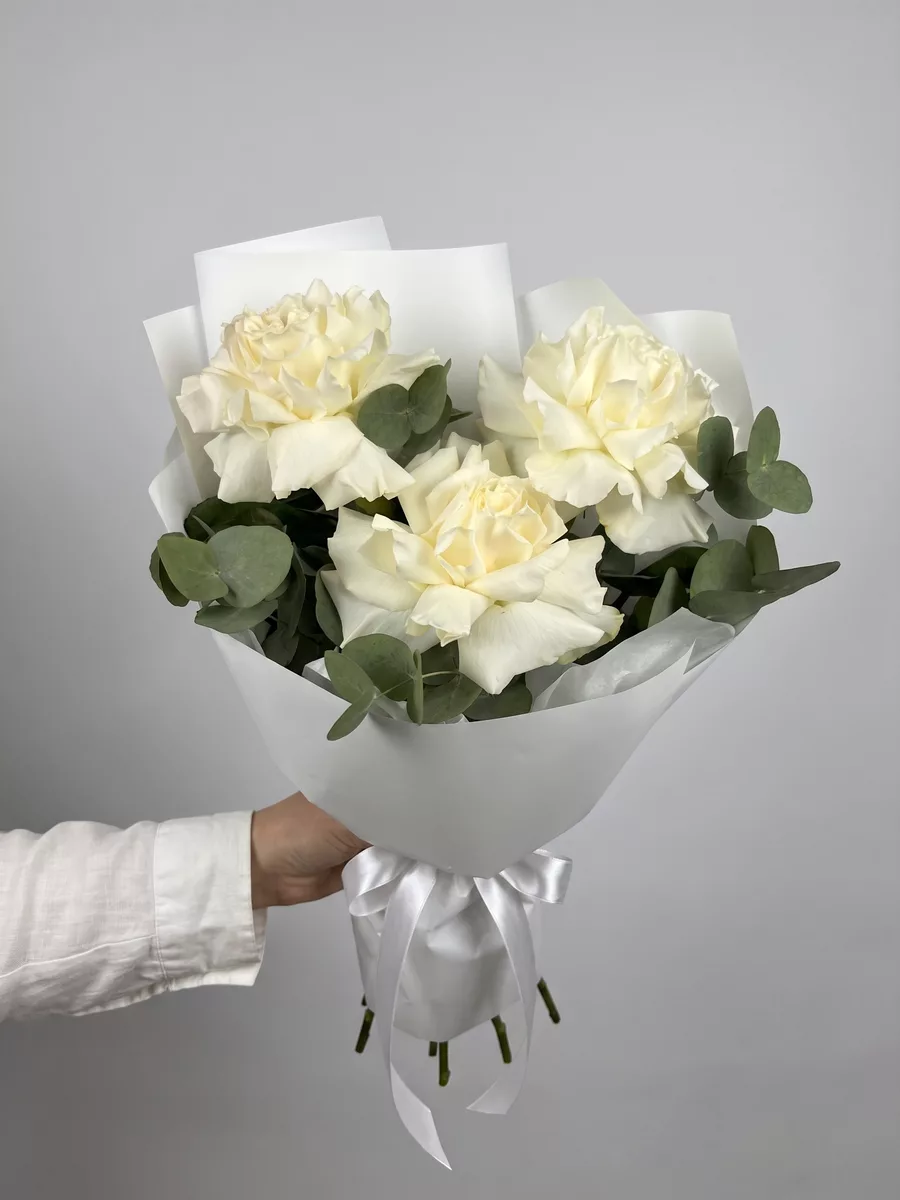
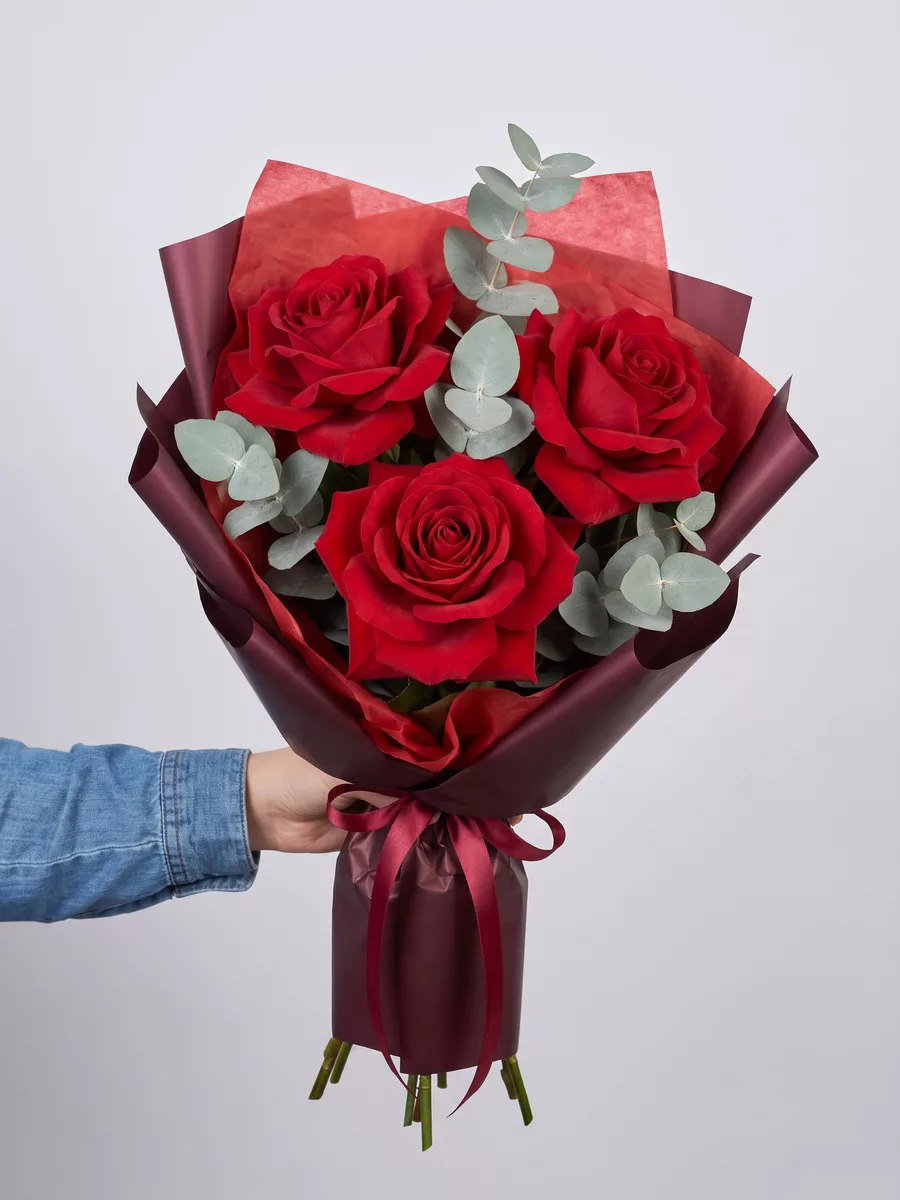
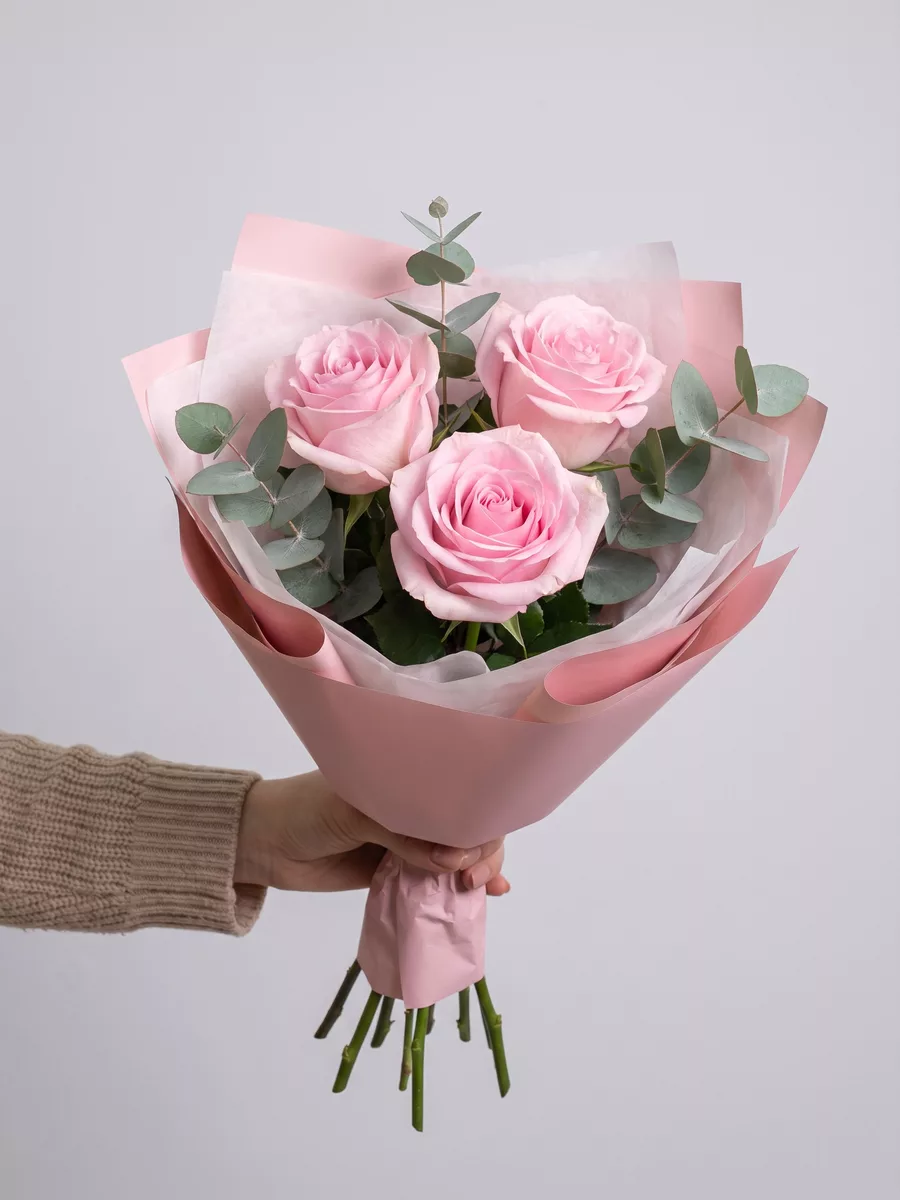
Delivery Timing: What One to Two Hours Actually Means Here
Turboflora's headline promise is delivery within one to two hours, and that is the standard across Russia. For Vilyuchinsk, it is worth understanding what that window covers and what it requires from you when placing the order. The clock starts once your order is confirmed and the bouquet is assembled — not from the moment you begin browsing the website. A clear delivery address, including any access instructions relevant to a restricted-entry city, speeds everything up considerably.
Vilyuchinsk's closed status means the delivery process involves checkpoints that simply do not exist in an open city. If the recipient needs to be reached in advance to facilitate access, that step should happen before the bouquet leaves the preparation stage. Communicating this when you place your order removes the single biggest source of delay. The florist team handles the rest.
For surprise deliveries — which are lovely and absolutely possible — the key is making sure someone will be home or reachable near the delivery window. Kamchatka is nine hours ahead of Moscow, so if you are ordering from the European part of Russia, double-check the local time before you confirm. A bouquet arriving at midnight is a memorable gesture for the wrong reasons. Ordering in the morning Moscow time typically means a comfortable afternoon arrival in Vilyuchinsk, which is often the most practical window for both the recipient and the delivery.
Choosing Flowers for Kamchatka's Climate
Not every flower is equally well suited to a cold, remote destination. Some varieties handle temperature stress and extended transit far better than others, and knowing which ones to lean toward means the bouquet your recipient opens looks as good as the one you imagined when you ordered it.
Roses are reliable when they are properly conditioned — look for garden roses or spray roses rather than single long-stemmed varieties if you want something that holds its shape through temperature variation. Chrysanthemums are exceptional travellers: they are cold-tolerant, long-lasting and available in a wide range of colours that work for almost any occasion. Alstroemeria is another strong choice, with tight buds that open gradually over several days and sturdy stems that resist bruising during transit.
Avoid highly delicate flowers for winter and early spring orders. Gardenias, for example, bruise at the slightest touch and dislike cold air. Tropical varieties like anthuriums can suffer cellular damage when exposed to temperatures below five degrees Celsius, even briefly. In summer, Kamchatka is milder and the range of safe choices expands — peonies, lisianthus and even some garden dahlias can make the journey beautifully.
A mixed bouquet combining a structural flower like a rose with supporting textures — eucalyptus, waxflower or solidago — tends to arrive looking more composed than a single-variety arrangement, because the different stem types support each other during transit. Ask for this kind of layered construction when you order and the result will be noticeably fuller on arrival.
Occasions That Feel Especially Right in Vilyuchinsk
People in Vilyuchinsk celebrate the same moments everyone does — birthdays, anniversaries, graduations, the birth of a child, a new job. But the context of living in a remote, close-knit military community adds something to the emotional weight of receiving flowers. In a city where you see the same faces every day and fresh goods from the mainland feel like small luxuries, a bouquet is not just a bouquet. It signals that someone outside thought of you specifically, made an effort and sent something beautiful across a considerable distance.
For a birthday, lean toward colours that feel celebratory rather than restrained — warm yellows, coral tones and soft pinks work across age groups and feel generous without being overwhelming. For a new baby, white and pale green combinations with soft textures like ranunculus or sweet peas read as tender and appropriate. For a military anniversary or a professional milestone, a more structured arrangement — clean lines, deeper reds or burgundy tones — carries the right sense of occasion.
If you are sending to someone you do not know well, a neutral palette of whites and creams with greenery is the most universally appreciated choice. It reads as elegant rather than overly personal and works in any home. In Russian culture, odd numbers of flowers are traditional for celebratory occasions — even numbers carry a different, more solemn association — so a bouquet of seven, nine or eleven stems is more culturally fitting than an even dozen if you want to follow local custom.
Budget Ranges and What They Look Like in the Vase
Flower budgets translate into real visual differences, and it is worth understanding what those differences are before you choose. At the entry level, you are working with a single focal flower — a spray rose or a chrysanthemum — supported by greenery and perhaps one accent variety. This is a sincere, cheerful bouquet that suits a thank-you or a casual birthday gesture perfectly well. It does not try to be more than it is, and that honesty is its own kind of charm.
In the mid range, the bouquet gains depth. You might have two or three focal varieties — roses paired with alstroemeria, for example, or lisianthus alongside spray carnations — with eucalyptus or ruscus weaving through to give the arrangement movement. This is the range where presentation becomes genuinely impressive: the recipient unwraps something that feels considered and layered rather than assembled quickly.
At the higher end, you are working with premium blooms — garden roses with their full, many-petalled heads, peonies in season, or Dutch-grown lisianthus in double-flowered varieties — combined with complementary textures and a more elaborate wrap. These bouquets photograph beautifully and last well if cared for properly. They are the right choice for significant anniversaries, major milestones or whenever you want the recipient to feel that no compromise was made.
Regardless of budget, the care instructions that accompany the bouquet make a meaningful difference to how long it stays beautiful — more on that in the section that follows.
Keeping Flowers Fresh After Arrival in Vilyuchinsk
Apartments in Vilyuchinsk, like most Russian homes, tend to be well heated — sometimes very well heated. Central heating runs from autumn through late spring, and indoor temperatures can sit consistently above twenty degrees Celsius even when it is freezing outside. This warmth is the main enemy of a fresh bouquet, and a few simple steps on the recipient's part will significantly extend vase life.
The first thing to do when the bouquet arrives is trim the stems. A diagonal cut of about two centimetres, made with a sharp knife rather than scissors, opens more surface area for water uptake. Scissors can crush the stem's vascular tissue, which reduces how effectively the flower drinks. If the recipient has a sharp kitchen knife, that works perfectly. The cut should be made under running water or immediately placed in water to prevent an air bubble from forming in the stem.
Fresh, cool water changed every two days is more effective than any additive. Keep the vase away from direct sunlight, radiators and fruit bowls — ethylene gas released by ripening fruit accelerates petal drop in roses and lilies noticeably. A cool room at night, even just moving the vase to a hallway, adds days to the arrangement's life.
Chrysanthemums and alstroemeria will typically last ten to fourteen days with this treatment. Roses vary between five and ten days depending on the variety and how tightly the buds were when they arrived. Lisianthus, one of the most underrated flowers for longevity, can last two weeks in good conditions — making it an excellent choice for a recipient who travels or has a busy schedule.
Making the Order Go Smoothly From Your End
The practical side of ordering flowers to Vilyuchinsk is straightforward if you prepare a few details in advance. The most important is the recipient's full address, including apartment number, entrance number and floor — Russian apartment buildings often have multiple entrances, and an incomplete address creates real delays. If the building has an intercom code or a security desk that needs to be notified, include that in the order notes.
Because Vilyuchinsk has restricted access, it is worth letting the recipient know a delivery is coming, even if you want to keep the specific contents a surprise. A simple message saying something is on its way, without revealing what, preserves the element of surprise while ensuring someone is available to receive it. A bouquet left outside a door in cold weather will not fare well.
If you are ordering from a different time zone — and most of Russia is, relative to Kamchatka — confirm the local time before you finalise. Kamchatka Standard Time is UTC+12, which puts it twelve hours ahead of Moscow. An order placed at ten in the morning Moscow time reaches Vilyuchinsk in the early evening local time, which is generally a pleasant hour to receive flowers.
Finally, leave a note with the bouquet. It does not need to be long — even two or three sentences written personally carry more weight than a blank card. In a city where connection to the wider world feels meaningful, a handwritten message inside a beautiful bouquet turns a delivery into a genuine moment.
Vilyuchinsk is not the easiest place to reach, but that is precisely what makes sending flowers there so worthwhile. The distance and the effort become part of the gift itself — the recipient understands that you went out of your way, and that understanding is felt before the wrapping is even opened. Choose varieties suited to the climate, prepare the delivery details carefully, and let the bouquet do the rest. Fresh flowers in a remote peninsula city carry a warmth that no other gift quite matches.
Frequently asked questions
Can flowers really be delivered to a closed city like Vilyuchinsk?
Yes, delivery to Vilyuchinsk is possible. Because the city has restricted access, it helps to inform the recipient in advance so they can facilitate entry at the checkpoint. Including clear address details and any access notes when you place your order removes the main source of delay and ensures the bouquet arrives without complications.
What is the best time of day to schedule a delivery to Vilyuchinsk?
Kamchatka is twelve hours ahead of Moscow, so morning orders placed in Moscow typically arrive in Vilyuchinsk during the afternoon or early evening local time. This is the most practical window — the recipient is likely to be home, and the bouquet avoids sitting in cold temperatures overnight. Always confirm the local time before placing your order.
Which flowers survive the cold Kamchatka climate best?
Chrysanthemums, alstroemeria and well-conditioned roses are the most reliable choices for Kamchatka deliveries. They tolerate temperature variation during transit and last well in warm apartments. Avoid tropical varieties like anthuriums in winter, as brief exposure to temperatures below five degrees Celsius can cause lasting cellular damage that shows up as browning or wilting within a day of arrival.
Is it appropriate to send flowers as a surprise to Vilyuchinsk?
Surprise deliveries are absolutely possible and often very touching. The practical step is to let the recipient know something is coming without revealing what — this ensures someone is home to receive it. In a closed city, the recipient's awareness also helps with checkpoint access. A simple message saying a small delivery is on its way is all that is needed to keep the surprise intact.
How long will the bouquet stay fresh once it arrives?
With basic care — a diagonal stem cut, clean cool water changed every two days, and placement away from heat sources and fruit — most bouquets last between seven and fourteen days. Chrysanthemums and alstroemeria sit at the longer end of that range. Roses typically last five to ten days depending on the variety. Heated Kamchatka apartments can shorten vase life, so a cooler spot at night makes a noticeable difference.
Ready to send flowers?
Pick the city, choose the bouquet, and a local florist takes it from there.
Choose a city →