Sending Flowers to Volzhsk: Timing, Choices and What Actually Arrives
Volzhsk sits on the left bank of the Volga in the Mari El Republic, and if you have someone there worth surprising — a mother on her birthday, a colleague finishing a big project, a friend who just moved into a new flat — fresh flowers are still the fastest way to say something real. Turboflora delivers to Volzhsk within one to two hours, which means the bouquet can arrive before the feeling fades.
Which Parts of Volzhsk We Reach and How Quickly
Volzhsk is a compact city, and that works in your favour. Deliveries cover the central districts along Lenina and Oktyabrskaya streets, the residential neighbourhoods near the paper mill area, and the quieter streets stretching toward the Volga embankment. Whether the address is a Soviet-era apartment block or a private house on the outskirts, the courier reaches it within the one-to-two-hour window we promise.
The timing starts from the moment you confirm your order, not from when we begin assembling the bouquet. Assembly happens in parallel with dispatch preparation, so there is no hidden wait. Morning orders placed before noon typically arrive well before lunch. Evening orders up to our cut-off time are handled with the same priority — we do not treat late-day deliveries as an afterthought.
One thing worth knowing: Volzhsk has several streets with identical or very similar names in different districts. When you fill in the address, include the district name or a nearby landmark if the street name is common. This one small detail prevents the only real delay we ever see in this city. A clear address with a flat number, entry code and a phone number the recipient will actually answer makes the whole process smooth from our side and pleasant from theirs.
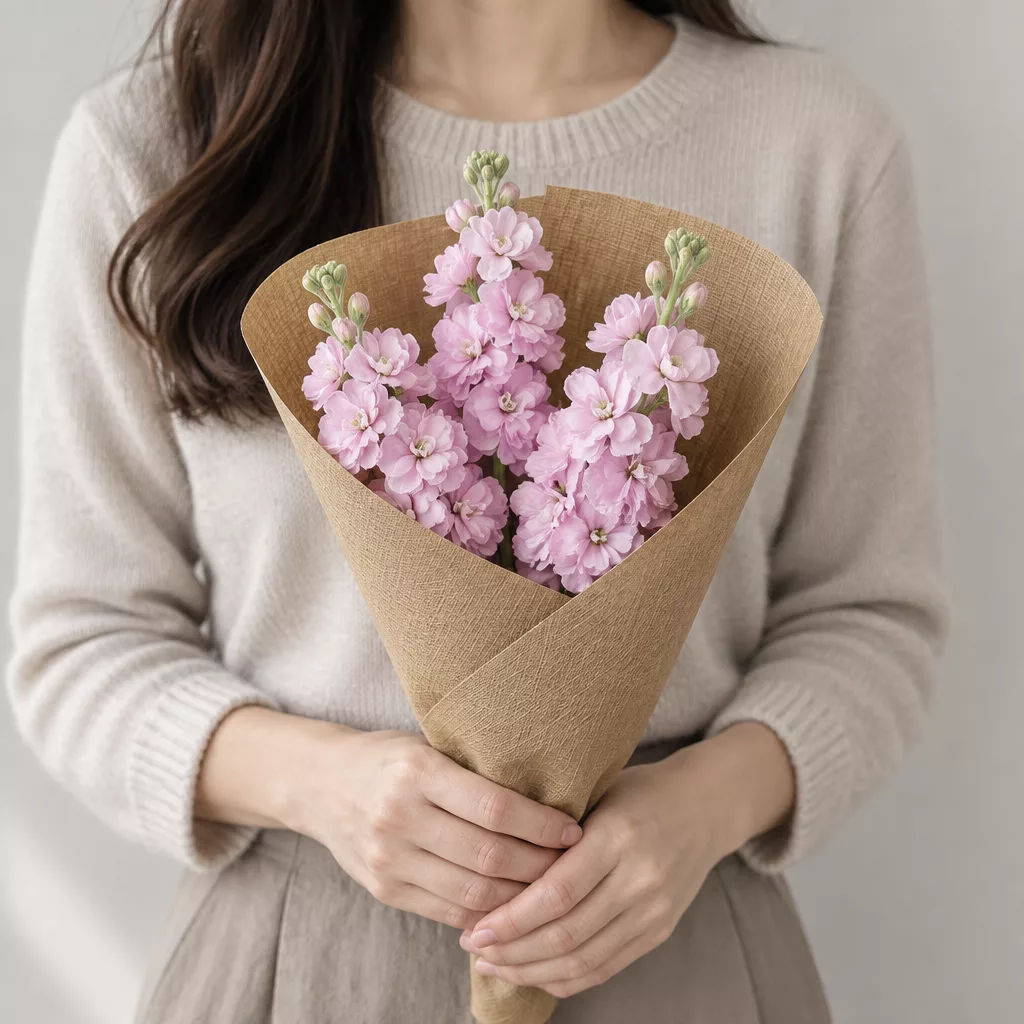
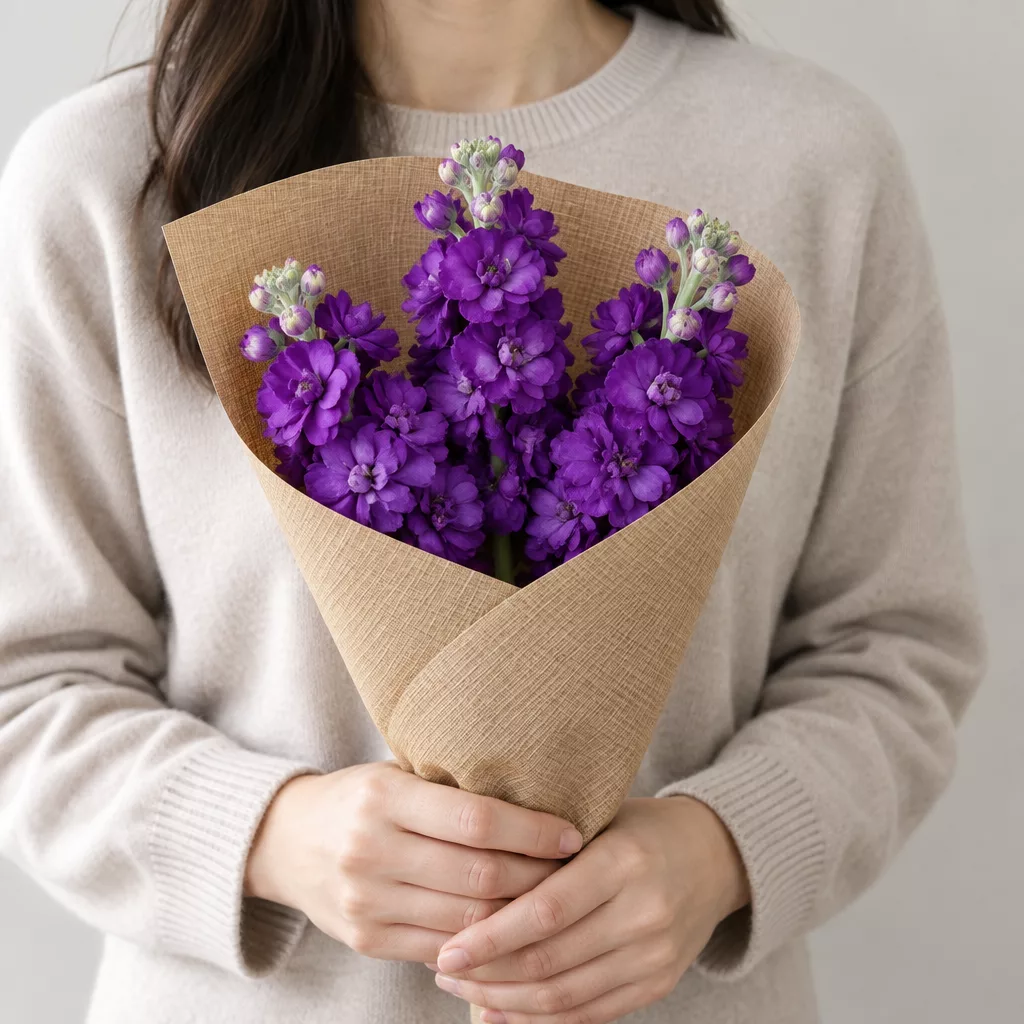
Bouquets we can deliver


Reading the Occasion Before You Choose the Flowers
Before thinking about roses versus peonies, think about the person and what the moment actually calls for. A birthday for a woman in her thirties who loves bold colour is a completely different brief from a thank-you bouquet for a teacher at the end of the school year. Getting this right matters more than budget, and it takes about thirty seconds of honest thought.
In Russian tradition, odd numbers of flowers in a bouquet are the norm for celebratory occasions — three, five, seven, nine stems. Even numbers carry a different association and are avoided for happy events. If you are ordering from outside Russia and were not aware of this, now you are, and it costs nothing to follow the custom. Our florists always count this automatically, but it is good to understand why.
For romantic occasions, red roses remain the clearest signal, but they are not the only one. A mix of garden roses in blush and cream with eucalyptus branches reads as thoughtful rather than generic. For friendships and professional gratitude, chrysanthemums, alstroemeria and lisianthus hold up beautifully and last longer in a vase than many people expect. For a new home or a housewarming, something with greenery — a bouquet that includes ruscus, pittosporum or monstera leaves alongside the flowers — feels grounded and lasting rather than purely decorative. Start with the feeling you want to send, and the variety will follow naturally from there.
What Volzhsk Weather Does to Flowers in Transit
The Mari El climate is continental, which means real winters and warm summers. In January and February, daytime temperatures in Volzhsk regularly drop to minus fifteen or lower, and this is the season when flower delivery requires the most care. Roses and gerberas are particularly sensitive to freezing — even ten minutes of exposure at minus ten can cause petal blackening that no amount of warm water will reverse.
Turboflora wraps cold-weather bouquets in insulating kraft paper with an inner thermal layer, and couriers carry bouquets inside the vehicle rather than in an open boot. The handover itself — that moment when the bouquet moves from courier to recipient at the door — is the most vulnerable point. We ask recipients to open the door quickly rather than leaving the bouquet in a cold hallway, and we pass this note along when the courier calls ahead.
Summer in Volzhsk brings the opposite challenge. July and August temperatures can reach thirty degrees Celsius, and direct sun through a car window can wilt tulips and ranunculus within twenty minutes. Summer deliveries are scheduled to avoid the hottest part of the day where possible, and bouquets are kept away from direct light during transit. Spring and early autumn are the easiest seasons for flower delivery — moderate temperatures mean the flowers arrive looking exactly as they did when assembled, which is always the goal. Knowing the season helps you choose varieties that will genuinely thrive after delivery rather than just survive it.
Choosing by Budget Without Losing the Gesture
A smaller budget does not mean a smaller impression — it means choosing smarter. A tight arrangement of five spray roses with waxflower and a few stems of eucalyptus, wrapped well and delivered on time, lands better than an oversized bouquet of tired flowers. The presentation and the timing carry as much weight as the number of stems.
At a modest budget, alstroemeria and chrysanthemums are your allies. Both come in a wide range of colours, both last ten to fourteen days in a vase with proper care, and both photograph beautifully — which matters in an age when recipients share their flowers. A monochrome arrangement of white chrysanthemums with dark foliage looks deliberate and elegant, not cheap.
Mid-range budgets open the door to garden roses, lisianthus and gerberas. Garden roses have a fuller, more romantic head than standard roses and come in colours from deep burgundy to pale apricot. Lisianthus, sometimes called eustoma, has ruffled petals that resemble peonies and holds its shape for well over a week. Gerberas bring immediate cheerfulness — they are hard to look at without feeling something lift.
At a higher budget, peonies in season, hydrangeas and large-headed Dutch roses create real impact. Peonies are only reliably available from late May through July, so if you are ordering outside that window, ask what is genuinely fresh rather than forcing a variety that has been in cold storage too long. Freshness always outranks prestige of variety.
How to Give Care Instructions That Actually Get Followed
Most flowers die early not because of poor quality but because of three avoidable mistakes: no water on arrival, wrong water temperature, and a vase placed near a heat source. If you are sending flowers to someone who does not think about these things — and most people do not — a short care note with the bouquet makes a real difference.
We include basic care instructions with every delivery, but a personal note that echoes the same points lands better. Ask the recipient to unwrap the bouquet as soon as it arrives, cut the stems at a forty-five-degree angle under running water, and place them in a clean vase with cool — not cold, not warm — water. Tap water in Volzhsk is fine for most varieties. Changing the water every two days and re-trimming the stems extends vase life noticeably.
Keep the vase away from windowsills in direct sun, away from radiators, and away from fruit bowls. Ripening fruit releases ethylene gas, which accelerates wilting in roses and tulips faster than almost anything else. This sounds like a small detail, but it is one of the most common reasons a beautiful bouquet fades in three days instead of seven.
For tulips specifically: they continue to grow after being cut, sometimes by several centimetres. A vase that seemed the right height on day one may look drooping by day three. This is normal and not a sign of poor quality — simply re-cut and use a taller vessel. Knowing this prevents disappointment and keeps the flowers looking intentional rather than neglected.
Combinations That Work Better Than Single-Variety Bouquets
A bouquet of one variety has its place — a tight bunch of red anemones or a simple armful of white tulips can be stunning. But mixed arrangements, when they are built around a clear colour story rather than assembled randomly, tend to feel more generous and more considered by the person receiving them.
The most reliable combination for a warm, romantic bouquet is a focal flower, a secondary flower, and a filler. Focal: garden roses or lisianthus. Secondary: spray roses or alstroemeria in a complementary shade. Filler: waxflower, gypsophila, or eucalyptus. This three-layer structure gives the bouquet depth and makes it look full without requiring an enormous number of stems.
For something fresher and more contemporary, try a green-and-white palette: white ranunculus, green trick dianthus, white lisianthus, and a few stems of ruscus. This combination photographs exceptionally well and suits both a professional environment and a modern flat. It reads as stylish rather than traditional, which matters for some recipients.
Orange and yellow combinations — think gerberas, yellow spray roses, and orange alstroemeria — are underused and genuinely uplifting. They work particularly well for birthdays in autumn and winter when the outside world is grey and the recipient needs something that contradicts the weather. Do not default to red and pink simply because they are familiar. Ask yourself what colour would make this specific person stop and smile, and build from there.
What Happens If No One Answers the Door
This is the question most people forget to ask until it matters. Volzhsk apartment buildings often have entry codes, intercoms that do not always work, and neighbours who do not always answer for strangers. The courier will call the recipient before arriving, which solves most problems before they start. But occasionally the recipient is in a meeting, has their phone on silent, or is simply not expecting a delivery and does not recognise the number.
When the courier cannot reach the recipient after calling, we contact you — the sender — to decide the next step. Options include waiting a short time and trying again, leaving the bouquet with a neighbour if the recipient has confirmed this in advance, or rescheduling for a specific time when the recipient will be available. We do not leave flowers unattended in a hallway or outside a door, because temperature exposure and theft are both real risks.
The simplest way to prevent this situation is to give the recipient a heads-up that something is coming, without revealing what. A message saying 'keep your phone close this afternoon' is enough. This is especially useful for surprise deliveries where the element of surprise is about the bouquet itself, not the timing. Knowing that a delivery is coming means the recipient will answer the door, and the courier's job becomes straightforward. The flowers arrive fresh, the moment lands as intended, and nothing needs to be rescheduled. A small coordination step saves everyone time and keeps the gesture intact.
Volzhsk is not a large city, and that is precisely what makes flower delivery there feel personal rather than logistical. The distances are short, the timing is real, and a bouquet assembled this morning can be on someone's table before lunch. The choices you make — variety, colour, combination, care note — are what turn a standard order into something the recipient actually remembers. Turboflora handles the transit; you handle the thought behind it. Between the two, the flowers do the rest.
Frequently asked questions
Can I order flowers to Volzhsk the same day?
Yes. Same-day delivery to Volzhsk is available for orders placed within our daily operating hours. Once you confirm the order, the bouquet is assembled and dispatched immediately. Delivery takes one to two hours from confirmation, so a morning order can arrive well before midday and an afternoon order before evening.
What flowers are available for delivery to Volzhsk in winter?
In winter we work primarily with roses, chrysanthemums, alstroemeria, lisianthus and gerberas — varieties that travel reliably in cold temperatures when properly packaged. Tulips are available in winter but require careful handling. We wrap all cold-weather bouquets in insulating layers and keep them inside the vehicle throughout transit to prevent frost damage.
Is it normal to give an odd number of flowers in Russia?
Yes, for celebratory occasions in Russia odd numbers — three, five, seven, nine — are the accepted custom. Even numbers carry a different cultural association and are generally avoided for birthdays, anniversaries and other happy events. Our florists count this automatically, so every bouquet we assemble for a celebration follows this convention without you needing to specify it.
How long will the flowers last after delivery in Volzhsk?
Most varieties last seven to twelve days with basic care: fresh water every two days, stems re-cut at an angle, and the vase kept away from direct sun, radiators and fruit. Chrysanthemums and alstroemeria regularly reach fourteen days. Tulips and gerberas are shorter, typically five to seven days, but look striking while they last.
What if I want to send a bouquet as a surprise and the recipient is not home?
The courier calls ahead before arriving. If there is no answer, we contact you as the sender to decide next steps — waiting briefly, rescheduling for a confirmed time, or leaving with a neighbour if pre-arranged. The simplest fix is to tell the recipient a delivery is coming without revealing what, so they stay reachable. This keeps the surprise intact and the flowers fresh.
Ready to send flowers?
Pick the city, choose the bouquet, and a local florist takes it from there.
Choose a city →