Sending Flowers to Vorkuta? Here Is What to Expect
Vorkuta sits above the Arctic Circle, and sending flowers there feels like a small act of defiance against the cold — which is exactly why it matters so much. Whether you are marking a birthday, celebrating a new job, or simply telling someone far away that you are thinking of them, a fresh bouquet arriving at their door in a city where winter lasts nine months carries real weight. Here is everything you need to know before you order.
Why Vorkuta Is Different From Any Other Delivery City
Most Russian cities present logistical puzzles that are solved by distance and traffic. Vorkuta presents something else entirely: extreme cold, a compressed urban geography, and a population that genuinely appreciates any gesture that connects them to the wider world. The city is built around a series of microdistricts — Rudnik, Vorkuta proper, Shakhterskiy — and addresses within these areas are reachable, but the driver and the flowers both need to be prepared for what is outside.
Temperatures in Vorkuta regularly drop to minus 30 Celsius in January and February, and even October and April can surprise with sharp frosts. That temperature range is not a footnote — it is the central fact of every delivery decision. A bouquet left in an unheated vehicle for twenty minutes in that kind of cold will show it: petals bruise, stems stiffen, and roses in particular can look almost frozen at the tips by the time they reach the door.
This is why delivery to Vorkuta is handled with insulated packaging as standard, not as an upgrade. The bouquet travels wrapped and protected, and the handoff at the door is quick and deliberate. Recipients in Vorkuta tend to understand this rhythm intuitively — they open the door, take the flowers, and bring them inside immediately. If you are sending to someone who has never received a flower delivery in Arctic conditions before, a short note in the card about bringing the bouquet to room temperature slowly is a genuinely kind addition.
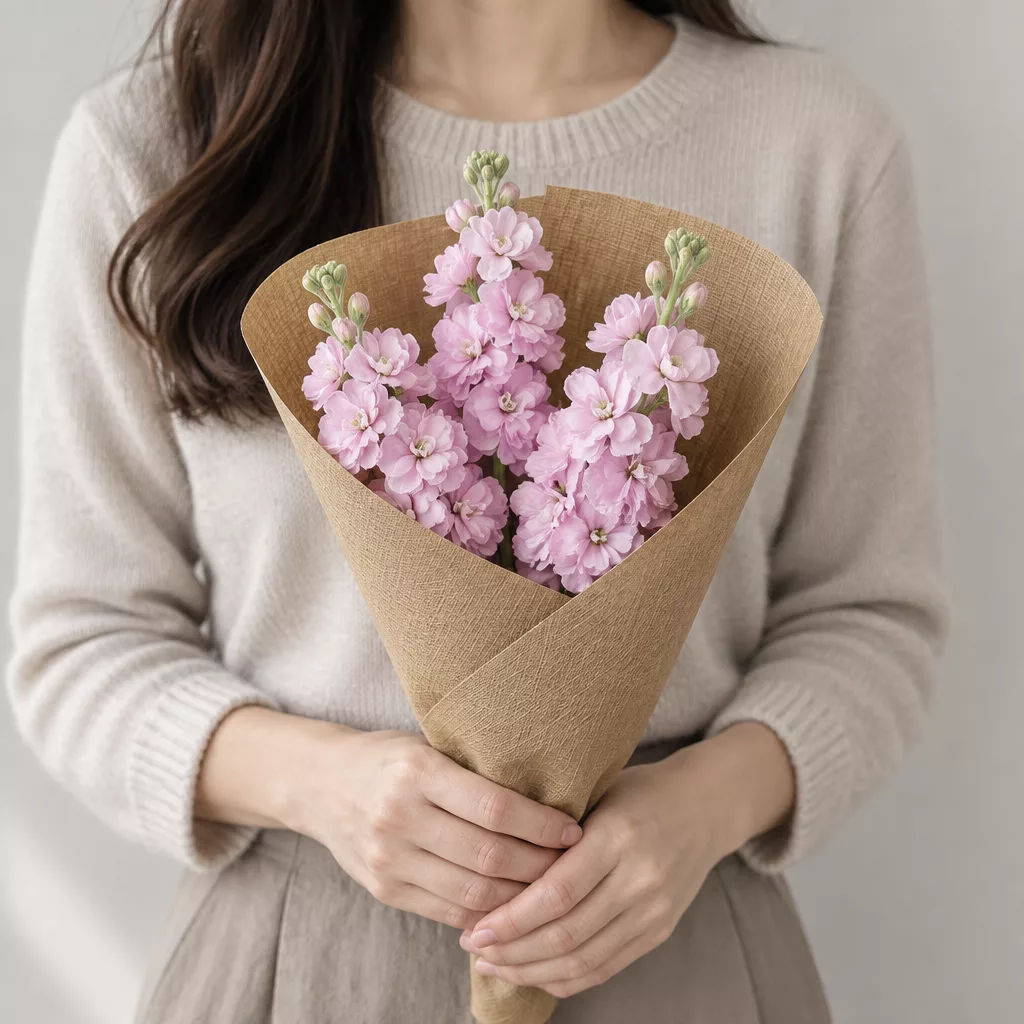
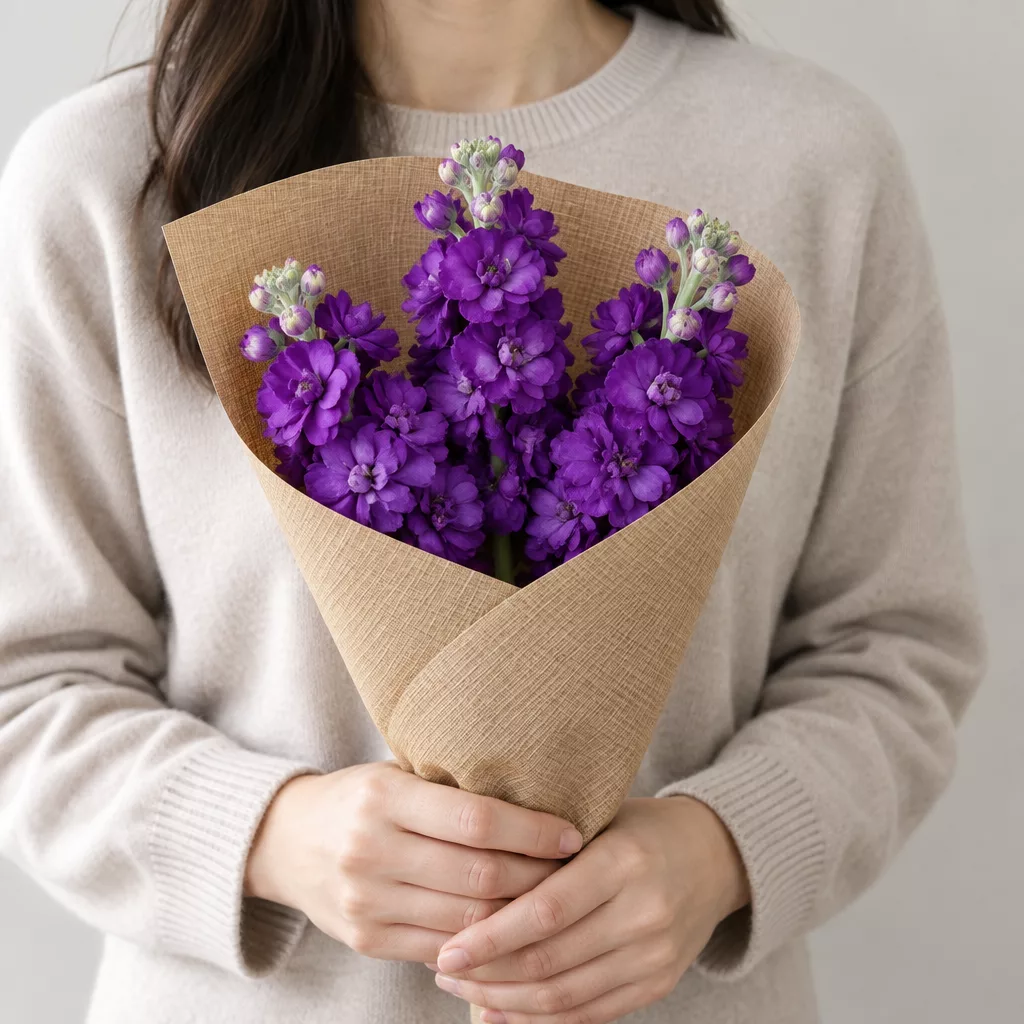
Bouquets we can deliver


Delivery Areas and Which Addresses We Reach
Turboflora delivers across Vorkuta's main residential and administrative districts. The central part of the city — ulitsa Lenina, the area around the Drama Theatre, the main administrative blocks — is straightforward. The outlying microdistricts, including Rudnik in the north and the areas closer to the former mine infrastructure, are also within reach, though timing for those addresses may sit toward the outer edge of the delivery window rather than the shorter end.
If you are not sure whether a specific address qualifies, the safest approach is to enter the full address at checkout. The system will confirm coverage before you complete the order. Vorkuta is not a large city by population, but its layout is spread across a significant geographic area, and some addresses require route planning that adds time.
One practical point worth knowing: apartment buildings in Vorkuta often have intercom systems, and many have security desks in the lobby, especially in newer residential blocks. When you place an order, including the recipient's phone number is important — not just helpful. The courier will call ahead to coordinate entry. If the recipient is at work rather than at home, it is worth specifying a workplace address instead, since office buildings in the city centre are often easier to access than residential towers during business hours. A delivery to someone's desk at their workplace, with colleagues watching, is one of the most memorable ways a bouquet can arrive anywhere — and Vorkuta is no exception.
Timing: What One to Two Hours Means in Arctic Conditions
The one-to-two-hour delivery window that Turboflora maintains across Russia applies in Vorkuta, and it is worth understanding what that means in practice. The bouquet is assembled fresh after your order is confirmed — not pulled from a shelf. Assembly, packaging for cold transit, and dispatch all happen in sequence, and the driver leaves with a bouquet that is at its peak.
In winter, the vehicle is kept warm, and the packaging around the flowers adds another layer of insulation. The goal is that the flowers arrive at the recipient's door looking exactly as they did when they left the studio. In practice, roses, chrysanthemums, and alstroemeria handle the transit exceptionally well. Delicate open blooms — garden roses with very loose petals, for example, or fully opened peonies — are more vulnerable to temperature shock, which is something the florist team considers when building the bouquet.
Ordering earlier in the day gives you the most flexibility. Morning orders allow delivery before midday, which is often ideal for birthdays or workday surprises. Evening deliveries in Vorkuta in winter carry one additional consideration: the temperature drops further after sunset, and the window from car to door needs to be managed carefully. This does not mean evening delivery is inadvisable — it simply means the packaging is adjusted accordingly, and the courier will always call ahead so the recipient is ready at the door rather than letting the flowers sit in a cold hallway. Timing your order thoughtfully is the single most effective thing you can do to ensure the bouquet arrives in perfect condition.
Choosing Flowers for the Occasion and the Person
Start with the recipient, not the catalogue. A woman in her sixties who has lived in Vorkuta her whole life and keeps her apartment warm and bright will appreciate the same flowers as anyone else — but the combination that will move her is one that feels considered rather than generic. Roses are universally understood and remain the most requested flower in Russia for personal occasions. A tight bunch of spray roses in cream or blush, combined with eucalyptus and a few stems of waxflower, reads as warm and personal rather than formal.
For a younger recipient — a daughter, a friend, a colleague celebrating a promotion — a mixed bouquet that leads with ranunculus or tulips in season, supported by greenery and a contrasting accent flower, feels contemporary and alive. Tulips in particular are a strong choice for Vorkuta deliveries: they are resilient in transit, they open beautifully at room temperature, and they carry a sense of spring that means something specific in a city where spring arrives late.
For romantic occasions, red roses remain the clearest signal in Russian culture, and there is nothing wrong with leaning into that clarity. A bouquet of deep red roses with dark foliage is not a cliché — it is a language that the recipient will read immediately and correctly. If you want something that stands slightly apart, burgundy roses combined with white lisianthus and a few stems of dusty miller create a composition that is romantic without being predictable. The florist team can advise on what is at its best on any given day, and following that advice will almost always produce a better result than insisting on a specific variety that may have just come off a long transit.
Bouquet Combinations That Travel Well and Last
Not every flower is equally suited to long-distance cold-weather delivery, and knowing which combinations hold up best helps you choose with confidence. Chrysanthemums — both the large-headed single variety and the smaller spray type — are among the most durable flowers available. They hold their form in cold, they do not bruise easily, and they last well in a vase at home. A chrysanthemum-led bouquet is not a second choice; in the right combination with foliage and accent flowers, it is genuinely beautiful.
Alstroemeria is another excellent traveller. The flowers are naturally long-lasting — up to two weeks in a vase is realistic — and they handle temperature variation without visible stress. Combined with statice, which adds texture and dries gracefully if the recipient wants to keep it, alstroemeria makes a bouquet that looks fresh on arrival and continues to look fresh for a long time afterward.
Carnations deserve a rehabilitation in reputation. Modern carnation varieties, particularly the large-headed dianthus types in deep plum, coral, or white, are sophisticated flowers that hold up exceptionally well in transit and cold. They are not the flat, odourless carnations of a petrol station forecourt — they are full, slightly spiced in scent, and long-lasting in the vase.
What to be careful with: fully open garden roses, open peonies in summer, and any arrangement with a very high proportion of delicate filler flowers like gypsophila in loose form. These are beautiful in a studio but more vulnerable on a cold journey. If you have your heart set on them, the florist team will package accordingly — just know that they require a little more care from the recipient on arrival.
What Happens After the Bouquet Arrives: Care in a Vorkuta Home
Vorkuta apartments tend to be kept very warm — central heating in Russian Arctic cities runs consistently through the long winter, and indoor temperatures are often higher than in homes further south. This is actually good news for flowers. A warm, stable indoor environment is ideal for most cut flowers, and a bouquet that arrives cold will open beautifully once it has had thirty minutes to adjust.
The one thing to avoid is placing the bouquet directly next to a radiator or on a windowsill in winter. The windowsill in an Arctic city in January is effectively a cold zone — the glass conducts cold even through double glazing, and flowers placed there will suffer. A table in the centre of the room, away from both the radiator and the window, is the best position.
For vase care, the basics matter more than any special treatment. Cut the stems at an angle under running water before placing them in a clean vase — this is the single most effective step for extending vase life. Change the water every two days. Remove any leaves that sit below the waterline, because submerged leaves decay and cloud the water, which shortens the life of the whole arrangement.
Roses will often arrive in a tight bud, which is intentional — they travel better that way and open over the following day or two. If they seem slow to open, placing the vase in a slightly warmer spot for a few hours will encourage them. Tulips will continue to grow after cutting, which means the arrangement will shift and open over several days — this is a feature, not a flaw, and recipients who have not seen it before often find it charming.
Making the Order Feel Personal: Notes, Timing and Small Details
The bouquet is the main event, but the details around it are what make a delivery memorable. A handwritten card — or a message that reads like one, personal and direct rather than formal — changes the experience for the recipient. In Russian culture, the gesture of sending flowers is understood and appreciated, but the words that accompany them are what the recipient will return to. Write something specific: a memory, a particular quality you admire, a reference to a shared moment. Generic warmth is fine; specific warmth is better.
Timing the delivery to coincide with a moment is worth thinking about. A bouquet that arrives at ten in the morning on a birthday, before the day has properly begun, sets the tone for everything that follows. A delivery timed to arrive just before a dinner at home, when the recipient will have guests to share the moment with, is a different kind of gift. Both are good; the choice is about what you know of the person.
If you are sending from outside Russia and are not certain of the recipient's schedule, midday is a reliable default. Most people are either at home or reachable by phone around midday, and the delivery window is easier to manage.
One small detail that is worth adding if you can: the recipient's preferred name. If your grandmother is known to everyone as Lyudmila Ivanovna but is called Lyusya by family, the card that uses Lyusya will land differently than one that uses her formal name. That level of specificity is entirely possible to include in the order notes, and it is the kind of thing a recipient notices immediately.
Vorkuta is one of the more demanding cities in Russia to send flowers to, and that is precisely what makes it worth doing. A bouquet that arrives fresh and beautifully assembled above the Arctic Circle, in the middle of February, is not just a bunch of flowers — it is a clear statement that distance and cold are not obstacles to the people you care about. Order with the recipient in mind, choose varieties that travel well, and trust that the care taken in packaging and delivery will carry your intention all the way to their door.
Frequently asked questions
Can flowers really survive delivery in Vorkuta's winter temperatures?
Yes, when packaged correctly. Turboflora uses insulated packaging designed for cold-weather transit, and varieties are selected with temperature resilience in mind. Chrysanthemums, alstroemeria, carnations, and roses in bud all handle Arctic delivery conditions well. The handoff at the door is coordinated by phone so the bouquet is never left outside.
How far in advance should I place my order for a Vorkuta delivery?
Same-day orders are accepted and fulfilled within the one-to-two-hour window. For a specific delivery time — a morning birthday surprise, for example — placing the order the evening before or early that morning gives the team the best preparation window. For remote or outlying Vorkuta addresses, a little extra lead time is always helpful.
What if the recipient is not home when the flowers arrive?
The courier calls ahead before arriving, so the recipient knows the bouquet is on its way. If they are unexpectedly unavailable, the team will contact you to arrange an alternative time or address. Leaving flowers unattended outside in Vorkuta's climate is never an option we would take — the bouquet waits for a confirmed handoff.
Which flowers last the longest in a Vorkuta apartment?
Alstroemeria regularly reaches two weeks in a vase with basic care. Chrysanthemums and carnations also have excellent vase life, often ten days or more. Roses last seven to ten days when stems are recut and water is changed regularly. Vorkuta apartments tend to be warm, which encourages flowers to open quickly — a beautiful trade-off for slightly faster blooming.
Can I include a gift or card with the bouquet?
A personalised card message is included with every order and is printed or handwritten to accompany the bouquet. If you want to add a specific note in Russian or English, write it exactly as you would like it to appear in the order comments. The more personal and specific the message, the more meaningful the delivery feels to the recipient.
Ready to send flowers?
Pick the city, choose the bouquet, and a local florist takes it from there.
Choose a city →