Sending Flowers to Yurga? Here Is What to Expect
Yurga sits in the Kemerovo region of Western Siberia, a city where winters are long and sharp and a bouquet arriving at someone's door carries real weight. Whether you are sending roses to a partner across the country or surprising a parent on their birthday, the distance does not have to feel like an obstacle. This guide walks you through everything that shapes a successful delivery here — timing, flower choices that travel well, seasonal realities and the small details that turn a nice gesture into a memorable one.
Understanding Yurga Before You Choose a Bouquet
Yurga is an industrial city of roughly 80,000 people on the Tom River, about 100 kilometres northwest of Kemerovo. It is not a major metropolitan hub, which means flower delivery works differently here than in Moscow or Saint Petersburg. The city is compact, and most residential addresses are reachable within a predictable route, but the logistics still require planning from your side.
The climate is the first thing a florist thinks about when packing flowers for this region. Winters regularly drop below minus 20 Celsius, and even in October temperatures can fall sharply at night. That matters because flowers like gerberas, tropical anthuriums and thin-stemmed ranunculus are sensitive to cold shock. A bouquet left on a doorstep in January for even fifteen minutes can arrive wilted at the tips, not because of poor quality but because of physics.
Summer in Yurga is short and warm, sometimes genuinely hot in July, which creates the opposite problem — heat speeds up the opening of roses and shortens vase life noticeably. Knowing the season when you order helps you and the florist make smarter choices together. A recipient in Yurga will appreciate a bouquet that was thought through, not just assembled quickly. Understanding the city's geography and climate is the first step toward getting that right.
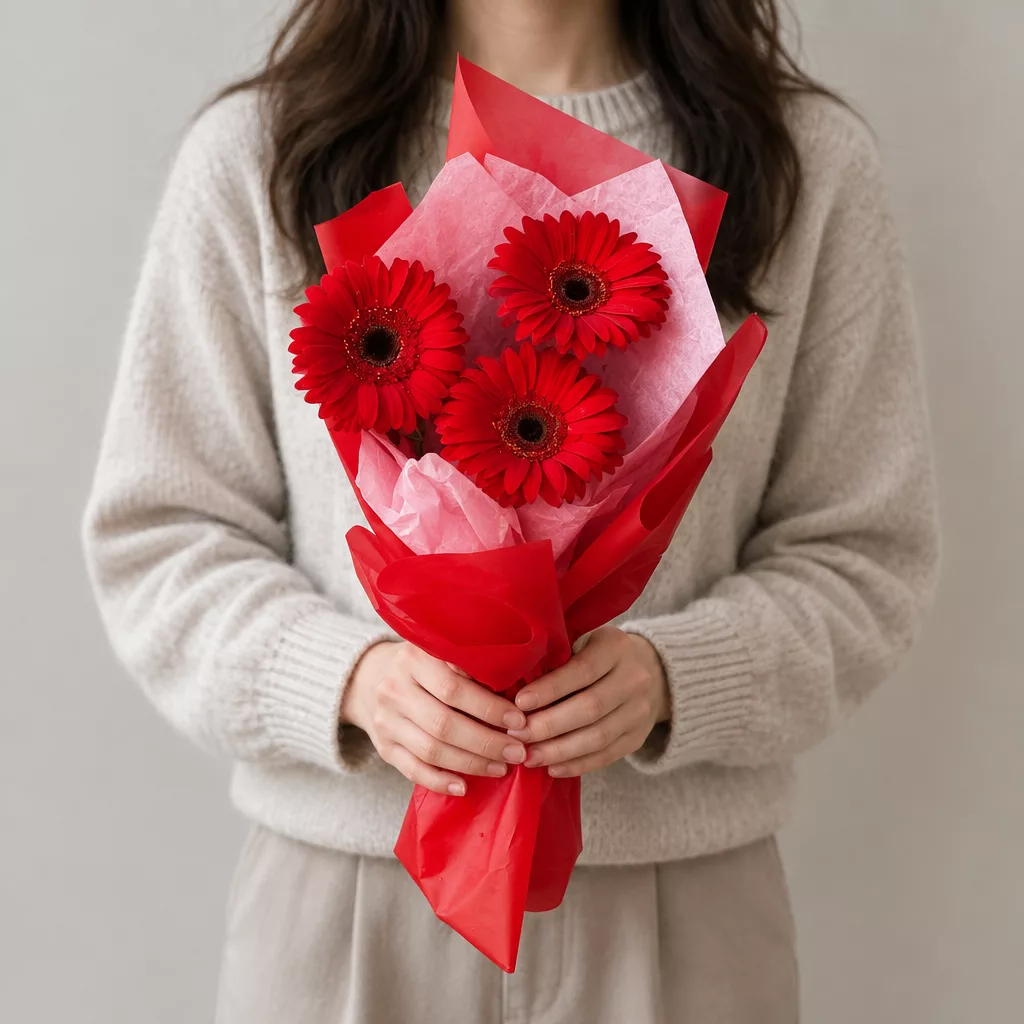
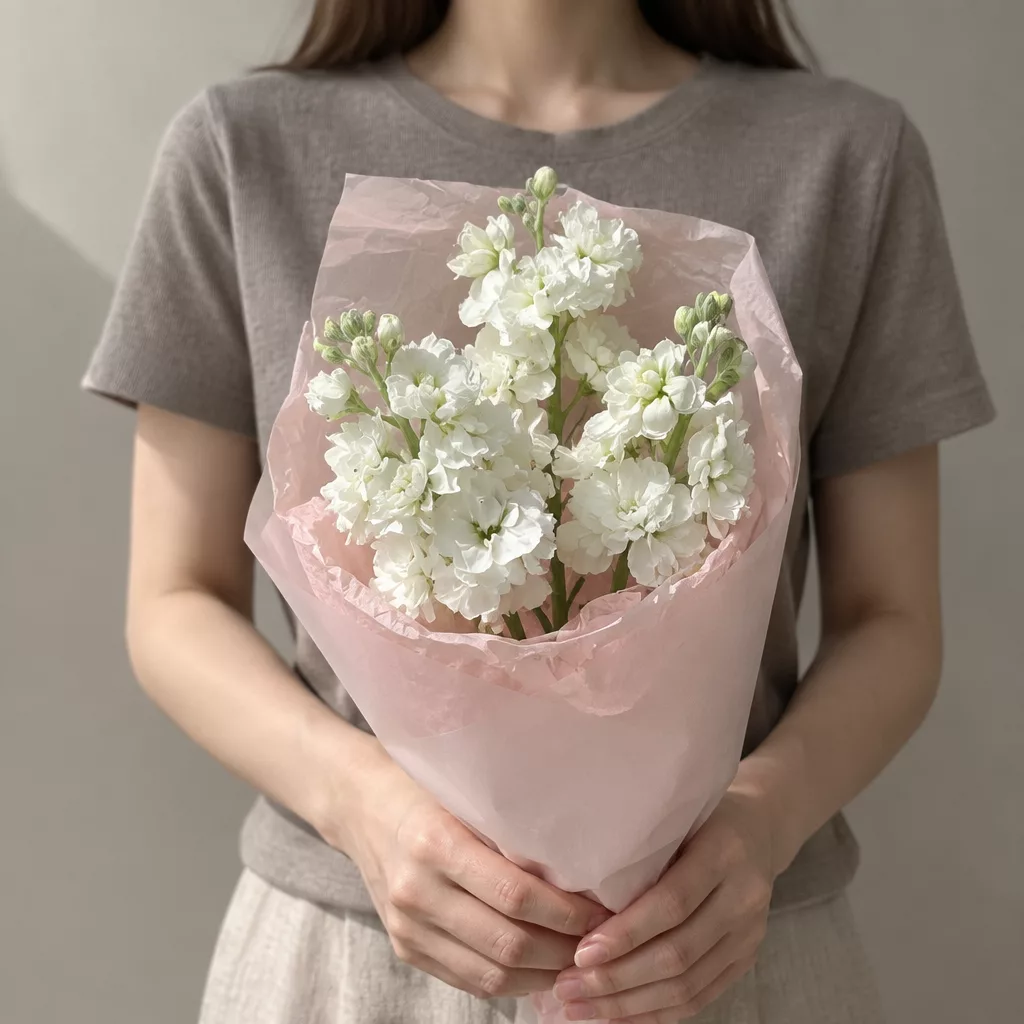
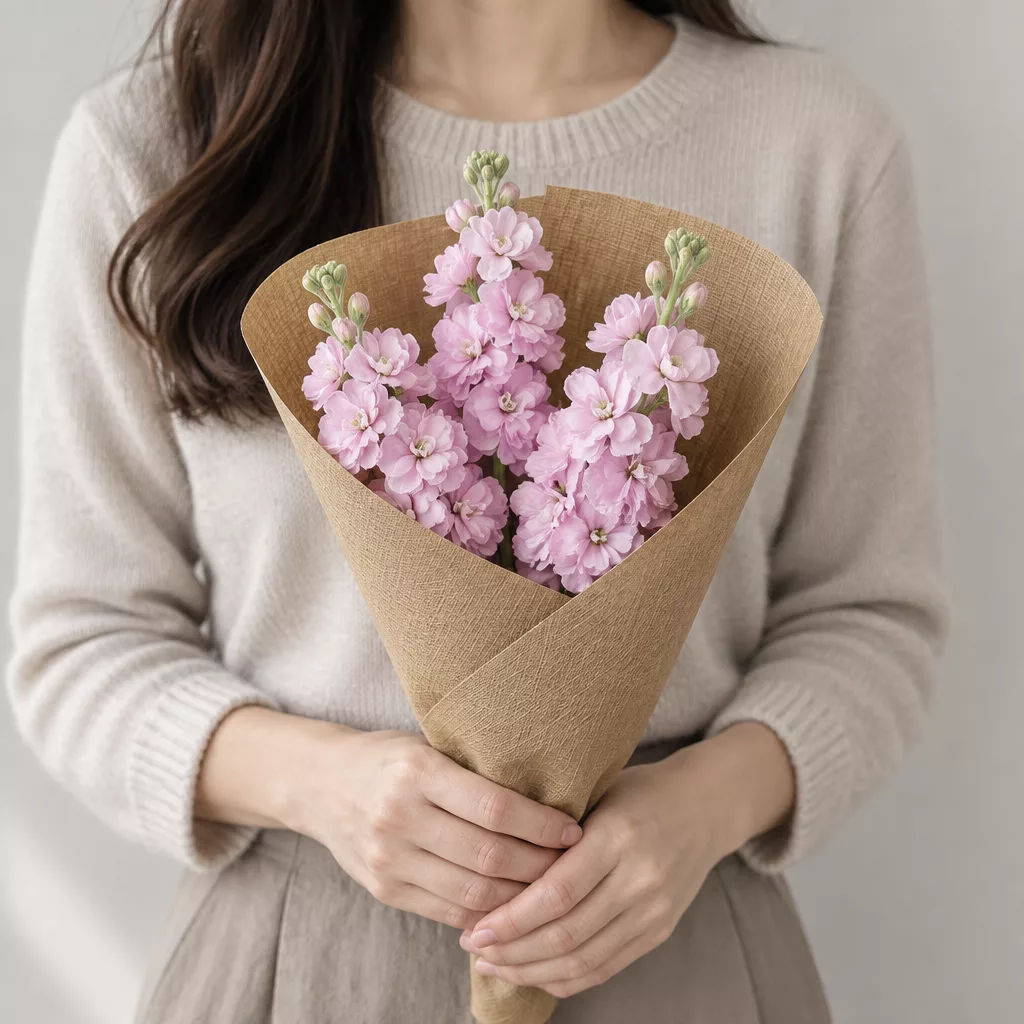
Bouquets we can deliver

Delivery Timing: What the Journey Actually Looks Like
Turboflora operates from Saint Petersburg and delivers fresh flowers across Russia, including Yurga. The delivery window to Yurga is typically one to two days depending on when you place your order and the logistics route active at that time. This is not instant same-day delivery as you would get in a large city, so planning ahead by at least 24 hours is strongly recommended, and 48 hours gives you the most comfortable margin.
For milestone occasions — birthdays, anniversaries, the 8th of March which is the biggest flower-giving day in Russia — ordering three to four days in advance is wise. On major dates, demand spikes sharply across the country and delivery slots fill up. A recipient in Yurga will not know you ordered late, but they will feel the difference between a fresh, well-presented bouquet and one that was rushed.
When you submit your order, you provide the recipient's address and a contact phone number. The courier will call ahead to confirm someone is available to receive the flowers. If the recipient is at work or out, the delivery can often be timed to their return — but this requires a note in your order comments. Do not assume the courier will wait; they are on a schedule. A short message in the order form such as 'deliver after 18:00, recipient works until then' makes a significant practical difference and prevents a wasted trip or a bouquet left in cold air.
Choosing Flowers for a Siberian Winter Delivery
Winter in Yurga is serious, and the flowers you choose should be chosen with that in mind. Roses are the most popular choice year-round in Russia and they travel well in cold if packed correctly — the key is insulated wrapping and a box that protects stems from freezing. Garden roses with many petals, such as David Austin-style varieties, are more delicate than standard high-stem roses and need extra care in transit below minus 15.
Chrysanthemums are an excellent winter choice that is often underestimated. They are robust, last well over a week in a vase, and their dense structure means they hold up against cold far better than open-faced flowers. Spray chrysanthemums in white, pale yellow or burgundy look particularly striking against winter packaging. Alstroemeria is another strong option — small, colourful, long-lasting, and far more cold-tolerant than its delicate appearance suggests.
Avoid ordering tropical flowers like birds of paradise or heliconia for a Yurga winter delivery. They are beautiful but genuinely vulnerable to temperatures below plus 10. Even well-packed, they can show cold damage on the outer petals by the time they arrive. Tulips in winter are a lovely romantic choice but they open very quickly once warm, so the recipient should know to keep them in a cool room initially.
The best winter bouquets for Yurga tend to be compact, tightly arranged compositions where flowers protect each other during transit. A loose, airy arrangement is a summer idea. In January, think warmth and structure.
Spring and Summer Bouquets: When Yurga Comes Alive
From May through August, Yurga transforms. The Tom River banks are green, the city breathes differently, and flowers become part of celebrations that feel lighter and more spontaneous. This is the season when you have the most creative freedom with a bouquet order.
Peonies are deeply loved across Russia and their season runs roughly from late May to early July. A peony bouquet sent to Yurga in June lands with enormous emotional impact — they are associated with warmth, abundance and joy. Order them in bud rather than fully open, because they will open beautifully within a day or two in the recipient's home. Fully open peonies lose petals quickly in transit.
Sunflowers are a summer staple that travel remarkably well and photograph beautifully. For a birthday or a thank-you gesture in July, a mixed bouquet of sunflowers with white lisianthus and eucalyptus is cheerful, unpretentious and genuinely striking. Lisianthus — sometimes called eustoma — is one of the most underrated flowers in Russian floristry. It resembles a rose but lasts longer and comes in lavender, white, deep purple and soft pink.
In summer, the challenge is heat rather than cold. Flowers in transit during warm weather need to be hydrated well before packing. When the bouquet arrives, the recipient should cut the stems at an angle immediately, place them in cool water and keep them away from direct sunlight and fruit bowls. Fruit releases ethylene gas which accelerates wilting — this is a concrete tip most people never hear until it is too late.
What to Write on the Card: Russian Customs Explained Simply
If you are sending flowers to someone in Yurga and you are not familiar with Russian customs, a few things are worth knowing. Russians take flower-giving seriously and the card message carries real meaning. A short, warm, personal note is far better received than a formal printed phrase. Something handwritten — or typed to sound handwritten — lands much better than 'congratulations on your birthday.'
In Russia, odd numbers of flowers are traditionally for celebrations and even numbers are associated with mourning. This is a deeply ingrained cultural habit. If you are ordering a specific number of stems, keep it odd — five, seven, nine, eleven. Most bouquets are arranged without a specific stem count being front of mind, but if you are ordering a simple single-variety arrangement, this detail matters to the recipient even if they do not say so.
Colour symbolism is less rigid than many people expect, but red roses still carry a strong romantic signal. Sending red roses to a colleague or a distant relative can create unintended awkwardness. For a teacher, a neighbour or a family friend, mixed pastel bouquets or white and green compositions are universally appropriate and read as thoughtful rather than intimate.
You can include a small gift alongside the flowers — chocolates, a candle or a soft toy are common additions. Mention this in your order notes and the team will pack it together with the bouquet. A card in both Russian and English is a lovely touch if the recipient is bilingual or if you want to make the foreign origin of the gift part of its charm.
Vase Life and Care: Making the Bouquet Last in Yurga
A beautiful bouquet deserves to last, and vase life depends almost entirely on what happens in the first hour after delivery. The most common mistake is placing flowers straight into a warm room without trimming the stems. Stems seal over during transit and cannot absorb water efficiently until they are cut fresh. A diagonal cut of about two centimetres with a sharp knife — not scissors, which crush the stem — opens the vascular tissue properly.
Water temperature matters more than most people realise. Cold water is better for most cut flowers, especially roses and tulips. Warm water accelerates opening, which sounds appealing but shortens overall vase life. Change the water every two days and rinse the vase each time to prevent bacterial buildup. A small sachet of flower food is often included with the bouquet — dissolve the whole sachet in the recommended volume of water on day one.
In Yurga's dry winter interiors, where central heating runs at full capacity, flowers dehydrate faster than in a humid coastal city. Keep the bouquet away from radiators and heating vents. A cool hallway or a windowsill away from direct heat is ideal. At night, moving the vase to a cooler spot extends life noticeably.
Roses typically last seven to ten days with good care. Alstroemeria and chrysanthemums can reach twelve to fourteen days. Tulips are shorter — five to seven days — but they move and grow in the vase in a way that makes them feel alive and dynamic. Letting the recipient know these basics, even in a short note, shows the kind of care that makes a gift feel complete.
Making the Occasion Count: Presentation and Extras
The flowers themselves are only part of what the recipient experiences. Presentation — how the bouquet is wrapped, what accompanies it, how it is handed over — shapes the emotional memory of the moment. In Russian flower culture, wrapping is taken seriously. A well-dressed bouquet in craft paper with a coordinated ribbon is expected at a minimum. Elaborate packaging with multiple layers, dried accents or personalised labels elevates the gift into something people photograph and keep on their table for days.
For significant occasions like a wedding anniversary or a major birthday, consider a composition rather than a standard hand-tied bouquet. A composition is arranged in a box or basket with floral foam, often mixing flowers with greenery, berries or decorative branches. These do not require a vase, which is practical if the recipient lives alone or travels frequently. They also photograph exceptionally well, which matters in an era when people share these moments.
If you are sending flowers to a workplace in Yurga, keep the bouquet manageable in size. A large, dramatic arrangement is wonderful at home but awkward at a desk. A compact, fragrant bouquet — freesias and white roses, for example — is more considerate in that context. Freesias carry a genuine scent that fills a room gently, which makes them particularly appreciated as a desk flower.
The delivery itself can be timed to create a moment. Asking for morning delivery on a birthday means the recipient starts their day with a surprise. An evening delivery after work feels like a welcome home. These small choices cost nothing extra but they shape how the gift is remembered long after the flowers have faded.
Sending flowers to Yurga from across Russia is entirely possible with the right preparation and the right choices. The city's climate, the timing of your order and the varieties you select all play a role in whether the bouquet arrives as you imagined it. Plan a day or two ahead, think about the season and the occasion, and leave a clear note about the recipient's schedule. The distance between Saint Petersburg and Western Siberia shrinks considerably when the details are handled well.
Frequently asked questions
How far in advance should I order flowers for delivery to Yurga?
At least 24 to 48 hours ahead is the practical minimum for Yurga. For major occasions like birthdays, anniversaries or the 8th of March, placing your order three to four days in advance gives you the best choice of flowers and the most reliable delivery window. Last-minute orders on peak dates carry real risk of delay.
Will the flowers survive the cold during winter delivery to Yurga?
Yes, with the right flower choices and proper insulated packaging. Roses, chrysanthemums and alstroemeria handle cold transit well. Tropical varieties and thin-stemmed flowers like ranunculus are more vulnerable below minus 15 Celsius. Mentioning the season in your order notes helps the florist pack and select accordingly.
What happens if the recipient is not home when the flowers arrive?
The courier will call ahead using the phone number you provide. If the recipient is unavailable, delivery can often be rescheduled or timed around their return — but only if you include this information in your order comments. Writing something like 'deliver after 18:00' prevents a wasted trip and protects the flowers from waiting in cold air.
Is it true that even numbers of flowers are considered bad luck in Russia?
Even numbers of flowers are traditionally associated with mourning in Russian culture, so for celebrations it is customary to give an odd number of stems. Most bouquets are arranged by composition rather than counted, but if you are ordering a simple single-variety bunch, keeping the stem count odd — seven, nine, eleven — is a respectful nod to local custom.
Can I add chocolates or a small gift to the flower delivery in Yurga?
Yes. Small additions like chocolates, a candle or a soft toy can be included with your bouquet. Simply mention what you would like to add in the order notes or comments field when placing your order. The team will pack everything together so the recipient receives one complete, well-presented gift rather than separate items.
Ready to send flowers?
Pick the city, choose the bouquet, and a local florist takes it from there.
Choose a city →