Sending Flowers to Zainsk? Here Is Everything You Need to Know
Zainsk sits in the heart of Tatarstan, a compact city where a well-chosen bouquet can cross town in under two hours and land in someone's hands while the petals are still cold from the cooler. Whether you are surprising a colleague on a work anniversary, congratulating a graduate, or simply telling someone you are thinking of them, the flower you choose and the moment it arrives matter just as much as the gesture itself. This guide walks you through the practical side of ordering to Zainsk — timing, seasonal sense, presentation, and how to make sure the flowers still look alive three days after delivery.
Why Zainsk Is a Perfectly Reachable Destination
Zainsk is a mid-sized city in the Zainsk District of Tatarstan, roughly 250 kilometres east of Kazan. It has a clear, navigable street grid and most residential addresses are well documented, which means couriers can locate an apartment building or private house without the guesswork that sometimes slows deliveries in newer suburban developments. The city is compact enough that once a courier enters it, travel time between neighbourhoods is short.
Turboflora operates its own delivery chain from Saint Petersburg, coordinating temperature-controlled transport so that flowers reach Tatarstan in the same refrigerated condition they leave the cooler. This matters more than people realise. A rose that spends four hours in a warm car before reaching the door has already used up a significant portion of its vase life, even if it looks fine on arrival.
For Zainsk specifically, orders placed in the morning are typically processed and dispatched for same-day or next-day delivery depending on the cut-off time at the point of order. The city does not require any special routing workarounds. Street addresses, including multi-storey apartment blocks on the central avenues and private houses in the quieter residential quarters, are all serviceable delivery points. If you are sending to a workplace, including one of the industrial or administrative buildings near the city centre, it helps to include the company name and a contact phone number so the courier can call ahead.
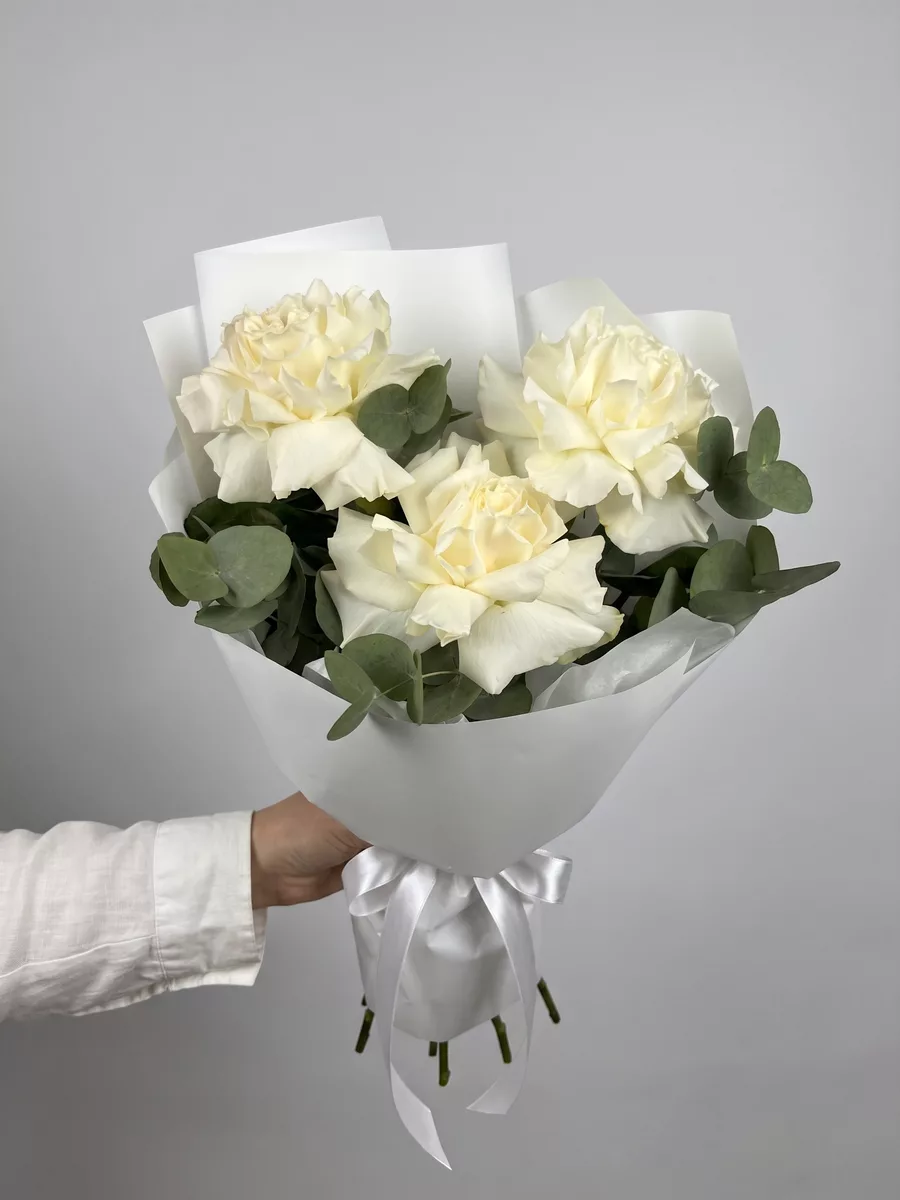
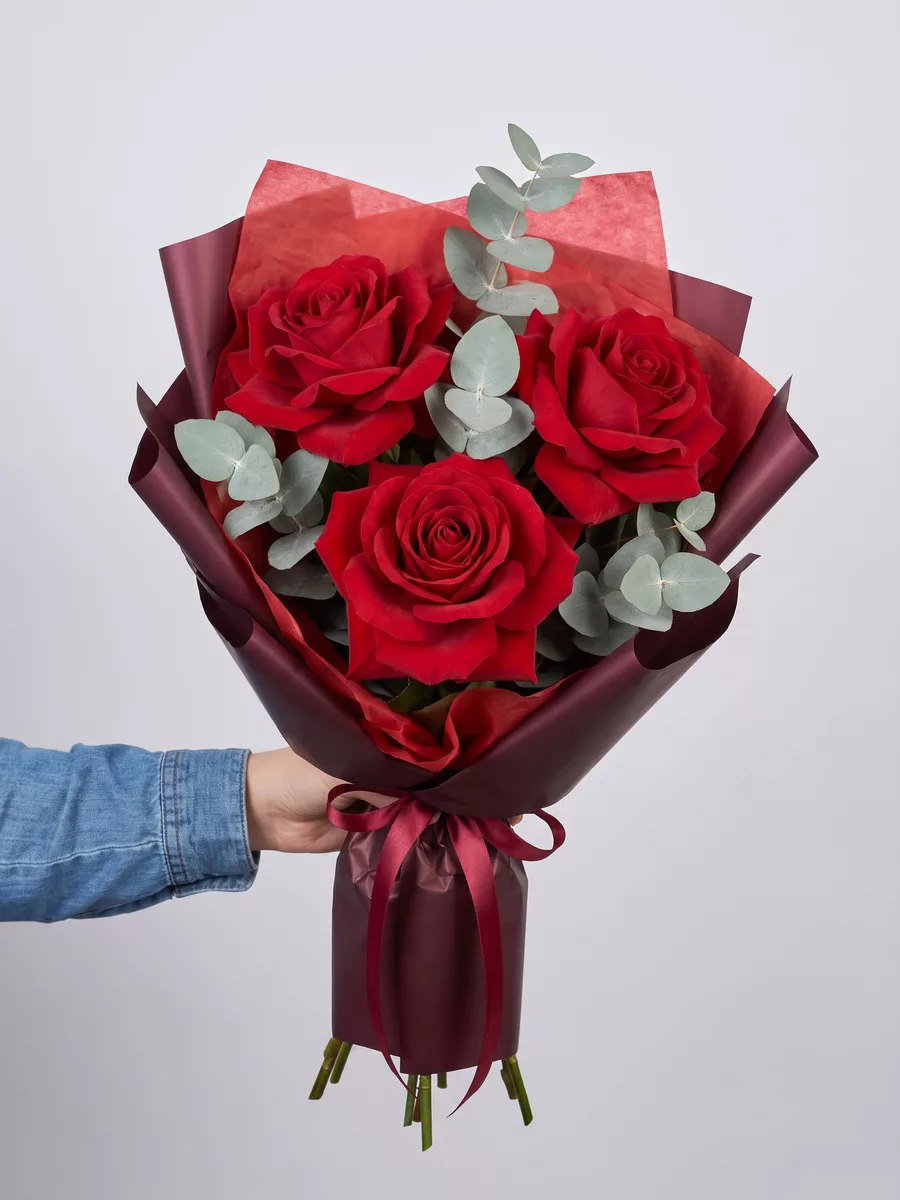
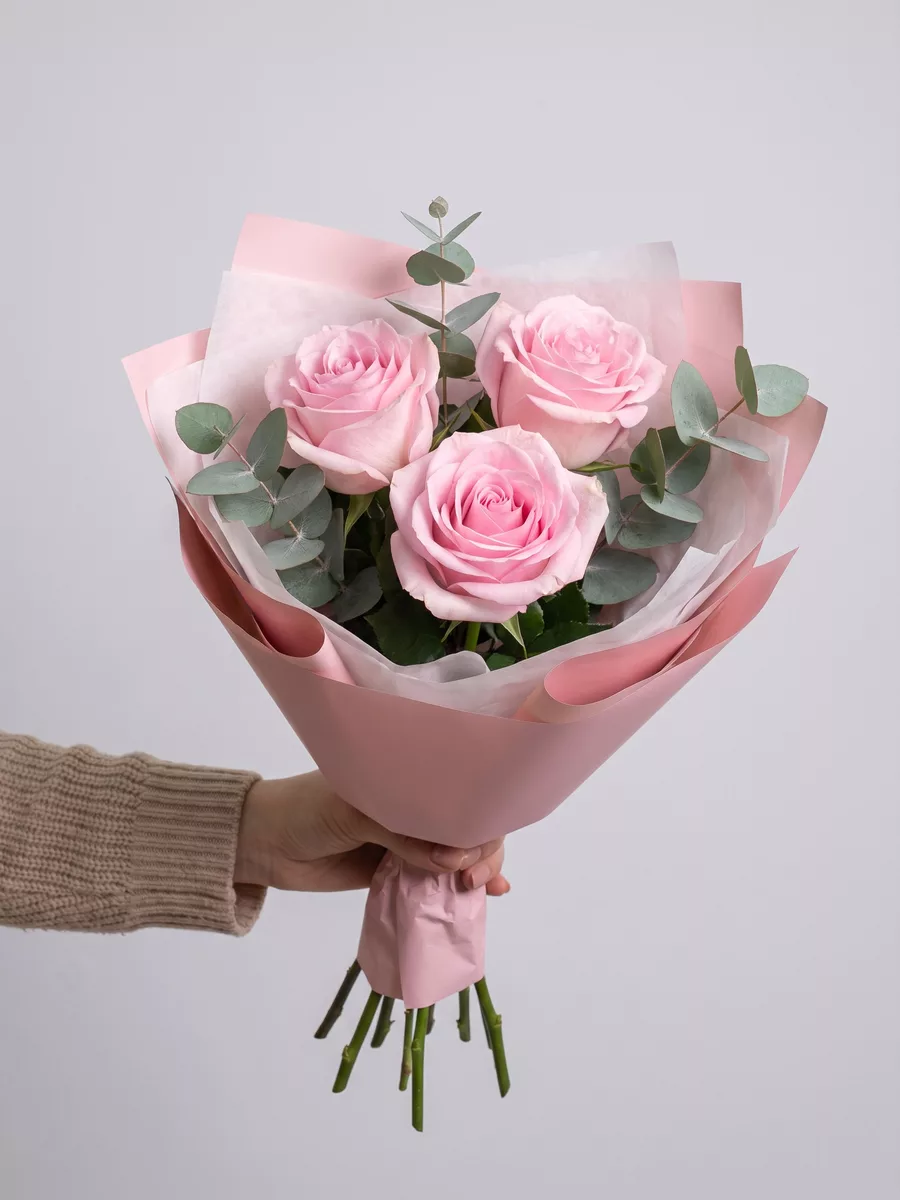
Bouquets we can deliver

Choosing Flowers for the Person, Not Just the Occasion
The most common mistake people make when ordering flowers remotely is thinking about the occasion first and the recipient second. A birthday bouquet for a sixty-year-old woman who loves her garden should look completely different from one for a twenty-five-year-old who follows contemporary aesthetics on social media. The flowers might even be the same species — garden roses, for instance, work in both contexts — but the colour palette, the wrapping style, and the supporting greenery shift the whole feeling.
For someone warm and domestic, consider a loose, garden-style arrangement built around garden roses like David Austin varieties, with eucalyptus, lisianthus, and a few sprigs of waxflower to soften the edges. The palette can be creamy, blush, or dusty rose. For someone younger and design-conscious, a tight, structural arrangement using protea, anthuriums, or single-variety tulip bunches in a bold, unexpected colour — deep burgundy, terracotta, or near-black — reads as more considered and intentional.
For a man, which is a question florists in Russia get asked often, the answer is usually simpler than people expect. A clean arrangement of sunflowers, sturdy chrysanthemums, or a single-colour bunch of calla lilies in white or green sends a confident, unfussy message. Russian culture does not have the same resistance to giving men flowers that exists in some other countries — it is genuinely common and appreciated, particularly for professional milestones. Keep the wrapping minimal and the palette cool or neutral rather than soft and romantic.
Timing Your Delivery for Maximum Impact
Timing a flower delivery well is one of the small skills that separates a memorable gift from a forgettable one. Arriving at the right moment — during a birthday morning, just before a dinner party, or at the end of a working day when someone needs a lift — makes the flowers feel considered rather than accidental.
For morning deliveries in Zainsk, placing your order the evening before is the safest approach. This allows the order to be prepared and dispatched so it arrives before noon. If you are sending to a school or workplace, mid-morning is often the best window — the recipient is already there, colleagues are present to witness the moment, and the flowers have the rest of the day to be admired rather than sitting unattended.
Evening deliveries work well for home addresses. After 18:00, most people are back from work and the arrival of flowers becomes a domestic event rather than a professional one. This suits romantic occasions, personal celebrations, and informal thank-you gestures.
One timing detail that matters in Tatarstan specifically: many local holidays and significant dates follow both the Russian federal calendar and the Tatar cultural calendar. Sabantuy, the traditional Tatar plough festival celebrated in early summer, is a genuinely joyful occasion when flowers are warmly received. If you are sending to a Tatar family and want to acknowledge the culture, bright, high-energy arrangements with sunflowers, yellow spray roses, or bold dahlias in season suit the festive tone far better than anything pale or restrained.
What the Weather in Tatarstan Does to Your Bouquet
Tatarstan has a continental climate with real winters and warm summers. In January and February, outdoor temperatures in Zainsk regularly drop below minus fifteen degrees Celsius. This is not a detail to ignore when sending flowers. Cold of that severity damages petals within minutes of exposure — roses blacken at the edges, tulip stems go limp, and tropical flowers like anthuriums or orchids suffer cell damage that shows up as translucent, water-soaked patches on the petals.
Turboflora wraps cold-weather deliveries with insulating sleeve packaging designed to hold the internal temperature stable during the transfer from vehicle to door. The window between the courier leaving the car and the recipient opening the door is the most vulnerable moment. Recipients in Zainsk should be ready to receive the delivery rather than leaving the courier waiting outside, especially in deep winter.
In summer, the risk reverses. July and August in Tatarstan can reach thirty degrees Celsius or above. Heat accelerates the opening of blooms and shortens vase life considerably. For summer deliveries, avoid ordering flowers that are already fully open — they will be spent within a day. Ask for buds or half-open blooms. Varieties with naturally longer heat tolerance include chrysanthemums, alstroemerias, and statice. Avoid garden roses in peak heat unless the recipient has a cool, shaded room to place them in immediately.
Spring and autumn are the most forgiving seasons for delivery. Temperatures between five and eighteen degrees Celsius are close to ideal for most cut flowers, and a well-conditioned bouquet delivered in April or October can look fresh for seven to ten days with basic care.
Budget Ranges and What They Actually Buy
Talking about flower budgets plainly is something florists often avoid, but it helps recipients understand what they are actually getting. The honest truth is that the difference between a modest and a generous bouquet is not just size — it is the quality of the focal flowers, the complexity of the arrangement, and the finishing details like wrapping paper, ribbon, and a handwritten card.
At the entry level, a single-variety bunch — fifteen tulips, seven sunflowers, or a clean bundle of alstroemerias in one colour — is a completely respectable gift. It reads as intentional rather than sparse if the colour is chosen with the recipient in mind. Tulips in white or soft lilac for a new mother, bright yellow for a friend who has been going through a hard time, deep purple for someone whose home is full of dark wood and books.
In the mid range, combination bouquets become possible. A classic pairing is spray roses with eucalyptus and lisianthus — the spray roses provide texture and volume, the eucalyptus adds fragrance and a silvery-green backdrop, and the lisianthus fills the gaps with ruffled blooms that resemble peonies without the seasonal limitation. This combination works year-round and photographs beautifully, which matters when the recipient will share it.
At the upper end, premium focal flowers like garden roses, peonies in season, or protea elevate the arrangement into something that feels genuinely luxurious. These are the bouquets that get placed on a dining table and become a conversation piece. For significant occasions — a major anniversary, a promotion, a new home — the extra investment is visible and felt.
Presentation Details That Make the Difference
The wrapping and presentation of a bouquet communicate as much as the flowers themselves. A beautifully arranged bunch wrapped carelessly in plain cellophane loses half its impact before the recipient even looks at the blooms. Conversely, a simple single-variety bunch presented thoughtfully — in kraft paper with a grosgrain ribbon and a handwritten tag — feels considered and personal.
For deliveries to home addresses in Zainsk, a classic kraft paper wrap with a contrasting ribbon is always appropriate and works across ages and occasions. It suggests a real florist made it rather than a supermarket shelf. For corporate or workplace deliveries, a cleaner presentation with a box or a structured wrap looks more professional and travels better without the stems getting knocked around.
One detail that often gets overlooked is the water source. Cut flowers should arrive with their stems in water tubes or wrapped in wet cotton at the base to keep them hydrated during transit. When you unwrap the bouquet, check that the stems are still moist. If they feel dry, place them in a bucket of room-temperature water for an hour before arranging them in a vase — this rehydration step can add two or three days to the bouquet's life.
In Russian gift culture, including a card with a personal message is standard and expected. A bouquet that arrives without any note can feel impersonal, particularly if the recipient does not immediately know who sent it. Keep the message warm and specific — even a single sentence that references a shared memory or a concrete reason for the gesture is far more powerful than a generic greeting.
Keeping the Flowers Fresh Once They Arrive
Vase life is the part of flower giving that happens after the delivery, and it is entirely in the recipient's hands. A little knowledge here turns a three-day bouquet into a seven-day one, which significantly changes how the gift is remembered.
The first step is the cut. Before placing stems in a vase, cut one to two centimetres off the bottom of each stem at a forty-five-degree angle using a sharp knife rather than scissors. Scissors crush the vascular tissue; a clean diagonal cut maximises the surface area for water uptake. Do this under running water or immediately before placing the stems in the vase to prevent air entering the stem.
Water temperature matters more than most people think. Lukewarm water, around room temperature, is absorbed more easily than cold water for most varieties. The exception is tulips, which prefer cold water and a cool room — they will open faster and flop more quickly in a warm environment. Keep tulips away from radiators and direct sunlight.
Change the vase water every two days and re-cut the stems each time. Remove any leaves that sit below the waterline, as they rot and introduce bacteria that cloud the water and shorten the life of the flowers. A small pinch of sugar and a drop of bleach in the water is an old florist trick that genuinely works — the sugar feeds the blooms and the bleach slows bacterial growth.
Place the vase away from fruit bowls. Ripening fruit releases ethylene gas, which accelerates ageing in cut flowers. A cool room, indirect light, and clean water are the three conditions that matter most.
Sending flowers to Zainsk is a straightforward and genuinely rewarding thing to do. The city is well within reach, the logistics are manageable, and a well-chosen bouquet — timed correctly, wrapped thoughtfully, and delivered cold — lands with real emotional weight regardless of the occasion. The details explored here are not rules so much as habits that experienced florists develop over years: match the flower to the person before the occasion, respect the temperature at both ends of the journey, keep the presentation clean and intentional, and give the recipient the basic knowledge to keep the blooms alive. When all of that comes together, a flower delivery stops being a transaction and becomes something the recipient remembers.
Frequently asked questions
Can I schedule a flower delivery to Zainsk for a specific time of day?
Yes, you can specify a preferred delivery window when placing your order. Morning slots before noon work best when ordered the evening prior. For same-day delivery, check the current cut-off time on the website. Providing a working phone number for the recipient helps the courier coordinate arrival, especially for workplace or apartment building addresses.
Which flowers hold up best during delivery to Zainsk in winter?
Chrysanthemums, alstroemerias, and spray roses are the most cold-tolerant common varieties. Tropical flowers like anthuriums and orchids are the most vulnerable to freezing temperatures. All Turboflora bouquets are wrapped with insulating packaging for winter delivery, but having someone available to receive the order promptly at the door significantly reduces cold exposure risk.
Is it appropriate to send flowers to a man in Russia?
Absolutely. Giving flowers to men is a well-established custom in Russia, particularly for professional achievements, birthdays, and significant life events. Clean, structural arrangements in cool or neutral tones — white calla lilies, green chrysanthemums, or bold sunflowers — are well received. Avoid overly romantic palettes of soft pink and keep the presentation minimal and confident.
How long will the flowers last after delivery?
With basic care — fresh water every two days, re-cutting stems at an angle, and keeping the bouquet away from heat and fruit — most arrangements last five to eight days. Roses and alstroemerias tend toward the longer end; tulips and sunflowers are shorter-lived. The care steps outlined in the article can meaningfully extend vase life beyond what most recipients expect.
What information do I need to provide for delivery to a Zainsk apartment?
Provide the full street address including building number, apartment number, and entrance number if the block has multiple stairwells. A contact phone number for the recipient is essential. If the building has an intercom or security entry, note this in the order comments. For workplace deliveries, include the organisation name and a floor or department reference.
Ready to send flowers?
Pick the city, choose the bouquet, and a local florist takes it from there.
Choose a city →