Sending Flowers to Zavolzhe? Here Is Everything You Need to Know
Zavolzhe sits on the left bank of the Volga, a compact industrial city where a well-timed bouquet can feel like a genuine event. Whether you are sending roses to a colleague after a long project, surprising a parent on their birthday, or marking a graduation with something vivid and alive, the flowers need to arrive on time and in good shape. This guide walks you through how delivery works here, what to order by season and occasion, and how the recipient can keep the arrangement looking beautiful for as long as possible.
Where in Zavolzhe We Deliver and What the City Looks Like
Zavolzhe is part of the Nizhny Novgorod Oblast, sitting directly across the Volga from Gorodets. It is a relatively compact city, which works in your favour when timing matters. Streets are laid out in a fairly grid-like pattern through the residential quarters, with the industrial zone separated from the housing areas, so most home and office addresses are reachable without complicated routing.
We cover the full city, including the central residential districts, the areas near the hydroelectric station, and the quieter streets on the outskirts. If you are unsure whether a specific address falls within our delivery zone, the safest approach is to enter it at checkout — the system confirms coverage immediately.
One thing worth knowing about Zavolzhe is that the Volga crossing can occasionally affect logistics during freeze-up and ice-break periods in late autumn and early spring. We account for this in our scheduling and always communicate proactively if any delay is possible. For the vast majority of the year, delivery runs smoothly and on the timeline you select.
The city has a mix of Soviet-era apartment blocks and newer low-rise buildings. Many recipients live in apartments with intercom systems, so providing a flat number and a working phone number for the recipient is genuinely important — it allows the courier to reach the door without standing in the cold with flowers in hand. A small practical detail that makes a real difference to how the bouquet arrives.
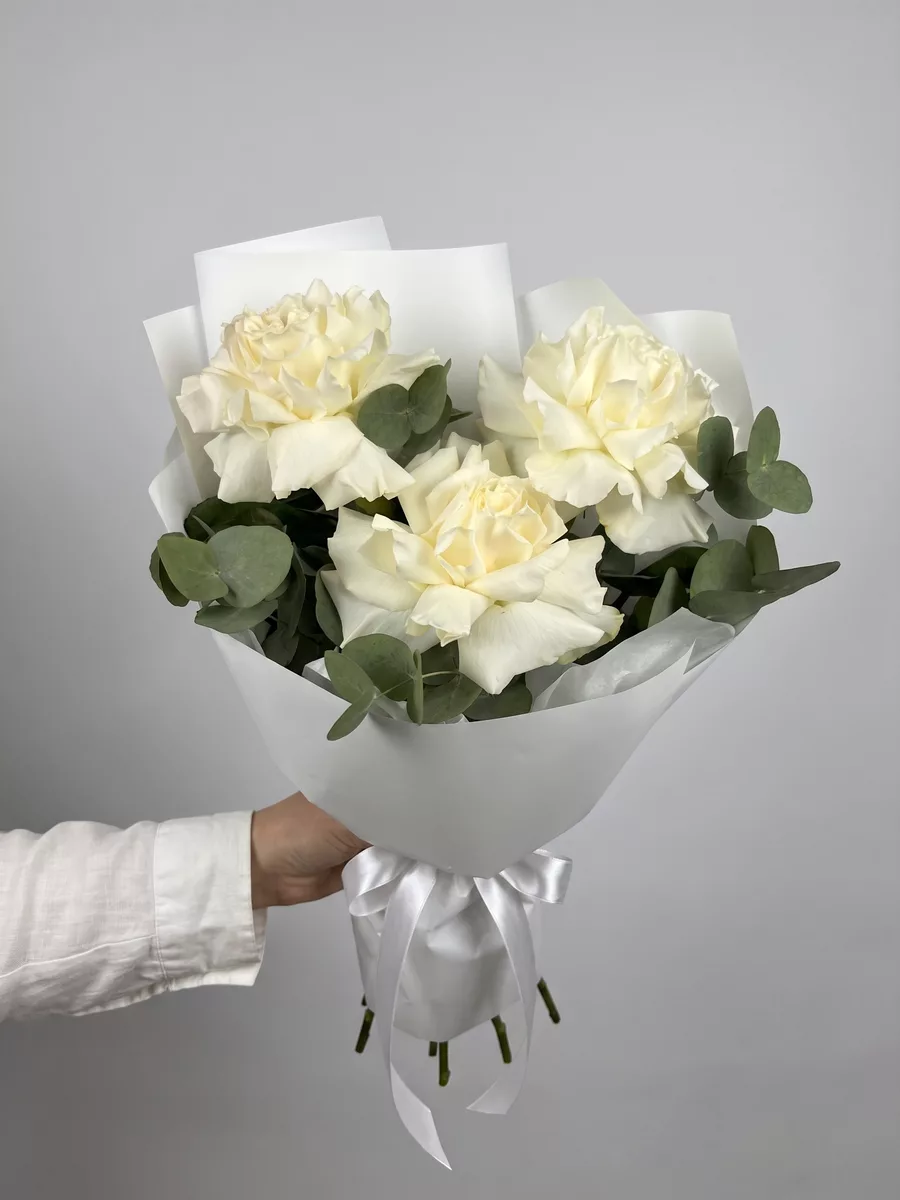
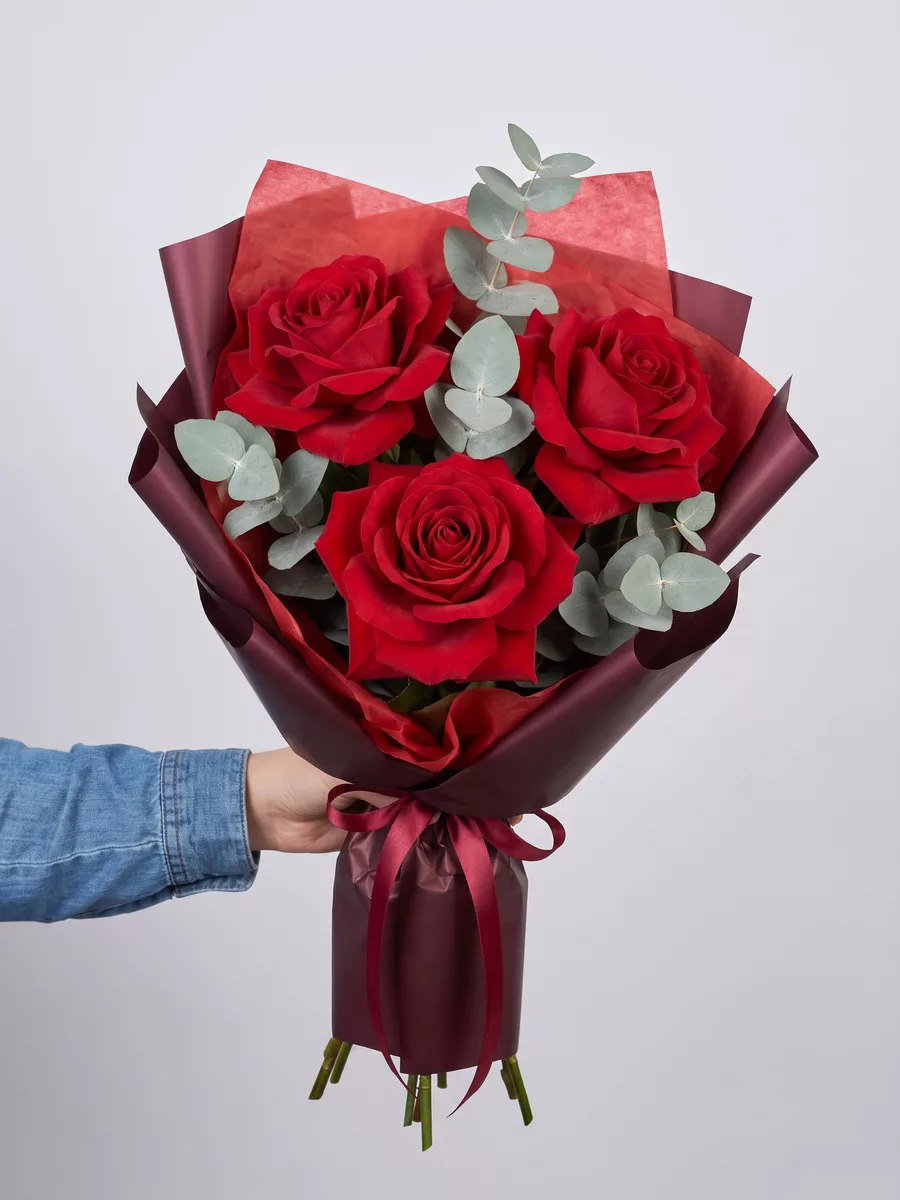
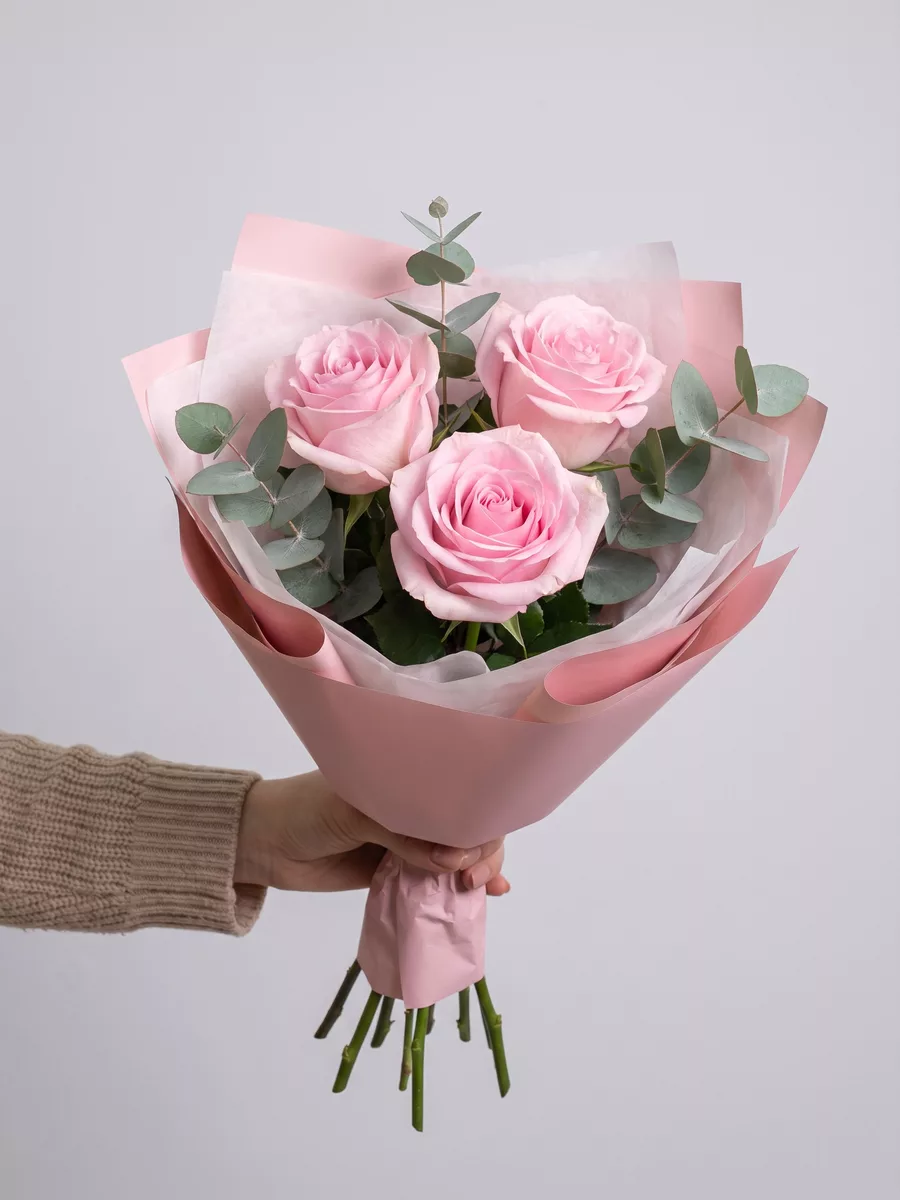
Bouquets we can deliver

Delivery Timing: What the 1–2 Hour Window Actually Means
When we say one to two hours, we mean from the moment your order is confirmed and the bouquet is assembled, not from when you start browsing. Assembly itself takes time — a properly constructed hand-tied bouquet with conditioning and packaging is not a fast process if it is done correctly. Stems are cut at an angle under water, foliage is stripped below the waterline, and the wrapping is chosen to protect without crushing.
For same-day delivery, orders placed in the morning give the most flexibility. You can choose a specific delivery window at checkout, and we work to that window rather than treating it as a rough estimate. If you need the flowers to arrive before a dinner, a party, or a specific moment in the day, note that in the order comments — our team reads those notes and adjusts accordingly.
Evening deliveries are available, which matters in Zavolzhe because many people are at work during the day and a doorstep surprise lands better when the recipient is actually home. Weekend timing follows the same logic as weekday timing, with no reduction in service.
One honest point about timing: extreme weather affects every courier operation. In deep winter, when temperatures in the Nizhny Novgorod Oblast drop well below minus fifteen Celsius, we use insulated packaging for cold-sensitive flowers like garden roses, ranunculus, and anemones. This adds a small amount of assembly time but protects the flowers from cold shock, which can cause petals to blacken within hours of arrival if the packaging is inadequate.
Choosing Flowers for the Occasion, Not Just the Budget
The most useful question to ask before ordering is not what is available but what the recipient will feel when they open the door. A young woman celebrating a birthday responds differently to a loose, garden-style arrangement of lisianthus, eucalyptus, and spray roses than to a formal dozen red roses. Both are beautiful; only one matches the moment.
For romantic occasions — anniversaries, declarations, Valentine's Day — classic red or deep burgundy roses remain the most legible choice in Russian culture. A recipient who does not know you well will understand exactly what a red rose means. If the relationship is more established and you want something that feels personal rather than symbolic, consider garden roses in blush or apricot tones combined with wax flower or dried grasses for texture.
For birthdays, the colour and personality of the recipient matter more than the flower variety. Bright, mixed arrangements with gerberas, alstroemeria, and solidago read as celebratory and energetic. Softer combinations of white freesia, pale pink tulips, and green pittosporum feel elegant and considered. Both work; the choice depends on who you are sending to.
For professional occasions — a colleague's promotion, a teacher's day, a business thank-you — white and cream arrangements with clean lines are universally appropriate. Chrysanthemums, white alstroemeria, and waxflower together create something that looks intentional without being overly personal. In Russian workplaces, flowers are a completely normal professional gesture, so there is no need to overthink the formality.
Seasonal Flowers That Travel Well to Zavolzhe
Seasonality matters more than most people realise, not for philosophical reasons but for practical ones. Flowers that are in season locally are fresher at the source, travel better, and last longer in the vase. Ordering peonies in November means they have come from a very long way away and will be expensive and fragile. Ordering them in late May or June means they arrive full, fragrant, and ready to open over several days.
In winter, tulips are the most reliable choice for Zavolzhe delivery. They travel well in cold, open beautifully in a warm apartment, and come in an enormous range of colours. Alstroemeria is another winter workhorse — the blooms are small but numerous, the stems are strong, and a single bunch can last up to two weeks with basic care. Roses are available year-round but choose varieties with thick petals like Avalanche or Explorer in winter, as thinner-petalled varieties suffer more from temperature shock.
Spring brings ranunculus, anemones, and hyacinths, all of which carry strong fragrance and look extraordinary in simple wrapping. Summer opens up the full palette — sunflowers, dahlias, zinnias, and garden roses. Autumn is the season for rich, warm tones: terracotta chrysanthemums, copper-coloured alstroemeria, and branches of hypericum berries add weight and texture to any arrangement.
If you are ordering for a specific event and want to know what is genuinely fresh that week, the notes field at checkout is the right place to ask. Our florists will work with what is at its best rather than substituting with something past its peak.
Packaging and Presentation: What Arrives at the Door
The packaging is not decoration — it is protection. A bouquet that arrives looking pristine is one that was wrapped with the journey in mind, not just the photograph. We use kraft paper as the outer layer because it breathes, preventing moisture build-up that can cause stem rot during transit. Inner layers of tissue or soft paper protect petals from friction.
For winter deliveries, we add a thermal sleeve around cold-sensitive flowers. This is particularly important for ranunculus and anemones, which react badly to temperature swings. The sleeve is removed by the recipient once the flowers are inside, and the flowers are then allowed to rest at room temperature for twenty to thirty minutes before being put in water — this prevents condensation damage.
The bow and ribbon on a bouquet serve a functional purpose too: they hold the hand-tied structure in place so stems do not shift during transport. When the recipient unties the bow, the bouquet may loosen slightly, which is normal and actually makes it easier to arrange in a vase.
We do not use floral foam in our hand-tied bouquets. Foam is useful for structured arrangements in boxes, but for a classic bouquet it is unnecessary and makes home care harder. A clean vase with fresh water and a small amount of the sachet of flower food included with the delivery is all the recipient needs to get the arrangement started correctly.
If a gift card is included, it travels tucked inside the packaging rather than attached to the outside, which keeps it dry and presentable regardless of weather.
Care Instructions to Share with the Recipient in Zavolzhe
Many people in Russia have grown up around flowers and have their own methods — adding an aspirin to the water, keeping the vase in the coldest room, changing the water every day. Some of these habits are helpful; others are myths. Giving the recipient clear, simple instructions alongside the bouquet is one of the most useful things you can do.
The single most important step is recutting the stems. When flowers are out of water even for a short time, the cut end seals over with a thin film that blocks water uptake. A fresh diagonal cut, about two centimetres from the bottom, made with a sharp knife rather than scissors, reopens the stem immediately. This should be done before the flowers go into the vase.
The vase should be clean — any bacteria from a previous arrangement will shorten the life of the new one significantly. Lukewarm water works better than cold for most flowers, with the exception of tulips and hyacinths, which prefer cool water. The flower food sachet included with the delivery contains a mild antibacterial agent and a small amount of sugar, both of which extend vase life noticeably.
Keep the arrangement away from direct sunlight, radiators, and fruit bowls. Ripening fruit releases ethylene gas, which accelerates petal drop in roses, carnations, and alstroemeria. In a Zavolzhe apartment in winter, where central heating runs continuously and rooms can be very dry, placing the vase away from the radiator and misting the petals lightly each morning will add two to three extra days of life to most arrangements.
Remove any flowers that begin to fade before they affect the others.
Making the Order Personal: Notes, Timing and Small Gestures
A bouquet becomes a gift rather than a purchase at the moment it is personalised. The simplest way to do this is through the order notes and the gift card. A card that says something specific — a shared memory, a private joke, a line that only the recipient will understand — transforms even a modest bunch of alstroemeria into something the recipient will remember.
In Russian gift culture, the number of flowers in a bouquet carries meaning. An even number of flowers is traditionally associated with mourning, so bouquets given as gifts are always made with an odd number of stems. Our florists follow this automatically, but it is worth knowing if you are building a custom order or adding stems at checkout.
Timing the delivery to land at a specific moment adds another layer of thoughtfulness. Flowers that arrive just before a birthday dinner, just as someone gets home from a difficult day, or at the start of a workday on a significant anniversary feel planned rather than incidental. The delivery window selector at checkout makes this straightforward.
If the recipient lives alone, consider ordering a bouquet that is manageable in size. A very large arrangement in a small apartment can feel overwhelming rather than celebratory, and smaller, well-composed bouquets often have more personality than large ones. Three stems of garden roses with eucalyptus and a single branch of wax flower can be more striking than thirty mixed stems without a clear structure.
Finally, if you are sending flowers as a surprise, double-check that the recipient will actually be at the address during the delivery window. A bouquet left at a door in winter will not survive long.
Zavolzhe is not a difficult city to send flowers to — it is compact, the addresses are generally straightforward, and the residents are genuinely receptive to the gesture. The details that make a delivery memorable are the ones that happen before the courier leaves: the right flower for the season, the right combination for the person, the timing chosen with care, and a card that says something true. Get those right and the flowers do the rest.
Frequently asked questions
Can I order flowers for delivery to Zavolzhe on the same day?
Yes, same-day delivery is available for orders placed with enough lead time for assembly and transit. Morning orders give the widest choice of delivery windows. At checkout you select a specific time slot, and we work to that window. For urgent orders, the notes field is the best place to flag the deadline so our team can prioritise accordingly.
What happens to the flowers if the recipient is not home when the courier arrives?
Our courier will call the recipient on the phone number provided. If there is no answer, we will contact you as the sender to agree on next steps — a new delivery window or an alternative address. We do not leave flowers unattended in cold weather, as even twenty minutes outside in a Russian winter can cause irreversible damage to sensitive varieties like ranunculus or open roses.
Why do Russian bouquets always have an odd number of flowers?
In Russian tradition, even numbers of flowers are associated with funeral ceremonies and mourning. Gifts are always given with an odd number of stems — one, three, five, seven, and so on. This applies across all occasions and flower types. Our florists follow this convention automatically, so every bouquet we assemble for a gift will already have an odd stem count without you needing to specify it.
Which flowers last the longest in a vase after delivery to Zavolzhe?
Alstroemeria and chrysanthemums are the longest-lasting cut flowers, often staying fresh for ten to fourteen days with basic care. Carnations and waxflower also have excellent vase life. Roses and tulips typically last five to seven days when the stems are recut on arrival and the water is changed every two days. Fragile varieties like anemones and ranunculus are shorter-lived but exceptionally beautiful for their three to five day window.
Does cold weather in the Nizhny Novgorod Oblast affect flower quality on delivery?
It can, if the flowers are not packaged correctly for the temperature. We use insulated thermal sleeves for cold-sensitive varieties when temperatures drop below minus ten Celsius. The recipient should bring the bouquet inside and let it rest at room temperature for twenty to thirty minutes before unwrapping and placing in water. This rest period prevents condensation damage and cold shock, both of which can cause petal blackening within hours.
Ready to send flowers?
Pick the city, choose the bouquet, and a local florist takes it from there.
Choose a city →