Flower Delivery in Zernograd: Timing, Choices and What Arrives at the Door
Zernograd is a quiet agricultural town in the Rostov region, and sending flowers there feels personal in a way that big-city deliveries sometimes do not. When you order a bouquet for someone who lives here, you want to know it will arrive looking the way it did when you chose it — not wilted from a long journey, not wrapped in plastic that smells of a warehouse. This article walks you through exactly what flower delivery in Zernograd involves: the timing, the best choices for the season and the occasion, how to keep the flowers alive once they land, and a few things most people only learn after their first order.
Who Is Receiving the Flowers and What Should They Feel
Before you think about roses versus peonies or pink versus white, think about the person on the other end of the delivery. A colleague celebrating a promotion needs something confident and celebratory — sunflowers, orange spray roses, or a tight cluster of alstroemeria in warm tones reads as cheerful without being overwhelming. A mother receiving flowers on her birthday wants to feel genuinely seen, and that usually means something softer: garden-style arrangements with ranunculus, lisianthus, or garden roses rather than a dozen identical stems standing in a line.
A romantic bouquet for a partner in Zernograd calls for a different approach again. Deep red or burgundy tones in tulips or roses signal intention clearly. Blush peonies in season — late spring through early summer — carry a softness that feels intimate. Mixing textures matters here: pairing smooth rose petals with feathery astilbe or eucalyptus makes a bouquet feel considered rather than purchased in a hurry.
If you are sending flowers to someone you do not know very well — a host, a teacher, a new acquaintance — neutral and elegant is safer than bold. White or cream lisianthus, pale green chrysanthemums, or a mixed bouquet with neutral foliage works for almost any interior and any age. The goal is that the recipient feels remembered and appreciated, not that they have to find a vase that matches a very specific colour scheme. Start from their personality and the moment, and the right flowers follow naturally.
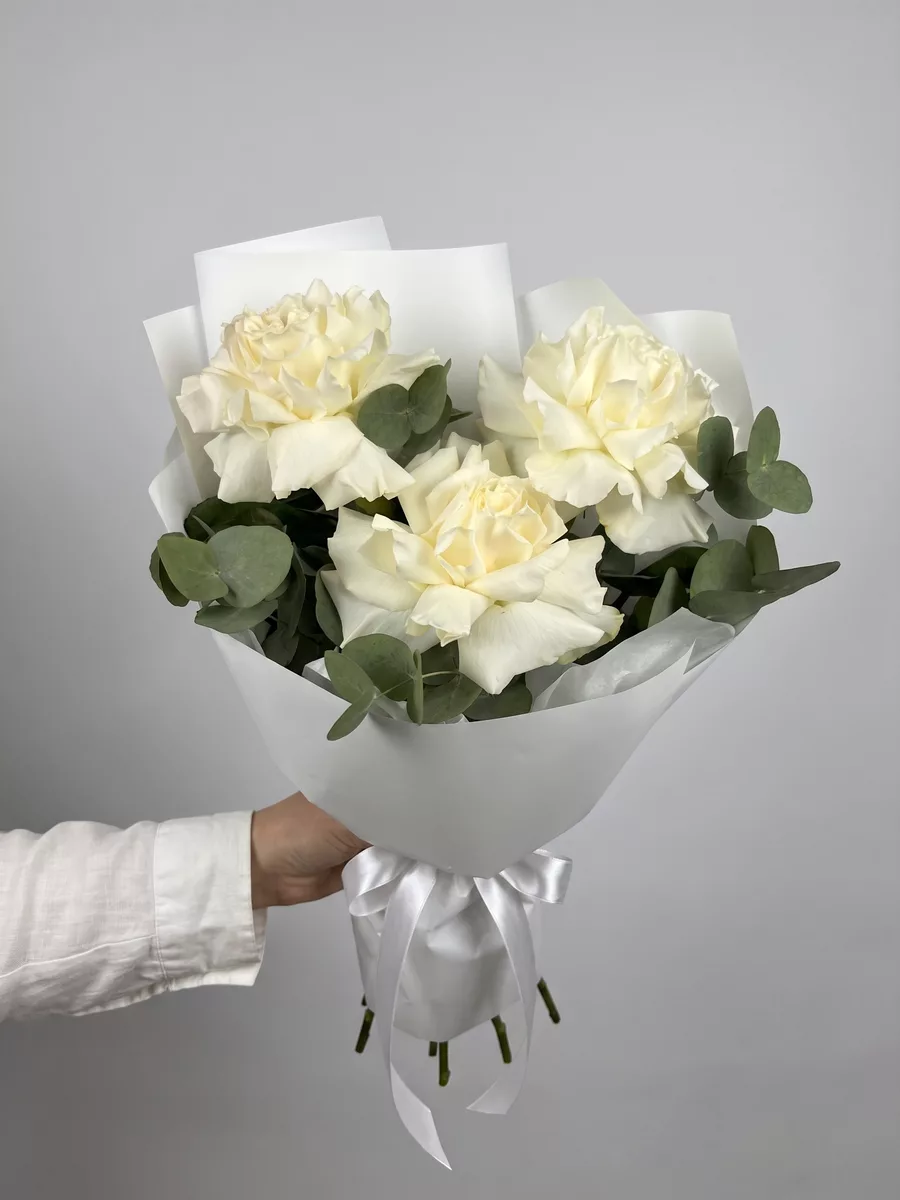
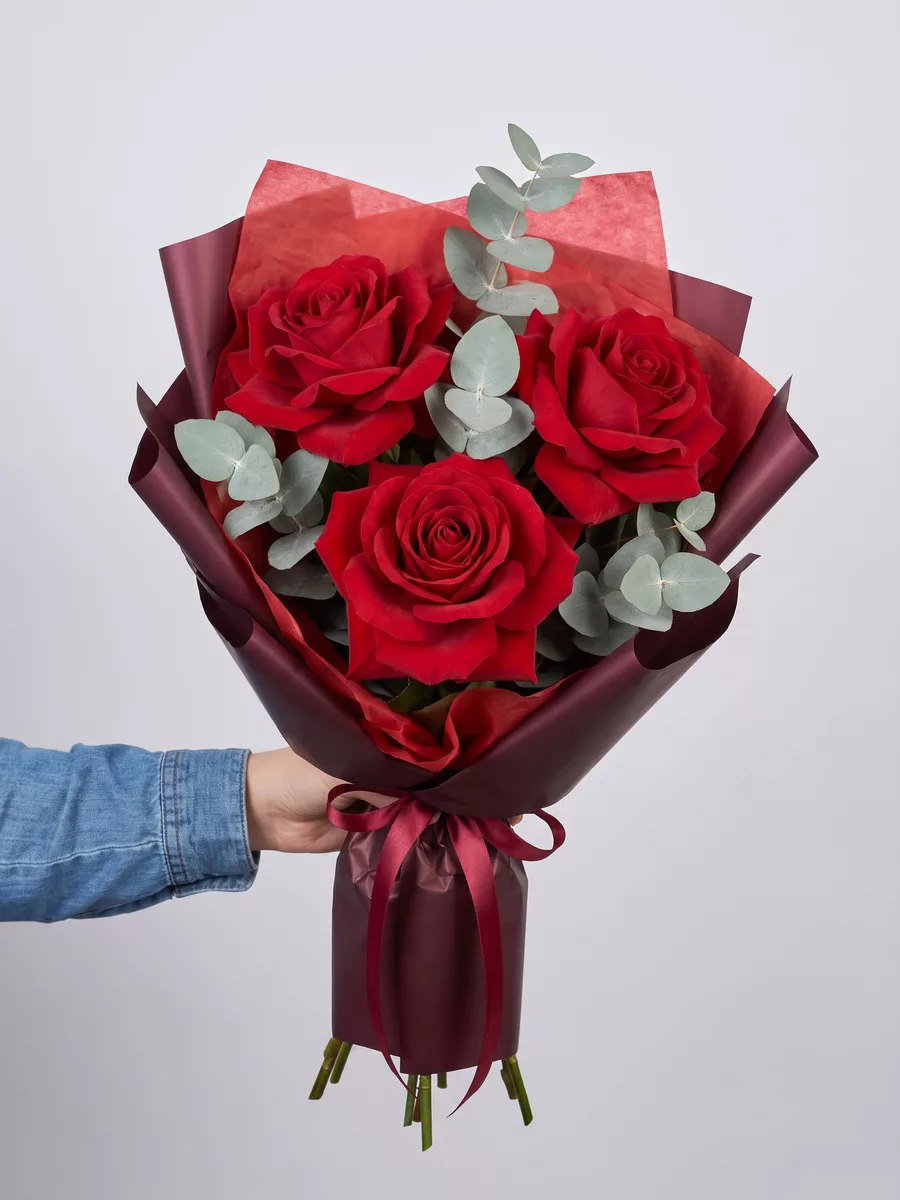
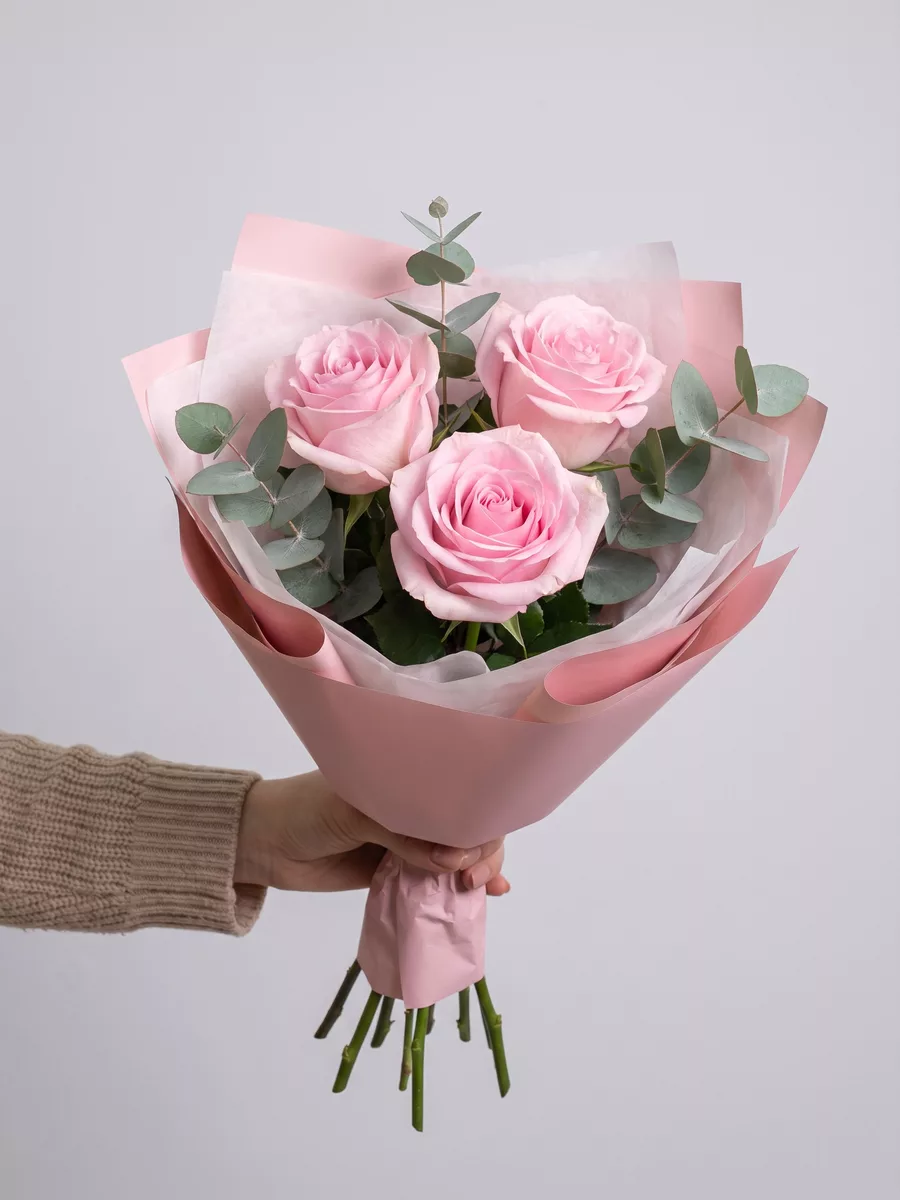
Bouquets we can deliver

Delivery Timing in Zernograd: What the Schedule Actually Looks Like
Zernograd sits roughly 60 kilometres from Rostov-on-Don, and that distance shapes the delivery experience in practical ways. Orders placed in the morning can typically reach recipients in Zernograd within the same day, though the window is wider than in central Rostov — plan for a two-to-four hour range rather than the one-to-two hours typical inside the city. If you are ordering for a specific moment, a birthday lunch or an anniversary dinner, place the order at least three to four hours ahead and specify the preferred arrival window clearly in the notes.
Same-day delivery is available for orders placed before early afternoon. Evening deliveries to Zernograd are possible but should be confirmed at the time of ordering, since routes to smaller towns are scheduled differently from urban runs. If you need flowers to arrive before noon, placing the order the evening before is the most reliable approach and gives the florist time to prepare a properly conditioned bouquet rather than rushing the process.
Temperature matters more than most people realise. In summer, Zernograd sees regular highs above 30 degrees Celsius, and flowers left in direct sun or a hot car deteriorate quickly. Turboflora uses insulated packaging during warm months to protect the bouquet during transit. In winter, frost is a real risk for delicate varieties like garden roses and tulips — the packaging shifts accordingly, and the driver is briefed to keep the flowers inside the vehicle rather than in a cold boot. Communicating whether the recipient will be home is useful, because a bouquet left on a doorstep in July or January is a different situation from one handed directly to a person.
Choosing the Right Bouquet for the Occasion in Zernograd
Zernograd has a close-knit community feel, and flowers here often mark moments that matter to the whole household — a daughter finishing school, a grandmother's jubilee, a neighbour's new baby. These occasions call for generosity in scale and warmth in colour rather than minimalist arrangements. A large mixed bouquet with dahlias, spray roses, and seasonal greens reads as celebratory and abundant without being over the top.
For a school graduation or a teacher's gift — a tradition deeply embedded in Russian culture — white or pastel flowers are the conventional choice. White chrysanthemums, cream alstroemeria, and pale pink roses are all appropriate and widely appreciated. If you want to stand out slightly, adding a few stems of blue delphinium or lavender statice gives the bouquet a fresher, more contemporary feel while still respecting the occasion's tone.
New baby deliveries are common and carry their own unspoken rules. Soft yellows, whites, and very pale pinks or blues work well and feel appropriate for the moment. Avoid strongly scented flowers like lilies or freesia in large quantities when the bouquet will be in a room with a newborn — the fragrance can be overwhelming in a small space.
For romantic occasions, the season guides the best choices. Tulips in spring, peonies in May and June, sunflowers in late summer, and roses year-round are all reliable. Roses grown in Ecuador or Colombia, which Turboflora sources regularly, have a longer bud-to-bloom timeline and hold their shape well during delivery — an important detail when the journey includes a regional road rather than a short urban hop.
Budget Ranges and What You Get at Each Level
Flower budgets in Russia tend to be thought of in tiers, and understanding what each tier delivers helps you set realistic expectations before you order. A modest bouquet — something appropriate for a thank-you or a small gesture — will typically be a single-variety arrangement: five to seven stems of spray roses, alstroemeria, or tulips with simple foliage. It is sincere and presentable without being extravagant.
A mid-range bouquet opens up the possibility of mixing varieties and adding texture. This is where you might combine roses with lisianthus and eucalyptus, or pair sunflowers with orange spray roses and solidago. The arrangement looks more considered, and the stem count goes up enough that the bouquet has real presence when it is placed in a vase. This range is well suited for birthdays, anniversaries, and celebratory occasions where you want the flowers to make an impression.
A generous budget allows for premium single varieties — long-stemmed Ecuadorian roses with heads that open slowly over five or six days, garden peonies in full season, or a lush mixed arrangement with dahlias, garden roses, and ornamental foliage. Presentation at this level also shifts: the wrapping, ribbon, and overall packaging become part of the gift rather than just protection for the flowers.
One common mistake is choosing the largest bouquet available without thinking about the recipient's living situation. A very large arrangement in a small apartment can feel impractical. A well-proportioned bouquet that fits a standard kitchen vase and lasts a full week often makes a better impression than an oversized one that overwhelms the room and fades in three days.
Seasonal Flowers That Travel Well to Zernograd
Not every flower handles a regional delivery equally well, and knowing which varieties are reliable travellers saves you disappointment. Alstroemeria is one of the most resilient options available year-round — it holds its colour and structure through temperature changes and arrives looking nearly identical to how it was packed. Spray roses are similarly robust and come in a wide range of colours, making them a practical backbone for mixed bouquets.
In spring, tulips are the seasonal standout and travel well when cut at the right stage — just as the bud begins to show colour but before it opens. Fully open tulips bruise easily in transit. Ranunculus, available from late winter through early spring, are delicate but worth the care: they open slowly in the vase and their layered petals make any arrangement feel more refined.
Summer in the Rostov region means heat, and the best summer choices are flowers that handle warmth without collapsing. Sunflowers are the obvious answer — they are native to this part of Russia and practically built for the climate. Lisianthus, often compared to roses in appearance but far more heat-tolerant, is another excellent summer option. Chrysanthemums in their spray form are reliable across all seasons and particularly good in autumn when other options narrow.
Winter deliveries to Zernograd favour roses, carnations, and chrysanthemums — varieties that tolerate cold packaging and brief exposure to low temperatures without immediate damage. Avoid ordering open hydrangeas in deep winter, as the large blooms lose moisture rapidly in dry heated interiors and may wilt within a day or two of arrival.
Caring for the Bouquet After It Arrives
A well-made bouquet delivered in good condition still needs proper care to reach its full vase life, and most flowers underperform simply because of a few easily avoided mistakes. The first step after unwrapping is to cut the stems at an angle — about two centimetres from the base — using a sharp knife rather than scissors. Scissors compress the stem tissue and reduce water uptake. Do this under running water or while the stems are submerged if possible.
The vase should be clean and filled with cool, fresh water. Tap water in most Russian cities and towns is fine, but let it sit for a few minutes if it smells strongly of chlorine. Remove any leaves that would sit below the waterline — they decompose quickly and cloud the water, creating bacteria that shorten the life of every stem in the vase. Change the water every two days and re-cut the stems at the same time.
Placement in the room matters more than most people expect. Keep the bouquet away from direct sunlight, radiators, and fruit bowls. Ripening fruit releases ethylene gas, which accelerates the ageing of flowers — particularly tulips and roses. A cool spot in a room with indirect light is ideal. In summer, placing the bouquet in a cooler room overnight, even a hallway, extends the life noticeably.
Different varieties have different vase lives even within the same bouquet. Alstroemeria and spray roses typically last ten to fourteen days with good care. Tulips last five to seven days and will continue to grow in the vase, sometimes by several centimetres. Ranunculus and lisianthus sit in the middle range at seven to ten days. Knowing this helps the recipient enjoy the bouquet in stages rather than feeling it has failed when the first variety fades.
Practical Details That Make the Delivery Go Smoothly
A few logistical details make the difference between a delivery that lands perfectly and one that creates unnecessary stress. The most important is the recipient's address: Zernograd has a straightforward street layout, but including the building number, entrance number if applicable, and a floor or flat number removes any ambiguity. If the recipient lives in a private house rather than an apartment building, noting a nearby landmark or any access instructions in the order comments is genuinely helpful for the driver.
Deciding whether to tell the recipient in advance is a personal choice, but for Zernograd deliveries specifically, it is worth considering. If no one is home and the bouquet cannot be left safely, the driver will contact the recipient directly — which removes the surprise element anyway. A better approach for surprise deliveries is to confirm that the person will be at the address during the delivery window without revealing what is coming.
Russian gift-giving culture places real importance on the card message. A handwritten note, even a brief one, transforms a bouquet from a transaction into a gesture. When ordering, take a moment to write something specific rather than a generic phrase — it is the part the recipient will remember longest after the flowers have faded.
If you are ordering from outside Russia — from another country or a different time zone — factor in the time difference when specifying delivery windows. Turboflora operates on Moscow time, and orders placed late at night may be processed the following morning. For time-sensitive occasions, ordering a day ahead and specifying a delivery window is the most reliable approach regardless of where you are placing the order from.
Sending flowers to Zernograd is straightforward when you know what shapes the experience: the distance from Rostov, the seasonal temperatures, the varieties that travel well, and the small practical details that make a delivery feel thoughtful rather than transactional. The flowers themselves matter, but so does the timing, the care instructions passed along with them, and the message that accompanies them. Get those things right and what arrives at the door is not just a bouquet — it is a moment that the person on the other side will genuinely remember.
Frequently asked questions
Can I order same-day flower delivery to Zernograd?
Yes, same-day delivery to Zernograd is available for orders placed before early afternoon. Because Zernograd is approximately 60 kilometres from Rostov-on-Don, the delivery window is typically two to four hours. For a specific arrival time, place your order at least three to four hours in advance and note the preferred window in the order comments.
Which flowers hold up best during delivery to Zernograd in summer?
Alstroemeria, spray roses, lisianthus, sunflowers, and chrysanthemums are the most reliable choices in warm weather. They tolerate temperature variation without wilting quickly. Turboflora uses insulated packaging during summer months to protect the bouquet during transit, but choosing heat-tolerant varieties gives the arrangement the best chance of arriving in full condition.
What should I write on the card for a bouquet delivered in Russia?
Russian gift-giving culture values sincerity over formality. A short, specific message — mentioning the occasion, a shared memory, or simply why you are thinking of the person — means far more than a generic phrase. Even two or three personal sentences make the bouquet feel like a genuine gesture rather than an automated order.
How long will the flowers last after delivery to Zernograd?
With proper care — fresh water every two days, stems re-cut at an angle, placement away from sun and fruit — most bouquets last seven to fourteen days. Alstroemeria and spray roses are at the longer end; tulips typically last five to seven days. Mixed bouquets age in stages, so some stems will outlast others within the same arrangement.
What if the recipient is not home when the bouquet arrives in Zernograd?
The driver will contact the recipient directly to arrange a suitable moment. For surprise deliveries, it helps to confirm in advance that the person will be at the address during the delivery window without revealing what is coming. Including a mobile number for the recipient in the order ensures the driver can reach them quickly if needed.
Ready to send flowers?
Pick the city, choose the bouquet, and a local florist takes it from there.
Choose a city →