Flower Delivery in Zeya: Timing, Choices and What to Expect
Zeya sits deep in the Amur Oblast, a city shaped by the river and the reservoir, where winters are long and celebrations feel all the more meaningful because of it. Sending flowers here is not complicated, but it does reward a little thought — about the season, the occasion, and what the person receiving the bouquet will actually feel when they open the door.
Which Areas of Zeya We Deliver To
Zeya is a compact city, but its neighbourhoods spread across terrain that changes with the seasons — from the central streets near the administration building to the residential districts closer to the reservoir shore and the areas around the hydroelectric station. Turboflora delivers across the full urban area, reaching both the older central quarters and the newer residential blocks on the outskirts. If you are sending flowers to a workplace, we cover offices, schools, medical facilities and public institutions within the city limits. For recipients living in the private housing sectors on the city edge, delivery is still available — just include the full street address and any useful landmark when placing your order, because navigation in quieter parts of Zeya can rely more on local knowledge than on map data. When the address is clear and complete, the courier moves without delays. If there is a gate code, a building entrance number or a specific floor that matters, add it in the comments field. A bouquet that waits in a cold entrance while the courier tries to locate the right door is a bouquet that loses its freshness faster than it should. The more detail you give us, the better the flowers arrive.
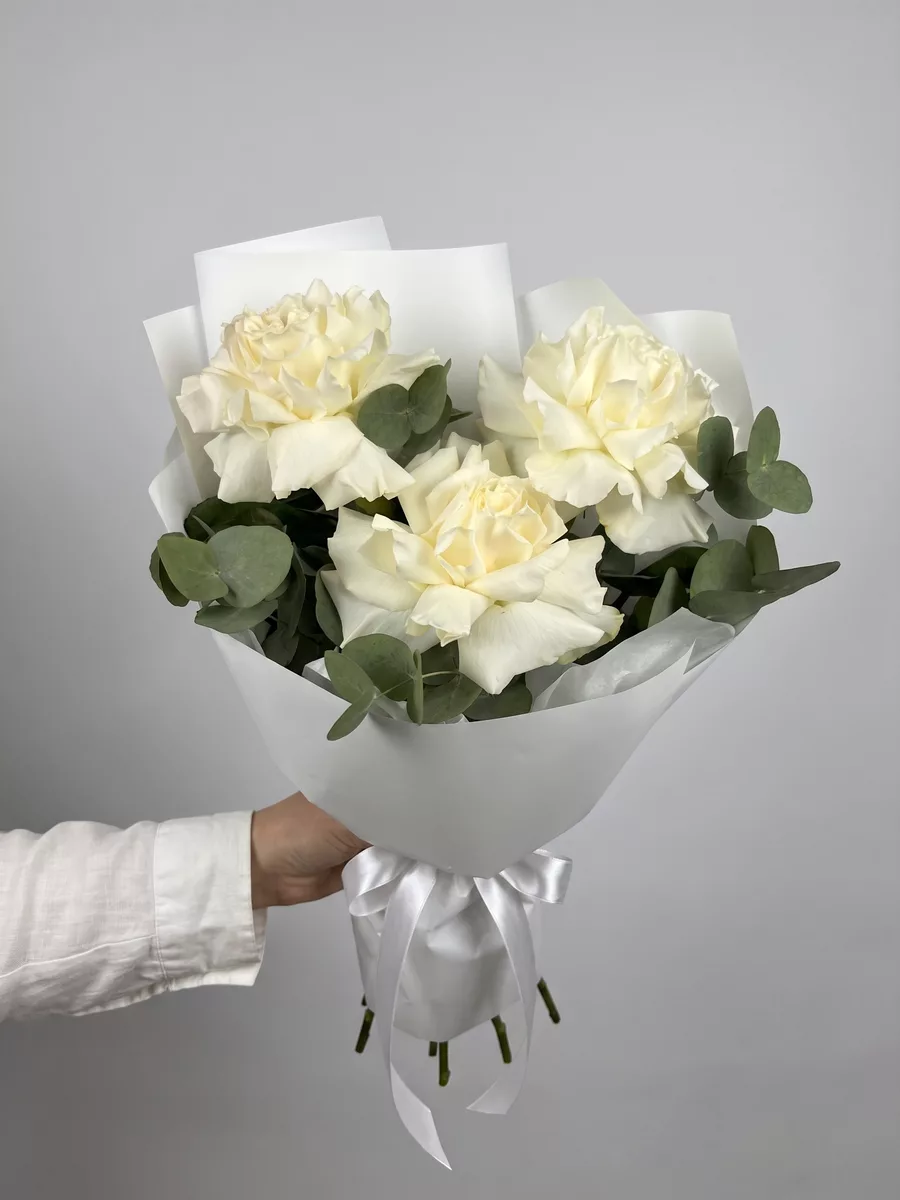
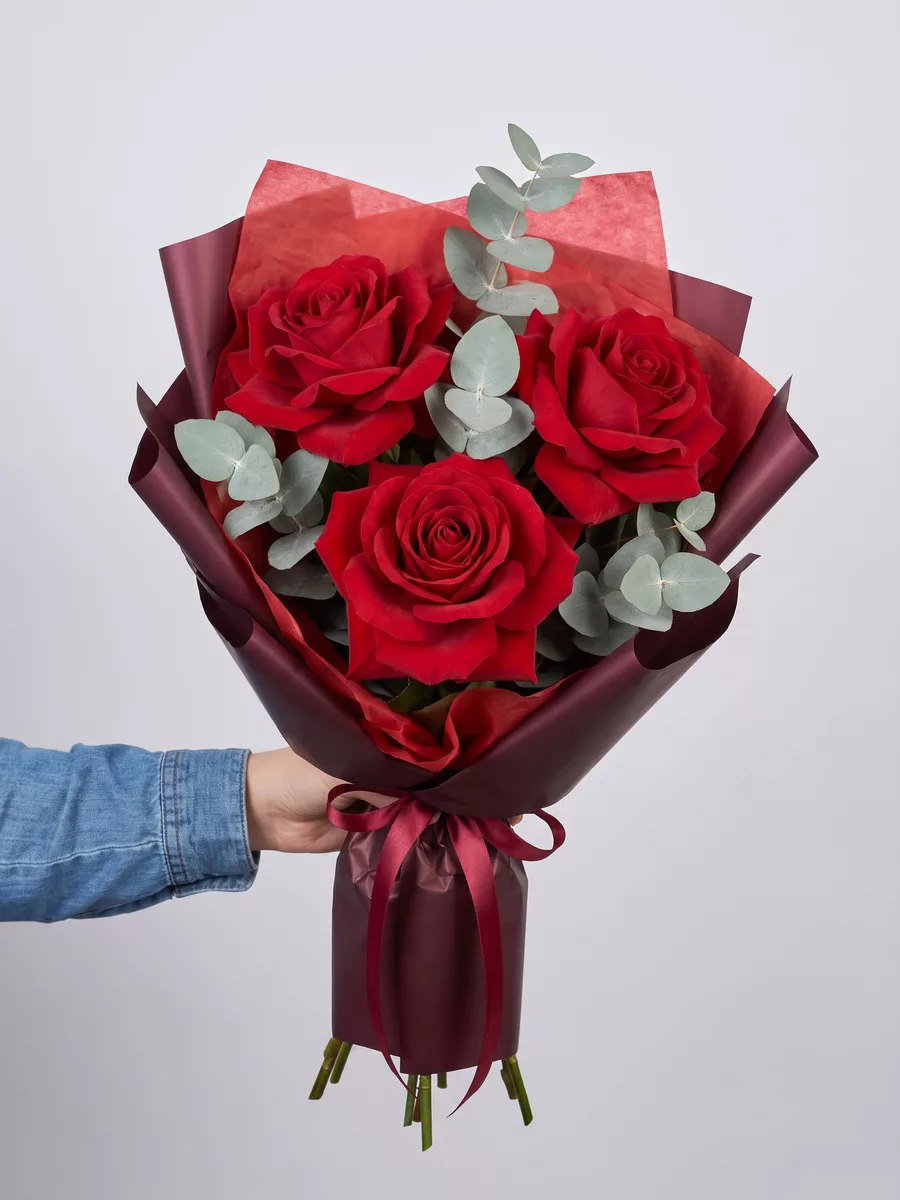
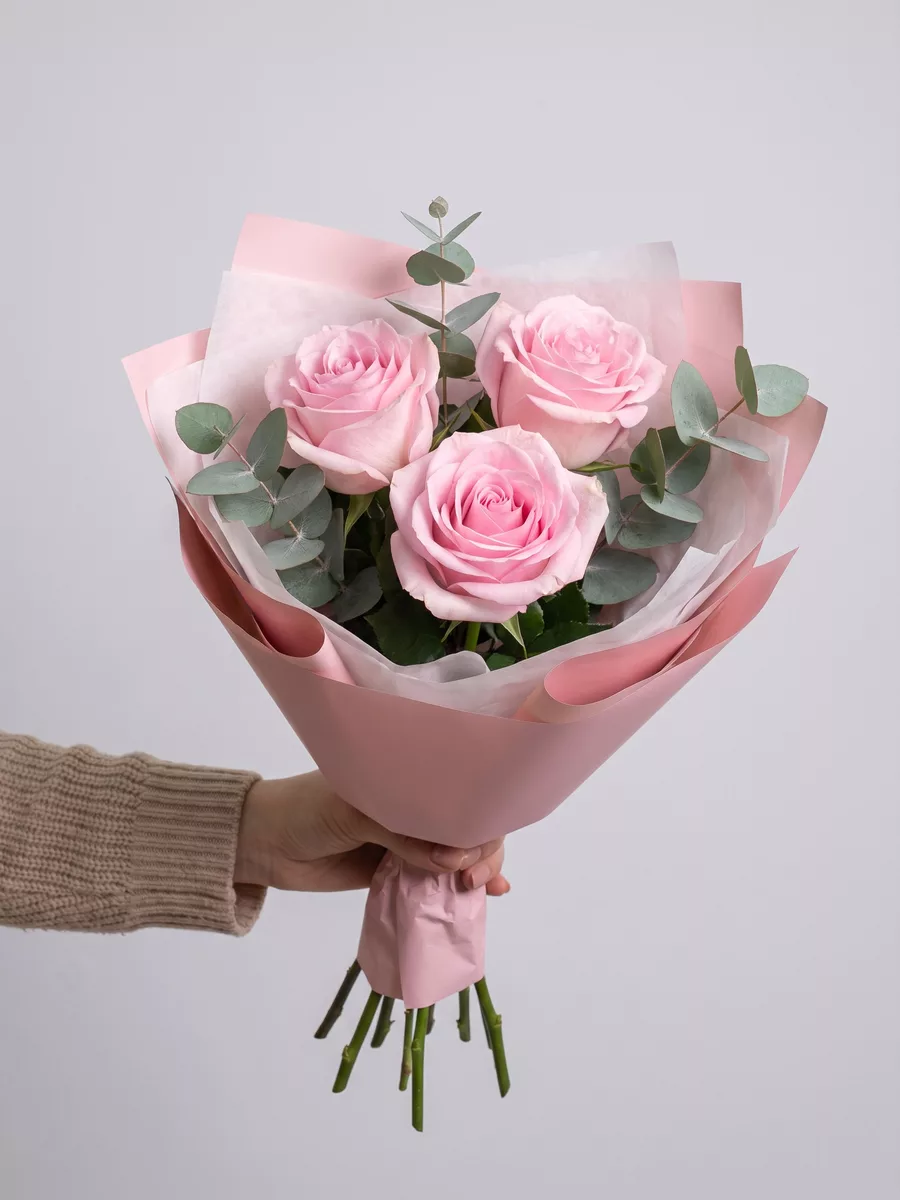
Bouquets we can deliver

How Long Delivery Actually Takes in Zeya
Turboflora works on a one-to-two-hour delivery window, and that window applies to Zeya just as it does across Russia. The clock starts from the moment your order is confirmed and the bouquet is assembled. Because Zeya is not a large city, travel time within the urban area is generally short once the flowers are ready — the preparation of the bouquet itself takes the most time, and that is where the quality lives. Certain times of year bring higher order volumes: the week before the eighth of March, which is International Women's Day and the biggest flower holiday in Russia, sees demand spike sharply. Valentine's Day on the fourteenth of February is another peak. If you are ordering for either of these dates, placing your order a day or two in advance and specifying a preferred delivery window gives you the most control. Outside of peak periods, same-day delivery for an order placed before the early afternoon is entirely realistic. Zeya's road conditions in winter — particularly after heavy snowfall — can occasionally slow a courier, and we will always contact you if that happens. In summer, when the city is more accessible and the days are long, timing is at its most reliable. Whatever the season, you will receive confirmation when the order is on its way.
What the Climate Means for Your Bouquet
Zeya experiences a continental climate with genuine extremes. Winters are cold and long, with temperatures regularly dropping well below minus twenty Celsius. Summers are warm and can be humid, with July temperatures climbing above twenty-five degrees. Both extremes affect flowers, and knowing this helps you choose wisely. In deep winter, the main risk for a bouquet is cold shock during transit. Flowers like roses, tulips and gerberas are vulnerable to freezing — even a few minutes of exposure to severe frost can blacken petals or cause stems to collapse. Turboflora wraps winter bouquets in insulating packaging specifically to protect against this, but the recipient should bring the bouquet indoors quickly and let it acclimatise at room temperature for ten to fifteen minutes before unwrapping. Do not place a cold bouquet directly near a radiator. In summer, the concern shifts to heat. Flowers wilt faster in warm conditions, and a bouquet left in a warm car or a sunny entrance loses hours of vase life. The recipient should move summer flowers into a cool spot and into fresh water as soon as possible. Spring and early autumn are the most forgiving seasons for flower delivery in Zeya — temperatures are moderate, and most varieties travel and settle well.
Choosing Flowers for the Person, Not Just the Occasion
Russian flower culture places a lot of emphasis on the bouquet as a gesture of respect and warmth. A well-chosen arrangement says more than a generic bunch, and in a city like Zeya, where a delivered bouquet is still a genuinely special thing to receive, the choice matters. For a birthday, think about what the person actually loves rather than defaulting to red roses. A woman who gardens might adore a loose, garden-style arrangement of lisianthus, spray roses and eucalyptus — it looks gathered rather than formal. For a man's birthday, which is often overlooked in flower giving, a structured bouquet of anthuriums or tropical foliage with a single bold flower makes a strong impression without feeling out of place. For anniversaries, classic combinations earn their reputation: deep red roses paired with white freesias create a scent-forward bouquet that feels genuinely romantic. Freesias are among the most fragrant flowers available and hold well in cold transit. For a new baby or a housewarming, soft colours work better than dramatic ones — peach ranunculus, white alstroemeria and pale pink spray carnations create warmth without overwhelming the space. If the recipient is older and more traditional, chrysanthemums in rich autumn tones or a formal arrangement of gladioli will feel exactly right. When you are unsure, describe the person to us and let the florist lead.
Budget Ranges and What They Actually Look Like
Flower budgets shape what a bouquet can be, but a smaller budget does not mean a lesser gift — it means a different approach. A modest arrangement built around one or two focal flowers, supported by textured greenery and a clean wrap, can look more considered than a large bunch of mixed stems thrown together without a clear idea. At the entry level, a single variety bouquet — seven or nine tulips in spring, a cluster of bright gerberas in summer, a neat bunch of alstroemeria any time of year — delivers colour and freshness without complexity. The odd number is a Russian tradition worth knowing: bouquets here are almost always assembled in odd numbers of stems, because even numbers are associated with sympathy and mourning. A mid-range budget opens up combinations. This is where you can add a secondary flower — spray roses alongside lisianthus, for instance — and include some foliage like ruscus or pittosporum to give the arrangement depth and movement. The bouquet starts to have a character rather than just a colour. At a higher budget, the focal flowers become more dramatic: large-headed garden roses, peonies in season, orchid stems or tropical varieties like bird of paradise. The wrapping and ribbon also improve, and the whole presentation lifts. Whatever your budget, tell us the occasion and the recipient, and we will build something that feels right for both.
Care After Delivery: Making Flowers Last in Zeya
A bouquet that is cared for well from the moment it arrives will last significantly longer than one that is left in its wrapping on a table. The first step is always the same: trim the stems. Cut about two centimetres from the bottom of each stem at a diagonal angle using sharp scissors or a clean knife. The diagonal cut increases the surface area through which the flower drinks. Do this under running water or while the stems are submerged if possible, to prevent air from entering the stem and blocking water uptake. Place the bouquet in a clean vase with fresh, cool water. In Zeya's cold winters, room temperature water is fine — you do not need to use iced water. In summer heat, cooler water slows bacterial growth and helps flowers stay fresh. Remove any leaves that fall below the waterline, because submerged foliage rots quickly and clouds the water. Change the water every two days and re-trim the stems each time. Keep the bouquet away from direct sunlight, heat sources and fruit bowls — ripening fruit releases ethylene gas, which accelerates flower ageing. Roses typically last seven to ten days with good care. Alstroemeria and chrysanthemums can reach twelve to fourteen days. Tulips are shorter-lived but vivid — expect five to seven days. Gerberas are sensitive to dirty water, so keep their vase especially clean.
What Makes a Delivery Feel Special in Zeya
Zeya is a city where people know each other, where a delivery is noticed and where the presentation of a bouquet carries weight. A flower arriving beautifully wrapped, with a handwritten card, makes an impression that outlasts the flowers themselves. When you place your order, take a moment to write a real message for the card — not just a name, but a sentence that means something. In Russian culture, the words that accompany a bouquet are read carefully and often kept. You do not need to write in Russian; a message in English will be transcribed and delivered exactly as you write it. Timing a delivery to coincide with a meaningful moment — a morning arrival before a birthday celebration, or an afternoon delivery timed to when someone returns from work — takes a little planning but transforms the experience. If you know the recipient's schedule, share it with us. We can aim for a specific window within the delivery timeframe. Presentation details matter too. A bouquet wrapped in kraft paper with a satin ribbon feels different from one in cellophane, even if the flowers inside are identical. We think about wrapping as part of the gift, not packaging around it. If you have a preference — a particular colour palette, a style that is more relaxed and garden-like or more formal and structured — tell us. The more we know about the person receiving the flowers and the moment you want to create, the more the bouquet will feel like it was made for exactly that.
Sending flowers to Zeya from anywhere in Russia is straightforward when you know what to expect — the timing, the seasonal considerations, the small details that make a bouquet feel personal rather than generic. Turboflora handles the distance and the logistics; your job is simply to think about the person on the other end of the delivery and what they will feel when the door opens.
Frequently asked questions
Can I order flower delivery to Zeya the same day?
Yes, same-day delivery in Zeya is available for orders placed before early afternoon. Outside of peak holiday periods like International Women's Day or Valentine's Day, the one-to-two-hour window applies from the moment your order is confirmed. For peak dates, ordering a day ahead gives you the most reliable timing and lets you choose a preferred delivery window.
Why do Russian bouquets always have an odd number of flowers?
In Russian tradition, even numbers of flowers are associated with mourning and are brought to funerals. For any celebratory or affectionate occasion — birthdays, anniversaries, congratulations — bouquets are assembled in odd numbers: five, seven, nine, eleven and so on. Turboflora follows this custom automatically, so you do not need to think about it when ordering.
What flowers survive the cold transit to Zeya in winter?
Roses, alstroemeria, chrysanthemums and carnations handle cold transit well when properly insulated. More delicate varieties like tulips and gerberas are also sent in winter but require careful wrapping and quick handling by the recipient. We package all winter bouquets to minimise cold exposure, and the recipient should bring flowers indoors promptly and allow them to warm gradually before unwrapping.
Can I include a message card in a different language?
Absolutely. You can write your card message in any language when placing your order. We transcribe it exactly as written and include it with the bouquet. Many customers sending flowers to Zeya from abroad choose to write in English, and the message is delivered precisely as you intended — nothing is translated or altered without your request.
How do I keep my delivered bouquet fresh for as long as possible?
Trim the stems at a diagonal angle as soon as the bouquet arrives, place them in a clean vase with cool fresh water, and remove any leaves below the waterline. Change the water every two days and re-trim the stems each time. Keep the bouquet away from direct sun, radiators and fruit bowls. With this routine, roses last seven to ten days and alstroemeria can reach nearly two weeks.
Ready to send flowers?
Pick the city, choose the bouquet, and a local florist takes it from there.
Choose a city →