Sending Flowers to Zheleznogorsk-Ilimsky: Timing, Choices and What to Expect
Zheleznogorsk-Ilimsky sits deep in the Irkutsk region, surrounded by taiga and the kind of distances that make a bouquet of fresh flowers feel like a genuinely thoughtful gesture. Whether you are sending roses to a mother on her birthday, congratulating a colleague on a promotion, or simply letting someone know you are thinking of them, getting flowers delivered here takes a little planning — and the right florist behind you. This guide walks you through exactly what to expect: timing, seasonal availability, how cold weather affects your bouquet, and how to choose something that will still look beautiful when the door opens.
Where We Deliver in Zheleznogorsk-Ilimsky and the Surrounding Area
Zheleznogorsk-Ilimsky is a compact city in the north of the Irkutsk region, built around the iron ore industry and connected to the wider region by roads that can be challenging in winter. We deliver to addresses throughout the city itself, including the central residential districts, the areas near the railway station, and the industrial quarter where many recipients work day shifts. If you are sending flowers to a nearby settlement or a village within a reasonable radius of the city centre, it is worth confirming the address in advance so we can route the delivery correctly. We always ask for a full street address, building number, and apartment or office number — in Russian cities, large apartment blocks can have multiple entrances, and getting the entrance number right saves everyone time. For recipients at workplaces, a phone number is especially useful, since reception desks in industrial facilities sometimes redirect deliveries. The city is not enormous, which actually works in your favour: once a courier is in the area, cross-town distances are short. What matters more here than in a big city is the logistics of getting flowers from Saint Petersburg to this part of Siberia in the first place, and we handle that leg of the journey with refrigerated transport to keep stems fresh and hydrated throughout.
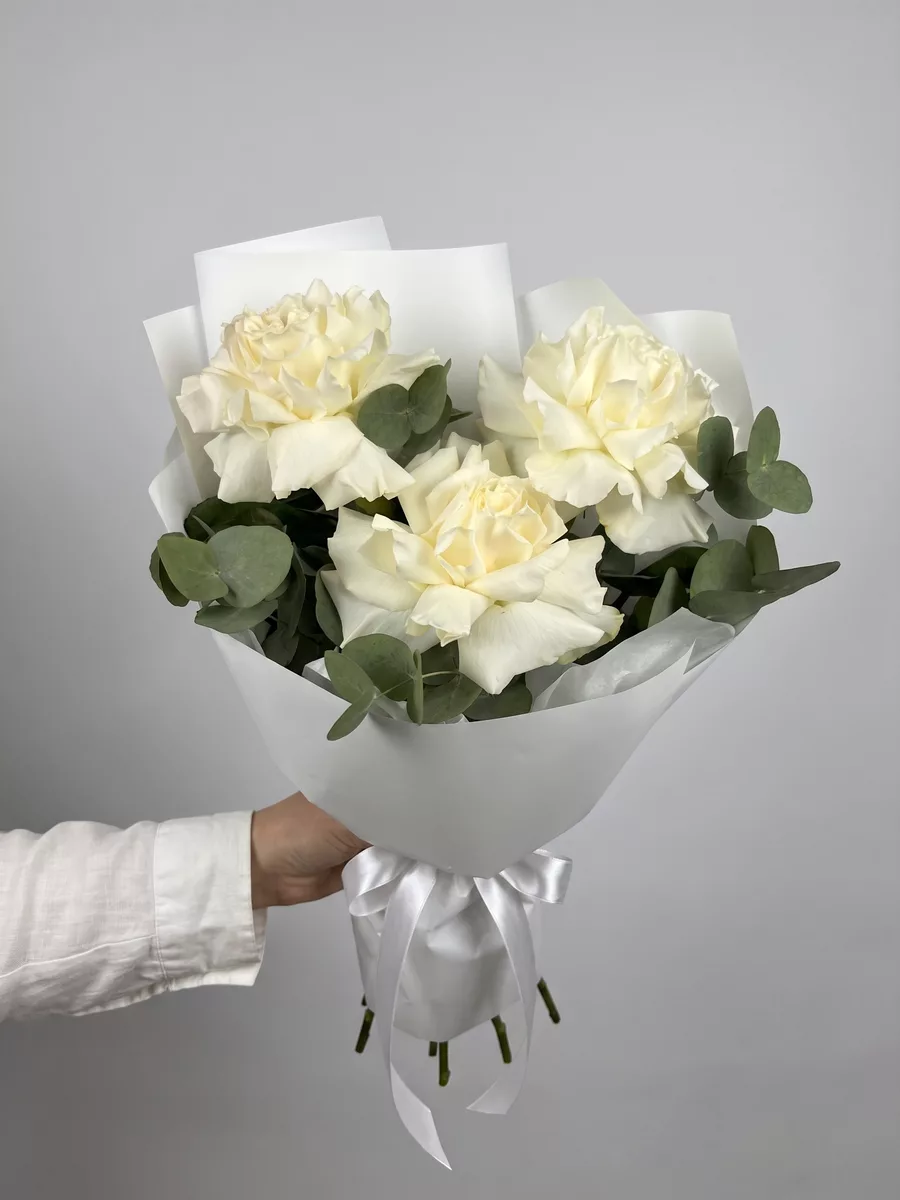
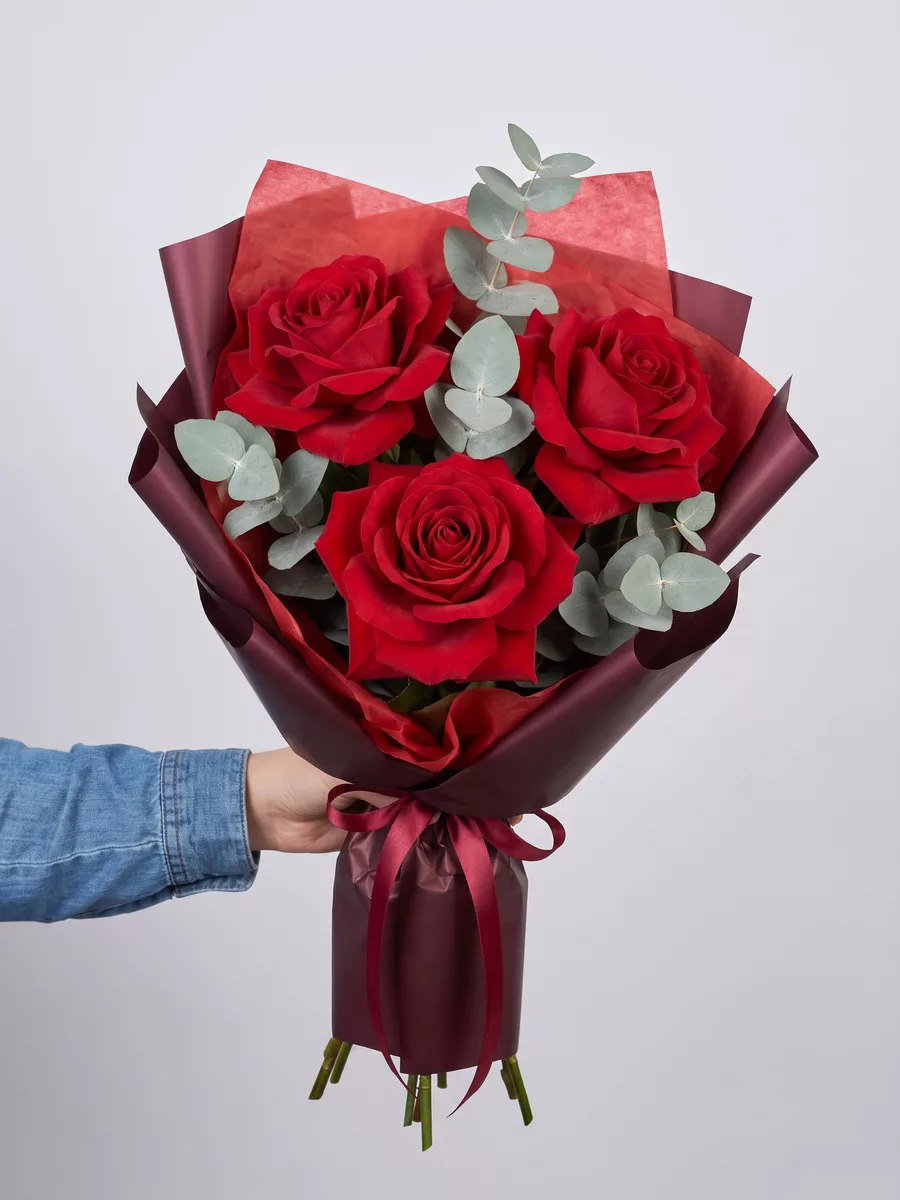
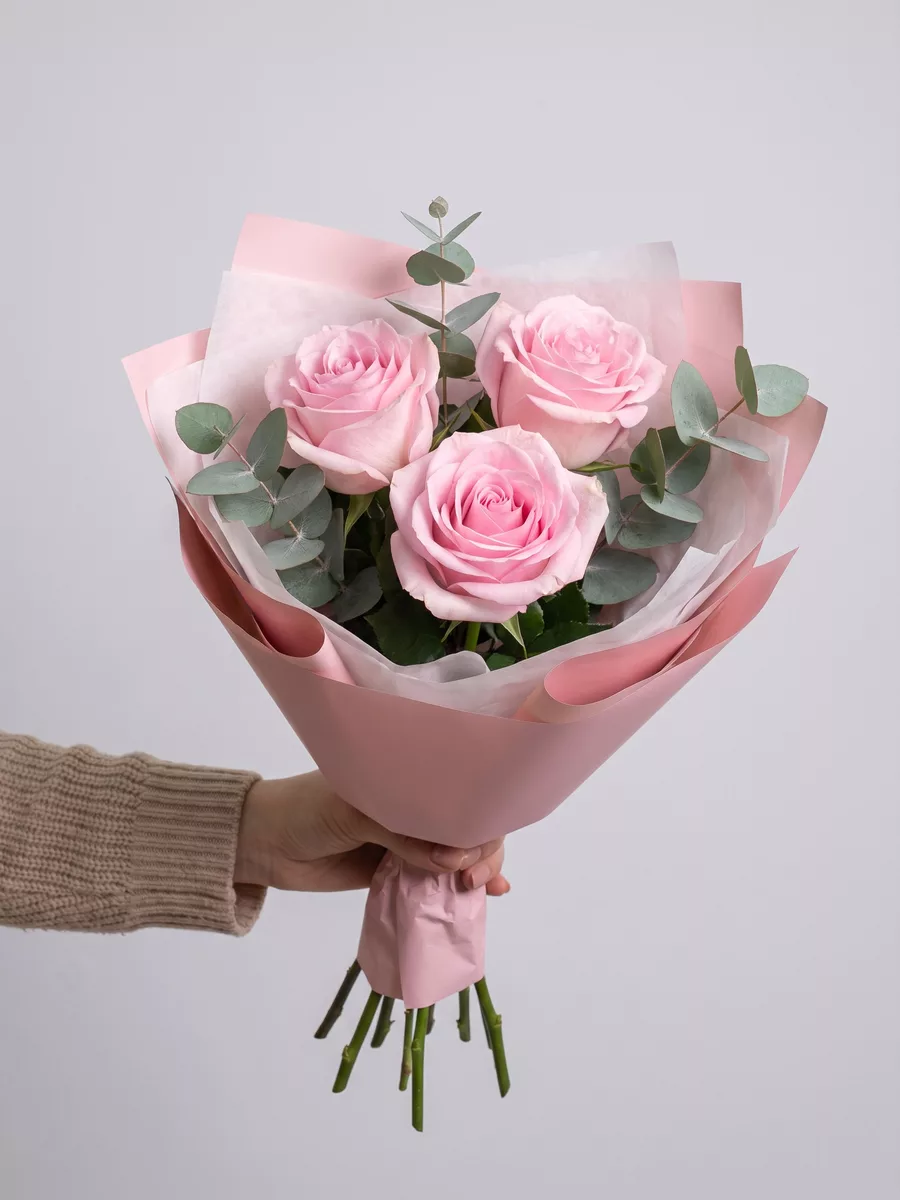
Bouquets we can deliver

Realistic Delivery Timing: What the Distance Actually Means
Turboflora is based in Saint Petersburg and delivers fresh flowers across Russia, including to Zheleznogorsk-Ilimsky. Being honest about timing is part of how we work: same-day delivery to a city this far east requires an order placed well ahead of the local delivery window, accounting for the time difference between Saint Petersburg and the Irkutsk region, which is five hours ahead of Moscow time. When you order, you will see available delivery slots displayed in the recipient's local time, so there is no mental arithmetic required on your part. For next-day or scheduled delivery, you have considerably more flexibility and can choose a morning, afternoon, or evening window. We recommend morning deliveries for workplaces and afternoon or evening slots for home addresses, since someone is more likely to be in. If the occasion is time-sensitive — a birthday morning surprise, for instance — place the order the evening before to be safe. Rush orders are sometimes possible depending on the day and current logistics, but for a city in this part of Siberia, building in a buffer of at least a few hours is simply good planning. The flowers themselves travel in insulated packaging designed to maintain a stable temperature during transit, which matters a great deal when Siberian winters push outdoor temperatures well below freezing.
How Siberian Winters Affect Your Bouquet — and What We Do About It
Winter in Zheleznogorsk-Ilimsky is serious. Temperatures regularly drop to minus twenty-five or even minus thirty degrees Celsius between November and March, and a bouquet left exposed to that kind of cold for even a few minutes will suffer. Flowers freeze quickly: rose petals turn translucent and soft, tulip stems become limp, and delicate blooms like ranunculus or anemones can be damaged beyond recovery. We pack winter deliveries in insulated boxes with thermal wrapping that gives the flowers meaningful protection during the final walk from the vehicle to the door. We also advise recipients not to leave the bouquet near an unheated hallway or on an outdoor windowsill, even briefly. When bringing flowers in from the cold, let them acclimatise gradually — unwrap them in a cool room rather than immediately next to a radiator, which causes the stems to take up water unevenly and shortens vase life. In summer, the challenge reverses: Zheleznogorsk-Ilimsky can see warm, even hot days in July and August, and flowers need to stay out of direct sunlight and away from heat sources. We adjust packaging seasonally, and our couriers are briefed on handling flowers carefully at both temperature extremes. Choosing hardier varieties in deep winter — spray roses, alstroemeria, and chrysanthemums hold up better than, say, garden roses or sweet peas — is something we factor into our seasonal recommendations automatically.
Choosing the Right Bouquet for the Person and the Moment
The best bouquet for someone in Zheleznogorsk-Ilimsky is the one that suits them, not just the occasion. Start with the person: are they someone who loves bold, saturated colour — deep burgundy roses, orange gerberas, rich purple lisianthus — or do they prefer something quieter, like white freesias mixed with pale green eucalyptus? For a birthday, a generous mono-bouquet of roses in a favourite colour is always well received and easy to style at home. For a new job or professional achievement, something architectural and long-lasting works well: tall stems of gladioli, anthuriums, or a structured arrangement of white lilies and green fillers that holds its shape over several days. If you are sending flowers to a woman you know well, adding seasonal detail makes a difference — tulips in early spring, peonies in late spring, sunflowers in summer — because it shows the bouquet was chosen with thought rather than grabbed from a default selection. For a man, which is more common in Russian culture than some international senders might expect, compact and structured bouquets without overly delicate or pastel elements tend to land well: think deep red roses, tropical stems, or a bold arrangement built around calla lilies. If you are genuinely unsure, our florists can suggest something based on a brief description of the person and the occasion.
Budget Ranges and What They Look Like in Practice
Flowers exist at every budget, and what matters is not the amount spent but how thoughtfully the money is used. At the entry level, a small but beautifully arranged bouquet of five or seven roses with complementary greenery — eucalyptus, ruscus, or pittosporum — looks far more considered than a larger bunch of mixed stems thrown together without a visual logic. The key is proportion and colour harmony. At a mid-range budget, you move into mixed bouquets where the florist can combine textures: a base of spray roses, a few stems of lisianthus for volume, some waxflower for lightness, and a ribbon finish that ties it together. This is the range where presentation really starts to do the work. At a higher budget, you are looking at premium single-variety bouquets — Dutch garden roses with their dense, layered petals, or a full peony arrangement in season — or elaborate mixed designs with exotic stems like protea, strelitzia, or orchid branches. These make an impression precisely because the flowers themselves are unusual in a city like Zheleznogorsk-Ilimsky, where a striking tropical arrangement is genuinely unexpected. Whatever the budget, we never pad a bouquet with cheap filler to make it look bigger: every stem should earn its place in the design.
Vase Life and Simple Care Instructions Your Recipient Will Actually Use
Most people in Russia are comfortable with flowers at home, but a few care habits make a real difference to how long a bouquet lasts. The first step after unwrapping is a fresh diagonal cut on each stem — about two centimetres — with a sharp knife rather than scissors, which crush the vascular tissue and reduce water uptake. A clean vase with fresh, cool water is next: avoid warm water, which accelerates bacterial growth. Remove any leaves that would sit below the waterline, since submerged foliage rots quickly and clouds the water. Change the water every two days and re-cut the stems each time. Keep the bouquet away from radiators, sunny windowsills, and fruit bowls — ripening fruit releases ethylene gas, which ages flowers noticeably faster. Roses typically last seven to ten days with good care; alstroemeria and chrysanthemums can go two weeks or more. Tulips last around five to seven days but are charming as they open and lean, which is part of their character rather than a flaw. Lilies open gradually over several days, so a bouquet that arrives with closed buds is not a problem — it means the flowers have been cut at the right stage and will open beautifully in the warmth of the room. We include a small care card with every delivery, written in Russian, so the recipient has these reminders to hand without needing to search for them.
Russian Flower Customs Worth Knowing Before You Order
If you are sending flowers to Russia for the first time, a few cultural details will help you order with confidence. The most important is the odd-number rule: bouquets in Russia are traditionally given in odd numbers — one, three, five, seven, nine, eleven stems — with even numbers reserved for memorial occasions. This is not a rigid law, and large designed arrangements are not counted stem by stem, but for a simple rose bouquet it is worth keeping in mind. Red roses are a romantic gesture in Russia as they are elsewhere, but they are also perfectly appropriate for a mother, a grandmother, or a close female friend — the context and the relationship carry the meaning, not just the colour. Yellow flowers, sometimes avoided in other cultures as a symbol of separation, are widely and happily given in Russia; yellow tulips and yellow roses are popular gifts with no negative connotation. Wrapping matters: a beautifully packaged bouquet with a ribbon or a kraft paper wrap signals care and intention. We wrap every bouquet as standard, so this is handled for you. If you want to add a personal message card, you can write it in English or Russian during checkout — we will print it and include it with the delivery. Small personal touches like this are genuinely appreciated and remembered long after the flowers have faded.
Sending flowers to Zheleznogorsk-Ilimsky is entirely possible, and when it is done well, the distance makes the gesture feel even more meaningful. Someone receiving a fresh, beautifully arranged bouquet in a Siberian city knows that real thought and effort went into it. Choose the variety for the person, account for the season and the temperature, and give the recipient a little guidance on care — and the flowers will do the rest.
Frequently asked questions
Can I order flowers for same-day delivery to Zheleznogorsk-Ilimsky?
Same-day delivery is possible if you order early enough to account for the five-hour time difference between Saint Petersburg and the Irkutsk region. Available same-day slots are shown at checkout in the recipient's local time. For the most flexibility, placing your order the evening before is the safest approach, especially for morning deliveries.
Will the flowers survive the cold weather during delivery in winter?
Yes. We use insulated packaging and thermal wrapping for all winter deliveries to Siberian destinations. Couriers are briefed to minimise the time flowers spend in the cold during the final handover. We also recommend recipients acclimatise the bouquet gradually indoors rather than placing it immediately next to a heat source.
What flower varieties hold up best for delivery to a remote Siberian city?
Spray roses, alstroemeria, chrysanthemums, and lisianthus are all excellent choices because they travel well and have a long vase life. Roses and lilies are also reliable when cut and packaged correctly. In deep winter we lean toward these hardier varieties rather than more delicate blooms like ranunculus or sweet peas.
Is it true that flowers in Russia should always come in odd numbers?
Traditionally, yes — odd numbers are for celebratory gifts and even numbers are associated with memorial occasions. For a simple rose bouquet this is worth following. For larger designed arrangements the count matters less, but our florists apply the odd-number convention by default unless you specify otherwise.
Can I include a message card in English for a Russian recipient?
Absolutely. You can write your message in English or Russian during checkout and we will print it and include it with the bouquet. Many recipients in Russia read basic English, and a handwritten-style card in your own language often feels more personal and genuine than a translated version.
Ready to send flowers?
Pick the city, choose the bouquet, and a local florist takes it from there.
Choose a city →