Sending Flowers to Zheleznovodsk? Here Is What to Expect
Zheleznovodsk sits quietly among the Caucasus foothills, smaller and more intimate than its neighbours Pyatigorsk and Kislovodsk, but just as deserving of a beautiful bouquet. Whether you are sending flowers to someone recovering at one of the local sanatoriums, celebrating a birthday in one of the resort-side apartments, or simply wanting to surprise a friend who moved here for the mineral-water lifestyle — getting fresh flowers to the right address at the right moment matters enormously. This is everything you need to know before you order.
Which Parts of Zheleznovodsk We Reach and Why It Matters
Zheleznovodsk is compact by Russian city standards, but its layout is anything but straightforward. The city climbs the slopes of Mount Zheleznaya, which means addresses can range from the flat central streets near the railway station to steep residential lanes higher up the hill. We deliver across the whole city — central Zheleznovodsk, the Sanatorny district, Pobedy Street and the surrounding residential quarters, as well as the newer housing developments along the Pyatigorsk highway edge of the city boundary.
The sanatorium district deserves a special mention. A large share of people receiving flowers here are guests staying at one of the many health resorts that Zheleznovodsk is famous for. If you are sending to a sanatorium address, include the building name and the recipient's room number in your order notes. Reception desks at these facilities are used to accepting deliveries, but a room number saves everyone time and keeps the flowers from sitting at a front desk longer than necessary.
For private residential addresses, the courier will call ahead roughly fifteen minutes before arrival. This is standard practice across Russia and gives the recipient time to come to the door without the flowers being left unattended. If you are ordering a surprise delivery and do not want the recipient called first, note that in the comments and we will handle it accordingly — though we do ask that someone is confirmed to be home, because fresh flowers left outside in summer heat or winter frost deteriorate quickly.
Bouquets we can deliver

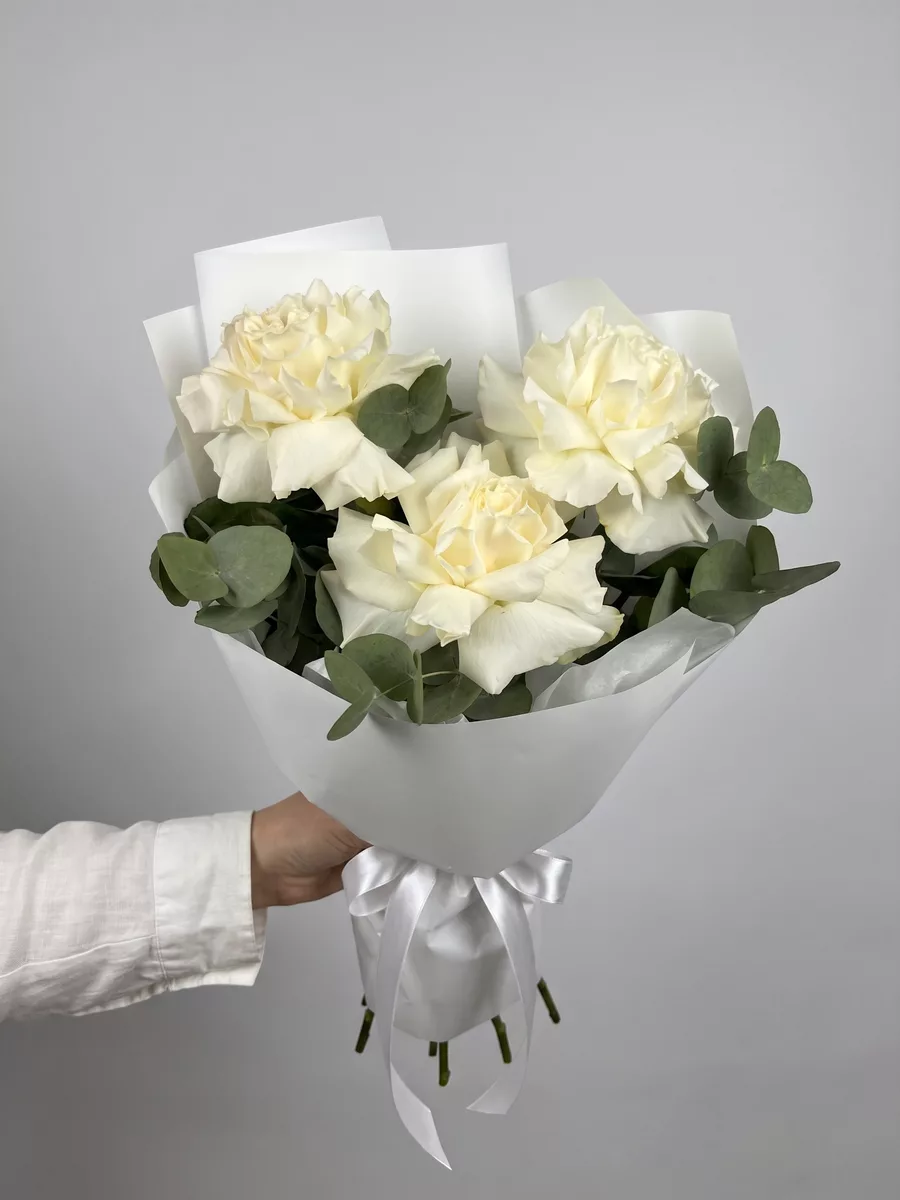
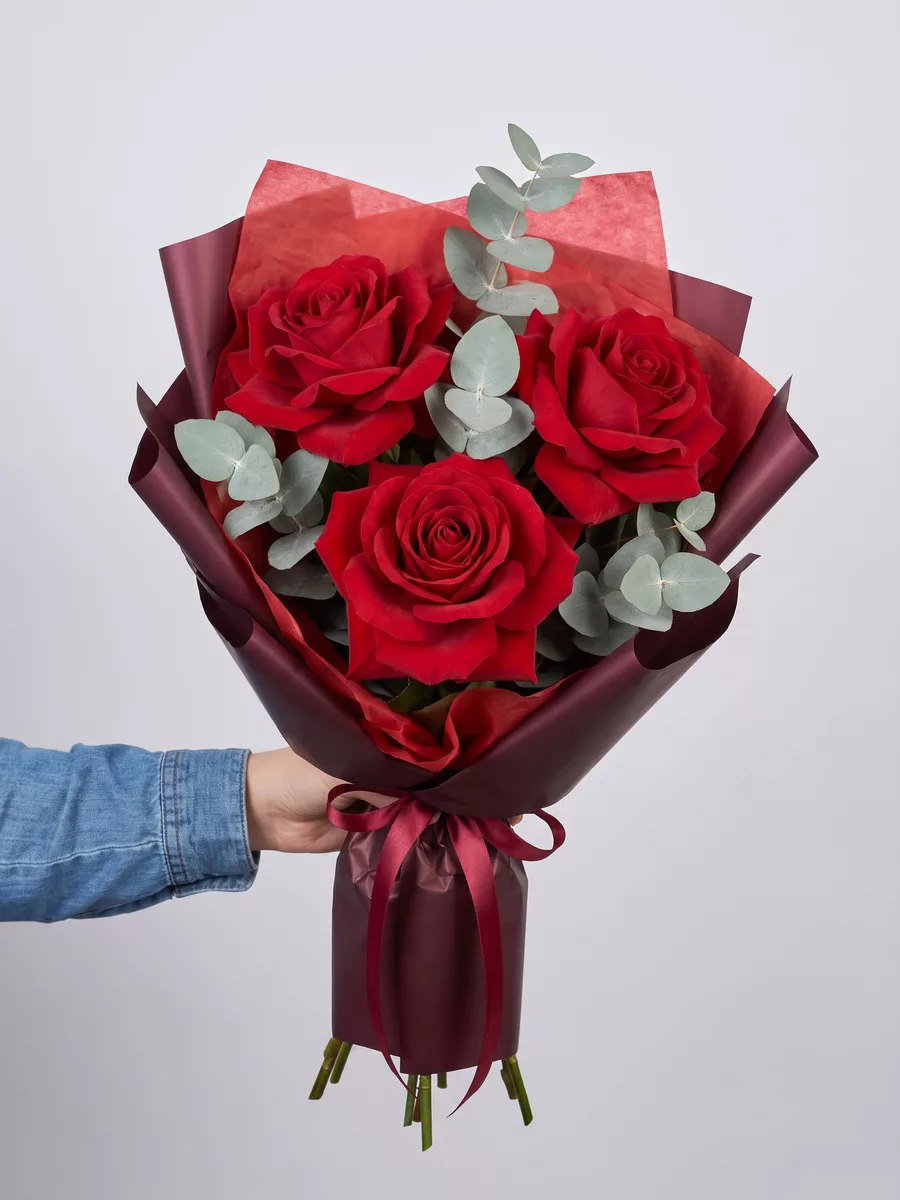
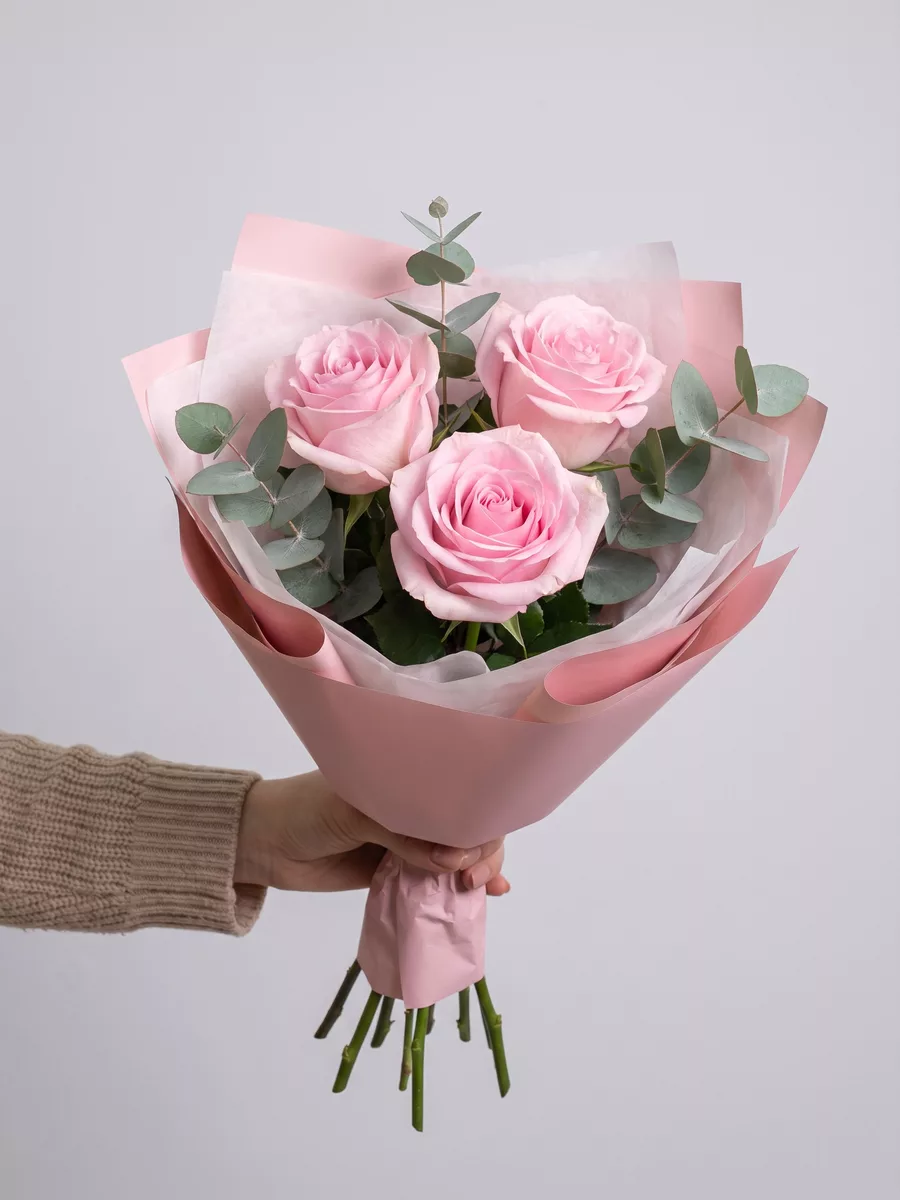
Timing Your Delivery: Morning, Afternoon and Same-Day Orders
Our standard delivery window in Zheleznovodsk is one to two hours from the moment your order is confirmed. That window holds for most of the city during regular hours. If you are ordering for a specific time — say, for a birthday dinner at seven in the evening — choose a delivery slot that lands about thirty minutes before the occasion, not right at the moment itself. Flowers need a few minutes in water before they are at their most open and fragrant, and a small buffer prevents any stress on your end.
Same-day delivery is available when orders are placed before our daily cut-off time. Morning orders placed before noon almost always reach the recipient the same day, and orders placed in the afternoon can still be fulfilled for an evening delivery slot. The one situation where timing gets tighter is during major Russian holidays — February 14th, March 8th (International Women's Day, which is enormous in Russia and worth planning for at least two days ahead), and May holidays. On those dates, demand across the Caucasus Mineral Waters region spikes sharply, and a same-day order placed late in the day may shift to the following morning.
If you are not certain of the exact moment the recipient will be available, our two-hour delivery window gives you a practical range rather than a fixed minute. You can also specify morning delivery — before noon — or afternoon delivery, which we define as between noon and six in the evening. Evening slots, from six onwards, are available and popular for workplace surprises where the recipient is only free after the workday ends.
Choosing Flowers for the Zheleznovodsk Climate
The Caucasus foothills have a climate that is noticeably milder than central Russia but still has real seasonal variation. Summers are warm and can be genuinely hot in July and August, with afternoon temperatures climbing above thirty degrees Celsius. Winters are cool and damp rather than bitterly cold, with occasional frost but rarely the deep freezes of Siberia or even Moscow. This matters for flowers because heat is the enemy of a fresh bouquet far more than moderate cold.
In summer, choose varieties that handle warmth with dignity. Chrysanthemums are excellent — they are sturdy, long-lasting, and available in a wide range of colours from white and cream through yellow, coral and deep burgundy. Alstroemeria is another reliable warm-weather choice, and it mixes beautifully with greenery like eucalyptus or ruscus. Roses can absolutely be sent in summer, but opt for tightly budded stems rather than fully open blooms, which will be past their peak within a day in a warm room.
In winter and early spring, peonies and tulips come into their own. Tulips in particular travel exceptionally well in cool temperatures and open gradually over several days, giving the recipient a changing display rather than an instant one. If you are sending flowers to someone at a sanatorium in January or February, a mixed bouquet of white tulips and pale pink ranunculus is both visually generous and practically durable. Avoid tropical varieties like anthuriums for winter deliveries — they are sensitive to cold and can show damage if temperatures drop during transit.
What a Thoughtful Bouquet Looks Like for This City
Zheleznovodsk has a particular character — it is a wellness and resort destination, quieter and more reflective than a big city. People come here to rest, to take the waters, to slow down. A bouquet that matches this mood tends toward the soft and layered rather than the bold and graphic. Think garden-style arrangements rather than architectural ones: loose clusters of spray roses mixed with freesia, or a generous bunch of lisianthus in lilac and white with stems of veronica for texture.
For someone staying at a sanatorium, a medium-sized bouquet is usually more practical than a very large one. Sanatorium rooms are comfortable but not enormous, and a bouquet that fits easily in a standard vase is more welcome than an impressive but unwieldy arrangement. A wrapped bouquet of fifteen to twenty stems in complementary colours — soft peach, cream and pale green, for example — strikes exactly the right note. It feels generous without being overwhelming.
For celebrations — a birthday, an anniversary, a graduation — you can go larger and bolder. Deep red roses paired with white gypsophila is a classic combination that reads as celebratory in Russian culture and needs no explanation. If you want something more original, consider a mixed bouquet centred on orange gerbera daisies with yellow solidago and a few stems of blue iris. The colour contrast is vivid and cheerful, and all three varieties are robust enough to look fresh for four to five days with proper care.
Russian Flower Customs Worth Knowing Before You Order
If you are sending flowers to someone in Russia for the first time, a few customs are worth understanding so that your gift lands exactly as intended. The most important one is the number of stems. In Russian tradition, even numbers of flowers are associated with mourning and are brought to cemeteries. For a gift bouquet, always choose an odd number — five, seven, nine, eleven, fifteen, nineteen, twenty-five. When you order through us, our florists automatically compose bouquets in odd numbers, so you do not need to count, but it is useful to know why.
Colour carries meaning, though less rigidly than the stem-count rule. Yellow flowers have a reputation in Russian popular belief for bringing separation or bad luck in relationships, though this is a superstition more than a universal rule and younger generations rarely observe it. If you are unsure of the recipient's views, white, pink, red and mixed-colour bouquets are universally safe and welcome. Blue and purple flowers — iris, delphinium, lavender lisianthus — are considered elegant and slightly unusual, which makes them a good choice when you want to stand out.
Gifting flowers to men is entirely normal and increasingly common in Russia, particularly for birthdays and professional achievements. For a male recipient, lean toward structured bouquets with strong shapes — sunflowers, large-headed chrysanthemums, or a clean arrangement of white and green. Avoid overly delicate pastel combinations, not because they are wrong, but because a bolder palette tends to feel more appropriate and will be better received.
Keeping Your Bouquet Fresh After It Arrives
A bouquet delivered in peak condition can last anywhere from four days to nearly two weeks depending on the varieties inside and how it is cared for after arrival. The first thirty minutes after delivery are the most important. Unwrap the bouquet, trim about two centimetres from the bottom of each stem at a diagonal angle using a sharp knife or scissors, and place the stems immediately in clean, cool water. Do not use warm water — cool water slows the opening of the blooms and extends vase life significantly.
Change the water every two days and re-trim the stems each time you do. This prevents the build-up of bacteria in the water, which is the main reason bouquets fade prematurely. Keep the vase away from direct sunlight and away from heat sources — radiators, televisions, sunny windowsills. In a sanatorium room, the windowsill is often the most tempting spot, but the combination of sunlight and the warmth of the glass will shorten the life of the flowers noticeably.
Different varieties in a mixed bouquet age at different rates. Gypsophila and alstroemeria tend to outlast roses in the same arrangement. When a rose or tulip starts to droop, remove it rather than leaving it in the vase — decomposing stems release ethylene gas, which accelerates aging in the flowers around them. A bouquet that started as fifteen stems can still look beautiful at ten stems five days later if the spent ones have been removed promptly. Lisianthus, statice and chrysanthemums are the longest-lasting varieties in most conditions and will often still look presentable when everything else has finished.
How to Write a Card That Means Something
The card or note that accompanies a bouquet is often the part people think about last, and it shows. A generic message — happy birthday, with love — is fine, but a specific one is memorable. Think about one concrete thing: a shared memory, something you admire about the person, a specific wish for where they are right now. If they are in Zheleznovodsk for a health stay, acknowledge that directly — wishing someone genuine rest and recovery is more meaningful than a standard congratulations.
In Russian custom, the card is usually kept brief. Three to five sentences is considered warm and generous. A long letter is not typical with a flower gift — it shifts the focus from the flowers to the text. If you have a great deal to say, say it separately and let the bouquet stand on its own as a visual expression of the feeling.
When ordering through us, you can write your card message in any language. We will print it exactly as you write it. If you are writing in English for a Russian-speaking recipient, that is perfectly fine — many people appreciate the personal touch of a message in the sender's own language, and it often feels more authentic than a translated version. Just make sure the message is clear and unambiguous, since the recipient may be reading it without context. Sign with your name or a name they will recognise immediately, because a beautiful bouquet with an unsigned card creates more confusion than warmth.
Zheleznovodsk is a city where people come to feel better, and a well-chosen bouquet delivered at the right moment can be a genuine part of that. Whether you are sending to a sanatorium room, a family apartment near the park, or a rental flat along the resort promenade, the same principles apply: choose varieties suited to the season, keep the stem count odd, and give the recipient a note that says something real. We handle the timing and the freshness — your part is knowing who the flowers are for and what you want them to feel when they open the door.
Frequently asked questions
Can you deliver flowers to a sanatorium in Zheleznovodsk?
Yes, we deliver to all sanatoriums and health resorts in Zheleznovodsk. Include the full name of the sanatorium and the recipient's room number in your order notes. Reception staff are accustomed to receiving deliveries, but a room number ensures the bouquet reaches the right person without delay and without the flowers sitting at a desk.
How far in advance should I order for March 8th in Zheleznovodsk?
March 8th, International Women's Day, is the busiest flower day in Russia by a considerable margin. We strongly recommend placing your order at least two days in advance, ideally three. Orders placed on March 7th may still be fulfilled, but delivery slots fill quickly and specific time windows cannot always be guaranteed during peak demand across the region.
What flowers hold up best in Zheleznovodsk's summer heat?
Chrysanthemums, alstroemeria and tightly budded roses are the most heat-tolerant options for summer delivery. Avoid fully open blooms, tropical varieties like anthuriums, and arrangements with a lot of delicate filler such as sweet peas. Ask for tightly closed buds and keep the vase in the coolest part of the room away from direct sunlight once the bouquet arrives.
Why do Russian bouquets always have an odd number of flowers?
Even numbers of flowers are traditionally associated with mourning in Russian culture and are brought to gravesites rather than given as gifts. An odd number — five, seven, eleven, fifteen — is the norm for any celebratory or affectionate occasion. Our florists always compose gift bouquets in odd numbers automatically, so you do not need to specify this when ordering.
Can I write the card message in English for a Russian-speaking recipient?
Absolutely. We print your card message exactly as you write it, in any language. Many recipients find a message in the sender's own language more personal and genuine than a translated version. Keep the message clear and sign it with a name the recipient will recognise immediately, so there is no uncertainty about who sent the flowers.
Ready to send flowers?
Pick the city, choose the bouquet, and a local florist takes it from there.
Choose a city →