Sending Flowers to Zima? Here Is What to Expect
Zima sits in the heart of Irkutsk Oblast, a quiet Siberian city where a bouquet arriving at the door feels genuinely special — not just a nice gesture, but a real event. Whether you are ordering from Moscow, Saint Petersburg, or from across the world for someone who lives there, the distance should not stand between the person you love and a beautiful arrangement. Here is everything you need to know before you place your order.
Where in Zima We Deliver and How the City Is Covered
Zima is a compact city with a population that makes it possible to reach most residential addresses, workplaces, and public spots within a manageable window. Delivery covers the central districts, the main residential mikrorayony, and the areas around the railway station — which is itself one of the most recognizable landmarks in town, since Zima sits on the Trans-Siberian Railway line. If you are sending to a private house rather than an apartment block, it helps to include the exact house number and any gate or entrance code in the order notes. Siberian addresses can sometimes be tricky for GPS, so a phone number for the recipient is always useful. We call ahead before arrival so the person is not caught off guard — though if you want the delivery to be a surprise, you can note that in your order and we will handle the approach carefully, perhaps coordinating with a neighbor or leaving a message. Office deliveries to Zima work well on weekdays during standard business hours. For residential addresses, evenings are often the most reliable slot, when people are home from work. The city is not large, so once a courier is dispatched, travel time within Zima itself is typically short. The longer part of the journey is the logistics chain from the flower hub to the city, which is why understanding the overall timing picture matters before you choose your delivery date.
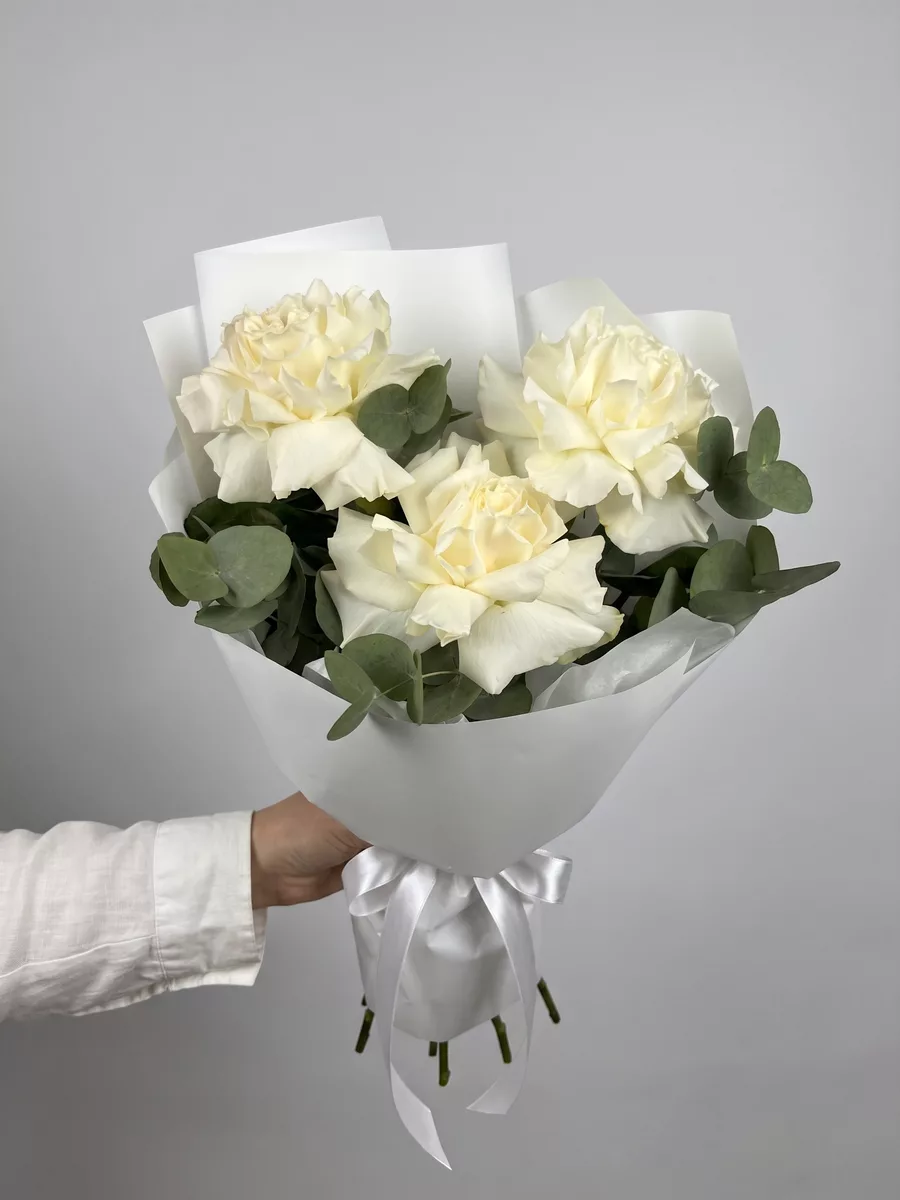
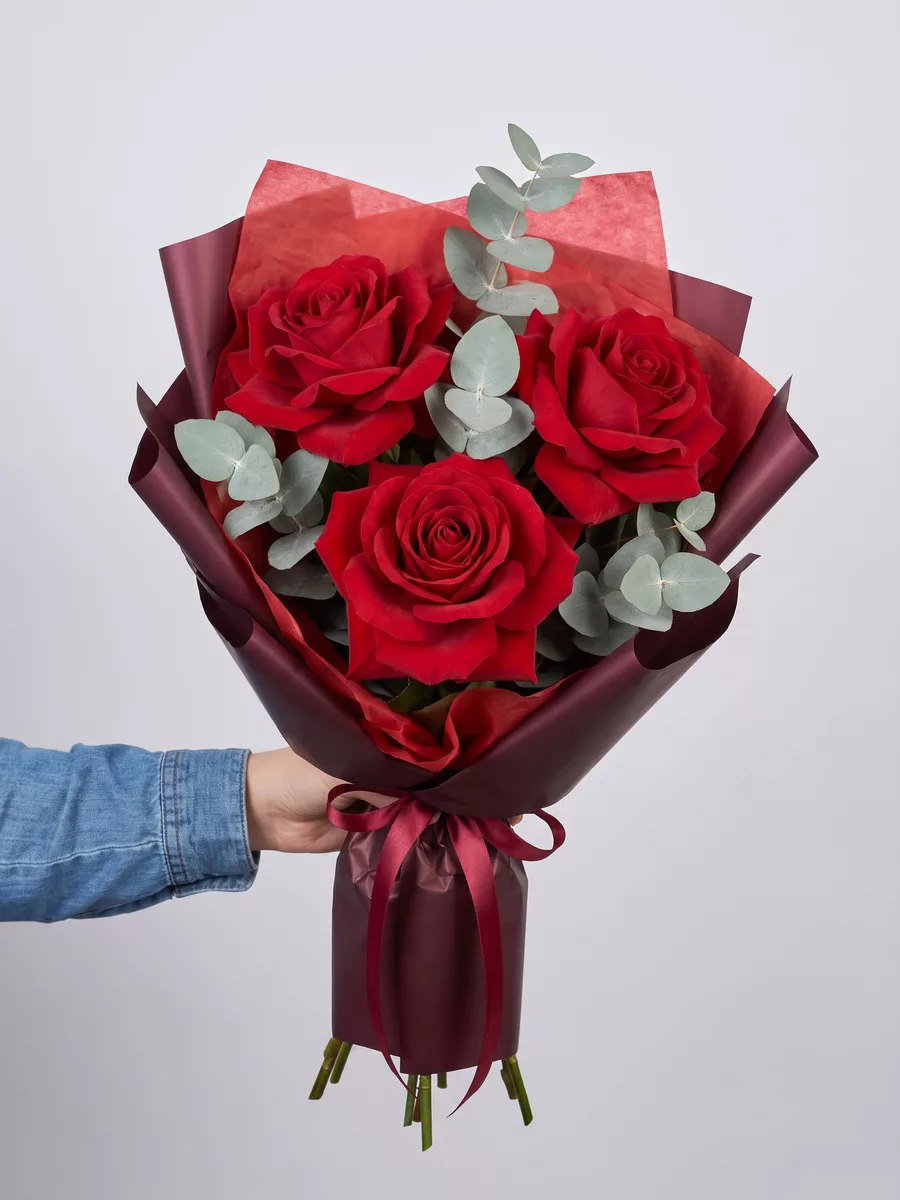
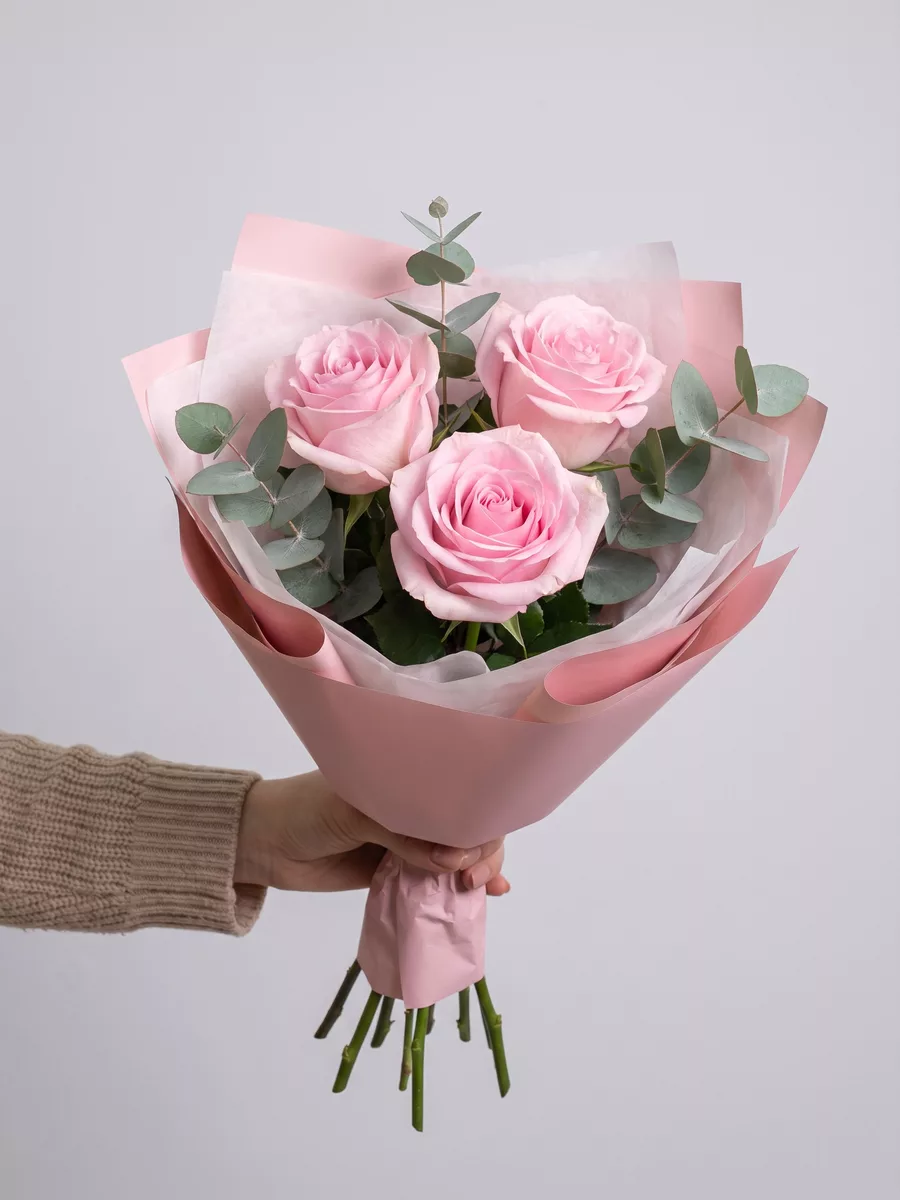
Bouquets we can deliver

Timing Your Order: What the Journey to Zima Actually Looks Like
Zima is roughly 460 kilometres northwest of Irkutsk, and that distance shapes how we plan every delivery. Unlike same-day delivery in Saint Petersburg, where a bouquet can travel from our workshop to a doorstep in under two hours, reaching Zima requires us to work with refrigerated logistics that keep flowers fresh across a longer route. This means the flowers you order are cut and conditioned at the right moment, packed to survive temperature swings, and dispatched so they arrive at their destination in peak condition rather than wilted from a long, warm journey. We recommend ordering at least one day in advance for Zima deliveries, and two days ahead is even better if you are planning for a specific date like a birthday or anniversary. If you leave it to the last minute, the bouquet may still arrive — but you will have fewer flower varieties to choose from, since some stems require extra conditioning time before they can travel safely. Morning orders tend to give us the most flexibility to select the freshest stock. Evening orders placed before the cutoff can still be processed for the following day. The key thing to remember is that the flowers are not sitting in a warehouse waiting — they are prepared fresh for your order, which is why a little planning time on your side makes a meaningful difference to what lands on that doorstep in Zima.
Choosing Flowers That Travel Well to a Siberian City
Not every flower handles a long journey equally well, and this is one of the most practical things a florist can tell you. For delivery to Zima, we lean toward varieties that are naturally robust and hold their structure under temperature changes. Spray roses and standard roses are reliable travellers — their petals are dense, they open gradually, and they look beautiful for a week or more when properly cared for. Chrysanthemums are another strong choice: they are underrated in terms of longevity and come in a wide range of colours from warm cream to deep burgundy. Alstroemeria is excellent for mixed bouquets because it travels flat and opens beautifully once in a vase. Carnations, often dismissed as old-fashioned, are actually one of the most resilient cuts available and can last two weeks with proper care. Eustoma, sometimes called lisianthus, adds an elegant, rose-like fullness to arrangements and holds up well in transit. Flowers we tend to use more sparingly for long-distance deliveries include open garden roses with very soft petals, and any tropical varieties that are sensitive to cold. In winter, this matters even more, because Siberian temperatures can drop dramatically and even a few minutes of exposure during handover can stress a delicate stem. Choosing the right flower for the journey is not a compromise — it is how you ensure the recipient gets something genuinely beautiful rather than something that looked good in a photo.
Seasonal Realities: Ordering Flowers for Zima in Winter and Summer
Zima has a pronounced continental climate, with winters that regularly reach minus 20 to minus 30 degrees Celsius and summers that can be genuinely warm. Both extremes affect how we approach your order. In winter, cold is the primary challenge. Flowers are wrapped in insulating materials for transit, but the handover moment — when the bouquet moves from the courier's hands to the recipient's — is a vulnerable point. We advise recipients to bring flowers indoors immediately and not leave them in an unheated hallway or on a cold balcony. Even five minutes at minus 25 can freeze the outer petals of a rose and cause them to turn translucent and collapse. In summer, heat is the concern. Flowers can wilt quickly if left in a warm car or a sunny spot, so we time summer deliveries to avoid the hottest part of the afternoon where possible. Spring and early autumn are the most comfortable seasons for flower delivery logistics, and they also happen to coincide with some of the most meaningful dates in the Russian calendar — International Women's Day on March 8th, for example, is the single busiest flower day of the year across Russia. If you are ordering for that date, plan at least three to four days ahead, because demand is extremely high nationwide and fresh stock moves fast. Summer graduations and September 1st, the first day of the school year, are also popular occasions when early ordering makes a real difference.
Occasions That Matter in Zima: Reading the Moment Correctly
In Russia, flowers carry specific meaning depending on the occasion, and a florist who knows these customs can help you get the message exactly right. Odd numbers of flowers are given to the living — a bouquet of five, seven, or eleven roses, for example. Even numbers are reserved for memorial contexts, so when you are ordering a celebratory bouquet, always confirm it contains an odd count. This is not a superstition to dismiss; it is a deeply embedded social norm, and receiving an even-numbered bouquet at a birthday can create an awkward moment for the recipient. For birthdays, warm tones work beautifully — peach roses, yellow freesias, orange alstroemeria, and cream eustoma create an arrangement that feels celebratory without being loud. For a new baby, soft pinks and whites with delicate greenery feel appropriate and gentle. For a romantic gesture, red roses remain a classic, but a mix of red and white spray roses with eucalyptus has a more contemporary feel that many recipients appreciate. Teacher appreciation is a significant custom in Russia — on Knowledge Day, September 1st, children traditionally bring flowers to school, and a neat, hand-tied bouquet of chrysanthemums or alstroemeria is a perfectly fitting choice. Understanding the occasion means the bouquet does more than look nice; it communicates something that words alone cannot always carry across the distance between you and the person in Zima.
Presentation, Packaging and the Unboxing Moment
The way a bouquet is presented when it arrives matters as much as the flowers themselves. A beautifully wrapped arrangement tells the recipient that someone took care — that this was not an afterthought. For deliveries to Zima, we use kraft paper wrapping for hand-tied bouquets, which gives a warm, artisan feel, and we add a water-retaining base for the stems so the flowers are hydrated throughout the journey. For longer transit, bouquets are placed in protective boxes that shield the blooms from pressure and temperature shifts. If you are ordering a box arrangement — flowers arranged in a hat box or a decorative container — these travel particularly well because the structure holds the stems in place and the presentation is complete upon arrival. You can add a personal card with a handwritten message, which we include with every order. In Russian culture, receiving a written note with flowers is considered thoughtful and personal, so do not skip this step. If you are sending from abroad and writing in English, that is completely fine — many people in Zima appreciate an international touch, and the gesture speaks for itself. You can also request specific ribbon colours or ask for the bouquet to be tied in a particular style. These small details cost nothing extra to communicate but make the moment of unboxing feel curated and intentional rather than generic.
Caring for Flowers After Delivery: Advice for the Recipient in Zima
A beautiful bouquet that arrives in perfect condition can last anywhere from five days to two weeks depending on the varieties and how it is cared for. Passing on simple care instructions to the recipient — or including them on the card — makes a real difference. The first step after unwrapping is to trim the stems at an angle, about two centimetres from the bottom, using a sharp knife or scissors. Cutting on an angle increases the surface area that absorbs water. Remove any leaves that would sit below the waterline in the vase, because submerged foliage decays quickly and turns the water cloudy, which shortens the life of the whole bouquet. Fill the vase with cool, clean water and change it every two days. Keep the flowers away from direct sunlight, radiators, and draughts — in a Siberian winter, the area near a window can be surprisingly cold, which is actually fine for most flowers, but a radiator directly beneath a windowsill creates a damaging heat-and-cold cycle. Roses benefit from being re-cut and placed in fresh water if they begin to droop — sometimes a stem gets an air bubble that blocks water uptake, and a fresh cut solves it immediately. Chrysanthemums and alstroemeria are particularly forgiving and will reward basic care with a long vase life. If the recipient has never received fresh flowers before, these practical notes transform a one-day pleasure into something that lasts through the week and beyond.
Sending flowers to Zima is not complicated when you know what to plan for — the timing, the varieties that travel well, the seasonal conditions, and the small customs that make a bouquet land exactly right. The distance between you and someone you care about in that Siberian city is real, but it does not have to feel that way when a fresh, carefully wrapped bouquet arrives at their door. Order a little ahead, choose robust and beautiful stems, add a personal note, and let the flowers do what they have always done best.
Frequently asked questions
Can I order same-day flower delivery to Zima?
Same-day delivery to Zima is not always possible given the distance from our fulfilment hub, but we do our best when orders come in early. For guaranteed delivery on a specific date — especially for birthdays or anniversaries — we strongly recommend ordering one to two days in advance so we can prepare the freshest possible arrangement and plan the logistics carefully.
What happens to the flowers if it is very cold in Zima during delivery?
We use insulated packaging and protective wrapping designed for Siberian winter conditions. The most vulnerable moment is the handover at the door, so we ask recipients to bring flowers indoors immediately. Even brief exposure to temperatures below minus 20 can damage soft petals, which is why we also choose cold-tolerant varieties like roses, chrysanthemums, and carnations for winter orders to Zima.
Why does the number of flowers in a Russian bouquet matter?
In Russian tradition, an odd number of flowers is given for joyful occasions — birthdays, congratulations, romance. Even numbers are associated with memorial contexts. Receiving an even-numbered bouquet at a celebration can feel awkward for the recipient. All our bouquets for celebratory orders are composed with this in mind, but it is worth knowing if you are specifying an exact stem count yourself.
Can I include a message in English on the card for a recipient in Zima?
Absolutely. We include a personal card with every order and you can write your message in any language. Many recipients in Zima find an English-language note from someone abroad especially touching. Simply type your message during checkout and we will print or handwrite it on the card that accompanies the bouquet.
Which flowers last the longest in a vase after delivery to Zima?
Chrysanthemums, carnations, and alstroemeria consistently offer the longest vase life — often ten to fourteen days with basic care. Spray roses and eustoma also hold well for a week or more. We tend to recommend these varieties for long-distance deliveries precisely because they reward the recipient with lasting colour rather than wilting within a day or two of arrival.
Ready to send flowers?
Pick the city, choose the bouquet, and a local florist takes it from there.
Choose a city →