Bringing Flowers to a Russian Home: What You Need to Know
You have been invited to a Russian home for dinner, a birthday, or a name day, and you want to arrive with flowers. That instinct is exactly right — showing up empty-handed to a Russian household feels noticeably bare, and a thoughtful bouquet will be remembered long after the meal is over. But the customs here are specific enough that a well-meaning guest can accidentally choose the wrong number of stems or the wrong colour and cause a quiet moment of discomfort. This guide walks you through every decision, from the flower market to the doorstep.
Why Flowers Matter So Much When You Visit a Russian Home
In Russian culture, bringing flowers to a host is not a formality — it is a genuine expression of respect and warmth. The gesture signals that you thought about the person before you arrived, that you valued the invitation enough to prepare. This tradition runs deep across generations, and it applies equally to a casual weeknight supper and a formal celebration.
The host, almost always the woman of the household, will typically receive the bouquet personally. She will find a vase, arrange the stems, and place them somewhere visible — often on the dining table or a windowsill where guests can see them throughout the evening. The flowers become part of the atmosphere of the gathering, which is why their condition, colour, and presentation all carry meaning.
For a foreign guest, getting this right is a genuine act of cultural fluency. Russians notice when someone has made an effort to understand local customs, and they appreciate it openly. Arriving with a bouquet that follows the unspoken rules — odd number of stems, living colour, fresh condition — tells your host that you took the visit seriously. Arriving with a beautiful but culturally mismatched arrangement, such as an even number of stems or white flowers associated with solemnity, can create an awkward pause that nobody wants to explain. Understanding the basics before you order removes that risk entirely.
Bouquets we can deliver

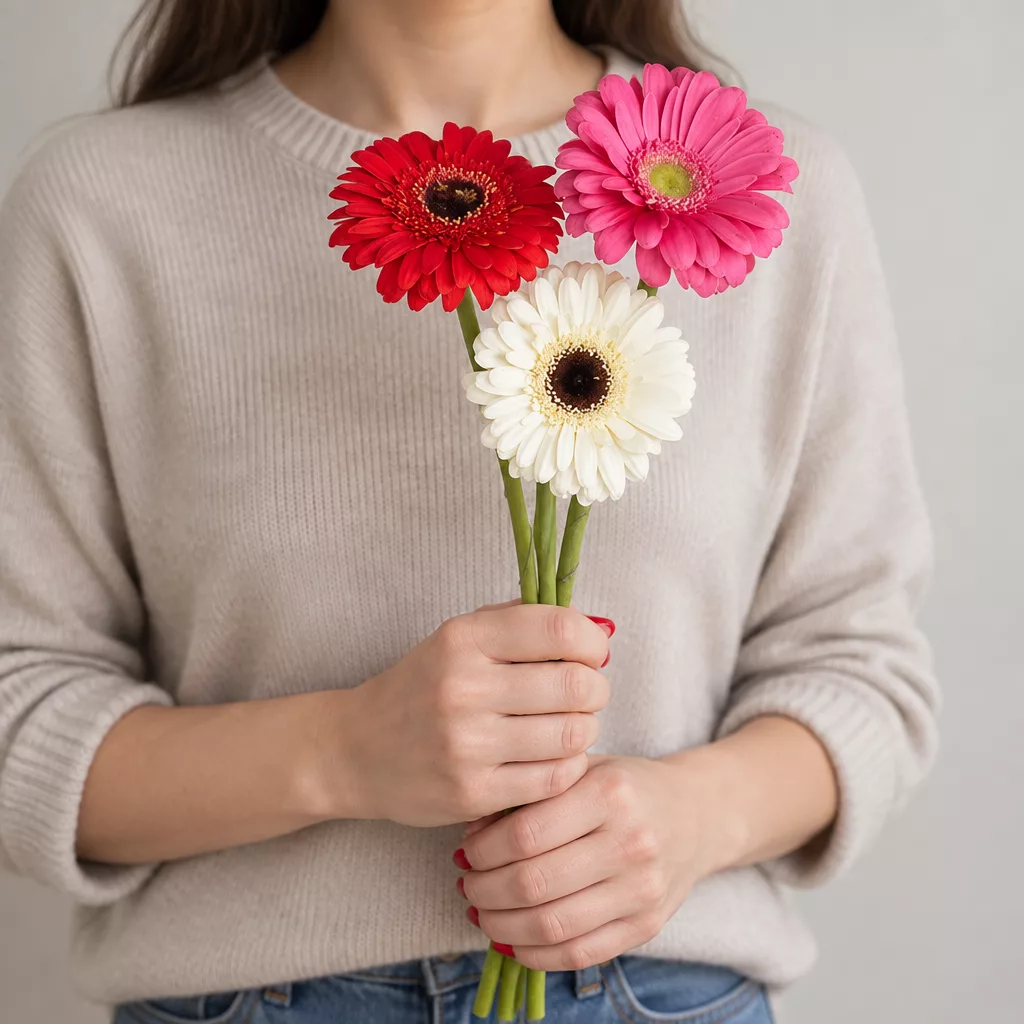

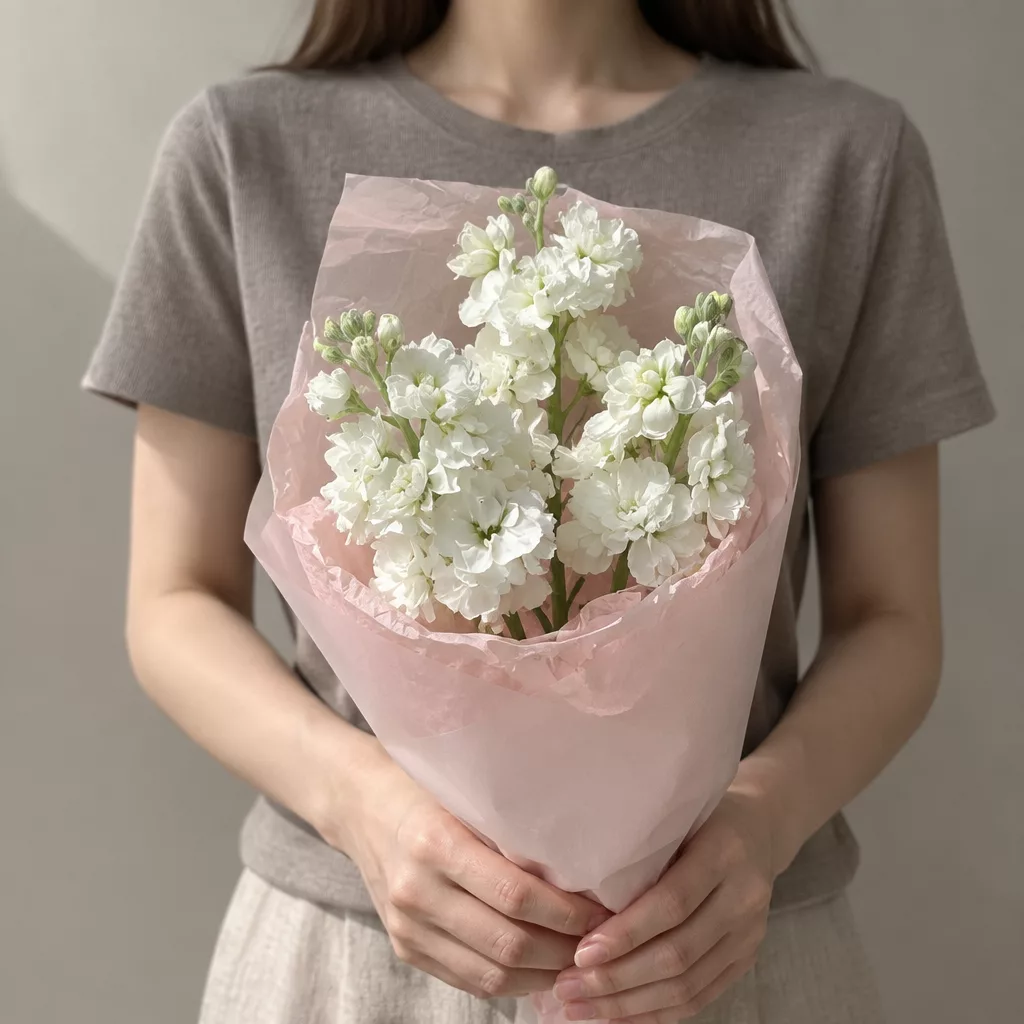
The Odd Number Rule and Why It Is Non-Negotiable
The single most important rule in Russian flower etiquette is this: always bring an odd number of stems. One, three, five, seven, nine — any of these is correct. An even number of flowers, such as six roses or ten tulips, is associated with mourning and funerals. Even if your bouquet is bright red and wrapped in cheerful paper, an even count will register immediately with any Russian guest or host, and it will create discomfort.
This rule applies regardless of the flower type, the occasion, or the budget. A bouquet of three large peonies is perfectly appropriate. A generous arrangement of eleven stems is festive. The number itself carries the message before anyone even looks at the varieties inside.
In practice, the easiest way to stay safe is to think in odd numbers from the very beginning. When you order, say specifically: seven roses, or five stems of lisianthus and four stems of greenery — wait, that is nine total, which works perfectly. Count everything that goes into the bouquet, including filler flowers and decorative branches, because a Russian host may count too, consciously or not. At Turboflora, every bouquet assembled for home visits is checked against this rule before it leaves our hands. If you are ordering remotely and unsure, simply note in your order that the bouquet is for a home visit in Russia, and we will ensure the count is correct. This one detail matters more than the variety, the wrapping, or the ribbon.
Colours That Welcome and Colours to Avoid
Colour in a Russian bouquet is read as a message, and the messages are fairly consistent across the country. Warm tones — red, coral, orange, deep pink, sunny yellow — read as celebratory and generous. A bouquet of red roses remains one of the most universally appreciated gifts in Russia, understood as both respectful and warm. Peach and blush tones work beautifully for older hosts or more formal households. Bright yellow sunflowers or yellow spray roses carry a cheerful, summery energy that most families welcome.
White flowers require more thought. In isolation, a pure white bouquet can feel funereal in a Russian context, particularly white chrysanthemums, which are strongly associated with mourning. However, white flowers used as accents within a mixed arrangement — white gypsophila alongside pink roses, for example, or white lisianthus combined with lavender and greenery — are completely appropriate and often elegant. The key is that white should not dominate.
Pure yellow in certain older traditions was associated with separation or jealousy, though this interpretation is far less common among younger Russians today. If you are visiting an older, more traditional household, mixing yellow with orange or red removes any ambiguity. Blue and purple flowers — delphiniums, irises, lavender-toned roses — are unusual enough to feel distinctive and are generally received positively. Avoid anything that looks dried, faded, or wintry in tone when the occasion calls for warmth. The overall impression of the bouquet should feel alive and generous.
Choosing the Right Flowers for the Occasion and the Person
A birthday calls for something more exuberant than a quiet Tuesday dinner invitation. For a birthday, lean toward roses, peonies when in season, or a mixed bouquet with bold colour and visible volume. The host should feel celebrated, and the flowers should look like they were chosen specifically for a festive moment. Lush, full-headed flowers — garden roses, ranunculus, hydrangea — add a sense of generosity even in a smaller bunch.
For a general home visit or a dinner where no specific occasion is being marked, something slightly softer works well. A bouquet of five or seven tulips in spring, a mixed arrangement of freesia and spray roses, or a simple gathering of seasonal stems feels thoughtful without being theatrical. Freesia in particular is beloved in Russia for its fragrance — it fills a room within hours and reminds people of the gift long after the evening ends.
If you know the host well enough to know her preferences, use that knowledge. A woman who keeps a very modern interior might appreciate the clean lines of calla lilies or anthuriums. A host with a traditional dacha-style home might love a garden-inspired mix of chamomile-like flowers, larkspur, and greenery. When you are genuinely uncertain, roses in a warm tone — red, coral, or deep pink — remain the safest and most warmly received choice across every age group and household style in Russia. Ask our team at Turboflora if you want help matching a bouquet to what you know about the person.
Bouquet Size, Presentation, and What to Say When You Hand It Over
Size matters in a specific way: the bouquet should look like a considered gift, not an afterthought. A single stem, however beautiful, can feel sparse in this context unless it is an exceptionally large and dramatic flower such as a king protea or a full-headed garden rose. Three to seven stems is the comfortable range for most home visits. For a significant birthday or a first visit to a family you want to impress, nine or eleven stems signals genuine generosity.
Presentation in Russia traditionally means wrapped flowers — paper, not bare stems handed over like a bunch of produce. A kraft paper wrap with a ribbon, or a tissue and cellophane combination, both read as properly prepared. Turboflora wraps every bouquet before delivery, so if the flowers are arriving by courier, they will already be presentation-ready.
When you hand the bouquet over, do it at the door, as you arrive — not mid-evening, not after dinner. Handing flowers to the host at the threshold is the expected moment, and waiting until later can feel odd. A simple phrase in Russian is always appreciated: pozdravlyayu, meaning congratulations, or eto vam, meaning this is for you. You do not need to make a speech. A warm smile and the flowers themselves carry the message. If you are a foreign guest, the effort of even a single Russian phrase will land with warmth and will be remembered.
Timing Your Order So the Flowers Arrive Fresh
Flowers for a home visit should be as fresh as possible, which means ordering close to the time of the visit rather than the day before. A bouquet that has been sitting in a warm apartment for eighteen hours before you walk through someone's door will look noticeably tired — soft petals, drooping heads, water-stained stems. The host will put them in a vase and they may last only another day. That is not the impression you want to leave.
If you are ordering for delivery to your own address before heading to the visit, plan for the flowers to arrive no more than two to three hours before you leave. Keep them in a cool room, away from direct sunlight and away from fruit — ethylene gas from ripening fruit accelerates petal drop in roses and tulips noticeably. Do not place them near a radiator or heating vent, which are common in Russian apartments during winter months.
If you are ordering direct delivery to the host's address as a surprise before you arrive, time the delivery for thirty to sixty minutes before the gathering begins. This gives the host time to find a vase and arrange the flowers before guests arrive, which she will appreciate. Turboflora delivers across Saint Petersburg and to cities across Russia within one to two hours, so same-day ordering is not only possible — it is how most of our home-visit bouquets are sent. Fresh flowers, timed well, are dramatically more impressive than expensive flowers ordered too early.
Helping the Host Keep the Flowers Beautiful Longer
If you want to be genuinely helpful, you can mention a few care tips when you hand over the bouquet — or include a small handwritten note with the delivery. Most hosts know the basics, but a thoughtful reminder is always welcome and positions you as someone who genuinely cared about the gift.
Roses and tulips last longest when stems are cut at an angle under running water before being placed in a vase — this prevents an air bubble from blocking water uptake. The vase water should be changed every two days, and the stems trimmed slightly each time. Keeping the arrangement away from direct sunlight and from heating sources extends vase life significantly. In a well-maintained Russian apartment in winter, where central heating can be intense, placing the vase in the coolest room overnight makes a real difference.
Different flowers have different natural vase lives. Tulips in cool conditions can last seven to ten days. Roses, depending on the variety and how fresh they were at the time of purchase, typically last five to eight days. Freesia is shorter — three to five days — but the fragrance it gives during that time is exceptional. Lisianthus and spray chrysanthemums are among the longest-lasting cut flowers, often going ten to fourteen days in clean water. Knowing this can help you choose: if your host travels frequently or lives alone and may not check the vase daily, a bouquet built around lisianthus or alstroemeria will reward her with colour for longer than a purely rose-based arrangement.
Bringing flowers to a Russian home is one of the most straightforward ways to show genuine respect for your host, and the customs are easy to follow once you know them. Odd number of stems, warm living colours, fresh condition, presented at the door — these four principles will take you through almost every situation you are likely to encounter. The specific variety matters less than the thought and the freshness behind the choice. When in doubt, a bouquet of seven coral or red roses, wrapped well and delivered on the day of the visit, will never disappoint. Russian hospitality is generous and warm, and arriving with flowers that follow the local customs is the clearest possible signal that you are ready to meet that generosity in kind.
Frequently asked questions
Can I bring an even number of flowers if the bouquet looks very festive?
No — the number of stems matters more than the overall look of the arrangement. Even if the bouquet is bright, expensive, and beautifully wrapped, an even count is associated with mourning in Russian tradition and will be noticed immediately. Always count every stem, including filler flowers, and keep the total odd.
Are white flowers completely off-limits for a Russian home visit?
Not completely. White flowers used as accents within a mixed, colourful arrangement are perfectly appropriate and often elegant. The problem arises with an entirely white bouquet, particularly white chrysanthemums, which carry strong associations with funerals. Mix white blooms with pink, coral, or lavender tones and the arrangement reads as celebratory rather than solemn.
Is it appropriate to send flowers directly to the host's address before arriving?
Yes, and many guests do this — it gives the host time to arrange the flowers before the gathering begins. Time the delivery for thirty to sixty minutes before guests are expected to arrive. Include a short personal note with the bouquet so the host knows immediately who sent them and feels the gesture is personal rather than anonymous.
What if I am visiting a Russian family for the first time and do not know the host's taste?
When you know nothing specific about the person, roses in a warm tone — red, coral, or deep pink — are the most universally safe and appreciated choice in Russia across all ages and household styles. A bouquet of seven roses in one of these colours, wrapped neatly, will be received warmly in almost any household you are likely to visit.
Does the type of occasion change what flowers I should bring?
Yes. A birthday calls for something visibly festive — full-headed flowers, strong colour, generous volume. A casual dinner invitation can be softer: tulips, freesia, or a simple mixed seasonal bouquet. A name day, which is celebrated seriously in many Russian families, sits closer to a birthday in terms of expected gesture. When in doubt, err toward more rather than less.
Ready to send flowers?
Pick the city, choose the bouquet, and a local florist takes it from there.
Choose a city →