Defender of the Fatherland Day: Can You Send Flowers on February 23?
February 23 sits in an interesting place in the Russian calendar — it is a national holiday honouring men, yet most people reach for socks, whisky or a toolkit when choosing a gift. Flowers rarely come to mind first. But ask any florist who has worked through a few of these days and you will hear the same thing: a well-chosen bouquet lands beautifully when the rest of the table is covered in practical presents. The question is not really whether flowers are appropriate. The question is which flowers, and how you frame them.
What Defender of the Fatherland Day Actually Celebrates
February 23 began as Red Army Day in 1918 and evolved over the Soviet era into a broader celebration of military service. Today it is a public holiday across Russia that honours all men, whether or not they have served in the armed forces. Most offices, schools and families mark it in some way, and men typically receive small gifts from colleagues, wives, mothers and children.
The holiday carries a tone of respect and gratitude rather than romance. That distinction matters when you are choosing a gift. A birthday bouquet is about the person; a February 23 bouquet is about acknowledging something the man represents — steadiness, reliability, a kind of quiet strength. If you keep that feeling in mind, the flowers almost choose themselves.
In practical terms the day falls on a Saturday in some years and a Monday in others, which shifts when people celebrate. Many workplaces hold small gatherings on the last working day before the 23rd, so demand for gifts often peaks a day or two early. If you are ordering delivery for the actual date, placing your order the evening before gives the freshest result and avoids the morning rush that hits florists across Saint Petersburg and every other city on the holiday itself.
Bouquets we can deliver

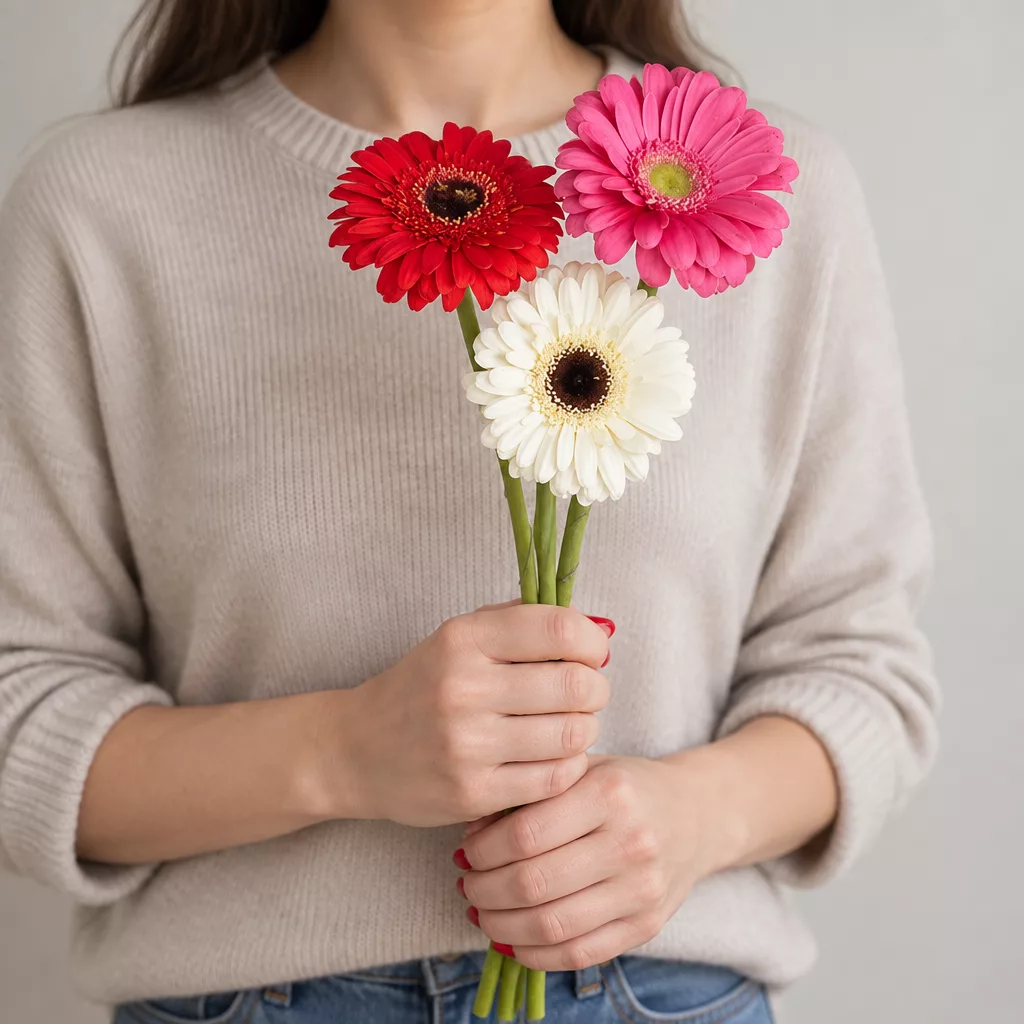

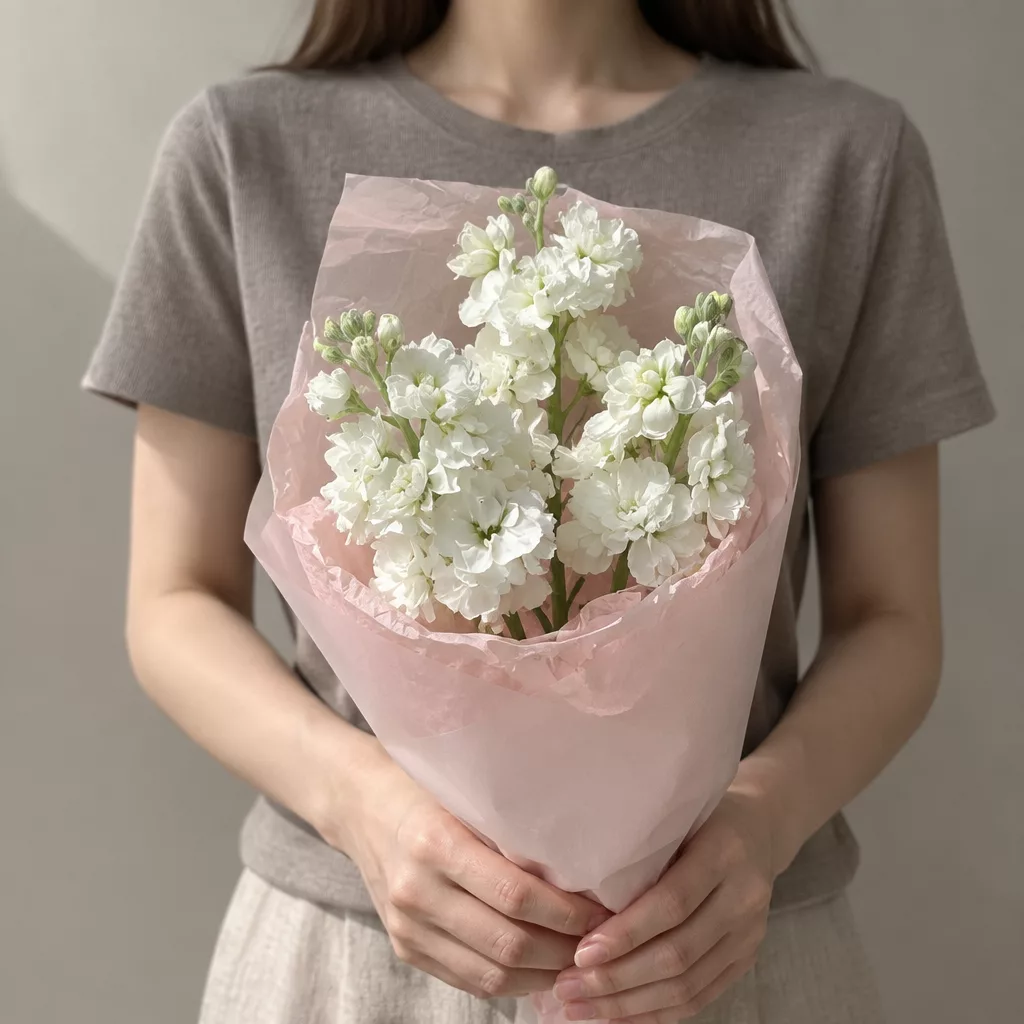
Are Flowers a Normal Gift for Men in Russia on This Day?
Flowers for men are less common in Russia than in many Western European countries, but they are far from unusual. The tradition exists and is growing, particularly among younger generations and in larger cities. A single stem or a compact arrangement on a desk is a familiar sight in offices on February 23, and nobody raises an eyebrow.
The key is reading your recipient. A man who appreciates aesthetics, keeps plants at home, or has received flowers before will likely enjoy a bouquet. A man who has never been given one might need a moment to process the gesture, but that moment usually ends with genuine pleasure — people are rarely unhappy to be remembered thoughtfully.
What tends to feel wrong is a soft, romantic arrangement that belongs on Valentine's Day. Pastel peonies and blush roses send a different message than the occasion calls for. The goal is something that feels considered and slightly unconventional without being theatrical. Think of it as the floral equivalent of a well-chosen book: it says you paid attention to who he is, not just that you needed to bring something. When the bouquet arrives and it looks nothing like what everyone else brought, that is usually the moment it makes the strongest impression.
Which Flowers Actually Work for February 23
The varieties that read as masculine on this day tend to share a few qualities: strong stems, clear colour, and a shape that is architectural rather than frothy. Anthuriums in deep red or near-black are a strong choice — the waxy spathe looks deliberate and modern, and they last two weeks in a vase without much attention. Proteas, particularly king proteas, have a structural drama that suits the occasion and holds up well even in centrally heated apartments.
Tulips work when they are chosen in saturated colours: burgundy, deep violet, near-black varieties like Queen of Night. Avoid pale or multicoloured mixes. Irises in purple or blue carry a classic dignity and are widely available in February. Chrysanthemums in bronze or rust tones photograph well and stay fresh for ten days or more, which matters when a man is unlikely to change the water daily.
For a single-stem gesture, a large sunflower or a branch of pussy willow — which is seasonally appropriate in late February — can feel more personal than a standard arrangement. Eucalyptus as a supporting element adds scent and texture without sweetening the overall mood. Avoid lilies with heavy perfume if the bouquet is going to a workplace; the scent fills a room and not everyone welcomes it. Stick to varieties that look confident rather than delicate, and the composition will feel right for the day.
Choosing by Budget: From a Single Stem to a Full Arrangement
A modest but considered gift can be a single large anthurium stem wrapped in kraft paper with a short note. It costs little, takes seconds to unwrap, and sits on a desk without needing a vase. The gesture is in the specificity of the choice, not the volume of flowers.
A step up is a compact mono-bouquet: five or seven stems of the same variety, tightly gathered. Seven dark tulips or five deep-purple irises make a stronger visual impression than a mixed arrangement of the same size, because the repetition reads as intentional. These fit easily into a tote bag and are simple to carry on public transport, which matters if the recipient is collecting the order.
For a fuller arrangement, combining protea with eucalyptus branches and two or three anthuriums gives weight and longevity. Adding dried elements — bleached cotton stems, preserved fern — means the bouquet keeps its shape even after the fresh flowers fade, which appeals to men who are unlikely to replace stems as they wilt.
If the bouquet is going to a group of colleagues rather than one person, a low, wide arrangement in a ceramic pot that can stay on a shared table works better than a tall vase bouquet that needs to be claimed by someone. Whatever the budget, the presentation should feel purposeful. Loose cellophane and a generic ribbon undercut even the best flowers. Kraft paper, a simple linen ribbon, and a short card with a direct message make the difference.
What Else Men Typically Receive on February 23
Knowing the broader gift landscape helps you decide whether flowers stand alone or work better paired with something else. The most common February 23 gifts in Russia are practical: grooming sets, quality socks and gloves, small tools, car accessories, and bottles of good cognac or whisky. Chocolate is popular for workplace gifts because it is easy to share. Books, especially history or biography, appear often as more personal choices.
Food gifts have grown in popularity — a box of aged cheese, smoked fish, or a selection of craft snacks. These pair naturally with flowers because they occupy different sensory territory: one is for looking at and one is for eating, and together they feel like a proper celebration rather than a single transaction.
Flowers alongside a small bottle of something — even a miniature — shift the bouquet from a standalone gesture into part of a moment. The man opens the door, sees flowers and a drink, and understands that someone planned this. That combination is harder to forget than either gift on its own.
For children giving something to a father or grandfather, a small plant in a pot is often more welcome than a cut bouquet, because it asks nothing of the recipient in terms of care beyond occasional watering. Succulents and small cacti are seasonally sold everywhere in February and require almost no attention, which makes them genuinely practical gifts rather than sentimental ones that wilt by the weekend.
Delivery Timing and What February Cold Does to Flowers
Saint Petersburg in late February averages around minus five to minus ten degrees Celsius, and even cities further south see temperatures that stress cut flowers during transit. This is not a reason to avoid sending flowers — it is a reason to order from a florist who handles cold-weather delivery properly.
Flowers that travel in the cold need to be wrapped in insulating paper, not left exposed in a standard sleeve. The real danger is not the cold itself but the transition: a bouquet that goes from freezing air into a warm apartment too quickly can develop dark patches on petals, a condition called chilling injury, within hours. Anthuriums and tropical varieties are especially sensitive. Roses and chrysanthemums handle brief cold exposure better.
When your delivery arrives, unwrap the flowers immediately and let them rest at room temperature for fifteen minutes before cutting the stems and placing them in water. Do not put a cold bouquet directly onto a hot radiator shelf or near a heating vent. The adjustment period matters.
For February 23 specifically, order the evening before if you want a morning delivery. Morning slots on the holiday itself fill quickly, and a florist who is preparing orders the night before will have better access to the freshest stock. A bouquet prepared and dispatched at nine in the morning on the 23rd will be made from flowers that have been in the shop since the day before — still good, but not as crisp as one assembled from a fresh morning delivery.
Writing the Card: What to Say to a Man on This Day
The card is where most people hesitate longest. February 23 sits between the warmth of a personal message and the formality of a public holiday, and it is easy to write something that sounds like a corporate bulletin. The best cards avoid both extremes.
For a father or grandfather, something direct and specific works better than a general wish. Mention one quality you actually admire — his patience, his sense of direction, the way he fixes things without being asked. One honest sentence outweighs three lines of standard congratulations.
For a partner or husband, the tone can be warmer but should still acknowledge the occasion rather than sliding into a birthday message. Something like: thank you for being the kind of person this day is meant for. That is enough.
For a male colleague, keep it light and brief. A line that acknowledges the shared context of work — something about getting through another year side by side — lands better than a formal congratulation. Humour is welcome here if it fits your relationship.
Avoid phrases that feel copied from a template: wishing you health, happiness and prosperity covers nothing specific and says nothing about the person. The card should make the recipient feel seen, not processed. If you are genuinely unsure what to write, a single line that is true is always better than four lines that are polished. The flowers are already doing most of the work — the card just needs to confirm that a real person sent them.
Flowers on February 23 are not a strange choice — they are an unexpected one, and that is exactly what makes them work. Most men on this day receive something practical and forgettable. A bouquet of dark anthuriums or deep-violet irises, wrapped well and delivered on time, arrives in a different category entirely. It says that someone thought about the person rather than the occasion. Pair it with a short, honest card and something to drink, and you have a gift that will be remembered past the weekend. Order the evening before, choose varieties that hold in the cold, and let the florist handle the rest.
Frequently asked questions
Is it socially acceptable to give flowers to a man in Russia?
Yes, and it is becoming more common, especially in cities. The gesture is unusual enough to stand out but not so unconventional that it causes discomfort. The key is choosing varieties that feel considered rather than romantic — dark tulips, anthuriums or irises read very differently from a pastel rose bouquet.
What flowers should I avoid for a February 23 bouquet?
Avoid pale pinks, blush roses and anything that reads as a Valentine's arrangement. Heavily perfumed lilies are a poor choice for offices. Loosely arranged wildflower mixes can feel too casual for the occasion. Stick to saturated colours and strong, clean shapes — the bouquet should look deliberate, not decorative.
Can flowers survive delivery in the Russian winter cold?
Yes, when handled correctly. Proper insulating wrap during transit is essential, and the recipient should unwrap the bouquet and let it adjust to room temperature before putting it in water. Avoid placing cold flowers near a radiator immediately. Roses and chrysanthemums tolerate brief cold exposure better than tropical varieties like anthuriums.
When should I order for February 23 delivery?
Order the evening of February 22 if you want a morning delivery on the holiday. Morning slots on the 23rd fill quickly, and flowers prepared from a fresh early delivery will be noticeably crisper. Last-minute same-day orders are possible, but earlier is always better for quality and timing.
Do flowers work as a standalone gift or should I combine them with something?
Both work, but a combination is often more memorable. Flowers paired with a small bottle of cognac or whisky, a box of good chocolate, or a selection of snacks feel like a planned celebration rather than a single item. The bouquet provides the visual moment; the second gift gives the recipient something to enjoy over the following days.
Ready to send flowers?
Pick the city, choose the bouquet, and a local florist takes it from there.
Choose a city →