Flowers for a Russian Grandmother: What to Send and When
There is a particular kind of joy that crosses a grandmother's face when flowers arrive at her door — not just any flowers, but the right ones. Russian grandmothers, or babushki as they are warmly called, often have strong feelings about blooms: they grew up with dahlias in kitchen gardens, received carnations at Soviet celebrations, and pressed violets between book pages. Getting the choice right means understanding a little of that history, reading the season honestly, and thinking about what she will feel when she unwraps the bouquet on her kitchen table.
Why Flower Traditions Matter for Older Russian Women
In Russia, flowers carry a weight of memory that goes beyond decoration. For women who came of age in the Soviet era, certain blooms are deeply tied to celebration, respect, and affection. Gladioli meant a school teacher being honored on Knowledge Day. Red carnations appeared at state holidays. A bunch of mimosa on March 8th — International Women's Day — was as expected as a greeting card. Ignoring these associations is not a mistake exactly, but honoring them creates an instant emotional connection that a trendy tropical arrangement simply cannot replicate.
This does not mean you are limited to the past. Many grandmothers delight in peonies, garden roses, and freesias, especially when presented with care. The key is understanding that older Russian women often value abundance and fragrance over minimalist styling. A bouquet that looks full, smells real, and uses colors they recognize — warm pinks, soft yellows, creamy whites, rich reds — will feel like a genuine gesture rather than a fashionable purchase. Think of it as speaking her language rather than yours.
Count also matters. In Russian tradition, even numbers of flowers are associated with mourning, so any bouquet you send should contain an odd number of stems — five, seven, nine, eleven, and so on. This is not superstition to dismiss; it is a cultural courtesy that she will notice immediately. A florist who counts carefully is a florist who understands the occasion.
Bouquets we can deliver



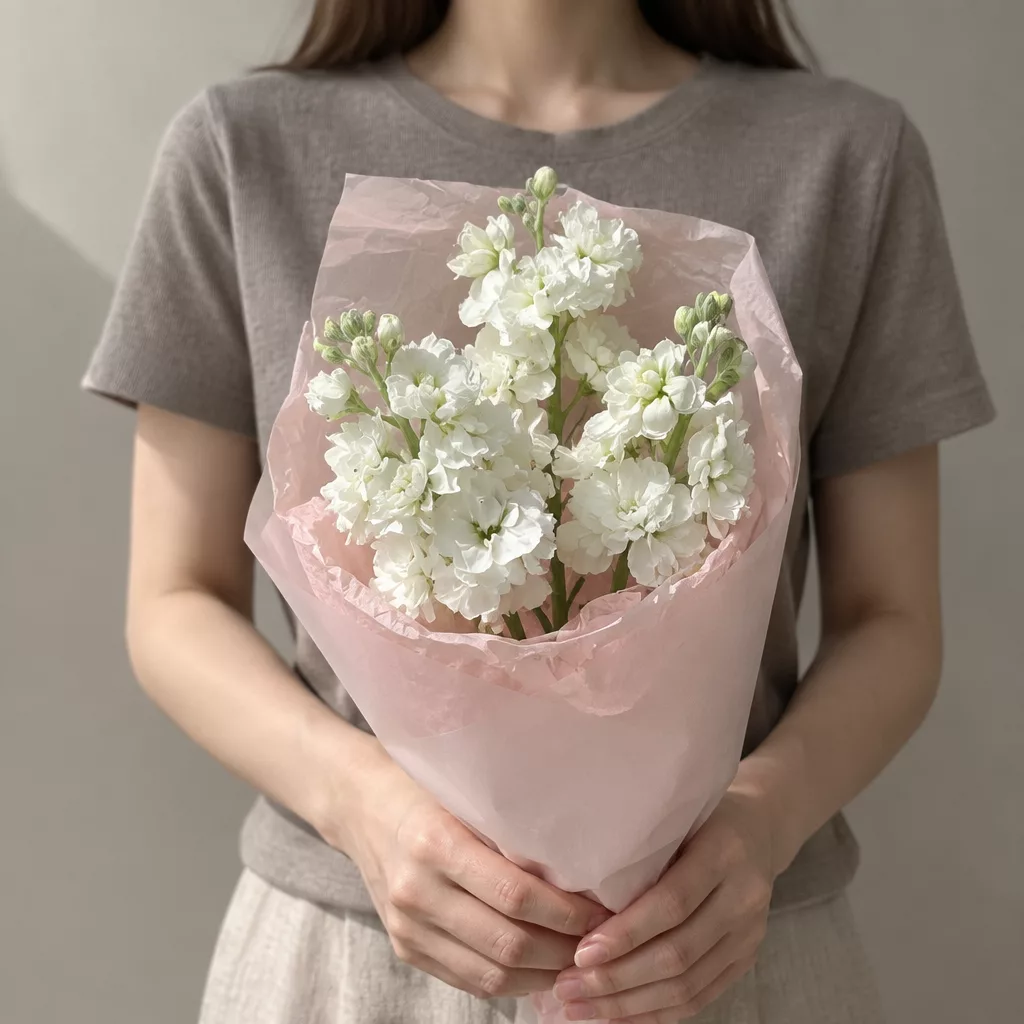
Spring Choices: Mimosa, Tulips, and the First Warm Blooms
Spring in Russia begins emotionally before it begins meteorologically. By late February, even when Saint Petersburg is still cold and grey, mimosa branches appear in markets and shops because March 8th — International Women's Day — is the single most important flower-giving occasion of the Russian calendar. For a grandmother, receiving mimosa on this day is almost obligatory in the best sense. The tiny yellow clusters carry a scent that is soft and powdery, and the sight of them alone triggers decades of warm associations. Pair mimosa with white or blush tulips and you have an arrangement that feels both festive and tender.
Tulips themselves are a spring staple that Russian grandmothers genuinely love. Double tulips — varieties with layered petals resembling peonies — are particularly popular because they feel generous and full. Single-stemmed tulips work beautifully in groups of seven or nine, wrapped simply with kraft paper and a ribbon. Avoid overly dark or unusual colors like near-black or striped varieties for a grandmother's bouquet; soft pinks, creams, and pale yellows read as warm and celebratory.
By April and May, hyacinths become available and their fragrance is extraordinary indoors. A grandmother who keeps a warm apartment will appreciate hyacinths enormously — the scent fills a room within an hour. However, warn the recipient that hyacinth sap can irritate skin, so she should wear gloves when trimming stems. Narcissus varieties, particularly the multi-headed Tazetta types, also arrive in spring and carry a sweetness that older women often associate with countryside gardens.
Summer Blooms: Peonies, Garden Roses, and Dahlias
Late May through June brings peonies, and this is arguably the most beloved season for sending flowers to a Russian grandmother. Peonies are lush, fragrant, and feel genuinely special without being foreign or unfamiliar. Coral Charm, Sarah Bernhardt, and Bowl of Beauty are varieties that open beautifully indoors and hold their petals for five to seven days in a cool room. Send peonies when the buds are still slightly closed — they will open gradually, giving her days of unfolding pleasure rather than one brief show.
Garden roses — the old-fashioned, cupped varieties rather than tight hybrid tea roses — carry a fragrance that modern long-stemmed roses often lack. David Austin-style roses in soft peachy tones or warm whites are increasingly available from Russian growers in summer and make an excellent pairing with peonies or on their own. The combination of garden roses and sweet peas, when sweet peas are in season in July, creates a bouquet that smells like a summer dacha and will genuinely move an older woman who grew up with that landscape.
Dahlias arrive in August and September and deserve particular attention. Russian grandmothers often grew dahlias in their own gardens, and receiving them as a bouquet feels intimate and personal. Café au Lait is a variety with warm caramel tones that photographs beautifully but more importantly ages gracefully, lasting well in a vase. Ball dahlias in deep pink or burgundy are sturdy and full. Summer is also the time for lisianthus — sometimes called Russian rose — which offers a ruffled, romantic look at a fraction of the cost of actual roses and lasts impressively long in a vase.
Autumn Arrangements: Chrysanthemums, Asters, and Warm Tones
Autumn is chrysanthemum season in Russia, and this is where a cultural note is essential for anyone unfamiliar with local customs. In some European countries, chrysanthemums are associated primarily with mourning and cemeteries. In Russia, this association is much weaker, and large-headed chrysanthemums — particularly the spray varieties and the big cushion mums — are considered festive, celebratory, and entirely appropriate for birthdays and holidays. A Russian grandmother will not find them somber; she will find them seasonal and generous.
Spray chrysanthemums in white, soft yellow, or warm bronze make excellent bouquets because each stem carries multiple blooms and the arrangements look abundant without requiring a huge number of stems. Pair them with hypericum berries in orange or red, eucalyptus branches, or autumn leaves for a bouquet that feels genuinely tied to the season. The vase life of chrysanthemums is exceptional — often two weeks or more with fresh water and a cool room — which makes them a practical and lasting gift.
Asters are another autumn bloom that older Russian women recognize and love. Small and daisy-like, they come in violet, pink, and white, and they combine beautifully with roses or chrysanthemums to add texture and movement. September and October also bring the last dahlias of the season, so a mixed bouquet of dahlias, asters, and spray chrysanthemums in amber and burgundy tones captures autumn in Russia with real honesty. Keep autumn bouquets away from direct heat — central heating in Russian apartments starts in October and can shorten vase life dramatically if the flowers sit near a radiator.
Winter Flowers: Roses, Alstroemeria, and Festive Greenery
Winter is the most challenging season for fresh flowers in Russia, not because they are unavailable but because the journey from shop to door involves cold that can damage delicate petals. Roses are the most reliable winter choice — they travel well when properly wrapped and warm up gracefully once inside. For a grandmother in winter, choose roses in warm tones: deep red, warm pink, or a rich cream. Red roses in particular carry a meaning of deep affection and respect that she will understand intuitively, especially if the occasion is a significant birthday or New Year.
Alstroemeria is a winter workhorse that deserves more credit than it typically receives. The blooms are small and lily-like, they last up to two weeks in a vase, and they come in a wide range of colors from soft white to rich burgundy. For a grandmother who tends to keep flowers for as long as possible — and most do — alstroemeria is a genuinely thoughtful choice because it rewards her care with longevity. Pair alstroemeria with eucalyptus and white spray roses for a winter bouquet that feels clean and festive without being overly formal.
New Year, celebrated on January 1st in Russia with enormous enthusiasm, is another major flower occasion. Bouquets with white roses, silver-dusted eucalyptus, and touches of red or gold feel celebratory and appropriate. Avoid tropical flowers like anthuriums or birds of paradise for a grandmother's winter bouquet — they can feel impersonal and require careful temperature management during delivery in freezing conditions.
Choosing by Budget Without Losing the Heart of the Gift
A smaller budget does not mean a lesser gift when the choices are made thoughtfully. At a modest budget, a bouquet of seven spray chrysanthemums with eucalyptus and a few alstroemeria stems can look genuinely full and beautiful if assembled with attention to proportion. The trick is to choose one focal flower — even a single large chrysanthemum or three roses — and build around it with textural greens and smaller blooms. Presentation matters enormously: kraft paper wrapping with a simple satin ribbon looks more personal than cellophane, and older Russian women often appreciate the tactile pleasure of unwrapping something carefully tied.
At a mid-range budget, you can introduce genuine seasonal stars. In spring this means a mixed tulip and hyacinth arrangement. In summer, five or seven peonies with sweet peas or lisianthus. In autumn, dahlias with roses and asters. In winter, a dozen roses with eucalyptus and hypericum. These combinations hit a sweet spot between festive and familiar that a Russian grandmother will find entirely right.
At a higher budget, think about volume and fragrance together. A large peony bouquet in June, a mixed garden rose and dahlia arrangement in August, or an all-rose bouquet in deep red for a winter birthday — these feel like real occasions. Adding a small bunch of fragrant herbs like mint or lavender to any bouquet gives it a garden quality that older women especially appreciate. Whatever the budget, always request an odd number of stems and ask for the bouquet to be assembled with a water source at the base if it will travel more than thirty minutes.
Vase Life and Care Tips Worth Passing Along
A Russian grandmother will almost certainly want to keep her flowers as long as possible, and giving her a few simple care tips alongside the bouquet is itself a thoughtful gesture. The most important instruction is to cut the stems at an angle under running water immediately after unwrapping — not with scissors but with a sharp knife if possible, as scissors can crush the stem and reduce water uptake. Remove any leaves that would sit below the waterline, since submerged foliage rots quickly and clouds the water, shortening the life of every stem in the vase.
Water temperature matters more than most people realize. Tulips and most spring bulb flowers prefer cool water and a cool room. Roses and tropical blooms do better with room-temperature water. All flowers benefit from being kept away from direct sunlight, fruit bowls — ethylene gas from ripening fruit accelerates wilting — and radiators. In a Russian apartment where central heating runs warm from October through April, placing the vase in the coolest corner of the room, or even moving it to a cool hallway overnight, can add several days to vase life.
Change the water every two days and re-cut the stems each time. This sounds like a lot of effort but takes less than five minutes and makes a real difference. Chrysanthemums and alstroemeria are particularly forgiving — they will last well even with minimal care. Peonies and sweet peas are more demanding and prefer very fresh water and cool temperatures. If you are sending flowers to a grandmother who lives alone and may not be physically able to manage heavy vases, suggest a lower, wider vessel rather than a tall narrow one — it is easier to handle and often shows the blooms more beautifully.
Choosing flowers for a Russian grandmother is less about following a formula and more about paying attention — to the season, to her history with flowers, to the small customs that make a bouquet feel like it was chosen specifically for her. When you pick blooms that are familiar and fragrant, arrange them in warm tones, count to an odd number, and send them wrapped with care, you are not just sending flowers. You are sending a message that someone thought carefully about what would make her smile. That is the gift beneath the gift, and she will feel it the moment she opens the door.
Frequently asked questions
Is it true that you should never give an even number of flowers in Russia?
Yes, this is a widely observed custom. Even numbers of flowers are associated with mourning in Russian tradition, so bouquets for celebrations and gifts should always contain an odd number of stems — five, seven, nine, eleven, and so on. Most Russian recipients, especially older women, will notice immediately if this is not observed, so it is worth counting carefully before ordering.
Are chrysanthemums really acceptable as a gift for a Russian grandmother, or are they considered funeral flowers?
In Russia, chrysanthemums do not carry the strong funeral association they have in some Western European countries. Large-headed and spray chrysanthemums are considered festive and seasonal, especially in autumn. Russian grandmothers typically appreciate them warmly. The association to avoid is white flowers exclusively, which can feel somber in some contexts — mixing colors removes any ambiguity.
What is the most important flower occasion in Russia for older women?
International Women's Day on March 8th is the single most significant flower-giving day in Russia, celebrated with enormous enthusiasm across generations. For a grandmother, receiving flowers on this day — ideally mimosa, tulips, or a combination of both — is a deeply meaningful tradition. Missing it is noticed; honoring it creates a genuine emotional moment that she will remember well beyond the day itself.
How should flowers be cared for in a warm Russian apartment during winter?
Central heating in Russian apartments runs consistently warm from October through April, which can shorten vase life significantly. Keep flowers away from radiators and direct heat sources. Place the vase in the coolest part of the room, or move it to a cooler hallway overnight. Change the water every two days, re-cut the stems at an angle, and choose hardy varieties like alstroemeria, chrysanthemums, or roses for the best results in heated interiors.
What flower combinations work best for a grandmother's birthday in summer?
Summer birthdays are an excellent opportunity for peonies, garden roses, and dahlias, all of which are in peak season and deeply familiar to older Russian women. A combination of coral or pink peonies with cream garden roses and a few stems of lisianthus creates a bouquet that feels abundant, fragrant, and genuinely celebratory. Adding sweet peas in July gives the arrangement a dacha-garden quality that many grandmothers find especially moving.
Ready to send flowers?
Pick the city, choose the bouquet, and a local florist takes it from there.
Choose a city →