Sending Flowers for Russian Orthodox Easter: What to Know
Orthodox Easter in Russia is one of the warmest celebrations of the year — full of candlelight, painted eggs, rich bread, and genuine joy at seeing winter finally behind you. If you want to mark the occasion for someone you care about, flowers fit the spirit of the day more naturally than most people realise. This article walks you through the customs, the colours, the combinations, and the practical side of getting a bouquet to your recipient in perfect condition.
How Orthodox Easter Is Celebrated in Russia
Russian Orthodox Easter, known as Paskha, does not fall on the same date as Western Easter — it follows the Julian calendar and typically arrives one to five weeks later, landing somewhere between late April and late May. The celebration begins with a midnight church service where worshippers carry candles and greet one another with the phrase "Khristos Voskrese" — Christ is Risen — answered with "Voistinu Voskrese" — Truly He is Risen. This exchange continues as a greeting throughout the week that follows.
At home, families gather around a table loaded with kulich, a tall sweet bread glazed with white icing, and paskha, a moulded dessert made from cottage cheese. Brightly dyed eggs, called krashanky, are central to the meal and to playful cracking games among guests. The atmosphere is celebratory rather than solemn — think of it as a spring feast where people are genuinely glad to see each other.
Gifts are exchanged, though they tend to be modest and meaningful rather than elaborate. A box of chocolates, a decorative egg, a bottle of wine — and increasingly, a bouquet of flowers. The timing in late April or May means the natural world is cooperating: trees are blossoming, tulips are at their peak, and the light in Russian cities has finally returned. Flowers feel entirely at home in this context.
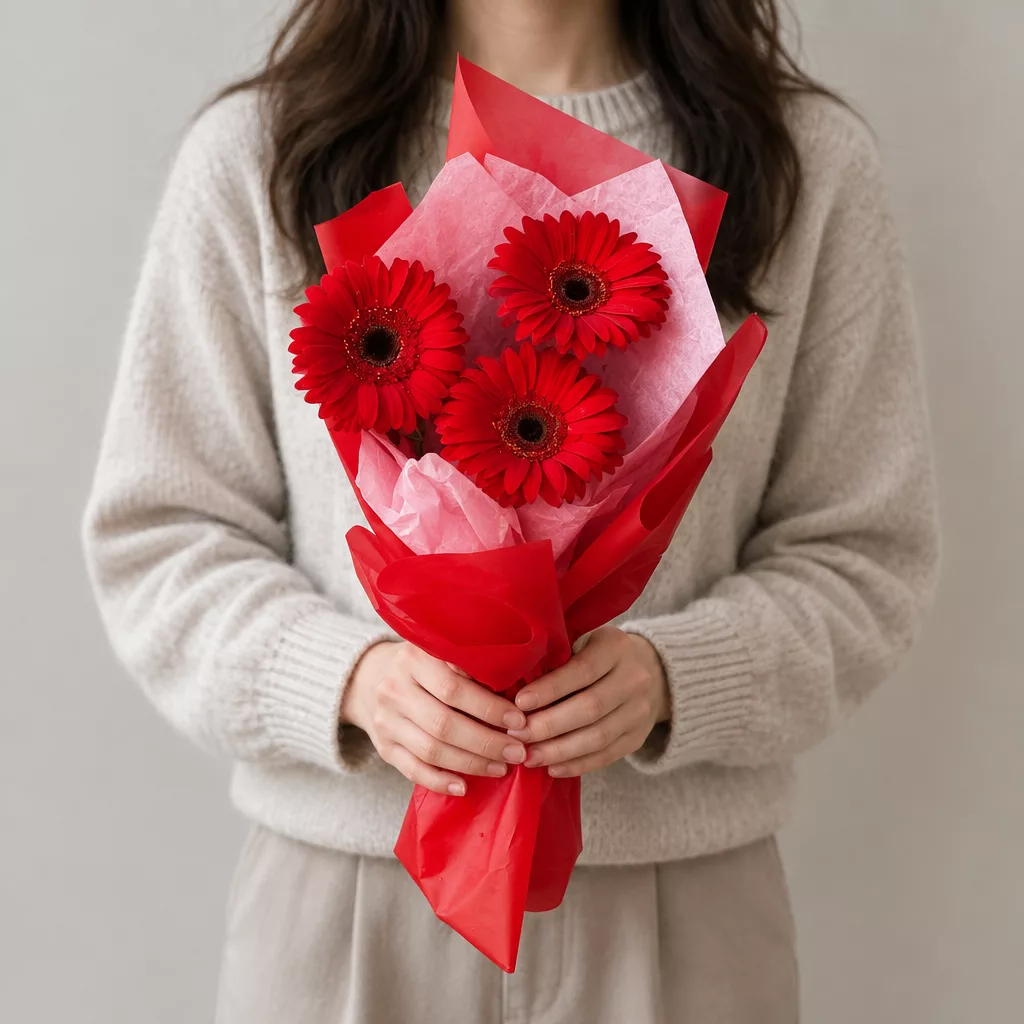
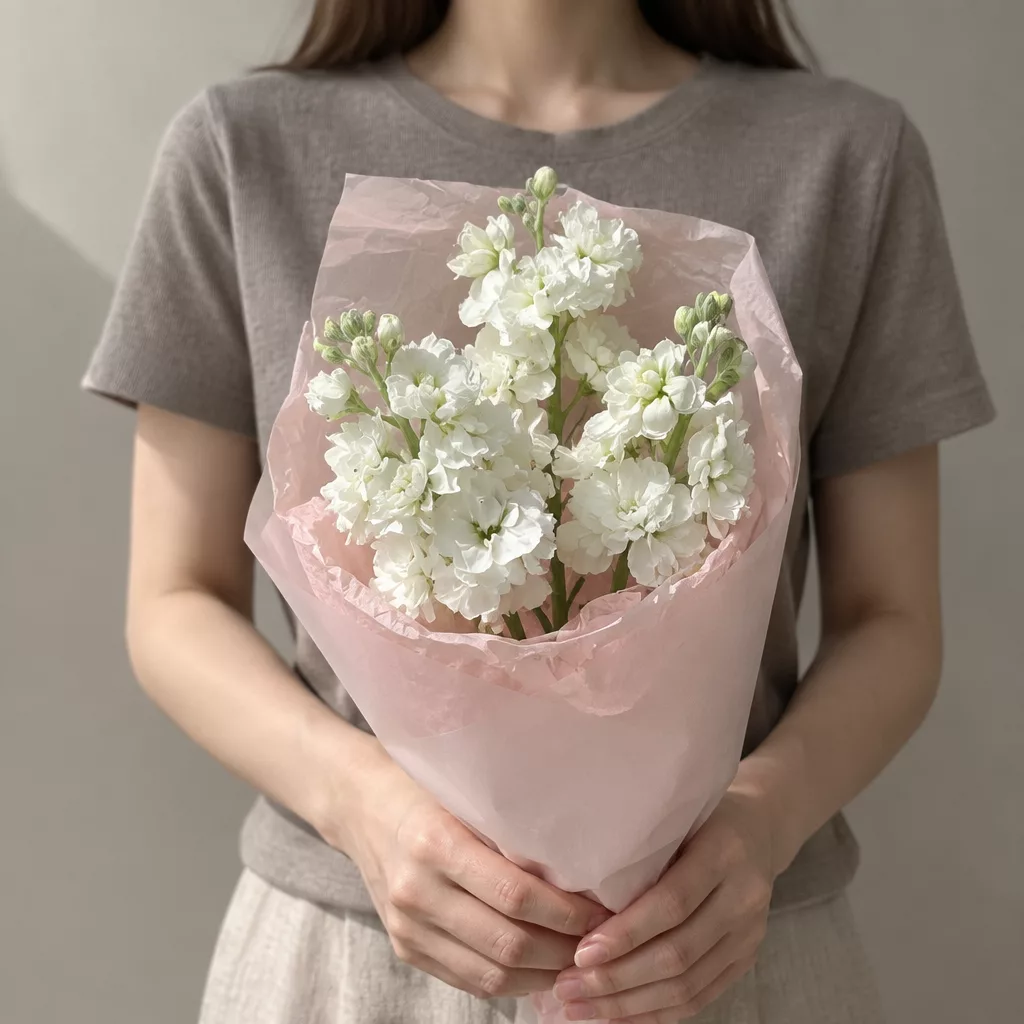
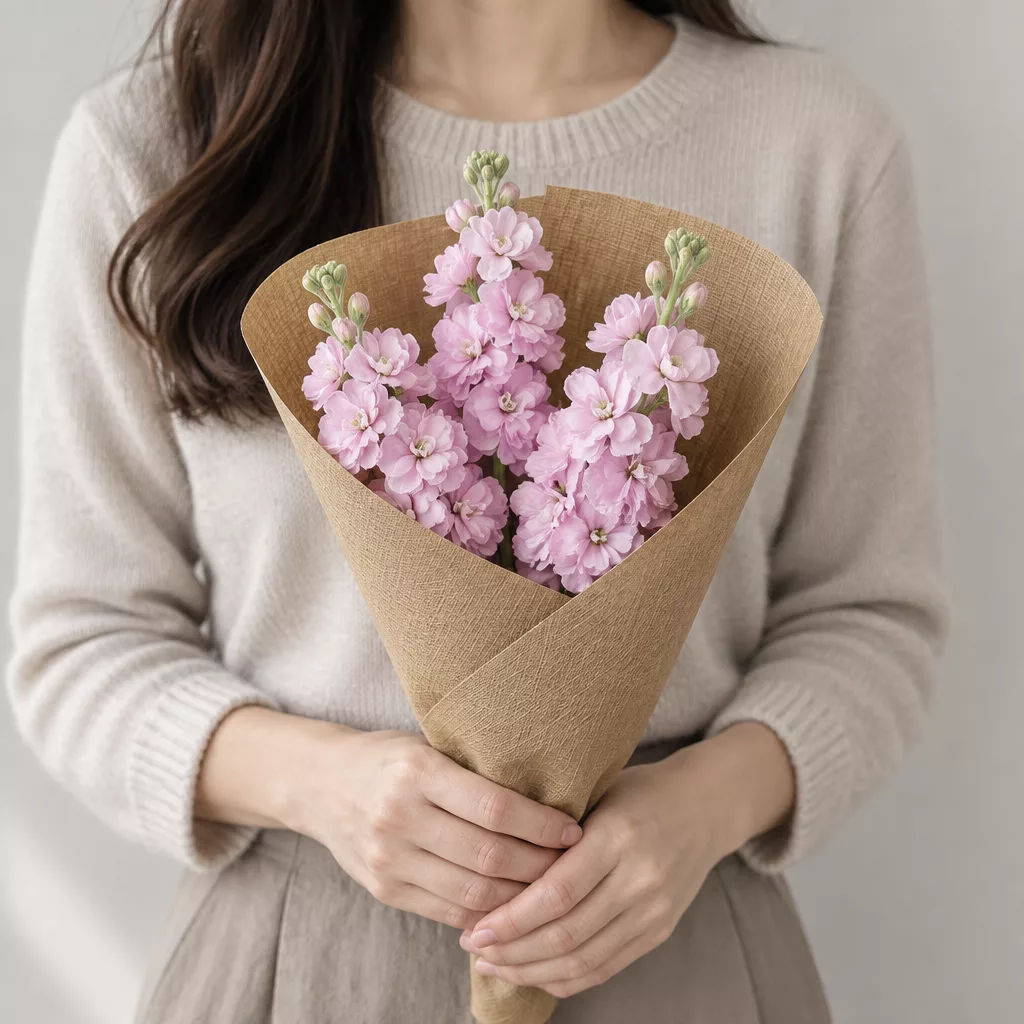
Bouquets we can deliver

Are Flowers a Customary Easter Gift in Russia?
Strictly speaking, flowers have not always been the first thing people reach for at Easter the way they might for International Women's Day or a birthday. The traditional gifts centre on food — the kulich, the painted eggs, maybe a small sweet. But customs shift, and over the past decade or so, flowers have become a genuinely accepted and appreciated Easter gesture, particularly when you are sending to a woman, a mother, a grandmother, or a close friend.
The reason flowers work so well here is symbolic rather than commercial. Easter marks resurrection and renewal, and spring flowers carry exactly that language without needing any explanation. A bunch of white tulips or a cluster of hyacinths says "spring is here, life is good" in a way that lands naturally alongside the season's religious meaning.
What you want to avoid is anything that reads as funereal — deep red carnations in isolation, lilies arranged in a stiff formal style, or an all-white arrangement without any green or colour contrast. These combinations carry associations in Russian culture that do not belong at a celebration. Bright, living, seasonal, slightly loose in arrangement — that is the direction to move in.
If you are sending to someone older or more traditional, a note acknowledging the holiday by name matters. Even a simple "Svetloy Paskhi" — Happy Easter — written on the card turns a nice bouquet into a thoughtful one. The flowers are the gesture; the greeting makes it personal.
Choosing the Right Flowers for the Occasion
Easter falls during one of the best weeks of the year for flowers. By late April, Dutch tulip imports are still excellent, local greenhouse ranunculus are at their most lush, and the first garden anemones are arriving. You have real options, and the choices you make say something about the recipient.
For someone who loves classic spring, tulips are the obvious anchor. Go for double tulips — varieties like Angelique or Peach Cobbler — rather than single-stemmed ones, because they hold their shape longer and look fuller in a vase. Pair them with white muscari or pale green viburnum for a combination that feels gathered rather than arranged.
For someone with a more sophisticated eye, ranunculus in cream, blush, or pale coral are genuinely beautiful right now and have a layered petal structure that photographs well and lasts six to eight days in a cool room. Combine them with dusty miller or eucalyptus for texture, and add two or three stems of white lisianthus to lift the whole arrangement.
Hyacinths are worth considering if the recipient lives close enough that the bouquet arrives the same day — their fragrance is extraordinary, but they are sensitive to temperature swings and do not travel as well over long distances. If you are ordering delivery across the city, they are fine. If you are sending across Russia, lean toward tulips or ranunculus instead.
Avoid roses as the centrepiece for Easter specifically. They are beautiful, but they read as a romantic or generic gift. Easter deserves something that looks like spring arrived in a vase.
Colours and Combinations That Work for Easter
The colour palette of Russian Orthodox Easter is naturally joyful — gold, white, deep red, and the bright green of new leaves. You do not need to match the church iconography literally, but letting the season guide your palette produces bouquets that feel right for the occasion without being costume-like.
White and yellow together is the most universally loved Easter combination. White tulips with yellow freesia, or cream ranunculus with pale yellow narcissus, feel genuinely spring-like and are easy to display in any home. Yellow freesia also adds fragrance without the transport sensitivity of hyacinths.
Pink and lilac combinations work beautifully for younger recipients or anyone with a lighter decorating style. Think blush double tulips with pale purple lisianthus and a few stems of white waxflower. The waxflower adds tiny detail that makes the bouquet look considered rather than thrown together.
For a more dramatic look — appropriate if you are sending to someone who loves bold colour — deep violet anemones with white ranunculus and dark green ruscus create a striking contrast that still reads as spring rather than winter. The white balances the intensity of the violet, and the ruscus keeps the whole thing grounded.
What to avoid: orange and red combinations, which can look aggressive rather than celebratory in a Russian domestic setting. Monochrome all-white arrangements, as noted earlier, carry associations better suited to other occasions. And anything with a very stiff, geometric structure — Easter calls for a slightly relaxed hand in the arrangement.
Budgeting for an Easter Bouquet: What to Expect at Each Level
Easter is not a holiday where you need to overspend to make an impression. The flowers available at this time of year are among the most naturally beautiful of the calendar, and a modest bouquet of well-chosen tulips or ranunculus will genuinely delight the recipient without requiring a lavish outlay.
At the entry level, a single-variety bouquet of fifteen double tulips in a coordinated colour — all blush, or all white with pale green edges — is clean, seasonal, and looks intentional. Wrap it in kraft paper with a simple ribbon and it arrives looking like something from a Parisian market stall. Do not underestimate this option.
In the middle range, a mixed spring bouquet becomes possible. This is where you combine ranunculus with lisianthus and a few stems of eucalyptus, or build a tulip and freesia arrangement with muscari tucked in for detail. These combinations have more visual depth and photograph well, which matters if the recipient is likely to share the moment.
At the higher end, you are looking at a larger format — more stems, more variety, possibly a ceramic or glass vase included. Peonies may be arriving in late April depending on the year, and if they are available, even three or four stems added to a ranunculus base transform the bouquet into something genuinely memorable. Ask your florist what is at its best that specific week rather than ordering from a fixed list.
In all cases, order at least one day ahead for Easter. It is a busy period, and same-day availability narrows significantly on the holiday itself.
Keeping Easter Flowers Fresh: Vase Life and Care
Easter in Russia falls at a transitional moment temperature-wise. Apartments are often still heated, sometimes quite warmly, while the air outside may still drop close to freezing at night. This contrast is the main enemy of cut flowers in late April, and managing it is simpler than most people think.
When the bouquet arrives, unwrap it immediately and cut the stems at a diagonal — about two centimetres from the bottom — using a clean sharp knife rather than scissors, which crush the stem tissue. Place the flowers in a vase with cool, clean water and a small sachet of flower food if one was included. Change the water every two days.
Keep the arrangement away from radiators and direct sun. In a Russian apartment in April, the windowsill can look like the ideal spot — bright light, slightly cool — but direct sun even through glass shortens vase life significantly. A spot on a table away from the window, where the room is bright but the flowers are not in a beam of sunlight, is better.
Tulips continue to grow after cutting — sometimes by three or four centimetres — and they bend toward light sources. Rotate the vase every day or two to keep the arrangement balanced. Ranunculus are more stable and will hold their form well in a cool room for six to eight days. Hyacinths, if included, are best enjoyed for their fragrance and should be expected to last four to five days rather than a week.
If any stem begins to wilt early, recut it and place it in fresh water separately for an hour before returning it to the arrangement. This often revives it completely.
Russian Orthodox Easter is one of those celebrations where the gesture of flowers lands exactly right — it is spring, it is joyful, and the season is offering some of its most beautiful blooms at precisely the right moment. Whether you choose a simple bunch of double tulips or a layered arrangement of ranunculus and lisianthus, what matters most is that the bouquet arrives fresh, looks alive, and comes with a note that acknowledges the day. Turboflora delivers across Russia within one to two hours, so the flowers your recipient places on their Easter table can be cut and on their way the same morning.
Frequently asked questions
Is it appropriate to send flowers for Russian Orthodox Easter?
Yes, and increasingly so. While traditional Easter gifts in Russia centre on food like kulich and painted eggs, flowers have become a warmly received gesture, especially for mothers, grandmothers, and close friends. Spring blooms feel natural alongside the season's themes of renewal. Just avoid arrangements that look overly formal or funereal — choose bright, seasonal, loosely arranged bouquets instead.
What colours are best for an Orthodox Easter bouquet?
White and yellow is the most universally appropriate combination — it reads as spring without any ambiguity. Pink and lilac works well for younger recipients. Deep violet with white is striking and still seasonal. Avoid monochrome all-white arrangements and heavy red-and-orange combinations, as these carry different associations in a Russian domestic setting and do not suit the celebratory mood of Easter.
Which flowers last longest in a warm Russian apartment during Easter?
Ranunculus are your best option for longevity — in a cool room away from direct sun and radiators, they hold well for six to eight days. Double tulips come second, lasting five to seven days if the water is changed regularly. Hyacinths are fragrant but more delicate, typically lasting four to five days. Avoid placing any Easter bouquet on a sunny windowsill, even in April.
When should I order Easter flowers to make sure they arrive on time?
Order at least one full day before Easter Sunday. The holiday is a busy period for flower delivery, and same-day options narrow considerably on the day itself. If you are sending to a recipient in another Russian city, ordering two days ahead gives the best guarantee of arrival in peak condition. Turboflora delivers across Russia within one to two hours from the moment of order.
Should I include a card message, and what should it say?
A card message makes a real difference at Easter. Even a short phrase like "Svetloy Paskhi" — which means Happy Easter — or "Khristos Voskrese" signals that the bouquet is specifically for the occasion rather than a general gift. If your recipient is older or more traditionally observant, this acknowledgement is particularly appreciated. Keep the message warm and brief — the flowers carry most of the meaning.
Ready to send flowers?
Pick the city, choose the bouquet, and a local florist takes it from there.
Choose a city →