Flowers for Your Wife in Russia: What to Send Her
You want her to open the door and feel something — not just see a bouquet, but understand immediately that you thought about her specifically. Sending flowers to a wife in Russia carries its own set of expectations, customs, and small details that can make the difference between a gift that lands and one that simply arrives. This guide walks you through every decision, from the mood you want to create to the flowers that will still look beautiful three days later.
What Russian Women Actually Expect From a Flower Delivery
In Russia, flowers are taken seriously. They are not a casual afterthought — they are read as a statement. A wife receiving a bouquet at home will notice its size, its wrapping, its scent, and whether it looks like it was assembled with care or pulled from a shelf. This matters more than it might in other countries, and it is worth understanding before you place an order.
Volume is respected. A small cluster of three stems, however elegant, tends to feel thin here. Russian floral culture leans toward generous, layered arrangements where the recipient feels genuinely celebrated. This does not mean you need to order something theatrical — it means the bouquet should have presence when she holds it.
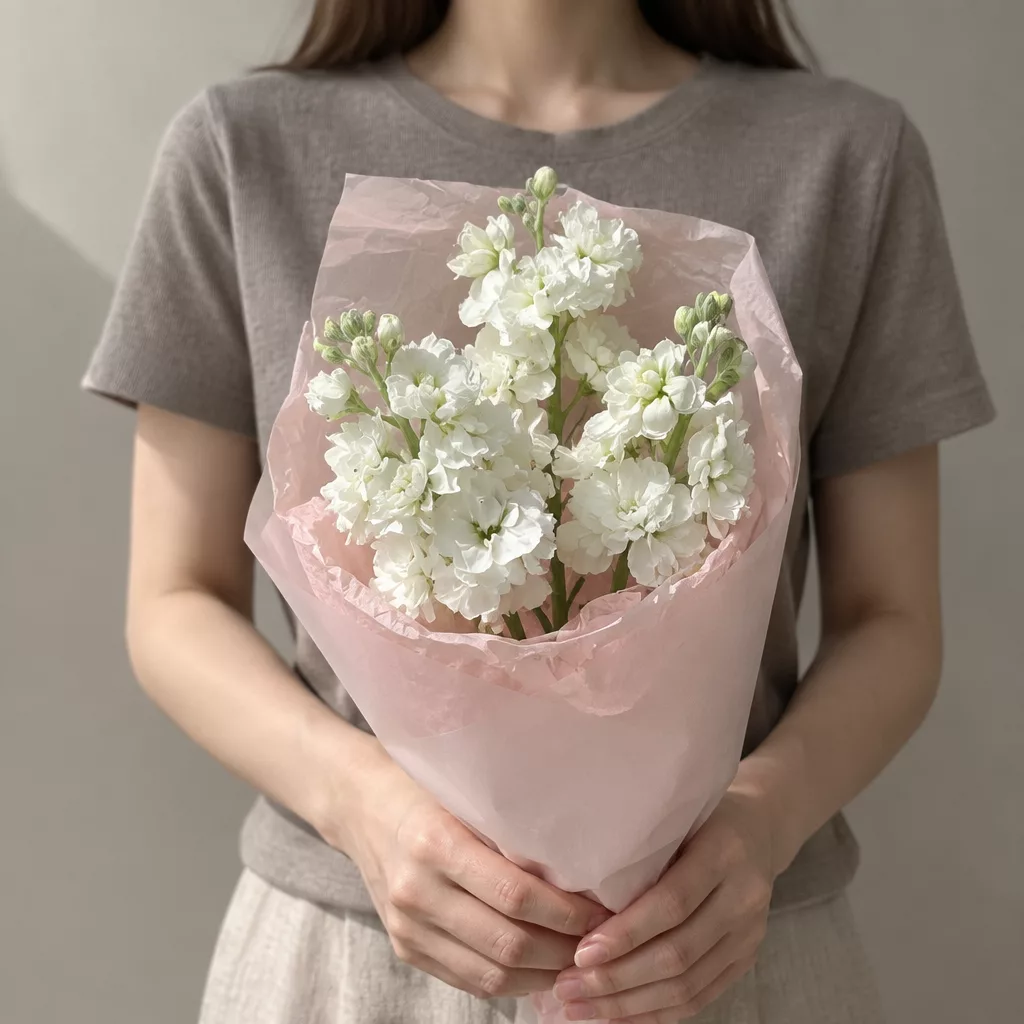
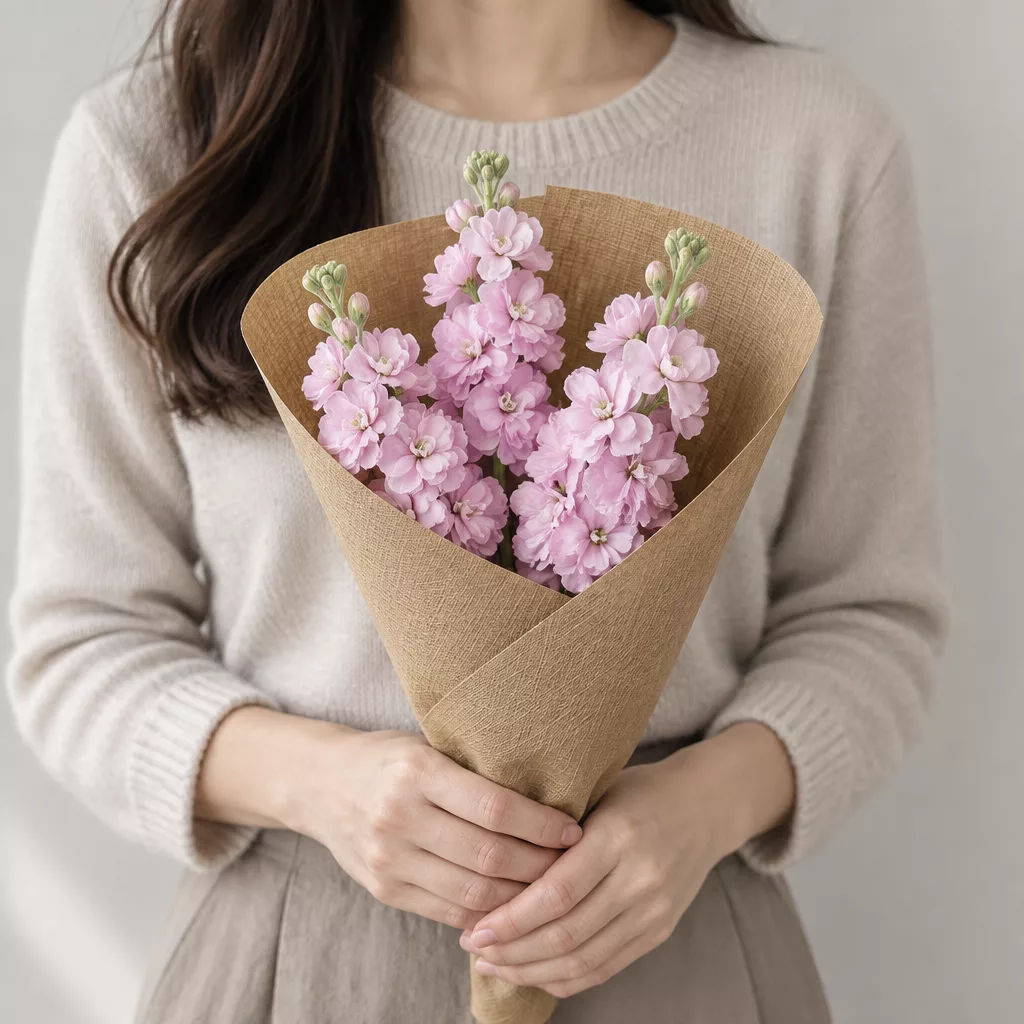
Wrapping is part of the gift. Kraft paper, soft fabric, or structured box arrangements all signal different things. Kraft suggests warmth and a handcrafted feeling. A box arrangement, where flowers sit in a low decorative container, reads as modern and luxurious. Both are appropriate for a wife; the choice depends on her personality more than any rule.
Finally, the card matters. A handwritten-style message included with the delivery is expected, not optional. Even a few honest words shift the bouquet from a transaction into a moment. If you are ordering from abroad, most services allow you to type a message that prints on a card — use that space.
Bouquets we can deliver


Choosing the Right Mood Before You Choose the Flowers
Before you think about varieties, think about what you want her to feel when the bouquet arrives. Romantic and tender are not the same thing. Celebratory and cheerful are not the same thing either. Florists work with mood first, and the flowers follow from that — not the other way around.
For deep romance, you are working with rich colors and soft textures together: deep red or burgundy roses combined with garden roses, ranunculus, or lisianthus in blush or cream. This combination reads as intimate and deliberate. It works for anniversaries, for making up after a difficult period, or simply for a Tuesday when you want her to know you are thinking about her.
For warmth and joy — a birthday, a promotion, a new home — you want brightness without harshness. Peach and coral tones in roses or peonies paired with white or soft yellow create that effect. Sunflowers, often seen as informal, actually work beautifully in mixed bouquets alongside white spray roses and eucalyptus when the proportions are right.
For elegance without sentimentality, white and green arrangements deliver. White hydrangea, white tulips, green trick dianthus, and stems of ruscus or pistache foliage create a sophisticated, almost architectural result. This suits a wife who has refined taste and might find a classic red rose arrangement too predictable.
Decide on the mood first. Then describe it to your florist, or use it as your filter when selecting from an online catalogue.
The Best Flowers to Send, and Why They Work Together
Roses remain the most reliably impressive choice for a wife in Russia, but the variety and color shift everything. Garden roses — varieties like David Austin types with layered, cupped blooms — look far more luxurious than standard spray roses and hold their shape well for five to seven days when properly cared for. Combine them with ranunculus in a complementary tone and you have a bouquet that photographs beautifully and lasts.
Peonies are deeply loved in Russia and carry strong associations with femininity and celebration. Their season runs roughly from late spring through early summer, and during that window they are an exceptional choice. Outside of that season, you will find preserved or imported peonies, which can be good quality — ask whether they arrived within the last two days before ordering.
Tulips are another culturally significant flower. In spring they are everywhere, and a large, generous bunch of single-color tulips — forty or sixty stems in white, soft pink, or deep violet — makes a striking, modern statement that many wives find more moving than a complicated mixed arrangement.
Lisianthus is underused and worth knowing. It resembles a ruffled rose but costs less and lasts longer, often eight to ten days in a vase. In lavender, white, or deep purple, it fills a bouquet with texture and softness. It pairs naturally with roses, ranunculus, and eucalyptus.
Avoid mixing too many competing flower types. Three varieties, well chosen and well proportioned, always outperform five varieties thrown together without a clear color story.
Sizing the Bouquet: What Works at Different Budgets
Size in Russian floral culture is visible generosity. A bouquet that feels substantial when she holds it — one that requires two hands and fills her arms — communicates effort and care in a way that a smaller arrangement simply does not, regardless of the flower quality inside it.
At a modest budget, the smartest move is to commit to a single flower type in quantity rather than mixing several premium varieties. Forty tulips in a single color, wrapped simply in kraft with a ribbon, make a far stronger impression than a small mixed bouquet with three roses, two ranunculus, and a stem of eucalyptus. Mono-bouquets are also a recognized and respected format in Russia — they are not seen as lazy.
At a mid-range budget, you can build a genuine mixed arrangement with a focal flower, a secondary bloom, and foliage. A classic combination: fifteen garden roses as the focal point, ranunculus and lisianthus filling the middle layers, and eucalyptus or ruscus at the edges. This gives depth, scent, and a lush visual weight without requiring an extravagant spend.
At a higher budget, consider a box arrangement or a hat-box bouquet. These are popular for wives in Russia precisely because they arrive as a complete composition — the flowers sit in floral foam inside a decorative box, require no vase, and look like something from a high-end boutique. Peonies, garden roses, and hydrangea in a matte black or blush box read as genuinely luxurious.
Whatever the budget, avoid the temptation to add filler stems just to increase visual mass. Greenery should frame and support, not pad.
Timing the Delivery and Handling the Russian Climate
Russia's climate creates real practical considerations for flower delivery that are worth understanding before you schedule an order. In winter — and Saint Petersburg winters run from November through March, sometimes into April — temperatures outside drop well below freezing. Flowers transported without proper insulation can suffer cold shock within minutes, which causes petal edges to brown and stems to weaken even if the damage is not immediately visible.
A good delivery service wraps bouquets in insulating paper or uses temperature-controlled packaging for cold-weather transit. When ordering, it is reasonable to ask how the bouquet is protected during transport in winter. If you are ordering a same-day or one-to-two-hour delivery, the transit time is short enough that good packaging is sufficient — but it must be there.
In summer, the opposite problem applies. Heat above twenty-five degrees Celsius accelerates wilting, particularly for tulips, peonies, and ranunculus, which are all sensitive to warmth. Morning deliveries are preferable in July and August, before the day reaches peak temperature. If you are ordering for an afternoon or evening in summer, choose hardier varieties: roses and lisianthus hold better in heat than the more delicate options.
For the delivery itself, coordinate with her schedule if you can do so without revealing the surprise. Flowers left outside an apartment door in winter for more than twenty minutes are at risk. A delivery that she receives directly, at the door, in real time, is the bouquet at its best — and the moment itself becomes part of the gift.
Helping Her Keep the Bouquet Beautiful Longer
A bouquet that still looks good four days later is a gift that keeps giving. Knowing the basics of vase life and passing them along — either through a note with the delivery or a quick message — shows a level of care that she will notice.
The first step happens immediately on arrival. Stems should be cut at an angle, about two centimeters from the bottom, using a sharp knife rather than scissors. Scissors crush the stem's vascular tissue; a clean angled cut maximizes water uptake. This single step makes a measurable difference to how long the flowers last.
Water temperature matters. Lukewarm water, not cold, is best for most cut flowers on the first fill. Tulips are an exception — they prefer cool water and will actually straighten and firm up when placed in a cool environment. Change the water every two days and re-cut the stems each time.
Placement in the apartment is important. Flowers should sit away from direct sunlight, radiators, and fruit bowls. Ripening fruit releases ethylene gas, which accelerates aging in cut flowers — this is not a myth, it is chemistry. A cool room, away from heat sources, extends vase life significantly.
Garden roses and lisianthus typically last seven to ten days with good care. Tulips last five to seven days. Peonies, when fresh, last five to eight days. Ranunculus is delicate and gives four to six days. If the bouquet includes mixed varieties, remove any stems that have finished before they affect the others — a single wilting stem releases compounds that speed decline in the flowers around it.
Choosing flowers for your wife in Russia is not complicated once you understand what she is actually receiving — not just a product, but a moment. The bouquet that impresses is the one that feels considered: the right mood, a generous size, varieties that work together, and delivery timed so she gets it at its freshest. You do not need to know every flower by name. You need to know her, and then describe her to your florist with honesty. The rest follows from there.
Frequently asked questions
Is it appropriate to send flowers to a wife without a specific occasion in Russia?
Absolutely, and it is often more appreciated than a holiday bouquet. In Russian culture, flowers given for no reason other than affection carry a romantic weight that scheduled gifts sometimes lack. A mid-week delivery with a personal note can be more memorable than anything sent on a predictable date. It signals that you thought of her specifically, not because the calendar told you to.
What flower colors should I avoid when sending to a wife in Russia?
Yellow flowers carry an association with separation or infidelity in Russian popular belief, though younger generations are less attached to this. It is safer to avoid all-yellow bouquets unless you know she specifically loves them. White flowers are fine in mixed arrangements but an entirely white bouquet can feel cold rather than celebratory. Rich pinks, reds, peach, coral, and lavender are all genuinely safe and well-received choices.
How many flowers should a bouquet for a wife contain?
In Russia there is a strong tradition that bouquets for living recipients should contain an odd number of stems — even numbers are associated with mourning. In practice, mixed bouquets rarely allow exact counting, and a box arrangement makes the question irrelevant. For mono-bouquets of tulips or roses, stick to odd numbers: eleven, fifteen, twenty-five, or fifty-one are all common and carry positive associations.
Can I order a bouquet for my wife in Russia if I am abroad?
Yes. You need her delivery address, a working phone number for her or someone who can coordinate the handoff, and a payment method accepted by the service. The message card is especially important when ordering from abroad — it bridges the physical distance. Write something specific to her rather than a generic phrase, and the bouquet will feel personal even though you placed the order from another country.
What is the best season to send flowers to a wife in Russia?
Every season has strong options. Spring brings tulips and the first peonies at peak quality. Summer offers the widest variety including garden roses and seasonal blooms. Autumn suits rich, warm-toned arrangements with dahlias and chrysanthemums. Winter bouquets of roses and lisianthus, delivered with proper cold-weather packaging, are deeply appreciated precisely because they arrive as something warm and vivid against the season.
Ready to send flowers?
Pick the city, choose the bouquet, and a local florist takes it from there.
Choose a city →