Flowers for a Russian Birthday: Colour and Number Rules
You want to send flowers to someone celebrating a birthday in Russia, and you want to get it right. Maybe you have heard there are rules about numbers or colours, but nobody has explained them clearly. There are indeed a few customs that matter — and once you understand them, choosing the perfect bouquet becomes straightforward rather than stressful. This is what a florist who makes these arrangements every day wants you to know.
Why Numbers Matter More Than You Might Expect
In Russia, the number of stems in a bouquet carries real meaning, and most people are aware of it whether they mention it or not. An even number of flowers — two, four, six, ten — is associated with funerals and mourning. For a birthday, you always choose an odd number: five, seven, nine, eleven, fifteen, twenty-five. This is not a vague superstition; it is a widely held social convention, and receiving an even-numbered bouquet at a celebration can cause quiet discomfort even if the recipient says nothing.
The good news is that odd numbers are easy to work with creatively. A bouquet of eleven roses has a natural fullness. Fifteen mixed stems — say, spray roses combined with lisianthus and eucalyptus — creates a generous, layered arrangement without looking sparse. Twenty-five stems is considered a grand gesture and suits milestone birthdays well.
One practical note: when you order online or by phone, always confirm the stem count with the florist. Some arrangements are priced by weight or volume, and the count can shift during assembly if a substitute flower is added. At Turboflora, we confirm the exact number before the bouquet leaves our studio, precisely because this detail matters to recipients across Russia. Getting the number right costs nothing extra and makes the whole gift land properly.
Bouquets we can deliver


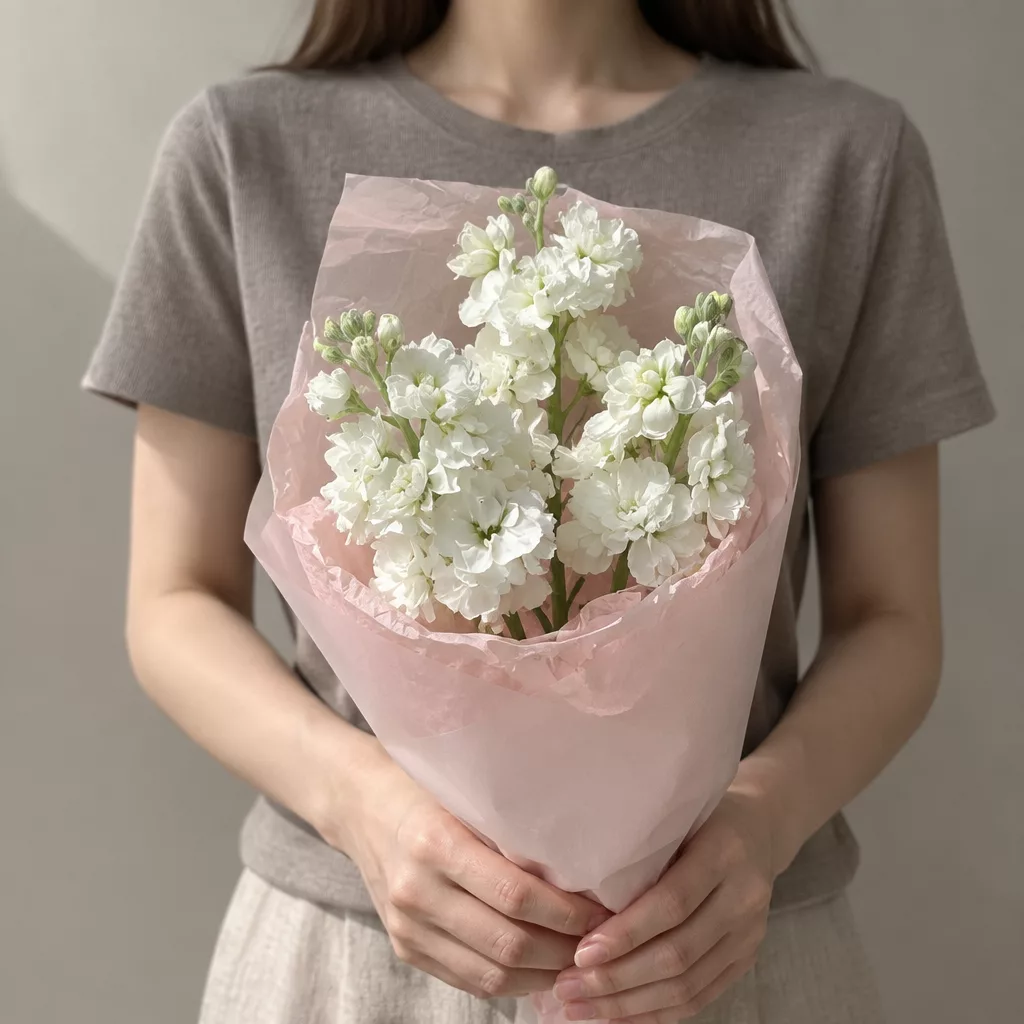
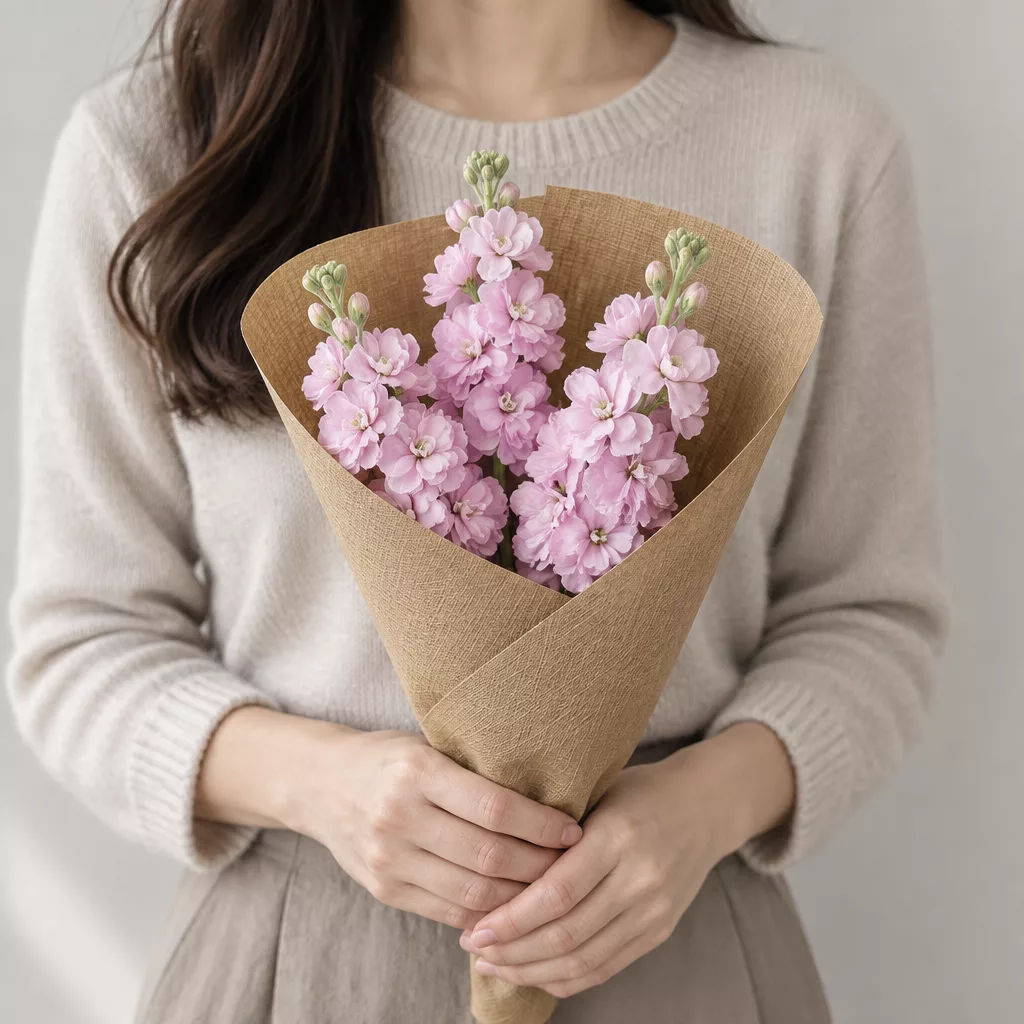
Reading the Colour: What Each Shade Communicates
Russians generally read flower colour in a fairly expressive way, and birthday bouquets tend to lean toward warmth, brightness, and celebration rather than restraint. Red roses are a classic choice for romantic partners and close family — they read as passionate and deeply felt. For a colleague, a teacher, or a friend you are not romantically involved with, a full red bouquet can feel too intense; a mix of coral, peach, and cream roses carries warmth without that romantic weight.
Yellow flowers deserve a special mention because they sometimes cause hesitation. In some parts of Eastern Europe, yellow blooms are associated with separation or ill feeling. In practice, modern Russian recipients — especially younger ones — often love yellow tulips, yellow ranunculus, and yellow freesia as cheerful birthday choices. That said, if you are unsure of the recipient's generation or sensibility, mixing yellow with white and green keeps the mood unambiguously celebratory.
White flowers are elegant and well-received, particularly white peonies, white lisianthus, and white spray roses. They work beautifully as a base that lets a single bold colour — deep burgundy, bright orange, vivid violet — become the focal point. Pink in all its shades is universally safe and appreciated: blush pink reads as tender, hot pink reads as energetic and fun. When in doubt, a bouquet built around several shades of pink with touches of white and greenery is genuinely hard to get wrong for a Russian birthday.
The Flowers That Consistently Delight Birthday Recipients
Roses remain the most requested birthday flower in Russia by a significant margin, and for good reason — they hold their shape well during delivery, they are available in dozens of varieties year-round, and they carry an immediate sense of occasion. Among rose varieties, garden-style roses such as David Austin types have grown enormously popular in recent years; their layered, cupped blooms photograph beautifully and feel more personal than a classic long-stemmed red.
Peonies are the second great favourite, though their season runs roughly from late April through June. A bouquet of nine or fifteen coral or blush peonies, wrapped simply in kraft paper with a ribbon, is one of the most-loved gifts a florist can put together. Outside peony season, ranunculus offers a similar layered, romantic look and is available through much of the year.
Tulips are strongly associated with spring celebrations and Women's Day in March, but they are genuinely appreciated as birthday flowers too — especially in single bold colours like deep purple, orange, or white. Lisianthus, sometimes called eustoma in Russian flower shops, is an excellent supporting flower: its ruffled petals add texture, it lasts well in a vase, and it blends with almost everything. Freesia brings fragrance to an arrangement in a way that few other flowers match, and many recipients specifically remember a bouquet because of how it smelled when it arrived.
Matching the Bouquet to the Person and the Relationship
The relationship between sender and recipient shapes the bouquet as much as any colour rule. For a romantic partner, you have the most freedom: deep red roses, rich burgundy dahlias in season, or an opulent arrangement of garden roses in blush and cream all read as intimate and considered. Adding a few stems of fragrant freesia or a branch of eucalyptus makes the bouquet feel crafted rather than simply ordered.
For a mother or grandmother, abundance and warmth matter most. A generous arrangement of fifteen to twenty-five stems in soft pinks, peaches, and whites — mixing roses, lisianthus, and perhaps some waxflower for texture — feels like a proper celebration rather than a token gesture. Older recipients often appreciate classic flowers over trend-driven choices, so a well-executed rose bouquet will always be more welcome than something experimental.
For a colleague or professional contact, the goal is warmth without intimacy. A mixed bouquet in cheerful colours — orange spray roses, white lisianthus, yellow freesia, and greenery — strikes the right note. Avoid anything that reads as overtly romantic. For a friend, you have room to reflect their personality: someone who loves bold colour will appreciate a vivid arrangement of sunflowers and orange roses, while someone with a quieter aesthetic might prefer a monochromatic arrangement of white and cream blooms with interesting texture. Knowing even one detail about what the recipient loves gives a florist something real to work with.
Timing, Temperature, and Getting the Flowers There in Perfect Condition
Flowers for a birthday need to arrive looking as good as they did when they left the studio. In Saint Petersburg, where Turboflora is based, temperatures vary dramatically across the year — from summer heat above 25°C to winter cold well below freezing. Both extremes affect cut flowers, and delivery logistics need to account for them.
In summer, roses and tulips are particularly vulnerable to heat. A bouquet left in a warm car for even thirty minutes can arrive with drooping heads and shortened vase life. Proper cold-chain handling — keeping flowers in temperature-controlled conditions until the moment of handoff — is what separates a professional delivery from a disappointing one. In winter, the risk is the opposite: frost damage can turn petals translucent and limp within minutes of exposure. Flowers should be wrapped in insulating packaging for cold-weather deliveries and handed over quickly.
For the recipient, the most useful thing to know is that flowers should go into water within the first hour of arrival. Cutting the stems at a 45-degree angle under running water, removing any leaves that would sit below the waterline, and using a clean vase with fresh cold water are the three steps that make the biggest difference to vase life. Roses and lisianthus typically last seven to ten days with this care. Tulips last five to seven days and continue to grow in the vase, which is worth knowing so the arrangement is placed where it has room. Peonies, once fully open, last four to six days but are spectacular while they last.
Presentation Choices That Make the Bouquet Feel Like a Gift
The wrapping and presentation of a birthday bouquet matter enormously in Russia. A beautifully arranged bunch handed over in plain cellophane feels significantly less special than the same flowers wrapped in kraft paper or textured wrapping with a ribbon and a handwritten card. This is not superficiality — it is the difference between flowers as a commodity and flowers as a genuine gift, and recipients notice it immediately.
Kraft paper wrapping has become the dominant style in Russian flower culture over the past decade, replacing the older style of transparent cellophane cones. It photographs well, it feels artisanal, and it keeps the focus on the flowers themselves rather than the packaging. A wide satin ribbon in a complementary colour — deep green with a blush bouquet, burgundy with cream roses, mustard yellow with a bright mixed arrangement — adds a finishing touch that elevates the whole thing.
A handwritten card is worth more than most senders realise. In a world of instant digital messages, a physical note that arrives with the flowers is something the recipient often keeps. Even a few words written sincerely make the bouquet feel chosen rather than ordered. When you send flowers through Turboflora, you can include a message that our team prints on a card and attaches to the bouquet before it goes out for delivery. If the birthday falls on a weekday and the recipient is at work, consider sending the flowers to their workplace — arriving with flowers in front of colleagues is a genuinely joyful moment that most people remember for a long time.
Sending birthday flowers in Russia comes down to a few things done thoughtfully: an odd number of stems, colours chosen for the relationship and the person, flower varieties that travel well and last in the vase, and presentation that signals care from the first glance. You do not need to be an expert in Russian customs to get this right — you just need to know what the customs are and why they exist. The florists at Turboflora work with these details every day, and we are happy to help you put together something that will genuinely delight whoever is celebrating.
Frequently asked questions
Is it really a problem to send an even number of flowers in Russia?
Yes, it is worth taking seriously. Even numbers are associated with mourning in Russian tradition, and many recipients are aware of this. Most will not say anything, but the association lingers. Choosing an odd number — seven, eleven, fifteen — costs nothing and removes any unintended message from your gift entirely.
Are yellow flowers acceptable for a birthday in Russia?
Younger recipients generally love yellow flowers and do not attach negative meaning to them. With older recipients, there is sometimes a lingering association between yellow blooms and separation or bad luck. If you are unsure, mix yellow with white and green rather than sending a purely yellow bouquet — it keeps the mood celebratory without any ambiguity.
What is the best flower for a Russian birthday if I can only choose one type?
Roses are the safest and most universally appreciated choice. They are available year-round, come in colours suited to every relationship and occasion, travel well, and carry an immediate sense of celebration. Garden-style roses with layered petals feel especially personal and are very popular right now across Russia.
How long will birthday flowers last after delivery?
With proper care — stems cut at an angle, leaves removed below the waterline, clean vase with fresh cold water — roses and lisianthus last seven to ten days. Tulips last five to seven days. Peonies open fully within a day or two and last four to six days after that. Keeping the vase away from direct sunlight and radiators extends vase life noticeably.
Can I send birthday flowers to someone at their workplace in Russia?
Absolutely, and it is often the most memorable option. Receiving flowers at the office in front of colleagues turns a private gift into a shared celebration. Make sure you have the correct office address and that someone will be there to receive the bouquet. Turboflora delivers to workplaces across Russia within the standard one-to-two hour window.
Ready to send flowers?
Pick the city, choose the bouquet, and a local florist takes it from there.
Choose a city →