Flowers for a Russian Birthday: A Practical Guide for International Senders
Sending flowers to someone celebrating a birthday in Russia is one of the kindest gestures you can make from abroad — but if you have never navigated Russian floral customs before, the experience can feel surprisingly nuanced. How many stems is enough? Which flowers carry the wrong message? Is a modest bouquet seen as stingy, or is an enormous arrangement simply impractical? As working florists who assemble and deliver bouquets ourselves every single day in Saint Petersburg and beyond, we have answered these questions hundreds of times. This guide walks you through everything you need to know: the unwritten rules, the right varieties for the season, the bouquet sizes that actually impress, and what a realistic budget looks like when you are ordering from outside Russia.
The Golden Rule: Always Order an Odd Number of Stems
This is the single most important thing to understand about flowers in Russia. Even numbers of flowers — two roses, four tulips, six carnations — are reserved exclusively for funerals and expressions of grief. Giving an even number at a birthday is a serious social misstep, and the recipient will almost certainly notice. Always order an odd number: 3, 5, 7, 9, 11, 15, 21, 25, or more. This rule applies regardless of the flower type, the price point, or how the bouquet is arranged. It is not a superstition that is fading with younger generations — it remains firmly in place across all age groups and cities throughout Russia today. When you place an order and specify a stem count, our florists automatically verify the number before assembly. But if you are ordering a fixed-price bouquet described simply as small, medium, or large, ask the shop to confirm the count before the bouquet leaves. A good florist will never need reminding, but it is always worth checking when you are ordering remotely. Beyond the odd-number rule, Russians tend to value lush, full-looking bouquets over minimalist arrangements. A tightly bound bouquet of seven large roses reads as generous and intentional. A loosely arranged bouquet of seven small spray roses might look thin by comparison, even though the stem count is identical. Volume and visual density matter just as much as the number itself.
Bouquets we can deliver

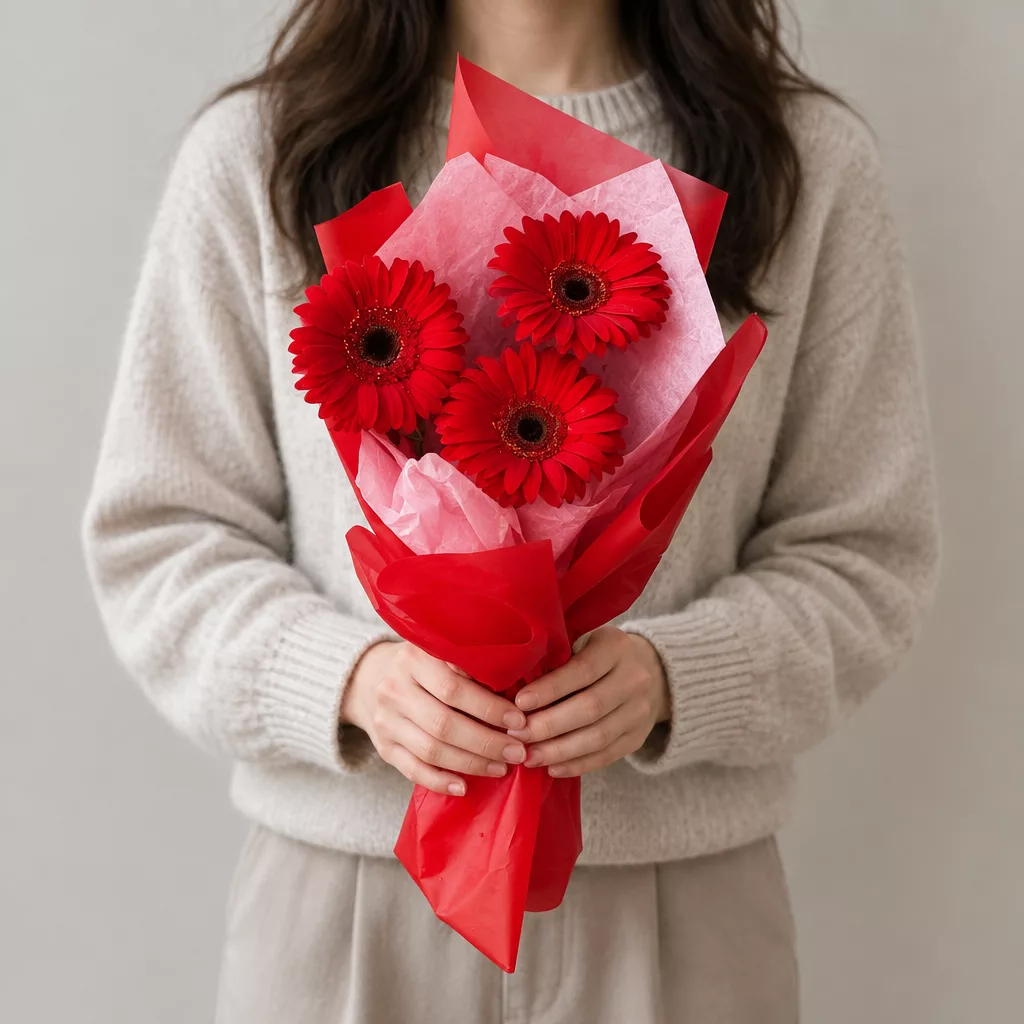
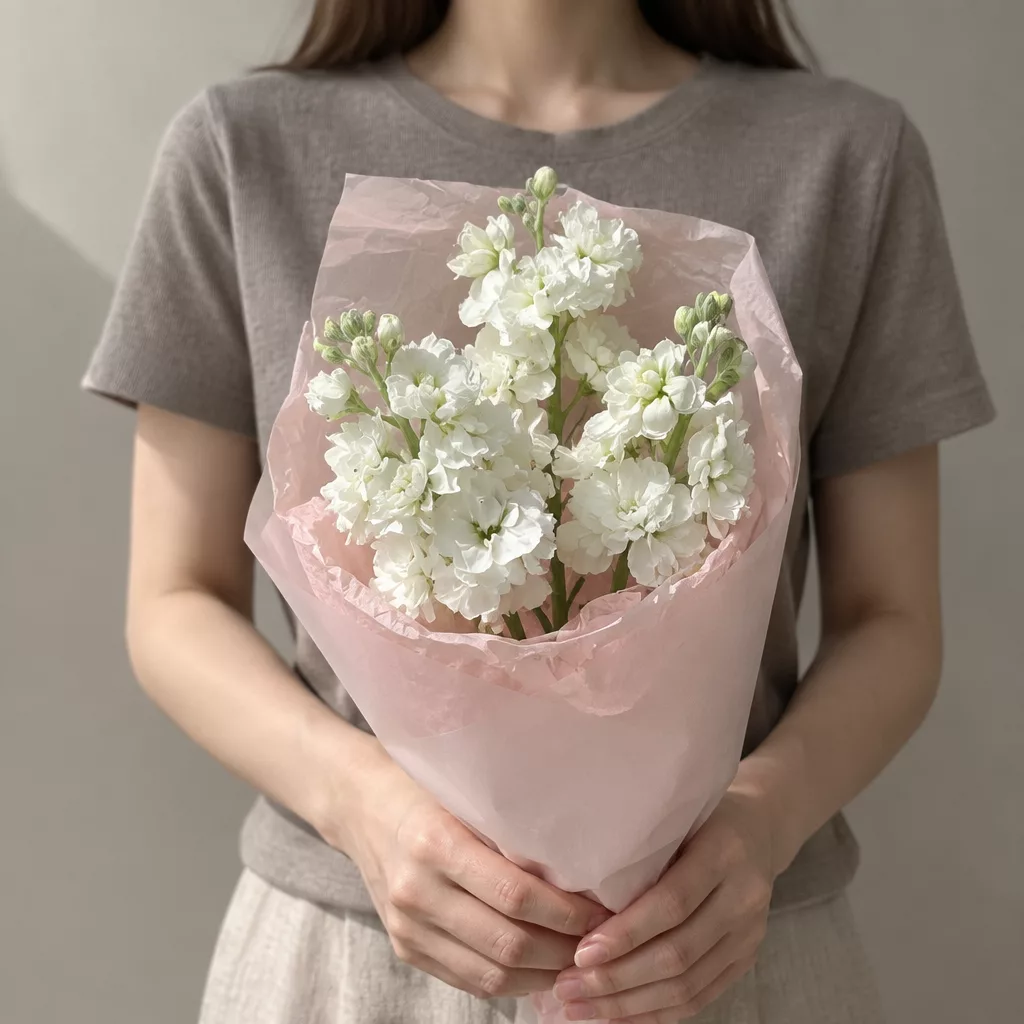
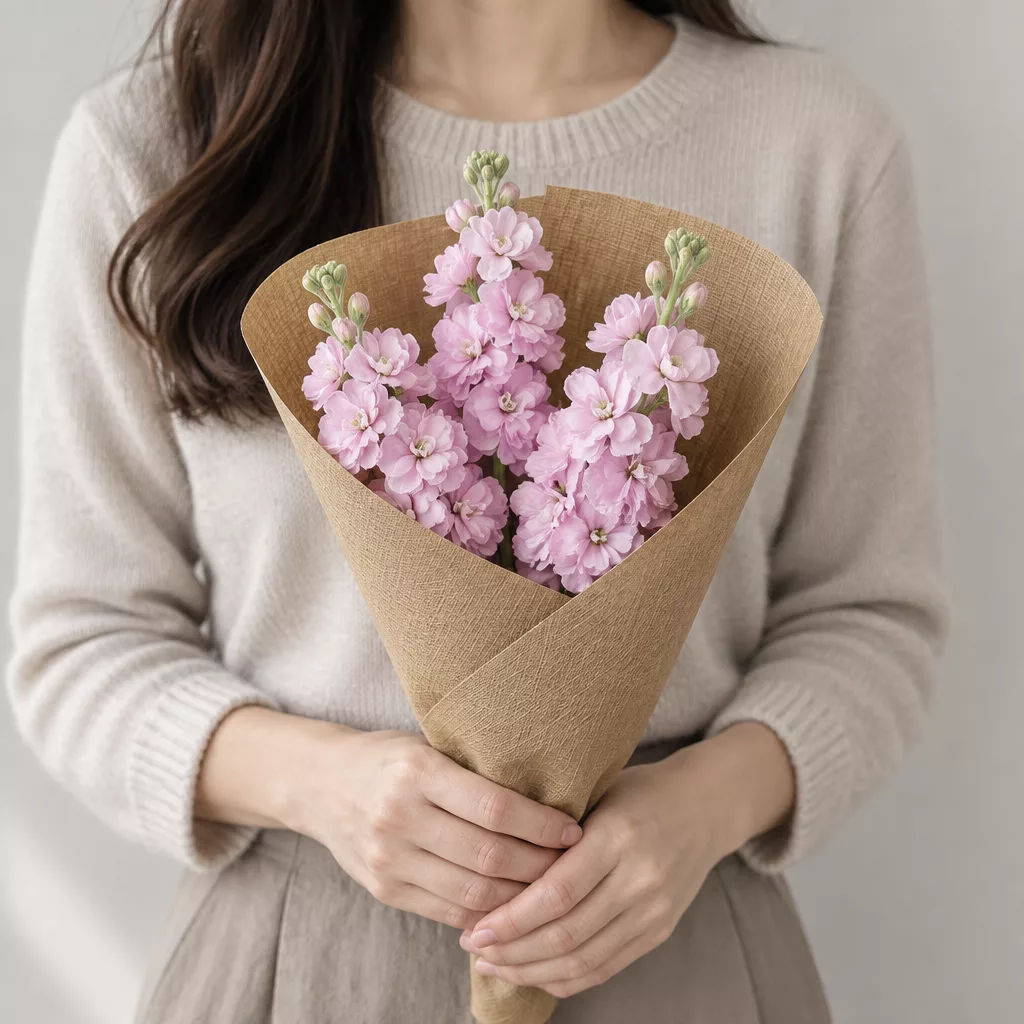
Which Flowers Russians Actually Love to Receive
Roses are the undisputed favorite for birthdays across Russia, and that popularity is entirely deserved. Large-headed varieties in red, white, coral, and soft pink are the most consistently requested. Ecuadorian roses, known for their exceptionally long stems and dense petals, are particularly prized because they last well even when transported in the cold. Peonies are enormously popular, especially from late spring through early summer when they are at their freshest. A bouquet of fifteen peonies in blush or white is considered a genuinely luxurious gift. Tulips are beloved in spring and are often associated with warmth and optimism — a single-variety bouquet of twenty-five tulips in a saturated color like deep purple or bright yellow makes a bold impression. Chrysanthemums are widely available year-round and work well as filler or as the main flower in a full, round bouquet. Eustoma, sometimes called lisianthus, adds delicate texture and is popular in mixed arrangements. Alstroemeria is frequently used as a supporting flower because it is long-lasting and adds color at a lower cost. What to avoid: yellow flowers carry a complicated reputation in Russian culture — some people associate them with separation or bad luck — so unless you know the recipient specifically loves yellow blooms, it is safer to choose other colors. White flowers are perfectly acceptable for birthdays, despite what some outdated guides suggest.
Bouquet Sizes and What They Signal
In Russia, bouquet size communicates the seriousness of your affection or respect, so it is worth thinking carefully about the impression you want to make. A small bouquet of five to nine stems is appropriate for a colleague, a neighbor, or a casual acquaintance. It says: I remembered, I made the effort, and I wish you well. It is a warm gesture without being extravagant, and there is nothing wrong with it for the right relationship. A medium bouquet of eleven to nineteen stems suits close friends, relatives, and anyone you want to honor a little more generously. This is the most common birthday gift range and the one that covers the widest range of relationships and ages. A large bouquet of twenty-one stems and above is reserved for people who matter deeply: a mother, a partner, a best friend, a respected mentor, or someone celebrating a milestone birthday such as a thirtieth, fortieth, or fiftieth. In Russian culture, round-number birthdays are treated as especially significant occasions and call for a noticeably more generous gesture than an ordinary birthday. Bouquets of twenty-five, thirty-one, or even fifty-one stems are not unusual for these milestones. If you are sending flowers to someone you have never met in person — a business contact's spouse, for example — aim for the middle range and choose classic varieties. It is difficult to go wrong with fifteen roses in a neutral color delivered with a handwritten card.
Seasonal Considerations and Flower Freshness
Russia's climate has a direct impact on which flowers are available, how they travel, and how long they last after delivery. Saint Petersburg winters are long and cold, with temperatures regularly dropping well below freezing from November through March. During these months, flowers must be transported in insulated packaging and delivered quickly — which is precisely why a one-to-two-hour delivery window matters so much in winter. Roses and chrysanthemums handle cold transport well. Tulips and peonies are more sensitive; a tulip left in an unheated vehicle for thirty minutes in January will arrive with soft, drooping stems that recover poorly. Spring, from March through May, is peak tulip and early peony season, and bouquets assembled during this window are often the most vibrant and longest-lasting of the year. Summer brings garden roses, hydrangeas, and full peonies at their best. Autumn is excellent for chrysanthemums, dahlias, and roses, all of which are robust in cooler temperatures. When ordering from abroad, always specify the delivery date and time clearly, and consider the weather in the recipient's city on that day. If the temperature in the destination city is below minus ten degrees Celsius, ask your florist whether the chosen varieties travel safely. A reputable florist will tell you honestly if a substitution would serve the recipient better, and will suggest alternatives that look equally beautiful while surviving the journey.
How to Set a Realistic Budget When Ordering from Abroad
One of the most common questions from international customers is simply: how much should I spend? The honest answer depends on three factors — your relationship with the recipient, the occasion, and the city of delivery. Flowers in Saint Petersburg and Moscow are priced at a level that reflects both the quality of imported stems and the cost of fast, reliable urban delivery. Expecting the same prices as a local market stall is not realistic when you are ordering a curated, assembled, and hand-delivered bouquet with a guaranteed arrival window. As a general principle, a small but well-assembled bouquet with quality stems costs meaningfully more than a supermarket bunch, and that gap reflects the florist's skill, fresh sourcing, and the logistics of delivery. A medium bouquet of premium roses or peonies sits in a mid-range price band that most international senders find fair and appropriate for a close relationship. Large milestone bouquets with twenty-five or more high-grade stems, specialty packaging, and same-day delivery represent the upper end of the market — and they are worth it for the right occasion. When budgeting, remember to factor in any international card processing fees your bank may charge. It is also worth noting that tipping is not expected or built into Russian flower delivery culture, so the price you see is the price you pay. Ordering at least a day in advance gives you access to the full range of available varieties and avoids any rush premiums.
Practical Tips for Ordering Remotely Without Mistakes
Ordering flowers for someone in another country requires a little more preparation than a local purchase, but it is entirely straightforward if you follow a few simple steps. First, confirm the recipient's full delivery address including the apartment number, floor, and any entry code for the building — Russian apartment buildings frequently have locked entrance doors, and a delivery driver who cannot get past the front gate will not be able to complete the order. Second, provide a working Russian mobile number for the recipient, or at minimum a number where someone can receive a Russian-language call or text. Drivers typically send a message when they are five to ten minutes away. Third, specify any message you want included on the card, and if you are writing in English, clarify whether you want the shop to translate it into Russian or leave it in English. Many recipients in larger cities read English comfortably, but for older recipients a Russian-language card is a warmer touch. Fourth, choose your delivery window thoughtfully. If the birthday celebration is an evening dinner party, a delivery arriving at six in the morning is technically on the right day but misses the moment entirely. A bouquet that arrives an hour before the guests is far more memorable. Finally, check whether the shop you are ordering from actually operates its own delivery — some platforms pass orders to third parties with no quality control at the handoff point. When a florist assembles, packages, and delivers the bouquet with their own team, the consistency is simply better.
Sending flowers to Russia for a birthday does not have to feel complicated. Once you know the odd-number rule, have a sense of the right bouquet size for your relationship with the recipient, and understand how seasonal conditions affect freshness, the rest falls into place naturally. The most important thing is simply to act with intention: choose varieties that suit the person, pick a size that reflects how much the occasion means to you, and arrange the delivery to arrive at a moment that will actually be remembered. A beautifully assembled bouquet, delivered on time and in perfect condition, communicates warmth across any distance — and that is exactly what a birthday gift should do.
Frequently asked questions
Can I send yellow flowers for a birthday in Russia?
Yellow flowers have a complicated reputation in Russian culture and are sometimes associated with separation or bad luck. Unless you know the recipient specifically loves yellow blooms, it is safer to choose roses, peonies, or tulips in pink, red, white, coral, or purple. When in doubt, a classic red or blush palette is always warmly received.
How far in advance should I place a birthday flower order for delivery in Russia?
Ordering at least twenty-four hours ahead gives you access to the full range of available varieties and a choice of delivery time slots. Same-day orders are absolutely possible — Turboflora delivers within one to two hours — but booking in advance ensures you get exactly the bouquet and timing you want, especially for milestone birthdays.
What information do I need to provide to complete a delivery order?
You will need the recipient's full address including apartment number, floor, and building entry code if applicable, plus a working Russian mobile phone number. A message for the card, your preferred delivery time window, and payment details complete the order. The more precise your address information, the smoother the delivery.
Is a bouquet of roses too formal for a friend's birthday in Russia?
Not at all. Roses are genuinely the most universally loved birthday flower in Russia across all ages and relationships. A well-chosen bouquet of roses in a warm color — coral, blush, or deep red — reads as thoughtful and generous rather than stiff. The stem count and size are what signal formality, not the flower itself.
What happens if the recipient is not home when the flowers arrive?
The delivery driver will contact the recipient by phone or text before arriving. If no one is available, the driver will coordinate a new delivery window. Providing an accurate mobile number for the recipient is the single most important step you can take to ensure the bouquet arrives successfully on the first attempt.
Ready to send flowers?
Pick the city, choose the bouquet, and a local florist takes it from there.
Choose a city →