Flowers for a Russian Wedding: What Is Customary for the Bride, the Guests, and the Table
A Russian wedding is a layered event — part civil ceremony, part banquet, part family ritual — and flowers are woven through every stage of it. If you are planning a wedding in Russia, or attending one for the first time, the floral customs can feel specific in ways that are not always obvious. Which flowers does the bride carry, and which ones are quietly avoided? What do guests bring, and when? How are the banquet tables dressed? As a florist who has worked hundreds of Russian weddings, I want to walk you through the real, practical answers — variety by variety, moment by moment.
The Bridal Bouquet: Classic Choices and Why They Work
The bridal bouquet in Russia tends toward the elegant and structured rather than the wild and loose. The most requested varieties year after year are garden roses, peonies, ranunculus, and lisianthus. Spray roses are popular for adding texture without bulk. White and blush tones dominate, though dusty rose and champagne have become very fashionable over the last several years.
Peonies deserve special attention. They are deeply loved in Russian wedding culture — full, generous, and unmistakably celebratory. The practical challenge is that peonies are highly seasonal, peaking from late May through June. If your wedding falls outside that window, a skilled florist can source them from Dutch growers, but the stems will be more expensive and need careful handling. Peonies open fast in warm rooms, so the bouquet should be kept cool — ideally between 4 and 8 degrees Celsius — right up until the moment the bride picks it up.
Roses are the reliable backbone of any Russian bridal bouquet. Garden roses such as David Austin varieties give a softer, more antique look than standard hybrid tea roses. Lisianthus mimics the ruffled look of a peony at a fraction of the seasonal risk and holds its shape beautifully for six to eight hours even without water.
One common mistake brides make is ordering the bouquet the morning of the wedding. For a ceremony starting at noon, the bouquet should be assembled the evening before and kept refrigerated. This gives the stems time to drink and the flowers to settle into their arrangement without stress.
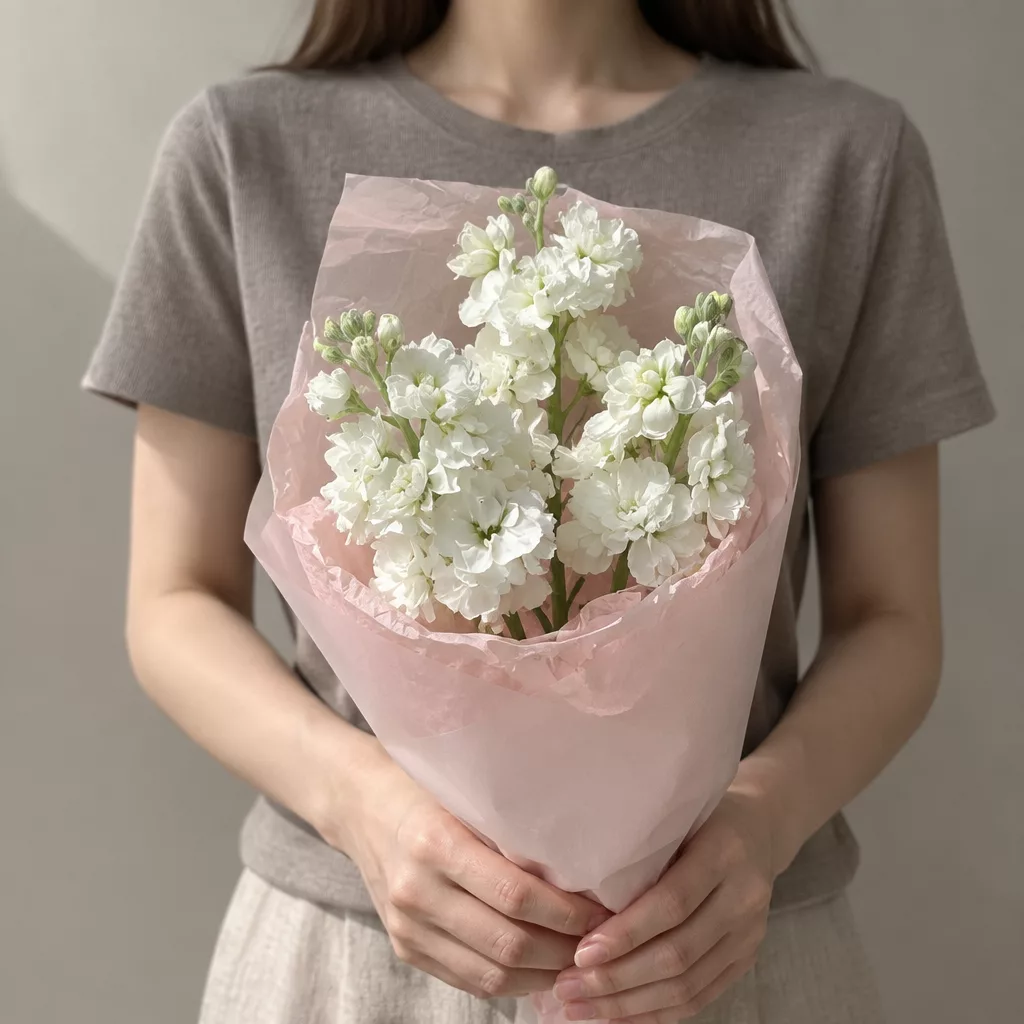
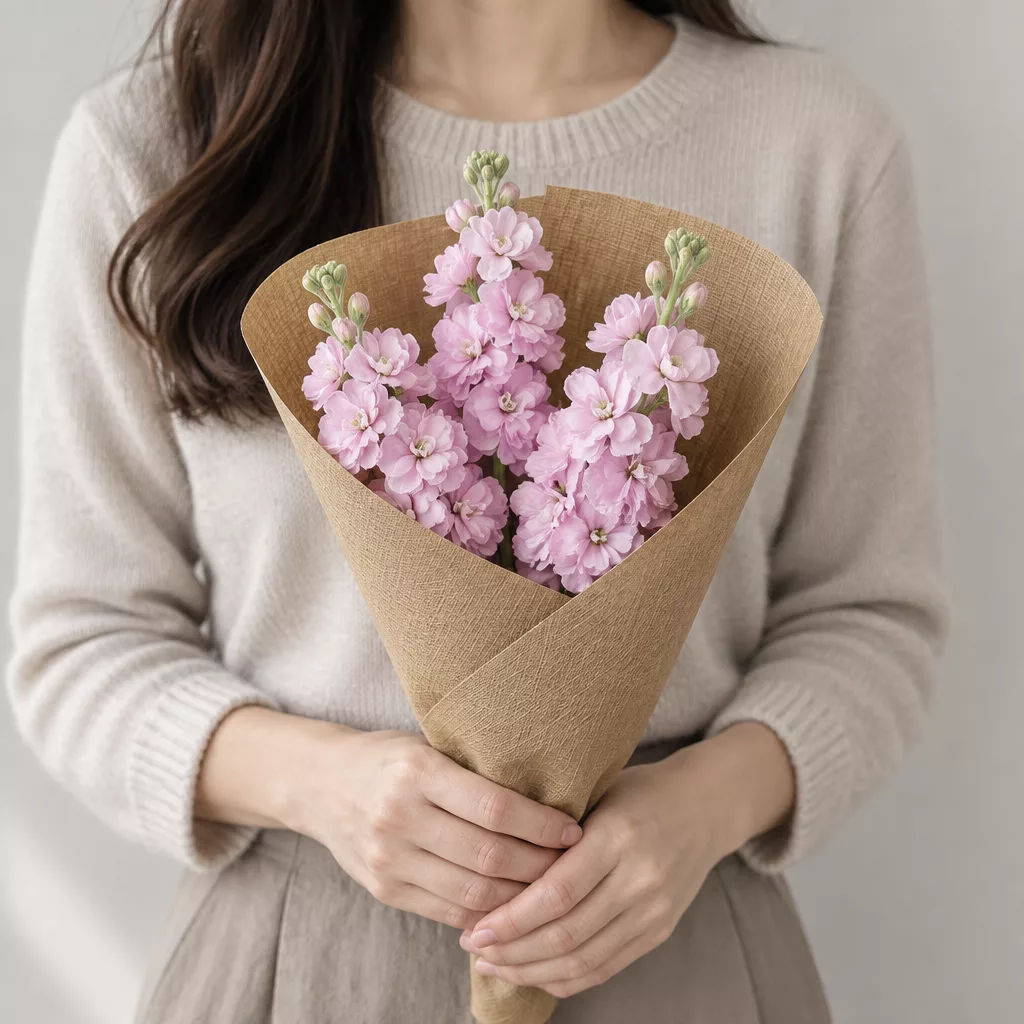
Bouquets we can deliver


Flowers the Bride Should Avoid: Superstition Meets Practicality
Russian wedding culture carries a set of flower beliefs that are not written in any official rulebook but are passed down firmly through families. The most widely held is that yellow flowers should not appear in a bridal bouquet. Yellow is associated in popular belief with separation and infidelity. Even brides who describe themselves as unsuperstitious often quietly ask for yellow to be left out, simply because a grandmother or mother will notice.
Even-numbered bouquets are another point of sensitivity. In Russia, even numbers of flowers are traditionally reserved for mourning. Guests bringing flowers to a wedding always bring an odd number — three, five, seven, eleven stems. The bridal bouquet itself is a composed arrangement rather than a stem count, so this rule applies more to loose flowers, but it is worth knowing.
White chrysanthemums and carnations occupy complicated territory. Older generations associate both with funerals, and while younger couples in Saint Petersburg are increasingly relaxed about carnations in modern arrangements, it is still wise to discuss this with the family before including them. A single spray of white chrysanthemum in a mixed bouquet is unlikely to cause offence, but a bouquet built around them might.
From a purely practical standpoint, heavily fragrant flowers like tuberose and stephanotis can overwhelm in a small civil registry office. They are beautiful but potent. Gardenias wilt rapidly under stress and photography lights. These are flowers to use thoughtfully, not as the primary element of a bouquet the bride will hold for three to five hours straight.
What Guests Bring: The Etiquette of Gifting Flowers
In Russia, arriving at a wedding with flowers is not just a nice gesture — it is an expected one, particularly from close family and friends. The flowers are typically presented to the bride personally, often at the entrance to the banquet hall, and the moment is photographed. This means the flowers should look impressive on arrival: unwilted, well-wrapped, and visually generous.
The most common guest choices are bouquets of roses — red, white, or mixed — and single-variety bunches of tulips or peonies when in season. Orchid stems in a presentation box have grown in popularity for guests who want something that stands out. The key rule, as mentioned, is odd numbers: five roses, seven tulips, eleven stems of alstroemeria.
Yellow flowers, as a guest gift, carry the same cautionary note they do for the bridal bouquet. A guest who arrives with a dozen yellow roses will not be thrown out, but they may receive a raised eyebrow from older relatives. Safer choices for guests who want warm tones are peach, coral, or orange roses, which read as festive rather than unlucky.
Timing matters enormously. If you order flowers for delivery to a wedding venue, the delivery window should account for the fact that Russian banquets often run late — the civil ceremony might be at noon, the banquet at four, and guests arrive in waves. Ordering flowers for early afternoon delivery gives a comfortable buffer. Flowers left in a warm car for two hours before being presented will look exactly as you would expect.
Table Arrangements: Scale, Height, and Seasonal Logic
The banquet table at a Russian wedding is a serious affair. Tables are laden with food from the first minute, which means floral arrangements must coexist with dishes, glasses, and serving platters. The two standard approaches are low, spreading centerpieces that sit beneath the sightline, or tall, architectural arrangements on narrow bases that rise well above head height. The middle ground — arrangements at eye level — is the one to avoid, because guests end up talking around them or through them all evening.
Low arrangements work beautifully with garden roses, ranunculus, eucalyptus, and seasonal greenery. A typical low centerpiece for a round table seating ten might span thirty to forty centimeters across and sit no higher than twenty-five centimeters. This leaves clear sightlines and room for the bread baskets and appetizer plates that will inevitably crowd the table.
Tall arrangements suit long rectangular tables and more formal banquet styles. Roses, lisianthus, and branches of blossom or eucalyptus work well at height. The risk with tall arrangements is stability — a narrow vase on a cloth-covered table can tip when a guest reaches across. A weighted base or a bud vase with a wide foot solves this.
Season dictates a great deal. A June wedding can feature peonies, sweet peas, and garden roses on every table. A January wedding calls for greenhouse roses, amaryllis, and winter foliage — alder branches, eucalyptus, and pine. Russian winter weddings are common and beautiful, but the flowers must be chosen for what is genuinely available and fresh rather than what looks good on a summer mood board.
The Ceremony Space: Registry Office and Church Decorations
Most Russian weddings involve two distinct ceremony moments: the official civil registration at the registry office, called the ZAGS, and the banquet celebration. Some couples also hold a church ceremony, though this is a separate arrangement requiring coordination with the church itself.
Registry offices in Russia vary enormously in how much decoration they permit. Some have their own standing arrangements and request that couples not bring additional flowers. Others welcome personal decoration. It is always worth calling the specific ZAGS in advance — this is a step many couples skip and then regret. Where decoration is allowed, aisle arrangements of white roses or lisianthus in tall floor vases are popular. The ceremony itself lasts fifteen to twenty minutes, so the flowers are primarily there for photographs.
For church ceremonies, the decoration possibilities depend entirely on the parish. Orthodox churches have their own visual language, and flowers must complement rather than compete with icons and candles. White lilies, white roses, and white chrysanthemums are traditional. Avoid anything heavily perfumed that might interfere with incense, and check whether the church allows flowers on the altar itself or only in the nave.
For both spaces, delivery timing is critical. Registry offices often have back-to-back ceremonies scheduled every thirty minutes on weekends. If your slot is at eleven, your flowers need to be in place by ten-fifteen at the latest. This is where working with a florist who delivers directly — and on a guaranteed schedule — makes a real difference to the day.
Keeping Flowers Fresh Through a Long Russian Wedding Day
A Russian wedding day is long. Civil registration might begin at eleven in the morning. The wedding walk — a tour of the city for photographs — follows. The banquet starts in the late afternoon and runs until midnight or later. Flowers need to survive all of it, which requires planning from the florist's side and a little awareness from the couple's side.
The bridal bouquet is the most vulnerable piece. It will be held, set down, picked up, photographed in sunlight, and possibly left on a table near a heat source. The varieties that hold best under these conditions are roses, lisianthus, orchid stems, and waxflower. Peonies and ranunculus are beautiful but more delicate — they can droop after three or four hours without water, especially in summer heat above twenty degrees.
A practical trick used by experienced florists is to condition all stems for at least twelve hours before the wedding. This means cutting the stems at an angle, placing them in cool water with a proper flower food solution, and storing them in a refrigerated environment. Flowers that have had a long drink are dramatically more resilient than flowers assembled the same morning.
For table arrangements at the banquet, ask the venue to keep the room cool before guests arrive. Flowers placed in a room that has been heated to twenty-five degrees for an hour before the banquet begins will not look the same by nine in the evening. A room kept at eighteen to twenty degrees until guests fill it and generate their own warmth is the right approach.
Finally, keep a small bucket of water backstage at the venue. A few stems of backup roses and some greenery can repair a bouquet that has had a hard afternoon, and a good florist will often include these with the order precisely for this reason.
Russian wedding flower traditions are specific enough to matter but not so rigid that they cannot accommodate your personal taste. Avoid yellow for the bride, respect the odd-number rule for guests, choose table arrangements that work with the food rather than against it, and plan your timing carefully for a day that will run from morning until midnight. The rest — the varieties, the palette, the scale — is yours to shape. A florist who knows Russian customs and delivers fresh flowers on a precise schedule is the most useful partner you can have for this.
Frequently asked questions
Are red roses appropriate for a Russian wedding bouquet?
Red roses are perfectly acceptable and are one of the most classic choices. They are bold and photogenic. The colour to approach carefully is yellow, not red. If the bride prefers a softer palette, white, blush, or peach roses are equally traditional and widely loved at Russian weddings.
How many flowers should a guest bring to a Russian wedding?
Always an odd number — three, five, seven, or more stems. Even numbers are associated with mourning in Russian tradition and are avoided at celebrations. A bouquet of eleven roses or seven peonies is a generous and appropriate guest gift. The flowers are usually presented directly to the bride.
Can we use sunflowers at a Russian wedding?
Yes, sunflowers are cheerful and work well at informal or countryside-style Russian weddings. They are not a traditional bridal flower, but they make excellent table arrangements and guest gifts. Because they are yellow, some families may have reservations about them in the bridal bouquet specifically, so it is worth a conversation.
How far in advance should we order wedding flowers?
For a full wedding order — bridal bouquet, table arrangements, ceremony flowers — place your order at least one week in advance so your florist can source specific varieties. The flowers themselves are assembled one to two days before the event and stored refrigerated. Same-day orders are possible for simpler requests but limit variety choices significantly.
What flowers work best for a winter wedding in Saint Petersburg?
Greenhouse roses in red, white, or burgundy are the most reliable choice year-round. Amaryllis is dramatic and seasonal in winter. Eucalyptus, pine branches, and cotton stems add texture and a seasonal feel. Avoid summer varieties like sweet peas or outdoor peonies — they will either be unavailable or expensive and fragile when imported out of season.
Ready to send flowers?
Pick the city, choose the bouquet, and a local florist takes it from there.
Choose a city →