Flowers You Should Never Send as a Gift in Russia
Choosing flowers for someone in Russia feels straightforward until you realise that a bouquet carrying perfectly good intentions in one country can land very differently here. Russian flower etiquette is specific, deeply felt, and still very much alive — even among younger generations. Getting it wrong does not usually cause offence in a dramatic way, but it creates an awkward moment that neither you nor the recipient will forget easily. This guide walks you through the combinations and choices that experienced florists in Russia quietly steer customers away from every single day.
Why Even Counts Matter More Than You Think
The single most important rule in Russian flower-giving is the number of stems. An even number of flowers — two, four, six, eight — is reserved exclusively for funerals and mourning. Bringing an even-numbered bouquet to a birthday, anniversary, or housewarming immediately signals grief to the recipient, regardless of how beautiful the arrangement is. The rule applies to every variety without exception, from a pair of peonies to a neat dozen roses.
This is not a superstition held only by older generations. Walk into any flower shop in Saint Petersburg or Moscow and the florist will automatically count stems before wrapping. If you are ordering remotely and specifying a number, always choose odd: three, five, seven, nine, eleven, fifteen, or twenty-five are all safe and natural-sounding quantities.
The confusion often arises because many European and American traditions favour round even numbers — a dozen roses, for instance, is a romantic classic in the West. In Russia, eleven roses or thirteen roses reads as far more intentional and generous than twelve ever would. When in doubt, go one stem higher and stay odd. It is the single easiest way to show you understand the culture, and recipients genuinely notice and appreciate it.
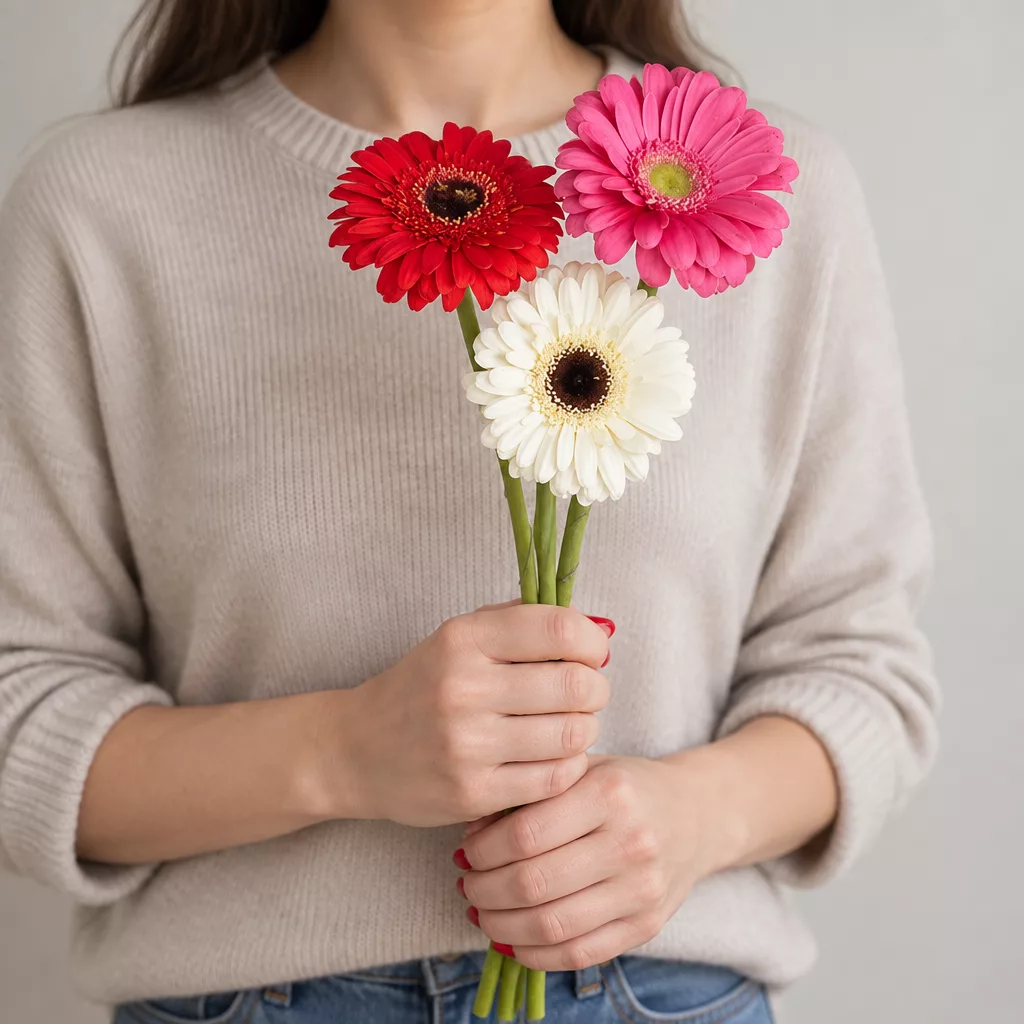
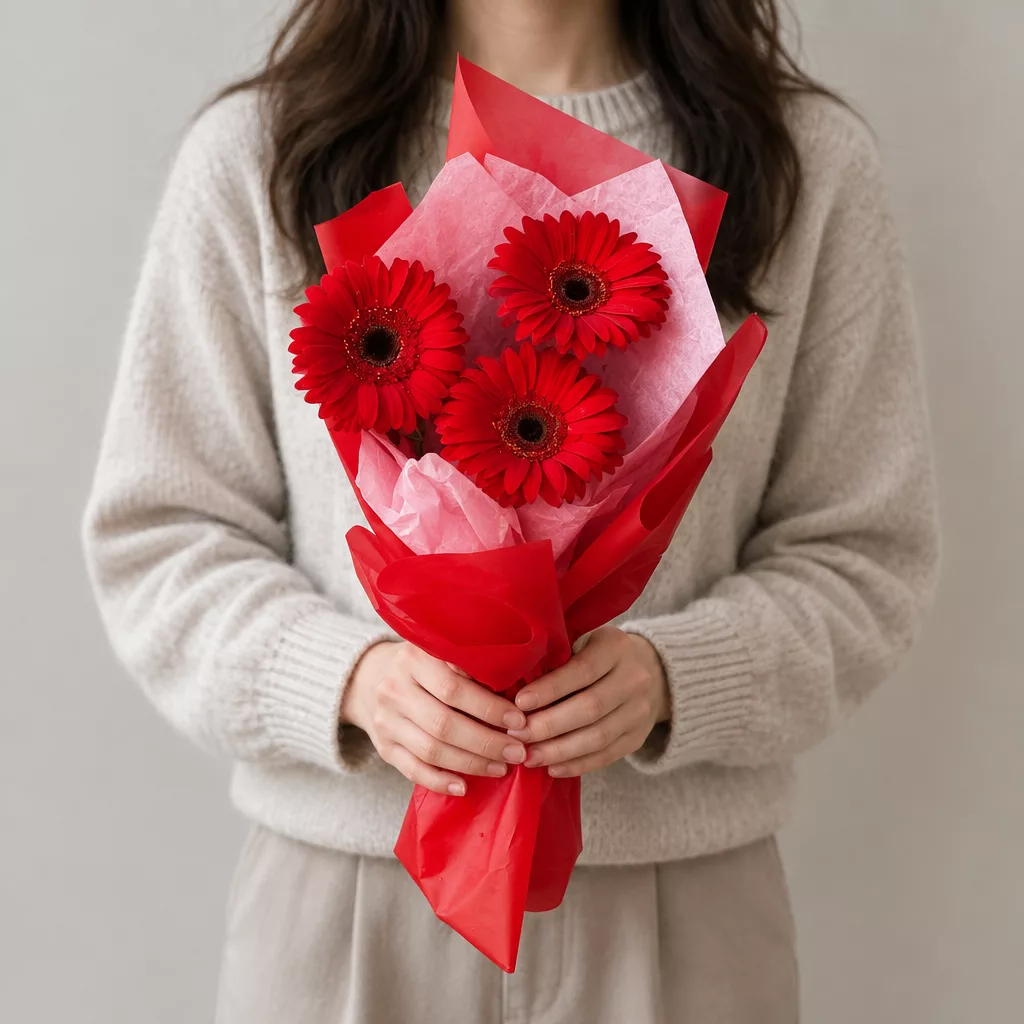
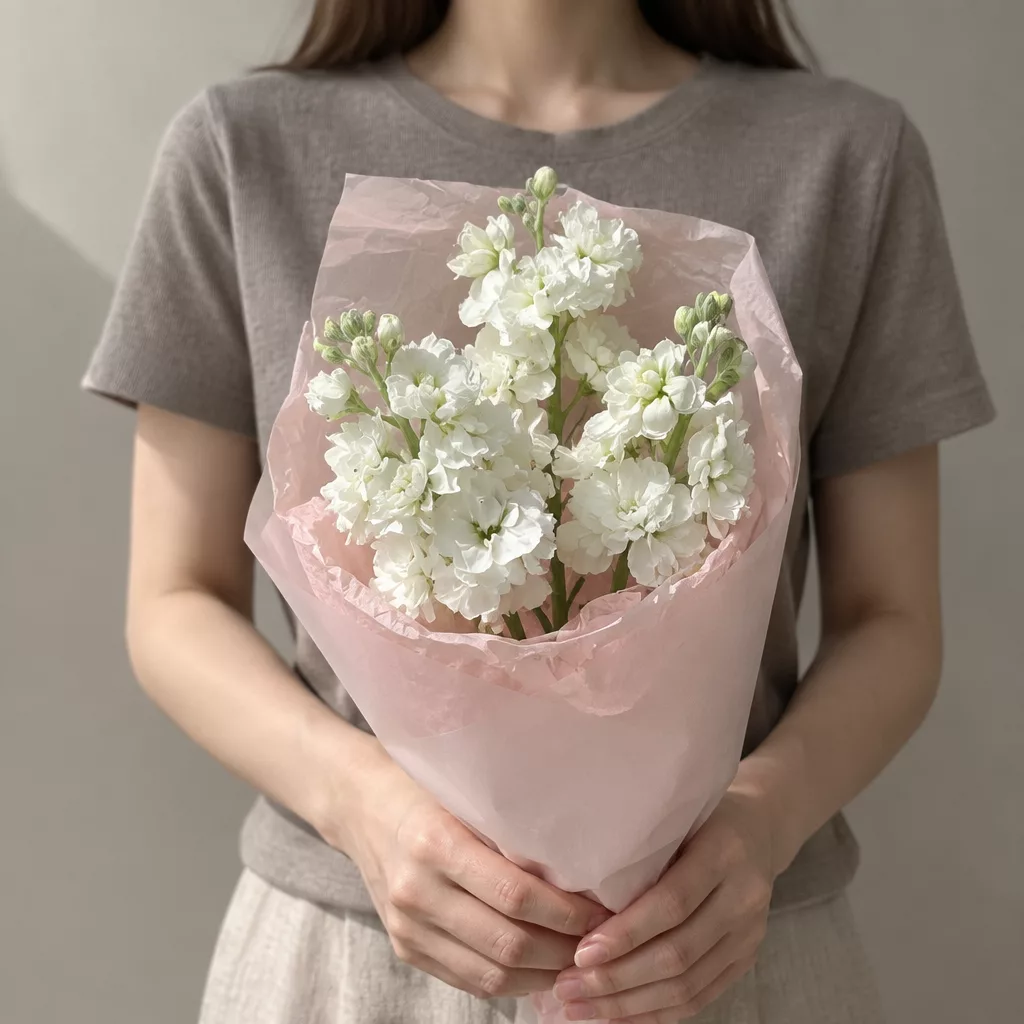
Bouquets we can deliver

Yellow Flowers and the Complicated Feelings They Carry
Yellow flowers occupy a genuinely complicated space in Russian gift culture. The traditional association links yellow blooms to separation, betrayal, and the end of relationships. Yellow roses and yellow chrysanthemums in particular carry this reputation most strongly. Sending a yellow rose bouquet to a romantic partner can communicate exactly the opposite of what you intended, and the symbolism is recognised widely enough that many recipients will feel unsettled even if they do not say so directly.
This does not mean yellow is entirely off the table. Context shifts everything. Yellow tulips in spring, especially when mixed with white or soft pink varieties, read as cheerful and seasonal rather than ominous. A single sunflower tucked into a mixed arrangement is celebratory. The problem arises with pure yellow bouquets, particularly yellow roses presented alone to a partner or close friend.
For a colleague, a casual acquaintance, or a professional thank-you, yellow flowers in a mixed composition are generally fine. But if the relationship is close or romantic, it is safer to choose cream, blush, coral, or white varieties rather than saturated yellow. Mimosa is a meaningful exception — it is the flower of International Women's Day on the eighth of March and carries entirely positive, celebratory meaning in that specific context. Outside of that occasion, however, pure yellow arrangements are best avoided when the emotional stakes of the gift are high.
Chrysanthemums: Beautiful Elsewhere, Loaded Here
Chrysanthemums are among the most popular flowers in the world, and in many European countries they are a staple of autumn and winter bouquets. In Russia, however, white and yellow chrysanthemums carry a strong association with funerals and cemeteries. They appear regularly at grave sites and memorial services, which means presenting them as a celebratory gift creates an uncomfortable disconnect for most Russian recipients.
The association is strongest with large-headed white chrysanthemums — the classic spider and incurve varieties — and with yellow button chrysanthemums. Smaller spray chrysanthemums in burgundy, deep purple, or rich terracotta read somewhat differently and can work in mixed autumn arrangements, but even these require careful handling and should always be combined with clearly festive flowers like roses or ranunculus rather than presented alone.
If you are drawn to the texture and volume that chrysanthemums provide in a bouquet, consider substituting dahlias for late summer and autumn occasions, or using large garden roses to achieve similar fullness. Lisianthus offers a similarly layered petal structure and comes in purple, white, and pink without any of the cultural baggage. The practical advantage of lisianthus is also worth noting: it holds beautifully in a vase for ten to fourteen days when kept in cool water, making it an excellent choice for recipients who will not be home immediately to tend to their flowers.
Red Carnations and the Weight of Soviet Memory
Red carnations are a striking flower with a long and politically charged history in Russia. They were the emblematic flower of Soviet commemorations, May Day parades, and official state occasions. For many Russians, particularly those over forty, red carnations trigger an immediate association with that era — with formal obligation, political ceremony, and collective grief rather than personal warmth.
Presenting red carnations as a romantic or celebratory gift can feel tone-deaf in a way that is difficult to explain to someone unfamiliar with the history. The recipient may not say anything, but the association is there. Mixed carnations in pink, white, or peach are far less loaded and actually make a lovely, long-lasting component of a spring or summer bouquet. It is specifically the combination of red carnations in quantity, presented without other flowers, that lands most awkwardly.
There is an exception worth knowing: older recipients who lived through the Soviet period sometimes feel genuine nostalgia for red carnations and would receive them warmly. If you know your recipient well and understand their relationship with that history, the choice can be meaningful rather than awkward. But as a general rule for sending flowers to someone you do not know intimately — a business contact, a distant relative, or a new acquaintance — red carnations alone are a combination to avoid. Substitute with deep red roses, which carry none of the political weight and are universally understood as generous and warm.
Mixing White Flowers With the Wrong Companions
White flowers on their own are not problematic in Russian culture. White roses, white peonies, and white ranunculus are all beautiful and entirely appropriate for celebrations, romance, and congratulations. The issue arises when white flowers are combined in specific ways that accidentally echo funeral arrangements. A bouquet composed entirely of white flowers with no colour variation and no greenery can read as a mourning arrangement to a Russian eye, even if the individual blooms are joyful varieties.
The solution is simple: always introduce colour or texture. A few stems of pale pink roses alongside white peonies immediately shifts the mood. Rich eucalyptus or ruscus greenery breaks the monochrome effect and makes the arrangement feel lush and celebratory rather than spare. White flowers paired with deep burgundy, soft lavender, or warm peach tones create combinations that feel genuinely festive and sophisticated.
White tulips in spring are generally read positively and do not carry the same risk, partly because tulips are so strongly associated with the season and with cheerful occasions. The risk is greatest with white arrangements that use flowers associated with formal occasions — lilies, for example. White lilies, particularly Casablanca and Oriental varieties, have a strong ceremonial quality in Russia and are best used sparingly within a mixed arrangement rather than as the dominant flower. Their fragrance is also intensely strong, which can be overwhelming in a small apartment or office. If you want to include them, two or three stems within a larger composition is plenty.
Sharp and Thorny: What Sending Cacti or Unusual Plants Signals
This section moves slightly beyond cut flowers, but it matters because potted plants are a popular gift choice for housewarmings, birthdays, and thank-you occasions. Cacti and plants with prominent thorns or spines carry a folk association in Russia with conflict, hostility, and bad luck in the home. The belief is not universal, and younger, urban recipients may not share it at all — but it is common enough that a cactus gift can prompt genuine discomfort in a recipient who does hold this view.
The same caution applies to plants with very sharp, pointed leaves. Sansevieria, commonly called snake plant or mother-in-law's tongue, falls into a similar category in the minds of some Russian recipients. Again, this is not a hard rule, but it is a risk worth avoiding when you do not know the recipient well enough to predict their reaction.
Safer choices for potted plant gifts include orchids, which are widely loved and understood as elegant and considered, or small rose bushes in spring. Succulents without prominent spines — echeveria, for instance — are generally received warmly and are practical for busy recipients who do not have time to tend to cut flowers. If the occasion calls for something living and lasting, a lush pothos or a small ficus reads as generous and home-friendly without any cultural complications. When in doubt, a beautifully arranged cut flower bouquet remains the most universally safe and warmly received gift option.
Putting It Together: Combinations That Always Work
Knowing what to avoid is only half the picture. The more useful knowledge is understanding which combinations reliably land well across occasions, ages, and personal styles. Roses remain the most universally safe choice in Russia — red for romance, pink for warmth and friendship, cream or blush for elegance and congratulations. Combining roses with seasonal companions elevates the bouquet without introducing risk. In spring, roses paired with ranunculus and soft eucalyptus create a garden-gathered feeling that feels both fresh and generous.
Peonies are deeply loved in Russia and carry entirely positive associations — abundance, romance, and celebration. Their season runs from late May through July, and during that window they are often the first choice for birthdays and anniversaries. Outside of peony season, garden roses with full, layered heads offer a similar visual effect and are available year-round. Lisianthus, freesia, and sweet peas are all excellent supporting flowers that add texture and fragrance without complicating the cultural reading of the bouquet.
For care at home, remind the recipient to trim stems at an angle under running water before placing them in a clean vase, change the water every two days, and keep the arrangement away from direct sunlight and heating vents. Roses and ranunculus prefer cool temperatures and will last significantly longer — up to ten days — when kept away from radiators, which are a constant feature of Russian apartments in winter. A well-chosen, correctly cared-for bouquet is the best possible gift: it lasts, it fills the room, and it shows that the sender thought carefully about every detail.
Sending flowers across cultural lines is genuinely easy to get right once you know the handful of things that matter most: keep the count odd, stay away from pure yellow or pure white arrangements for close relationships, leave red carnations and white chrysanthemums for other contexts, and lean into the combinations that Russian florists reach for instinctively — roses, peonies, ranunculus, and lisianthus in warm or mixed palettes. The recipient on the other end of that delivery does not need to know you researched any of this. They will simply feel that the bouquet is exactly right, which is the whole point.
Frequently asked questions
Is it really true that even numbers of flowers are always wrong in Russia?
Yes, consistently. Even-numbered bouquets are associated with mourning and are only appropriate at memorial occasions. This applies regardless of the flower variety or how beautiful the arrangement is. Always choose an odd number — five, seven, eleven, or fifteen are all natural and generous-sounding quantities that any Russian recipient will immediately recognise as correct and thoughtful.
Can I send yellow flowers at all, or should I avoid them completely?
Yellow flowers in mixed arrangements are generally fine for professional or casual occasions. The problem is a purely yellow bouquet, especially yellow roses, sent to a romantic partner or close friend. Yellow tulips in spring and sunflowers in mixed compositions are cheerful and well-received. Mimosa on International Women's Day in March is a beloved tradition. Use yellow as an accent rather than the dominant colour and you will be safe.
Why do florists in Russia always adjust the stem count before wrapping?
It is standard professional practice because the even-number rule is so firmly embedded in Russian culture that a good florist considers it a basic quality check, like confirming the flowers are fresh. Experienced florists do it automatically without being asked. If you are ordering and specifying a number, simply choose an odd figure and the arrangement will be prepared accordingly without any need to explain your reasoning.
What flowers are safest for a business gift or professional occasion in Russia?
Roses in cream, white, or soft pink are the most universally appropriate for professional settings. Avoid red roses, which read as romantic, and stick to elegant, restrained palettes. Lisianthus and freesia add sophistication without strong personal connotations. Keep the arrangement neat and structured rather than wild and garden-style, and choose an odd number of stems — nine or eleven works well for a professional gift.
Do younger Russians in cities still follow these flower traditions?
Largely yes, especially the even-number rule and the yellow flower associations. Urban, younger recipients may be more relaxed about chrysanthemums or cacti, but the core numerical rule is observed across generations and regions. It is always safer to follow tradition than to assume a particular recipient has moved past it — getting it right costs nothing, and the recipient will notice and appreciate that you did.
Ready to send flowers?
Pick the city, choose the bouquet, and a local florist takes it from there.
Choose a city →