Sending Flowers to Russia? Here Is What to Skip and Why
Choosing flowers for someone in Russia feels straightforward until it is not. A bouquet that reads as cheerful in one country can feel like a quiet insult in another, and Russian floral culture has specific associations that even well-meaning senders trip over. This is not about superstition for its own sake — these meanings are genuinely felt, especially by older recipients and anyone raised outside the biggest cities. Knowing what to avoid takes five minutes and saves your gift from landing in the wrong emotional register entirely.
Why Flower Symbolism Still Matters Deeply in Russia
Russia has one of the strongest living flower-giving traditions in Europe. Flowers are presented at school graduations, work anniversaries, first meetings with a partner's parents, and countless other moments where the choice of bloom is read carefully by everyone in the room. Unlike in some Western contexts where flowers are a generic gesture, in Russia the species, colour, and even the number of stems all carry layered meaning that recipients notice immediately.
This is especially true for recipients over forty, who grew up in a culture where flower etiquette was taught as a matter of course. Younger urban Russians in Moscow or Saint Petersburg have softened some of the stricter rules, but the core associations remain remarkably stable across generations and regions. A sender in London or New York choosing flowers online for a colleague in Novosibirsk cannot rely on Western instincts alone.
The good news is that the rules are not complicated once you know them. Most of the pitfalls come down to a handful of species and a few specific colours. Avoiding them does not limit your choices dramatically — it simply redirects you toward combinations that will genuinely delight rather than quietly unsettle. A working florist in Saint Petersburg sees the difference in recipient reactions every single week, and the patterns are consistent enough to treat as reliable guidance rather than vague cultural folklore.
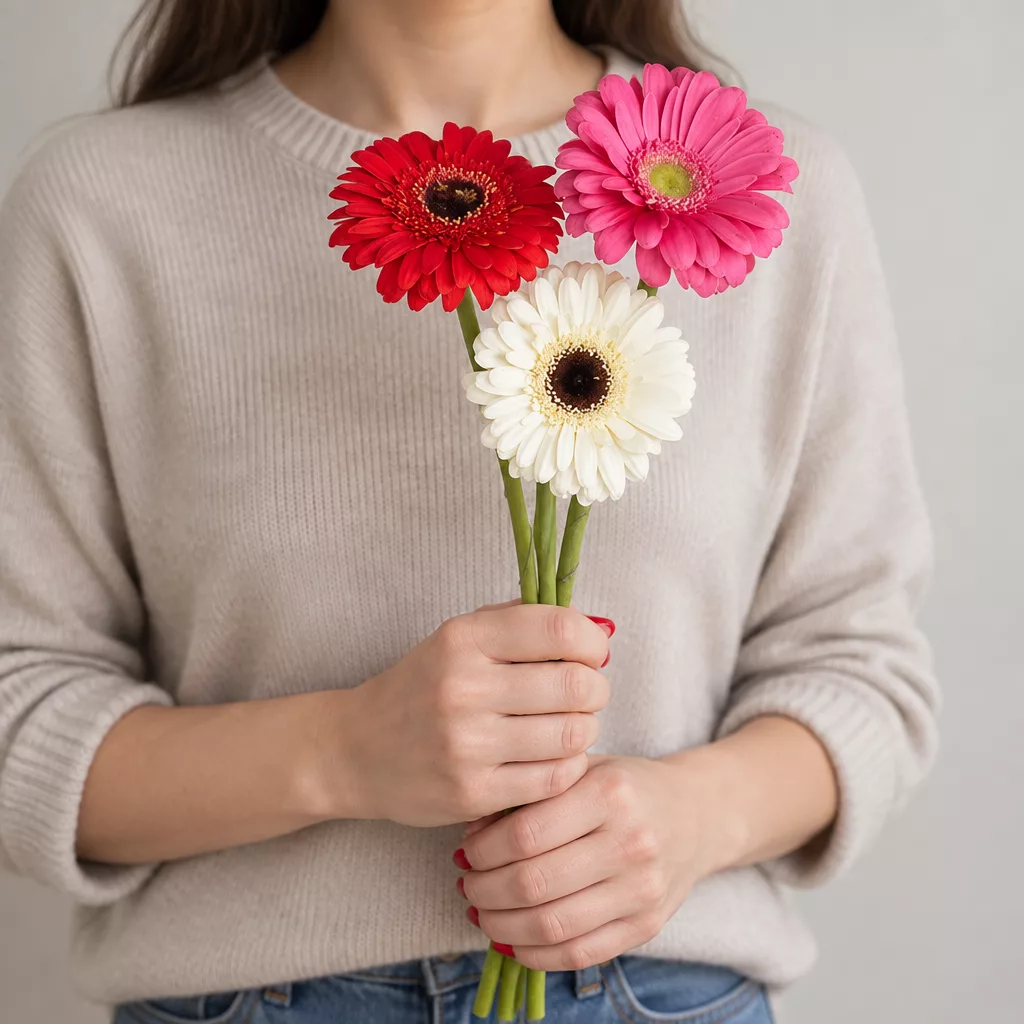
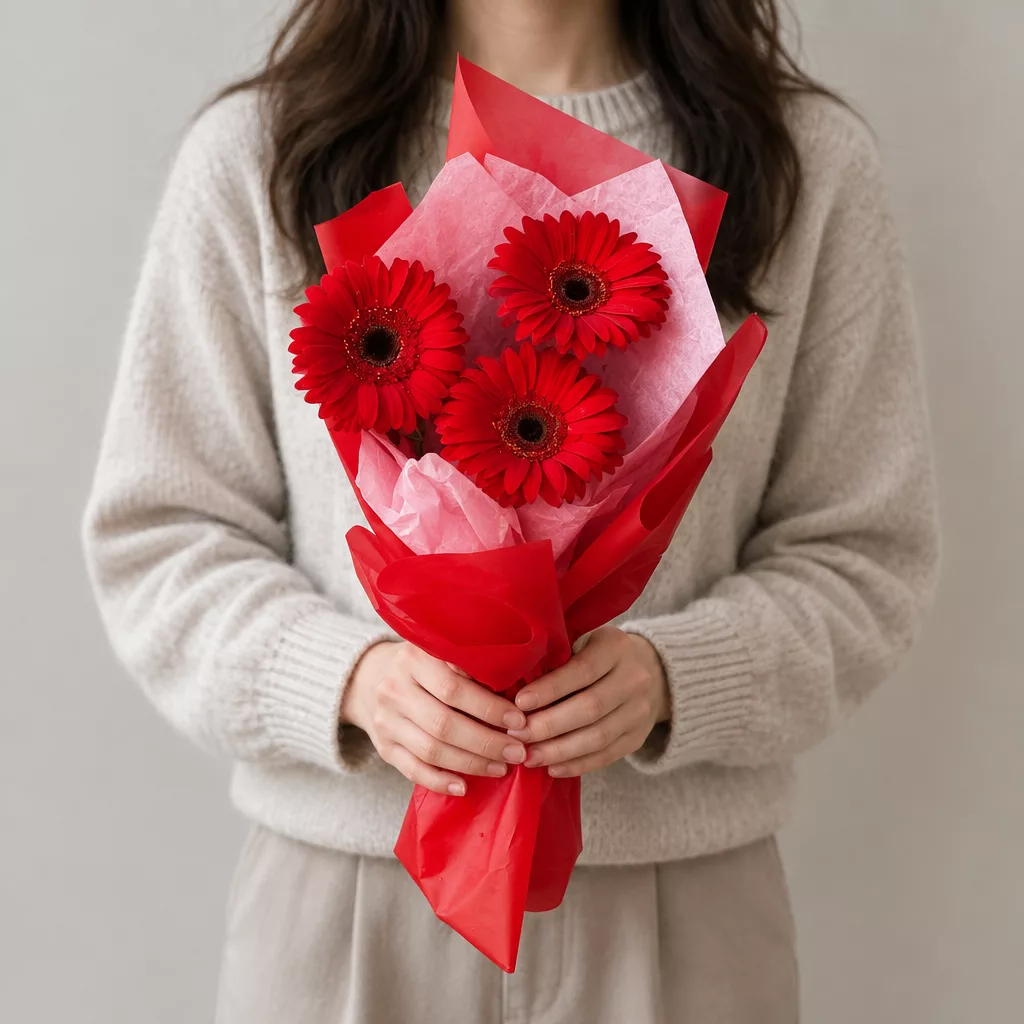
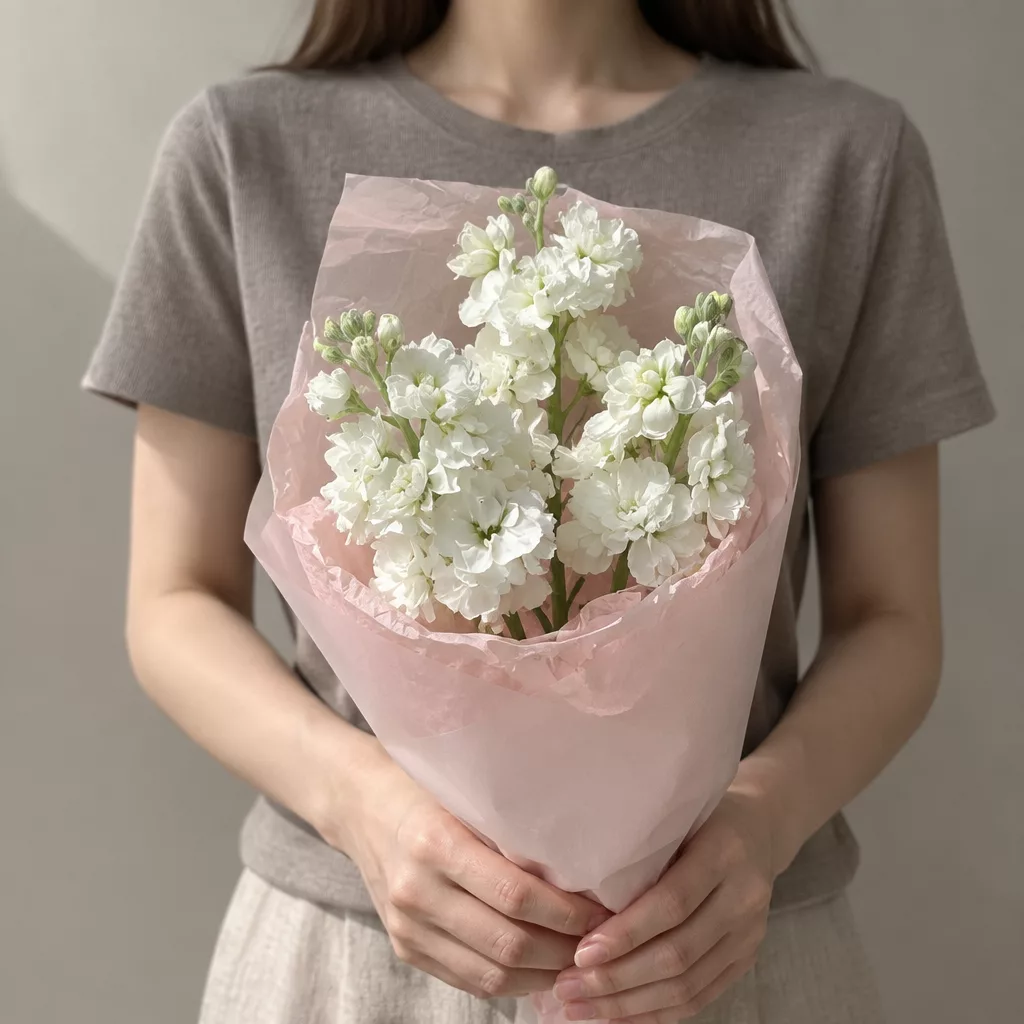
Bouquets we can deliver

Yellow Flowers: The Colour That Signals Separation
Yellow is the single most loaded colour in Russian floral culture, and it is the one that catches international senders off guard most often. A solid yellow bouquet — yellow roses, yellow tulips, yellow chrysanthemums — is widely understood to signal the end of a relationship or an imminent goodbye. The phrase that circulates is roughly translated as 'yellow flowers mean separation,' and while younger Russians may roll their eyes at it, many will still feel a flicker of unease receiving a purely yellow arrangement from someone they care about.
This does not mean yellow is completely forbidden. A few yellow stems mixed generously into a bouquet of other colours — cream roses, peach ranunculus, white freesia — lose their negative charge entirely. The problem is a dominant or exclusive yellow palette. Yellow roses in particular carry the strongest association, partly because roses are already a high-stakes flower in Russia where their meaning is scrutinised closely.
If you love the warmth that yellow brings to an arrangement, ask for it as an accent rather than the lead colour. Soft yellow mimosa in early spring is actually a beloved choice for International Women's Day on March 8th and carries almost entirely positive associations in that context. The timing and combination matter as much as the colour itself. When in doubt, shifting to peach, cream, or warm orange tones achieves the same sunny feeling without any of the cultural baggage that a pure yellow palette carries for a Russian recipient.
Even Numbers of Stems: A Rule With Real Weight
The rule about even and odd numbers of flowers is one of the most consistent pieces of Russian floral etiquette, and it applies across virtually every region and age group. Even numbers of stems — two roses, four tulips, ten peonies — are reserved for solemn occasions. An odd number is what you bring to a living, joyful celebration. This is not a minor detail that people politely overlook; it is something recipients count, especially when the bouquet is unwrapped.
For a sender ordering remotely, this means being specific when you place your order. A bouquet described simply as 'medium roses' might arrive as ten stems depending on how the arrangement is composed. Specifying that you want an odd number — nine, eleven, fifteen — removes any ambiguity. Most reputable florists in Russia will already follow this convention automatically, but if you are ordering from abroad through an online form, stating it explicitly is worth the extra line in your notes.
The numbers most commonly chosen for celebratory bouquets are seven, nine, eleven, fifteen, and twenty-one. There is no particular significance to most of these beyond simply being odd, though seven and eleven tend to compose well visually. Very large bouquets of twenty-five or thirty-five stems are popular for milestone birthdays and anniversaries. The key point is that the count matters to your recipient in a way it simply does not in most other countries, so it is worth treating as a firm rule rather than an optional nicety.
Chrysanthemums: Beautiful Flowers With Complicated Timing
Chrysanthemums are genuinely beautiful flowers — long-lasting, available in a huge range of colours, and capable of holding their form for ten days or more in a cool room. In many European countries they are entirely neutral, used for everything from market stalls to wedding tables. In Russia, however, chrysanthemums carry a strong association with solemn occasions, particularly in the context of serious illness or loss. This association is not universal across all Russian regions or age groups, but it is consistent enough that sending a chrysanthemum-heavy bouquet to celebrate a birthday or a new job carries real risk of misreading.
The species most associated with this connotation are the large-headed single-stem varieties — the kind that look architectural and dramatic in a vase. Spray chrysanthemums, which produce clusters of smaller blooms on branching stems, have a somewhat lighter reputation and are used more freely in mixed arrangements. Even so, if your recipient is over fifty or lives outside the major cities, it is safer to leave chrysanthemums out of a celebratory bouquet entirely and choose something unambiguous instead.
What makes a good substitute? Garden roses, peonies in season from May through June, lisianthus, and ranunculus all fill a similar structural role in an arrangement — they are full-headed, substantial flowers that give a bouquet weight and presence. Any of these will read as clearly celebratory to a Russian recipient without the cultural complexity that chrysanthemums bring to the table.
White Flowers: When Purity Reads as Coldness
White flowers are not categorically problematic in Russia — a bride carrying white roses is entirely conventional, and white tulips in March are a classic Women's Day choice. The issue arises with a purely white bouquet sent in a non-wedding context, particularly to a recipient who is not a close romantic partner. An all-white arrangement can feel clinical or emotionally distant to a Russian recipient, and in certain combinations it edges toward the same solemn associations that chrysanthemums carry.
White lilies are the specific variety to handle carefully. They are strongly associated with serious occasions in Russian culture and their heavy, distinctive fragrance makes them memorable in a way that intensifies any emotional reading. Sending a bouquet of white oriental lilies — the large-headed, intensely scented variety — to a colleague or a friend's parent is the kind of choice that can genuinely unsettle the recipient regardless of your intention.
The solution is not to avoid white entirely but to combine it generously with warm colours. White freesia paired with blush roses and eucalyptus reads as elegant and celebratory. White lisianthus tucked into a bouquet of coral and peach tones adds lightness without any solemn undertone. The principle is that white works beautifully as a supporting colour in a warm palette but becomes ambiguous when it dominates. For a first-time sender to Russia, defaulting to a mixed palette with clear warm tones is the safest and most universally well-received approach.
Carnations: The Flower That Divides Opinion Most Sharply
Carnations have a complicated reputation in Russia that splits neatly along generational lines. For recipients who grew up during the Soviet era, carnations — particularly red ones — carry strong associations with official state occasions, political ceremonies, and formal commemorations. The image of red carnations laid on monuments or presented at solemn public events is deeply embedded in cultural memory for anyone over fifty. Sending red carnations to a person of that generation as a birthday gift can feel tone-deaf at best.
Younger Russians are considerably more relaxed about carnations, and the flower has been partially rehabilitated by the trend toward garden-style and textural arrangements where spray carnations in dusty pink, coral, or burgundy are used as filler alongside garden roses and dried grasses. In that context they read as contemporary and charming rather than formal. The key distinction is between the classic large-headed red carnation and the smaller, more varied modern varieties used in mixed bouquets.
If you are unsure of your recipient's age or background, the simplest approach is to leave carnations out entirely and choose a flower with no cultural complexity attached. Ranunculus, sweet peas in season, and garden-style roses all occupy a similar structural space in an arrangement and carry no negative associations for any Russian recipient. Carnations are worth knowing about not because they are always wrong but because they are the flower most likely to land differently than you intended depending entirely on who is receiving them.
Combinations and Colours That Work Beautifully Instead
Understanding what to avoid is only half the picture. The more useful knowledge is knowing which combinations will genuinely delight a Russian recipient regardless of their age, city, or background. Warm mixed bouquets built around garden roses in blush, coral, or deep red are the safest and most universally beloved choice. Add in ranunculus for texture, eucalyptus or ruscus for green depth, and perhaps some freesia for fragrance, and you have an arrangement that reads as generous, thoughtful, and clearly celebratory.
Pink is an exceptionally safe colour in Russian floral culture — from pale blush to vivid hot pink, it carries almost no negative associations and works across every occasion from birthdays to congratulations on a new home. Red roses remain the classic romantic choice and are received with the same warmth they carry in most of the world. Deep burgundy tones in roses or peonies read as sophisticated and are popular for professional congratulations.
For seasonal choices, peonies from May through early July are one of the most beloved flowers in Russia and are virtually impossible to get wrong. Tulips in March are a spring classic tied to Women's Day and carry enormous positive associations. Hydrangeas in summer and autumn add volume and a relaxed garden feel that most recipients respond to warmly. When in mind about a specific recipient, a mixed bouquet in warm tones with an odd number of stems and no yellow, white, or chrysanthemum dominance will serve you well in almost every situation you are likely to encounter.
Sending flowers to Russia from abroad is a genuinely lovely gesture, and getting the cultural details right makes the difference between a gift that lands with real warmth and one that creates a moment of quiet confusion. The core rules are simpler than they first appear: avoid dominant yellow, keep to odd numbers of stems, handle white lilies and chrysanthemums with care, and build your bouquet around warm colours that read as unambiguously celebratory. A working florist who knows Russian culture can guide you through the rest, and most recipients will feel the care and thought behind a bouquet that respects local tradition even when it comes from the other side of the world.
Frequently asked questions
Is it really true that yellow flowers mean separation in Russia?
The association is genuine and widely felt, particularly among recipients over thirty-five. A purely yellow bouquet — yellow roses or yellow tulips with no other colours — carries a clear connotation of farewell or a broken relationship for many Russian recipients. Mixing a few yellow stems into a warm, multi-coloured arrangement removes the negative charge entirely, so the colour itself is not forbidden, just risky when dominant.
Do younger Russians in Moscow or Saint Petersburg care about these rules?
Younger urban Russians have relaxed some of the stricter conventions, particularly around carnations and chrysanthemums, but the even-number rule and the yellow association remain remarkably consistent across age groups. Even a recipient who consciously dismisses the superstitions may feel a subtle unease receiving an even-numbered yellow bouquet, so following the core rules is still worthwhile regardless of your recipient's age.
What is the safest flower choice if I know nothing about the recipient?
A mixed bouquet of garden roses in blush or coral tones, combined with ranunculus and eucalyptus, in an odd number of stems — nine or eleven is a good range — is the most universally well-received choice in Russian floral culture. It reads as warm, generous, and clearly celebratory without any of the cultural complexity attached to yellow flowers, chrysanthemums, or white lilies.
Are all white flowers problematic to send in Russia?
Not at all. White flowers become culturally ambiguous when they dominate the entire bouquet, particularly white oriental lilies sent in a non-romantic context. White used as a supporting colour alongside warm pinks, corals, or creams reads as elegant and entirely appropriate. White tulips in spring and white freesia in mixed arrangements are both popular and well-received choices for celebrations.
Does the number of flowers really matter that much in practice?
It matters more than most international senders expect. Russian recipients count stems, especially when unwrapping a bouquet, and an even number is immediately noticeable. Specifying an odd number when you place your order takes ten seconds and removes any risk of misreading. Most florists in Russia follow this convention automatically, but when ordering remotely it is worth stating explicitly in your order notes.
Ready to send flowers?
Pick the city, choose the bouquet, and a local florist takes it from there.
Choose a city →