Gerberas in Russia: Colour, Seasons, and What You Actually Pay
Gerberas are one of those flowers that make people smile before they even reach for the card. The face is wide and open, the colours are unapologetic, and there is something almost childlike about the way they turn toward whoever is holding them. In Russia they are available twelve months of the year, which makes them a reliable choice whether you are sending a birthday bouquet in February or a congratulations arrangement in July. But availability is not the same as quality, and price shifts noticeably across the calendar. This guide walks you through what to expect at every season, how to match colour to occasion, what a stem realistically costs, and how to keep gerberas looking their best once they arrive.
Why Gerberas Work for Almost Any Russian Occasion
In Russia, flowers carry a great deal of social weight. You bring them to birthdays, graduations, teacher appreciation days, housewarming visits, and any moment that calls for saying thank you without a long speech. Gerberas fit into nearly all of these situations because they read as cheerful and generous without being overly formal. A rose says something specific; a gerbera simply says you are glad the person exists.
They also photograph well, which matters more than florists sometimes admit. Many customers in Russia share their bouquets on social media or in family chats, and gerberas hold colour on a screen in a way that more delicate flowers do not. The petals are flat, the centre is distinct, and even a phone camera captures the whole thing accurately.
For occasions that do not have a fixed floral tradition — a colleague's promotion, a friend's new apartment, a child's first recital — gerberas remove the guesswork. They are not weighted with symbolism the way lilies or chrysanthemums can be. This makes them especially useful if you are sending flowers to someone in Russia from abroad and you are unsure of the customs. You will not accidentally send the wrong message with a gerbera. What you will send is colour, warmth, and something that lasts on a table for a week or more when cared for properly.
Bouquets we can deliver

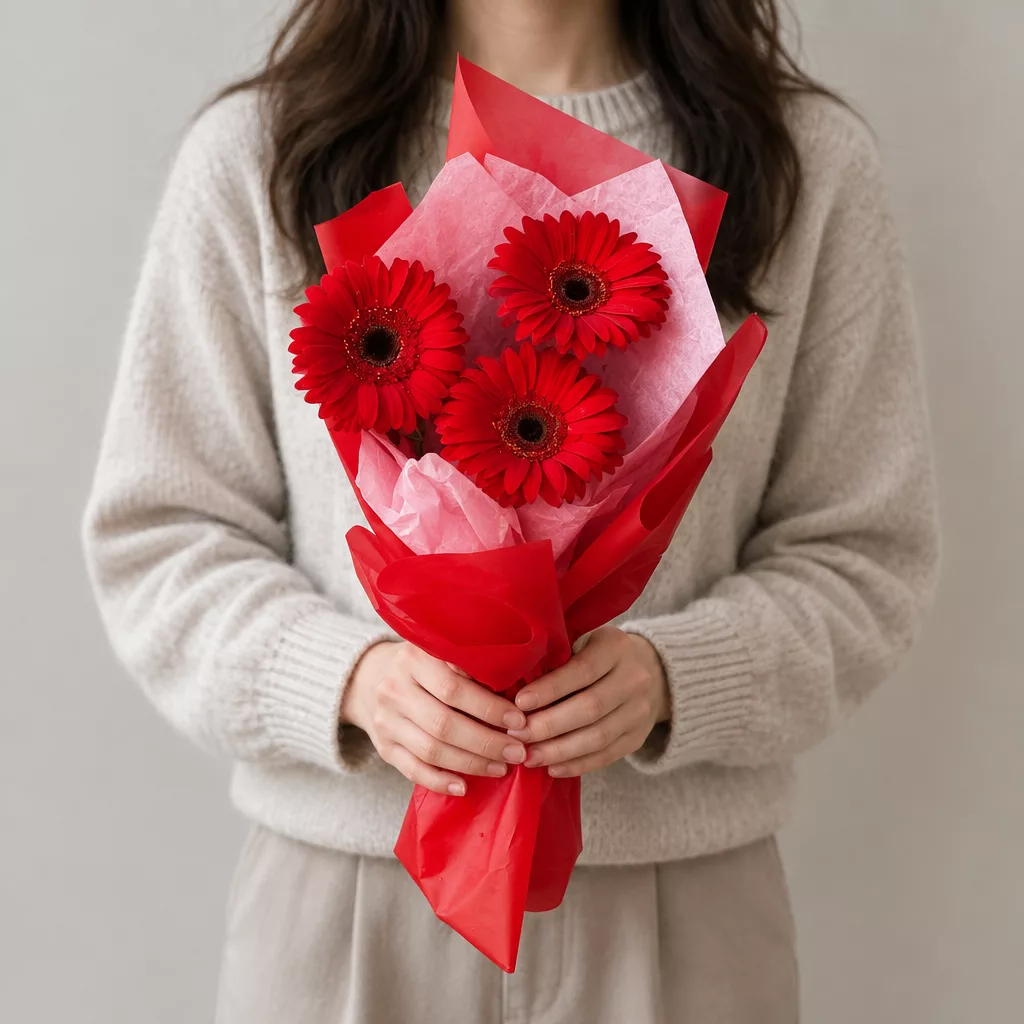
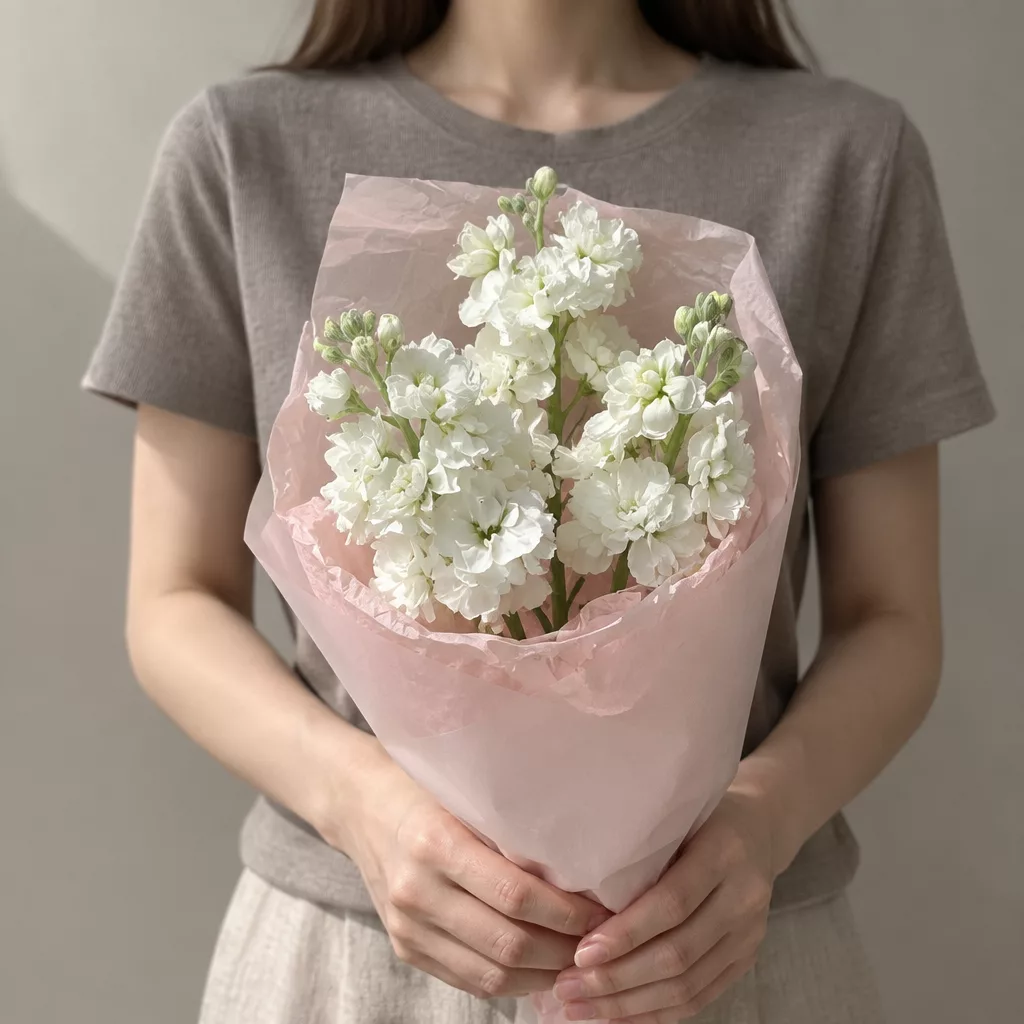
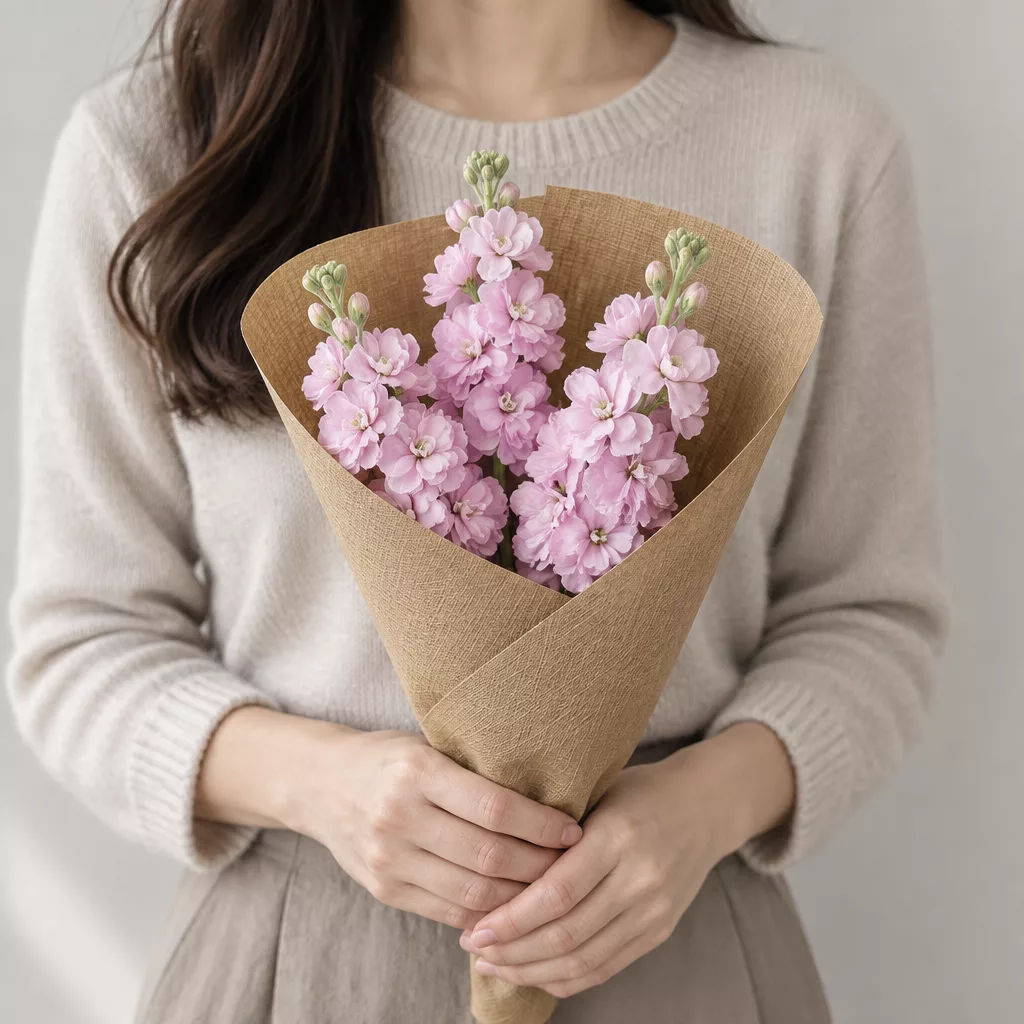
Seasonal Availability: When Gerberas Are at Their Best
Russia imports the majority of its gerberas from the Netherlands and Colombia, with smaller volumes coming from Ecuador and domestic greenhouse producers in the Moscow and Leningrad regions. This import structure means gerberas are available year-round, but the quality window and stem length vary by season.
From late March through October, supply chains are at their most efficient. Stems arrive with less transit stress, head diameters are fuller, and the colour range is widest because growers are running at peak production. This is the period when you are most likely to receive stems with a head diameter of nine to twelve centimetres and strong, upright necks.
November through February is a different story. Heating costs in European greenhouses push some growers to reduce output, and longer cold-chain distances into Russia mean stems arrive with slightly more fatigue. You will still find gerberas easily, but the selection of unusual colours — dusty rose, burnt orange, bicolour varieties — narrows. Standard reds, yellows, and hot pinks remain consistent throughout winter because demand for them is high enough to sustain reliable supply.
The weeks around March 8th, International Women's Day, are the single busiest period for flowers in Russia. Demand spikes so sharply that prices rise and some colours sell out within hours. If you are planning a gerbera order for early March, placing it at least two to three days ahead is genuinely important, not just a precaution. The same applies, to a lesser degree, to the period around September 1st, when teachers receive flowers from students across the country.
The Colour Range: Matching Gerberas to the Moment
Gerberas come in one of the widest colour ranges of any cut flower, and the combinations available in Russia reflect both global growing trends and local taste. Red and yellow are perennially popular because they are bright and unambiguous — exactly what you want when the message is celebration. Hot pink is a consistent seller for birthdays, particularly for younger recipients or anyone who appreciates a bold arrangement.
White gerberas are used more carefully in Russia than in some other countries. White flowers are traditionally associated with formal or solemn occasions in Russian culture, so a purely white gerbera bouquet can feel slightly cool to a Russian recipient who does not know the sender well. Mixed arrangements that include white alongside coral, peach, or lavender work much better — the white reads as elegant rather than reserved.
Orange gerberas have grown significantly in popularity over the past several years, partly because of their warmth and partly because they photograph beautifully in natural light. Peach and salmon tones sit in a similar space — they feel considered and slightly more grown-up than primary colours, which makes them a good choice for a colleague or a parent.
Bicolour gerberas, where the petals shift from one tone at the tip to another at the base, are available mainly in spring and summer. They add visual interest to a mixed bouquet without requiring additional flower varieties. If you want an arrangement that looks composed and intentional rather than simply colourful, asking for two or three bicolour stems among a standard mix is a simple way to achieve that.
Understanding Gerbera Prices in Russia
Gerbera pricing in Russia follows a logic that is worth understanding before you order. The stem price is influenced by head size, stem length, colour rarity, and season. Standard varieties with a head diameter of around eight centimetres and a stem of forty to fifty centimetres sit at the most accessible price point. Larger-headed varieties, sometimes called giant or maxi gerberas, cost more per stem because they require longer growing cycles and more careful handling in transit.
Spider gerberas — the variety with narrow, elongated petals that radiate outward like a starburst — are priced above standard varieties because they are grown in smaller volumes and appeal to a more specific aesthetic. They are worth considering if the recipient has a contemporary or design-oriented sensibility.
Prices rise predictably around March 8th, Valentine's Day on February 14th, and September 1st. The increase is real and significant, sometimes doubling the per-stem cost for the most popular colours. Outside those peaks, gerberas are among the most cost-effective ways to fill a bouquet with colour. A dozen stems can create an arrangement that feels generous and full without the cost of a dozen roses.
For budget-conscious orders, mixing gerberas with greenery — eucalyptus, ruscus, or asparagus fern — extends the visual volume without adding expensive stems. For a more premium feel, pairing gerberas with ranunculus or spray roses in a complementary colour creates an arrangement that reads as thoughtfully composed rather than simply cheerful. The gerbera provides the structure and colour; the secondary flowers add texture and depth.
How Long Gerberas Last: Honest Expectations and Care Tips
A well-conditioned gerbera stem, delivered fresh and placed in clean water, will typically last seven to ten days. Some stems push to twelve days under good conditions. That is a strong vase life for a flower at this price point, and it is one of the reasons florists recommend gerberas when the recipient will not be home to receive the flowers immediately or when the arrangement needs to look good for a specific event several days away.
The most common mistake people make with gerberas is cutting the stems too short. Gerberas drink through the full length of the stem, and if the stem sits in only a centimetre or two of water, the head droops within a day. Cut the stem at a forty-five-degree angle, use a clean sharp knife rather than scissors, and fill the vase so the water covers at least a third of the stem length.
Gerberas are sensitive to bacteria in the water. Change the water every two days, rinse the vase each time, and remove any leaves that fall below the waterline. Leaves rot quickly and accelerate bacterial growth, which is the primary cause of early stem collapse.
Keep gerberas away from direct sunlight and heat sources. A room temperature of eighteen to twenty-two degrees Celsius is ideal. They do not like cold draughts either, so a windowsill in a Russian apartment in January — where cold air leaks around the frame — is not the best spot despite the light.
If a head begins to droop despite sufficient water, re-cut the stem, wrap the entire flower including the head loosely in newspaper, and stand it upright in deep water for two hours. This simple conditioning trick revives gerberas more reliably than it does most other flowers.
Building a Gerbera Bouquet That Feels Considered
A bouquet of gerberas alone is cheerful and direct. A bouquet of gerberas combined with the right supporting elements is something a person keeps in the centre of their table rather than moving to a corner. The difference is usually in how the colours and textures are layered.
For a warm, celebratory arrangement, pair orange or coral gerberas with yellow solidago and a handful of green hypericum berries. The solidago adds a soft, feathery texture that contrasts with the flat gerbera face, and the berries provide a small visual rhythm throughout the bouquet. This combination works especially well for autumn birthdays or any occasion where you want the arrangement to feel abundant.
For a softer, more romantic feel, mix pale pink gerberas with white lisianthus and silver-green eucalyptus. Lisianthus has a ruffled, layered petal structure that makes the simple gerbera face look even more graphic by contrast. This pairing is popular for anniversaries and for sending to someone who has recently moved into a new home.
For a bold, graphic arrangement that suits a modern interior, use two colours of gerbera — say, deep red and white — with no additional flowers, just a generous amount of flat-leaf greenery like monstera or large ruscus. The restraint makes the colours hit harder.
When ordering for a Russian recipient, consider the number of stems. In Russian tradition, even numbers of flowers are associated with formal or solemn occasions, so bouquets given as gifts are almost always made with an odd number of stems. A florist will know this automatically, but if you are customising your order, aim for five, seven, nine, or eleven gerberas rather than six, eight, or ten.
Gerberas earn their place in the Russian flower market not through exclusivity but through reliability. They are available in every season, they come in a colour for every mood, they last longer than most flowers at a comparable price, and they carry no cultural weight that might send the wrong message. Whether you are sending a single-variety bouquet of twelve stems in matching coral or a mixed arrangement where gerberas provide the colour anchor and other flowers add texture, the result is something that feels alive and warm on a table. Order with the season in mind, think about the recipient's space and personality when choosing colour, and give the stems the simple care they need — fresh water, a clean vase, a sensible room temperature — and gerberas will reward you with a week or more of genuine colour.
Frequently asked questions
Are gerberas appropriate to send as a gift in Russia, or are they seen as too informal?
Gerberas are widely accepted as gift flowers in Russia across a broad range of occasions — birthdays, congratulations, teacher appreciation, and housewarming visits. They are considered cheerful and generous rather than informal. The one context where a different flower might suit better is a very formal professional setting, where roses or lilies carry more traditional weight.
Why do gerbera heads sometimes droop even when the vase has water?
Drooping usually means the stem is blocked by bacteria or was cut too short. Re-cut the stem at a forty-five-degree angle, change the water completely, and make sure the water level covers at least a third of the stem. Wrapping the drooping flower in newspaper and standing it in deep fresh water for a couple of hours often revives it fully.
Can I order gerberas in a specific colour combination for a Russian holiday like March 8th?
Yes, and it is a good idea to specify your colour preferences when ordering for March 8th. Supply of unusual colours — bicolours, dusty rose, pale lavender — tightens significantly in early March. Placing your order two to three days before the date and naming your preferred colours gives the best chance of getting exactly what you want.
What is the difference between standard gerberas and spider gerberas?
Standard gerberas have broad, overlapping petals arranged in a classic daisy shape. Spider gerberas have narrow, elongated petals that spread outward with visible gaps between them, creating a starburst effect. Spider varieties are grown in smaller quantities, cost more per stem, and suit contemporary or design-led arrangements where a more graphic silhouette is the goal.
How many gerbera stems make a good bouquet for a birthday gift in Russia?
Seven, nine, or eleven stems are the most common choices for a birthday bouquet in Russia, where tradition calls for odd numbers in celebratory gifts. Seven stems create a compact, focused arrangement. Eleven stems feel generous and full. If you are mixing gerberas with other flowers, the total stem count across the whole bouquet should still land on an odd number.
Ready to send flowers?
Pick the city, choose the bouquet, and a local florist takes it from there.
Choose a city →