Giant allium: a practical guide to growing and arranging it
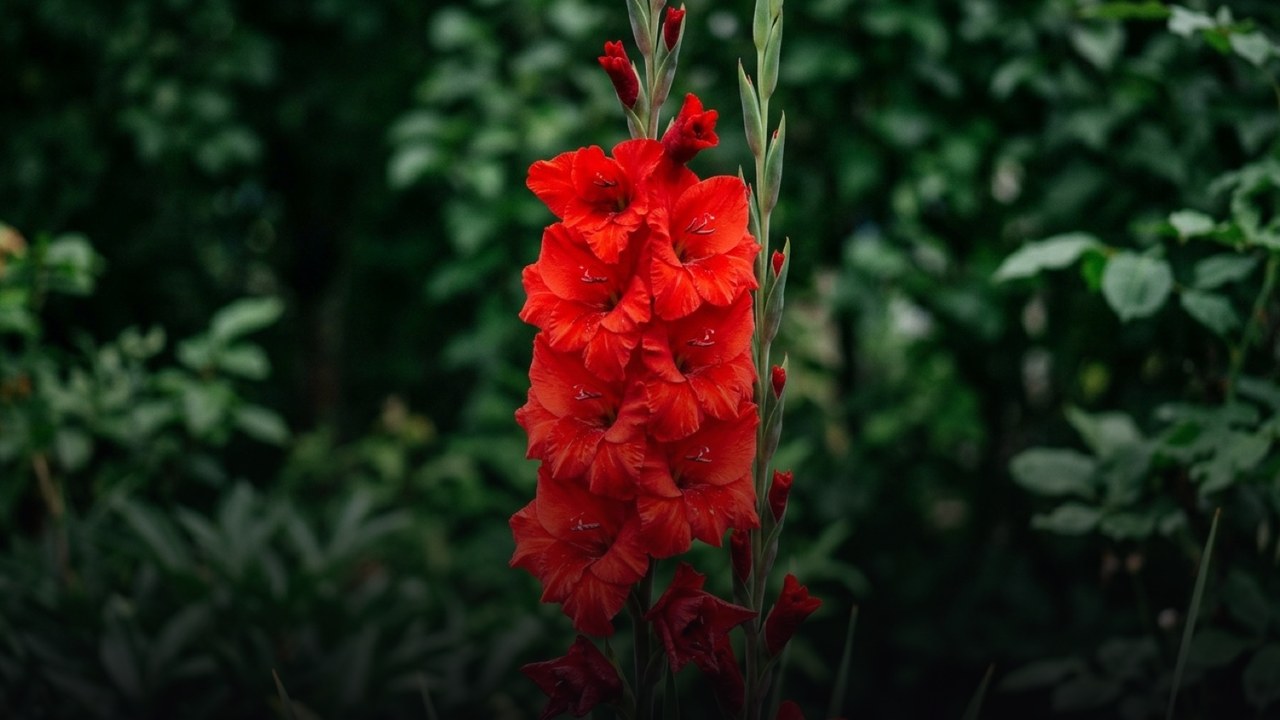
Giant allium is a tall ornamental onion grown for rounded heads of small, usually purple flowers held above the foliage on upright stems. The name often refers to Allium giganteum, although retailers also use it for large-flowered allium hybrids. It is planted as a garden bulb and can also provide striking cut stems for arrangements.
If you are choosing bulbs, check the botanical name and the stated mature height: a photograph of a purple globe cannot reliably identify the plant. If you want cut flowers, focus on the flower head, stem condition and available space in the vase. Garden planting and bouquet care need different approaches, so start with the advice that matches how you want to enjoy the flower.
What makes an allium a giant?
An allium flower head is a cluster of many small flowers rather than one large bloom. Together, they form the sphere that makes these plants so distinctive. Allium giganteum typically carries its heads on stems roughly 1–1.5 metres tall, although growing conditions affect the result. Other tall ornamental alliums may have larger heads without being the same species.
Named hybrids such as ‘Globemaster’ and ‘Gladiator’ are often included in searches for giant allium. Their height, flower size and flowering period differ, so compare the details on the bulb label instead of buying by the word ‘giant’ alone. For a species-focused introduction, see our Allium giganteum garden guide.
Most giant ornamental alliums flower in late spring or early summer, with the exact timing depending on the variety and climate. Leaves can begin yellowing while the flower heads still look fresh; this is part of their seasonal cycle. In a border, place them among later-developing perennials that can soften the view of fading foliage without crowding the bulbs.
How to plant giant allium bulbs successfully
Plant bulbs in autumn in a sunny position with soil that drains freely. Persistent waterlogging is a greater concern than a bed that dries slightly between showers. Before planting, watch where water collects after rain and choose a better-drained position if necessary. A raised bed can help where the existing soil stays wet, provided excess water has somewhere to escape.
Follow the planting depth and spacing supplied for your particular bulb. As a general guide, alliums are often planted with the base about three bulb-heights below the surface, but large bulbs and different soil conditions warrant checking the label. Set each bulb with its pointed end upwards, backfill gently and water to settle the soil if the ground is dry.
Leave enough space for the mature plant rather than packing bulbs together for an immediate effect. Small, repeated groups usually make the rounded heads easier to appreciate, especially when viewed from a path or window. If you grow them in a container, choose one with drainage holes and sufficient depth for the recommended planting depth and the roots beneath.
Bouquets we can deliver




Seasonal care, fading leaves and flowers that fail to appear
During active growth, water when the soil becomes dry, particularly in containers, but avoid keeping the compost constantly saturated. Once flowering finishes, allow the leaves to yellow and die back naturally. They are still helping replenish the bulb while green, so cutting them away early can reduce the plant’s reserves for its next growing cycle.
You can remove spent flower heads if you do not want seed to develop, or leave them standing for their sculptural shape. Keep foliage care separate from that decision: taking off a flower head does not mean the leaves should come off too. Once foliage has fully withered, clear it away gently and mark the planting spot so you do not accidentally dig through resting bulbs.
If an established allium produces leaves but no flowers, check sunlight, drainage, crowding and whether its leaves were removed early the previous season. A recently planted or disturbed bulb may also need time to establish. Avoid treating every failure as a feeding problem; review the growing conditions first, and use any fertiliser according to its label rather than adding repeated doses.
How to care for giant allium as a cut flower
Choose stems with firm, well-supported heads and flowers that look fresh rather than extensively browned or shedding. A few unopened florets are normal, but a mostly closed head may not develop into the full sphere you expect after cutting. For stems from your own garden, harvest during a cool part of the day and put them into clean water promptly.
Wash the vase, trim the stem ends with a clean, sharp tool and remove any foliage that would sit below the waterline. Add cut-flower food according to the packet instructions if you have it. Check the water daily, top it up as needed and replace it when it becomes cloudy, cleaning the vase and refreshing the stem ends at the same time.
Keep the arrangement away from direct sun, heaters and ripening fruit. Allium stems can release an onion-like smell when cut or when the water deteriorates, so clean water matters especially in a small room. Vase life varies with the variety, freshness and conditions; judge each stem by its condition instead of expecting a fixed number of days.
Use a stable vase that supports the stems without crushing them at the neck. Giant heads create a broad outline, and a narrow, lightweight vessel can become unbalanced. Give each globe enough room to remain visible rather than squeezing several together. If you want to dry the heads afterwards, select sound stems before they begin to deteriorate.
Choosing allium for a gift: style, meaning and etiquette
Giant allium suits someone who enjoys unusual shapes, garden flowers or a clean, architectural arrangement. Its round heads work well as focal points above softer flowers and foliage. Before choosing a very tall design, consider where the recipient will put it: a generous hallway vase offers different possibilities from a small desk or a dining table used for conversation.
You may see allium associated with unity, patience or good fortune in flower symbolism, but these meanings are not universal. Treat them as possible personal associations rather than a message the recipient will automatically recognise. If the gift marks a birthday, reunion or thank-you, a clear card message communicates your intention more reliably than a flower’s supposed meaning.
Alliums belong to the onion family and can be toxic to cats and dogs if eaten. For a home with pets that chew plants, ask for help choosing suitable flowers and keep arrangements out of reach. Also consider the recipient’s preferences about fragrance: the scent released by cut allium stems can make another flower a better choice for someone sensitive to smells.
Sending flowers to Russia when you are abroad
If this guide has inspired a gift, start with the bouquets catalogue and discuss your preferred style before ordering. This article does not confirm that giant allium is available for a particular date. Contact a manager on WhatsApp for help choosing a bouquet, agreeing the address, delivery time and card text, and arranging a photo of the bouquet before delivery.
We deliver flowers across Russia. City delivery costs 500 RUB; for remote districts and suburbs, the operator confirms the price when confirming the order. Express delivery in large cities is available 1–2 hours after order confirmation. You can also arrange an exact time within a ±30-minute tolerance, choose 09–12, 12–15, 15–18 or 18–21, or pre-order 1–30 days ahead.
Delivery is anonymous by default: the courier does not name the sender, and a card with your text is free. Sign the message if you want the recipient to know who sent it. The courier calls about 15 minutes before arrival. If the recipient is absent, we agree a second delivery that day or, with the sender’s consent, hand the flowers to a neighbour or concierge.
Online checkout uses CloudPayments. If you are paying from abroad, check the options displayed at checkout; acceptance of every foreign card cannot be guaranteed. Read delivery and payment details when planning the order, and give the manager the delivery date and time as intended at the recipient’s destination so the arrangements are clear.
Frequently asked questions
Is giant allium the same as Allium giganteum?
Allium giganteum is a particular species of ornamental onion. The common name giant allium is also used for other tall or large-flowered alliums, so check the botanical name or cultivar on the label.
Does giant allium come back every year?
Giant alliums are perennial bulbs and can return in suitable growing conditions. Good drainage, sufficient sunlight and allowing the leaves to die back naturally help support future growth and flowering.
Can I grow giant allium in a pot?
Yes, provided the container has drainage holes and enough depth and width for the variety’s planting requirements. Check moisture more frequently than you would in a garden bed, while allowing excess water to drain freely.
Why are my giant allium leaves turning yellow during flowering?
Many ornamental alliums begin losing their foliage around flowering time as part of their normal seasonal cycle. Leave the foliage until it has fully withered; if yellowing appears unusually early alongside weak growth, check drainage and growing conditions.
Can I order a giant allium bouquet for delivery in Russia?
Ask the manager whether giant allium can be included for your chosen date before placing an order that depends on this flower. We deliver flowers across Russia, and the manager can help agree the bouquet, address, timing and card text.
Ready to send flowers?
Pick the city, choose the bouquet, and a local florist takes it from there.
Choose a city →