Gifting Flowers to a Russian Teacher: Traditions and Tips
In Russia, handing a bouquet to a teacher is not a casual gesture — it carries genuine weight. From the first day of school in September to graduation ceremonies in June, flowers are the language students and parents use to say thank you in a way that words rarely manage alone. If you are new to this custom or simply want to get it right, this guide will walk you through everything a working florist sees from the other side of the counter.
Why Flowers for Teachers Matter So Much in Russia
The tradition of giving flowers to educators stretches back generations in Russia and runs far deeper than a polite formality. Soviet-era schools established the habit of students arriving on the first of September with bouquets in hand, and that image — a child carrying chrysanthemums or dahlias through a school gate — has become one of the most recognisable pictures of Russian autumn. The custom signals respect not just for the individual teacher but for the profession itself.
For Russian families, the bouquet is a physical expression of gratitude that a card or a gift voucher simply cannot replace. Teachers notice when a bouquet is thoughtfully assembled and when it is grabbed from the nearest stall without care. The flowers communicate how seriously the family takes the relationship.
This matters especially for parents who are navigating the Russian school system for the first time, or for international families living in Russia who want to participate in local culture authentically. Getting the flowers right is a small act that builds genuine goodwill. It tells a teacher that her work is seen and valued, and that the family behind the student understands the local language of appreciation. A well-chosen bouquet lands differently than an expensive but impersonal gift, and experienced teachers feel that difference immediately.
Bouquets we can deliver

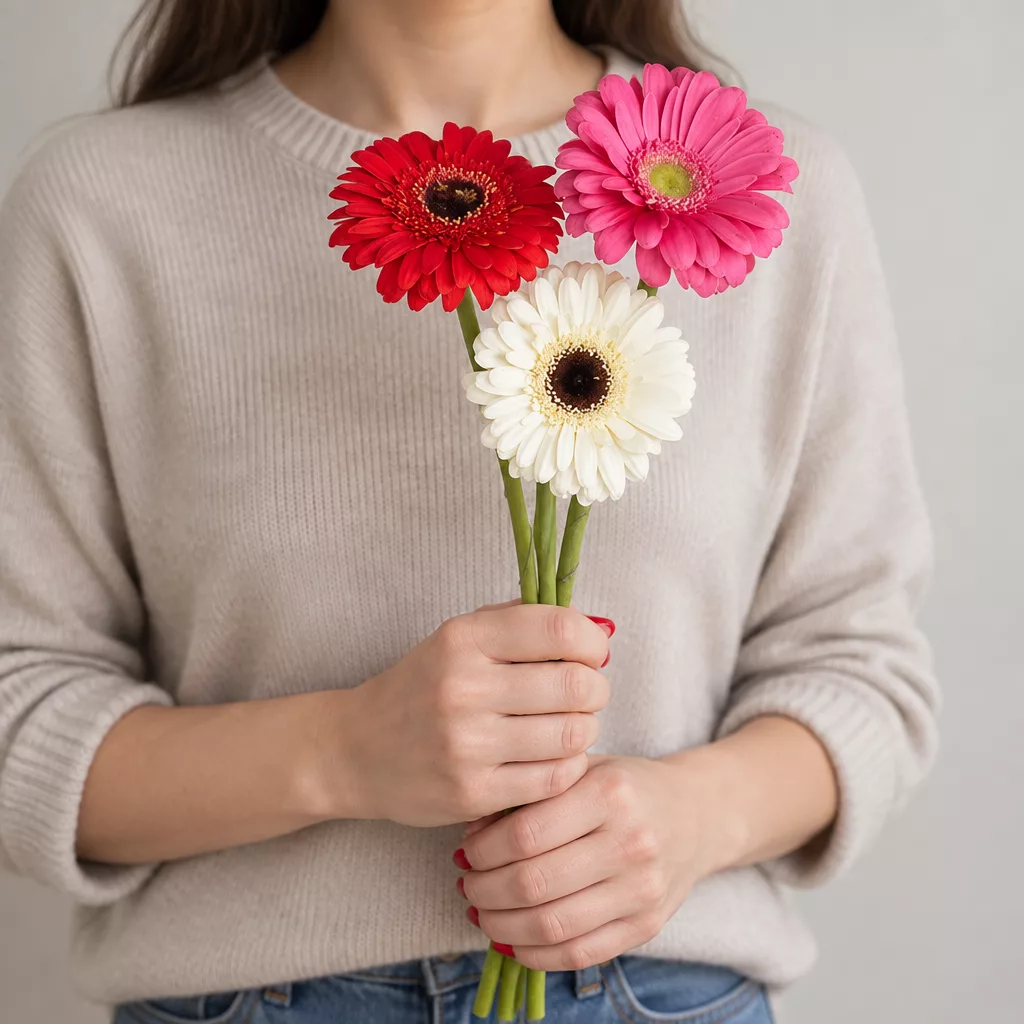

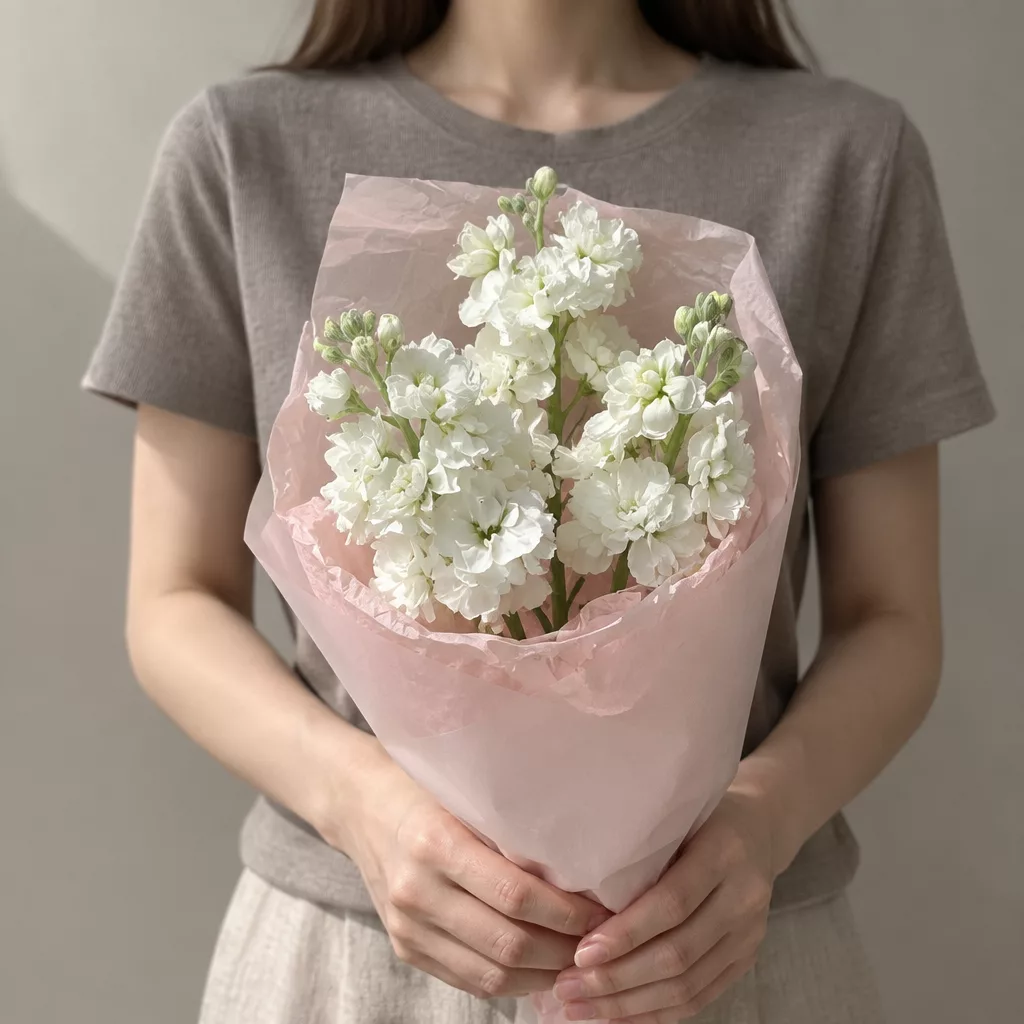
The Key Dates When Teachers Expect Flowers
Knowing when to give is as important as knowing what to give. Russia has several fixed moments in the school calendar when arriving without flowers would genuinely stand out. The first and most iconic is the First of September, known as the Day of Knowledge. Every student is expected to bring a bouquet, and the collective sea of flowers in the school hall is part of the ceremony itself. Autumn blooms dominate here — dahlias, gladioli, chrysanthemums, and asters are all in season and deeply associated with this day.
The second major date is Teacher's Day, celebrated on the fifth of October. This is the occasion when older students, parents, and even former pupils tend to send or bring flowers as a standalone gesture of appreciation, without waiting for any other event. It is a day dedicated entirely to the profession.
The end of the school year in late May and early June brings another wave of bouquets, particularly at graduation ceremonies for ninth and eleventh graders. These bouquets tend to be more elaborate and celebratory, reflecting the significance of the milestone. Finally, individual teachers often receive flowers on their personal birthdays if students know the date — a more intimate gesture that carries particular warmth. Missing the First of September is the one mistake most noticed; the other dates allow slightly more flexibility, but observing them leaves a lasting impression.
Choosing Flowers That Show Genuine Respect
Russian teachers, particularly those of an older generation, have clear preferences shaped by decades of receiving flowers. Chrysanthemums are the single most traditional choice for the First of September — they bloom in early autumn, they last well, and they carry no associations other than respect and appreciation. A large spray chrysanthemum in white or soft yellow is always appropriate. Gladioli are another classic autumn option, tall and formal in a way that suits the solemnity of the occasion.
For Teacher's Day in October and for end-of-year bouquets, the palette can broaden. Roses are universally accepted and appreciated, with red roses reading as the most formal and respectful, while peach, cream, and soft pink shades feel warmer and more personal. Eustoma, sometimes called lisianthus, adds elegance without overpowering the arrangement and pairs beautifully with roses or spray carnations.
Carnations have a complicated reputation in some Western countries but are perfectly well-regarded in Russia when used thoughtfully — white or pale pink carnations in a mixed bouquet work well. Avoid anything too exotic or unfamiliar, not because it is wrong, but because a teacher receiving a bouquet of tropical proteas may simply not know how to care for them. Stick to flowers the recipient will recognise and feel comfortable displaying in a classroom or taking home. The goal is a bouquet that feels considered, not one that draws attention to itself for the wrong reasons.
Bouquet Sizes and Presentation by Budget
The size of a bouquet for a teacher is governed more by occasion than by budget. On the First of September, when every student brings flowers, a modest but well-assembled bouquet of five to seven stems is entirely appropriate — it is the collective gesture that matters, and the teacher will receive many bouquets that morning. Going dramatically larger than classmates can feel like an attempt to stand out rather than to honour the teacher, which misses the point entirely.
For Teacher's Day, when a bouquet may be the only one a teacher receives that day, a slightly more generous arrangement of nine to eleven stems makes a stronger impression. This is the moment to add some greenery — eucalyptus, ruscus, or soft fern — to give the bouquet structure and longevity. A wrapped bouquet in kraft paper or soft fabric feels more personal than cellophane alone.
For graduation, the bouquet can be the most elaborate of all three occasions. Fifteen stems or more, combining roses with eustoma or alstroemeria, wrapped with ribbon and a card, reflects the significance of the moment. Alstroemeria is particularly practical here because it lasts up to two weeks in water, giving the teacher something beautiful to enjoy long after the ceremony ends.
Presentation detail matters in Russia: flowers should face upward and outward, the stems should be clean and even, and the bouquet should feel full rather than sparse. A well-presented smaller bouquet will always outperform a large but carelessly assembled one.
Colours and Numbers: What Russian Etiquette Expects
Two rules govern flower etiquette in Russia more than any others, and both are worth understanding clearly before you order. The first is the number of stems: always give an odd number of flowers. Even numbers — two, four, six, ten — are associated with funerals and mourning in Russian tradition, and giving a teacher an even-numbered bouquet is considered a serious misstep. This rule applies regardless of the flower type or the occasion. Three, five, seven, nine, eleven — these are the numbers to work with.
The second rule concerns colour. White flowers are appropriate and even elegant for teachers; they signal purity of intention and are widely used in school bouquets. Red is formal and respectful. Mixed pastel palettes — peach, cream, lavender, soft pink — are warmly received. What to avoid is any combination that leans heavily toward dark or saturated purple, as very deep purple flowers carry funerary associations in some Russian regions. This is not a universal rule, but when in doubt, lighter shades are always safer.
Yellow flowers deserve a specific note. In older Russian tradition, yellow flowers were associated with separation and jealousy, and some older teachers may still hold that association. Younger teachers and urban recipients generally do not share this feeling, and yellow roses or yellow spray chrysanthemums are increasingly common. If you are uncertain about the recipient's age and background, a mixed bouquet that includes yellow as an accent rather than the dominant colour is the safest approach. These rules are not superstitions to mock — they are part of how your gesture will be read.
Keeping the Bouquet Fresh on the Day
The First of September is one of the most logistically demanding days for flowers in Russia. Families are often ordering or collecting bouquets early in the morning, and the bouquet then travels by public transport or car before sitting in a warm school hall for several hours. This is where many bouquets fail — not because of poor flower quality, but because of poor handling between shop and ceremony.
Chrysanthemums and gladioli are forgiving in warm conditions and hold their shape well without water for three to four hours, which is why they became the traditional First of September flowers in the first place. Roses and eustoma are more sensitive — they need cool conditions and ideally should not go without water for more than two hours in temperatures above eighteen degrees Celsius.
If you are ordering delivery for the morning of the first, request a delivery window that lands as close to departure time as possible. Keep the bouquet in a cool room, away from direct sunlight and radiators, until you leave. On arrival at school, if there is a bucket or vase available, place the stems in water immediately — many Russian schools set out containers specifically for this purpose.
For Teacher's Day in October, temperatures are cooler and the logistics are easier. End-of-year bouquets in late May and June require the most care, as outdoor temperatures can reach twenty-five degrees or more. In that case, roses should be ordered with conditioning in mind, and delivery timing becomes critical to ensure the bouquet arrives looking its best.
Sending Flowers When You Cannot Deliver in Person
There are many situations where a student or family cannot hand flowers to a teacher directly — illness, distance, a schedule conflict, or simply the desire to make a gesture that stands out by arriving at the teacher's home rather than in a crowded school hall. Flower delivery to a teacher is more common than many people realise, and when done well, it carries a particular warmth.
The key is timing and address accuracy. For the First of September, delivery to the school itself is entirely possible, but the building will be busy and access can be restricted. Delivery to the teacher's home address, if known, is often more reliable and more personal. For Teacher's Day, a delivery that arrives during the school day — between ten in the morning and two in the afternoon — catches the teacher at work and creates a moment that colleagues will also notice, which adds to the impact.
When ordering delivery for a teacher, always include a handwritten-style card message. A brief, sincere note — even just a student's name and a sentence of thanks — transforms the bouquet from an anonymous gift into a meaningful one. Teachers keep cards. They rarely keep the packaging.
Turboflora delivers fresh flowers across Russia within one to two hours, which means you can order on the morning of Teacher's Day and still have the bouquet arrive before the school day ends. The flowers leave our studio already conditioned and properly wrapped, so they arrive in the same condition they left — not wilted from a long journey or sitting in an unrefrigerated van.
Giving flowers to a Russian teacher is one of those customs that looks simple from the outside but carries real meaning when you understand the layers behind it. The right varieties, the correct number of stems, the timing of delivery, the care taken with presentation — each detail tells a teacher something about the family and the student she is working with. You do not need to be Russian to participate in this tradition well; you just need to approach it with the same seriousness the tradition itself deserves. A thoughtfully chosen bouquet, delivered at the right moment, is one of the most effective ways to express genuine gratitude — and in Russia, teachers remember it.
Frequently asked questions
What is the most traditional flower to give a Russian teacher on the First of September?
Chrysanthemums are the most deeply rooted choice for the First of September. They bloom naturally in early autumn, last well without water for several hours, and carry no associations other than respect. Large spray chrysanthemums in white or yellow are the classic option. Gladioli are the second most traditional choice and work especially well for a more formal presentation.
How many flowers should a teacher's bouquet contain?
Always choose an odd number — three, five, seven, nine, or eleven stems. In Russian tradition, even numbers of flowers are associated with mourning and are considered inappropriate as a gift for the living. This rule applies regardless of the flower type or the occasion, so it is worth double-checking before you confirm your order.
Is it appropriate to send flowers directly to a teacher's home rather than to the school?
Yes, and many families prefer it. A bouquet delivered to a teacher's home feels more personal than one handed over in a crowded school hall. It also avoids the logistical complications of school access on busy dates like the First of September. If you know the home address, home delivery on Teacher's Day or at the end of the year is a gesture most teachers find particularly touching.
Are yellow flowers acceptable for a Russian teacher?
Older Russian tradition associated yellow flowers with separation, but this feeling is much less common among younger, urban teachers today. If you are unsure of the recipient's background or generation, use yellow as an accent colour within a mixed bouquet rather than the dominant shade. A bouquet that is mostly peach, cream, or white with yellow highlights reads as cheerful and modern without any risk.
What should I write on the card when sending flowers to a teacher?
Keep it sincere and brief. A student's name, a single sentence of genuine thanks, and perhaps a reference to a specific subject or quality the teacher has shown is far more memorable than a generic phrase. Teachers receive many bouquets on key dates; a card that names them and says something specific is the detail that makes your gift stand out and stay remembered.
Ready to send flowers?
Pick the city, choose the bouquet, and a local florist takes it from there.
Choose a city →