Giving Flowers to a Russian Woman: Unwritten Rules to Know
Flowers mean something specific in Russia, and when you give them to a woman, every detail is read — the number of stems, the way you hand them over, whether you remove the wrapping first. None of this is written down anywhere official, but every Russian woman knows it instinctively. If you are new to these customs, a small misstep can turn a generous gesture into an awkward moment. This guide walks you through what actually matters, so your bouquet lands exactly the way you intend it to.
Why the Number of Stems Is Never an Afterthought
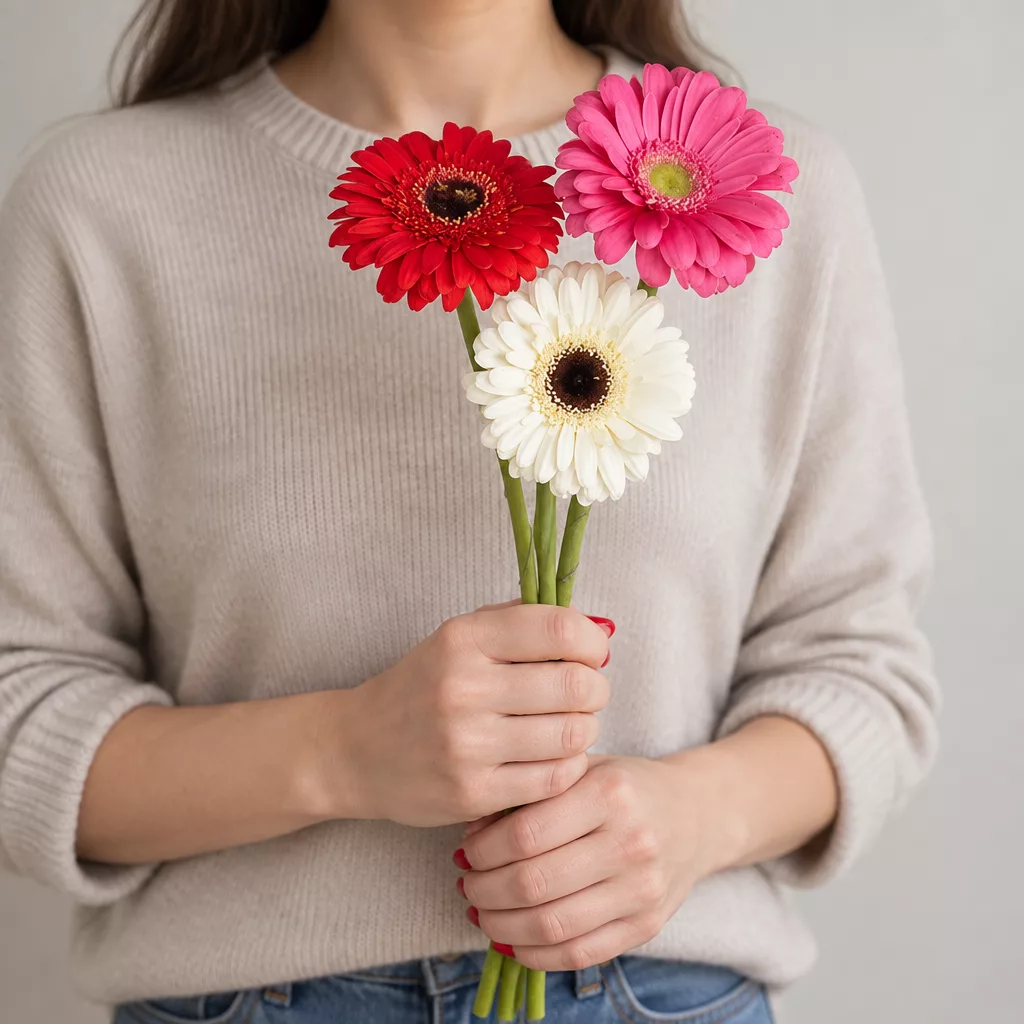
In Russia, the number of flowers in a bouquet carries a meaning that most people outside the country find surprising. Even numbers — two, four, six, eight — are reserved for funerals and mourning. Giving a woman an even-numbered bouquet at a birthday, a first date, or a professional celebration is considered a serious misstep, even if unintentional. The rule is simple: always go odd. Three, five, seven, nine, eleven, fifteen, twenty-one — these are the numbers that belong to living occasions.
This is not superstition in a vague sense. It is a deeply embedded social reflex, and most Russian women will notice immediately if something feels off about a bouquet, even before they count the stems consciously. The feeling registers before the logic does.
For a modest, personal gift, five or seven stems of garden roses or ranunculus work beautifully. For a significant occasion — a milestone birthday, a graduation, a professional achievement — eleven or fifteen stems of peonies, tulips, or spray roses create a generous impression without tipping into extravagance. If you want to make a real statement, twenty-one stems of long-stemmed roses in a single colour signals unmistakable intention and effort. The number itself becomes part of the message, so choose it with the same care you give to the flower variety.
Bouquets we can deliver


How to Actually Hand Over the Bouquet
The physical act of giving flowers in Russia is more deliberate than in many Western countries. The bouquet is handed directly to the woman — not placed on a table, not left at the door, not set down first and gestured toward. The transfer is personal and face to face, and that directness is part of the respect the gesture communicates.
Traditionally, the bouquet is presented with both hands, or at minimum held with the right hand while the left supports it from below. This posture signals that you are offering something of value, not just passing an object. It sounds formal when described, but in practice it takes about two seconds and feels entirely natural once you know it is expected.
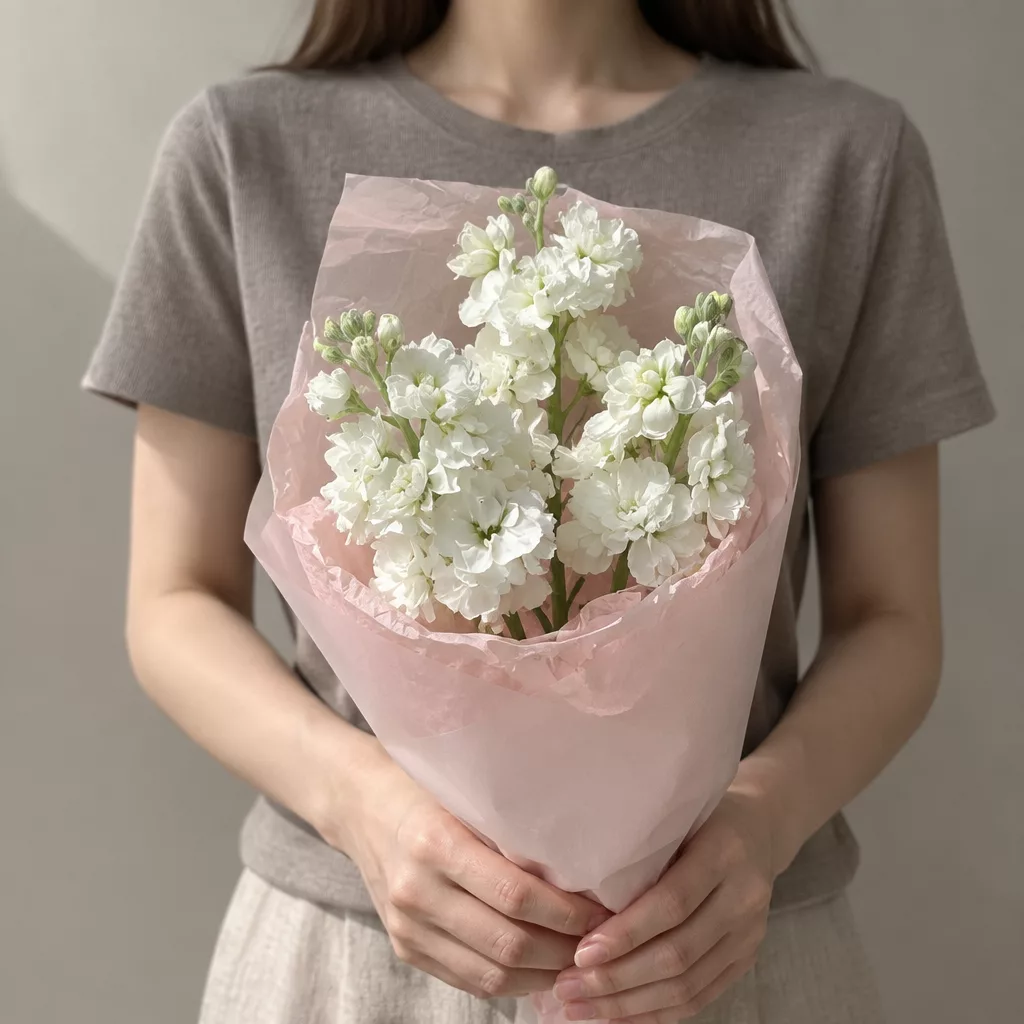
The wrapping question comes up often. In Russia, bouquets are frequently given still wrapped — the packaging is considered part of the presentation, especially when the florist has put care into it. Kraft paper, fabric ribbon, and layered tissue are all acceptable. What matters is that the wrapping looks intentional, not like supermarket cellophane thrown on at the last moment. If you are delivering flowers and cannot be there in person, the presentation packaging carries even more weight, because it is the first and only physical thing the recipient touches before she sees the flowers themselves. A well-wrapped bouquet signals that someone thought about her specifically, not just about the act of sending something.
Matching the Bouquet to the Occasion — and to Her
Russian women celebrate a wide range of occasions with flowers, and the type of bouquet is expected to reflect the occasion's weight. A birthday calls for something abundant and warm — peonies in season, garden roses, or a mixed arrangement with eucalyptus and lisianthus that feels like a real celebration. International Women's Day on the eighth of March is the single largest flower-giving occasion in Russia, and for that day tulips are the classic and still the most emotionally resonant choice, particularly in yellow, white, and soft pink.
A professional achievement — a promotion, a successful defence of a thesis, a first day at a new position — suits something more structured and elegant: calla lilies in a monochrome wrap, or a tight arrangement of white or cream spray roses that reads as sophisticated without being cold. For a teacher, a doctor, or a colleague you respect professionally, chrysanthemums remain a traditional and widely appreciated choice in Russia, even though they have fallen out of fashion in some other markets.
For a romantic occasion, the expectation skews toward roses, but variety and colour matter more than the name alone. Red roses signal passion and are taken seriously — do not send them unless you mean it. Soft pink or peach garden roses, David Austin varieties if available, or a mix of ranunculus and sweet peas read as romantic but not declarative. Think about what she actually likes, not just what the occasion technically calls for, and the bouquet will feel personal rather than procedural.
Colours That Carry Meaning in Russian Culture
Colour is another layer of communication that Russian women read naturally. Red is the colour of love and romantic intensity — a red rose bouquet is not a casual gift and will be understood as a strong statement. If you are in the early stages of knowing someone and want to be warm without being overwhelming, softer tones do the work more gently: blush, peach, lavender, ivory, and warm yellow all feel generous without pressure.
Yellow flowers deserve special mention because they have a complicated reputation in Russian culture. There is a persistent folk belief that yellow flowers signal separation or the end of a relationship. This belief is not universal — younger generations in cities are much less attached to it — but it is common enough that sending yellow flowers to a woman you do not know well carries a small but real risk of being misread. If yellow is her favourite colour, a mixed arrangement that combines yellow with white or green reads as intentional and celebratory rather than ominous.
White flowers are associated with purity and new beginnings, which makes them ideal for graduations, weddings, and births. They are not considered cold or funereal in a bouquet context the way they sometimes are in other cultures. A tight bunch of white ranunculus or white anemones with dark centres is considered elegant and modern. Purple and violet tones — lavender roses, lisianthus, statice — are read as thoughtful and a little mysterious, a good choice when you want the bouquet to feel curated rather than conventional.
Seasonal Timing and What That Means for Freshness
Russia has a sharp seasonal rhythm, and flowers reflect it. In late winter and early spring, from February through April, tulips are everywhere and at their freshest — Dutch imports arrive in enormous volumes for Women's Day and hold well in the cold. Buying tulips in August is possible but they will have travelled further and the selection is narrower. Working with the season is not just romantic advice; it is practical and affects how long the bouquet will last on her table.
Peonies peak in late May and June in Russia and are wildly popular during that window — full, fragrant, and available in pinks from the palest blush to deep magenta. A peony bouquet in June is a completely different experience from one assembled in October from cold-storage stock. Roses are available year-round, but garden rose varieties with high petal counts and fragrance — the ones that look like they came from a cottage garden — tend to arrive in better condition from April through September.
Temperature matters during delivery, especially in Russian winters. Flowers transported in the cold need to be wrapped properly and moved quickly from vehicle to door, because frost damage on petals is irreversible. A good delivery means the bouquet arrives at the right temperature and is ready to go straight into a vase. When you order for a recipient in a city like Saint Petersburg or Kazan in January, factor in that the cold outside is not a problem if the logistics are handled correctly — it actually helps keep the flowers fresh during transport, as long as they are not exposed to wind or direct frost.
What to Do After She Receives the Bouquet
Flowers are a living gift, and in Russia there is an unspoken expectation that the giver cares about what happens after the handover. Offering a few words about how to keep the bouquet fresh is not pedantic — it is considerate, and it extends the life of your gesture by several days.
The basics matter enormously. Fresh water changed every day or every other day is more important than any flower food sachet. The stems should be cut at an angle — about two centimetres from the bottom — each time the water is changed. This keeps the vascular tissue open and lets the flower drink properly. Diagonal cuts create more surface area than flat ones, which is why florists do it that way and not for decoration.
Keep the bouquet away from direct sunlight, radiators, and fruit bowls. Ripening fruit releases ethylene gas, which accelerates petal drop in roses, tulips, and ranunculus noticeably. A cool room, ideally between sixteen and twenty degrees Celsius, is where cut flowers last longest. Tulips will continue to grow in the vase — sometimes by several centimetres — so give them space and do not crowd them against the glass.
If a note accompanies the bouquet, it should be handwritten when possible. Printed cards feel impersonal in Russian gift culture, where the handwritten word signals genuine effort. Even a few lines in your own handwriting, even imperfect, are received more warmly than a typed message. The flowers speak first, but the note is what she reads again later.
Common Mistakes That Are Easy to Avoid
The most frequent mistake people make when sending flowers to a Russian woman from outside the country is treating the bouquet as a generic gesture rather than a specific one. A mixed arrangement assembled without thought for the recipient's age, the occasion, or the season signals effort that stopped at the purchase, not at the person. Florists see this often — beautiful flowers, wrong message.
Sending an even number of stems is the single most common error for people unfamiliar with Russian customs, and it is completely avoidable once you know. If you are ordering remotely and cannot verify the count, ask explicitly for an odd number and name it. A specific request — eleven stems, not a dozen — tells the florist you know what you are doing.
Another mistake is over-relying on red roses for every occasion. Red roses are romantic in Russia in a very literal sense, and giving them to a colleague, a teacher, or a family friend can create confusion or discomfort. Save red roses for moments where romantic intent is already established and welcome.
Finally, do not underestimate the wrapping. A beautiful bouquet in careless packaging loses half its impact before it is even unwrapped. Presentation is part of the gift in Russian culture — the outside of the bouquet is what she sees first, photographs, and shows to others. A florist who takes wrapping seriously is not adding unnecessary cost; they are completing the gesture you started. When the bouquet arrives looking like someone thought about every layer of it, that care reflects directly on the person who sent it.
Giving flowers to a Russian woman well is not complicated once you understand the logic behind the customs. Odd numbers, thoughtful colour choices, personal presentation, and seasonal awareness are all expressions of the same underlying idea: that the person receiving the flowers is worth specific attention, not just a general gesture. When those details are right, the bouquet does not just sit in a vase — it tells a story about the person who sent it, and that story stays long after the petals fall.
Frequently asked questions
Is it really important to give an odd number of flowers in Russia?
Yes, this is one of the most consistent customs in Russian flower-giving culture. Even numbers are strongly associated with mourning and are considered inappropriate for celebrations or personal gifts. Always choose an odd number — five, seven, eleven, fifteen — regardless of how the bouquet looks visually. Most Russian women will notice if something feels off, even without counting consciously.
Can I send yellow flowers to a Russian woman?
Yellow flowers carry an old folk association with separation in Russia, though younger urban women are less attached to this belief. To be safe, combine yellow flowers with white or green elements so the arrangement reads as celebratory rather than ambiguous. If yellow is genuinely her favourite colour and she knows you well, a pure yellow bouquet is unlikely to cause concern — context and relationship matter.
What flowers are appropriate for International Women's Day on March 8th?
Tulips are the traditional and most emotionally resonant choice for Women's Day in Russia. White, yellow, and soft pink tulips are particularly popular. Mimosa is also a classic for this occasion. Order early — demand peaks sharply in the days before March 8th and the freshest stock moves quickly. A simple, generous bunch of tulips in good condition outperforms an elaborate arrangement assembled from tired flowers.
Should the bouquet be wrapped or unwrapped when I hand it over?
In Russia, presenting a bouquet still wrapped is entirely normal and considered part of the gift's presentation. The wrapping should look intentional — kraft paper, fabric, or layered tissue rather than plain cellophane. If you are delivering in person, handing over a beautifully wrapped bouquet is perfectly correct. Unwrapping before giving is not expected and can actually reduce the visual impact of the first moment.
How long should a fresh bouquet last, and what affects vase life most?
Most fresh bouquets last five to ten days depending on variety and care. The biggest factors are fresh water changed every one to two days, stems cut at an angle each time, room temperature kept below twenty degrees Celsius, and distance from fruit bowls and direct sun. Roses and tulips are particularly sensitive to ethylene from ripening fruit. Starting with genuinely fresh flowers from a reliable florist makes every other step more effective.
Ready to send flowers?
Pick the city, choose the bouquet, and a local florist takes it from there.
Choose a city →