Sending Flowers to Russia? Here Is How Early to Order
The moment you decide to send flowers to someone in Russia, the clock starts — not because florists are difficult, but because fresh flowers, city traffic, and time zones all have their own logic. Whether you are ordering from London for a birthday in Saint Petersburg or from Moscow for a colleague in Novosibirsk, getting the timing right is the difference between a bouquet that arrives glowing and one that shows up after the cake has been cut.
Why Lead Time Matters More Than You Might Expect
Flowers are not parcels sitting in a warehouse. A peony that was in cold storage this morning needs time to open just enough to look full and alive, but not so much that it droops by the time it reaches the door. Roses cut too tight arrive looking like coloured pencils. Roses cut too loose arrive with petals already falling. A florist managing same-day delivery is constantly making these judgements, and the more notice you give, the more control they have over that process.
Russia is also a large country with genuine seasonal extremes. In January in Saint Petersburg, temperatures can drop to minus fifteen Celsius. In July in southern cities, afternoon heat can hit thirty-five. Both conditions affect how flowers travel and how they are packaged. A bouquet of garden ranunculus wrapped for a mild spring afternoon needs entirely different protection from one travelling in a heated courier bag through a winter frost.
There is also the question of sourcing. Popular combinations — think white peonies with eucalyptus in May, or deep burgundy dahlias in September — sell quickly. If you want something specific rather than whatever is freshest that morning, earlier ordering gives the florist time to pull the right stems before they are gone. Availability is real, and it shifts daily.
Bouquets we can deliver


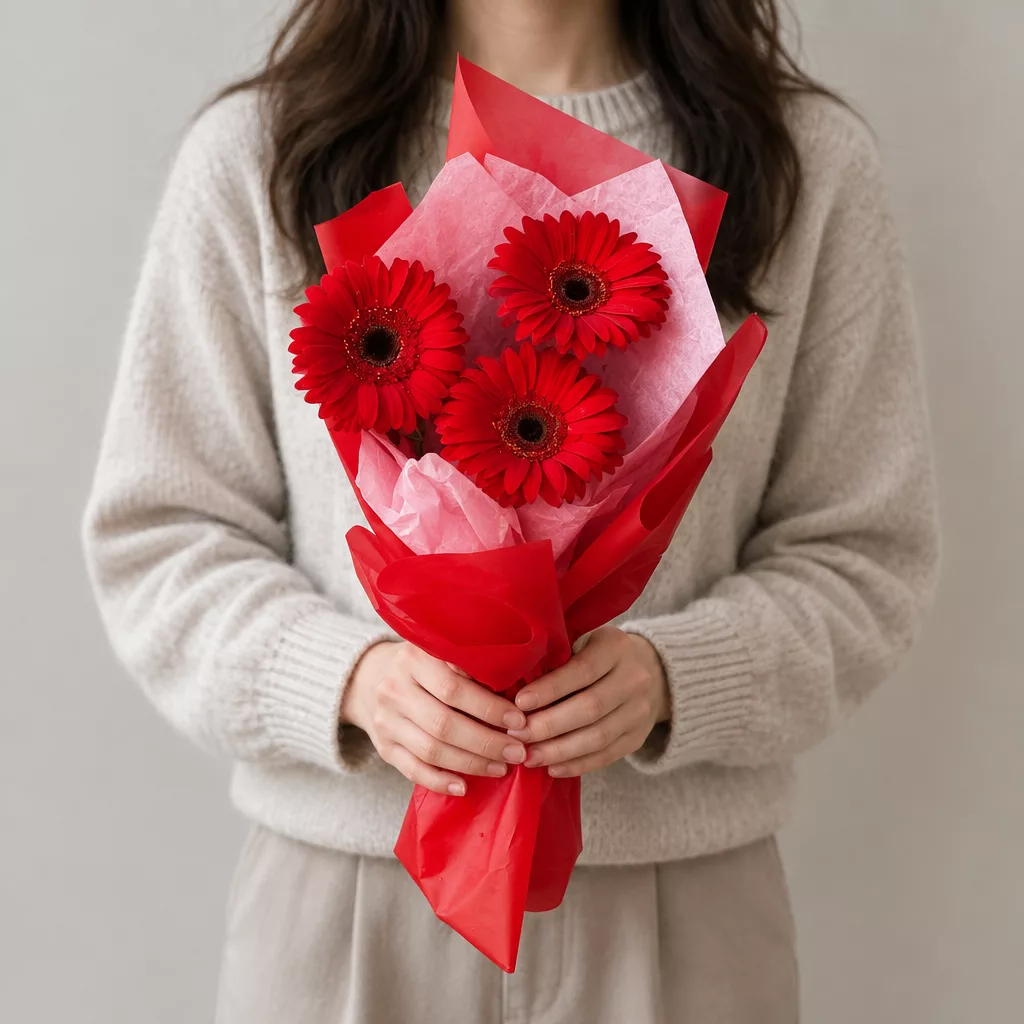
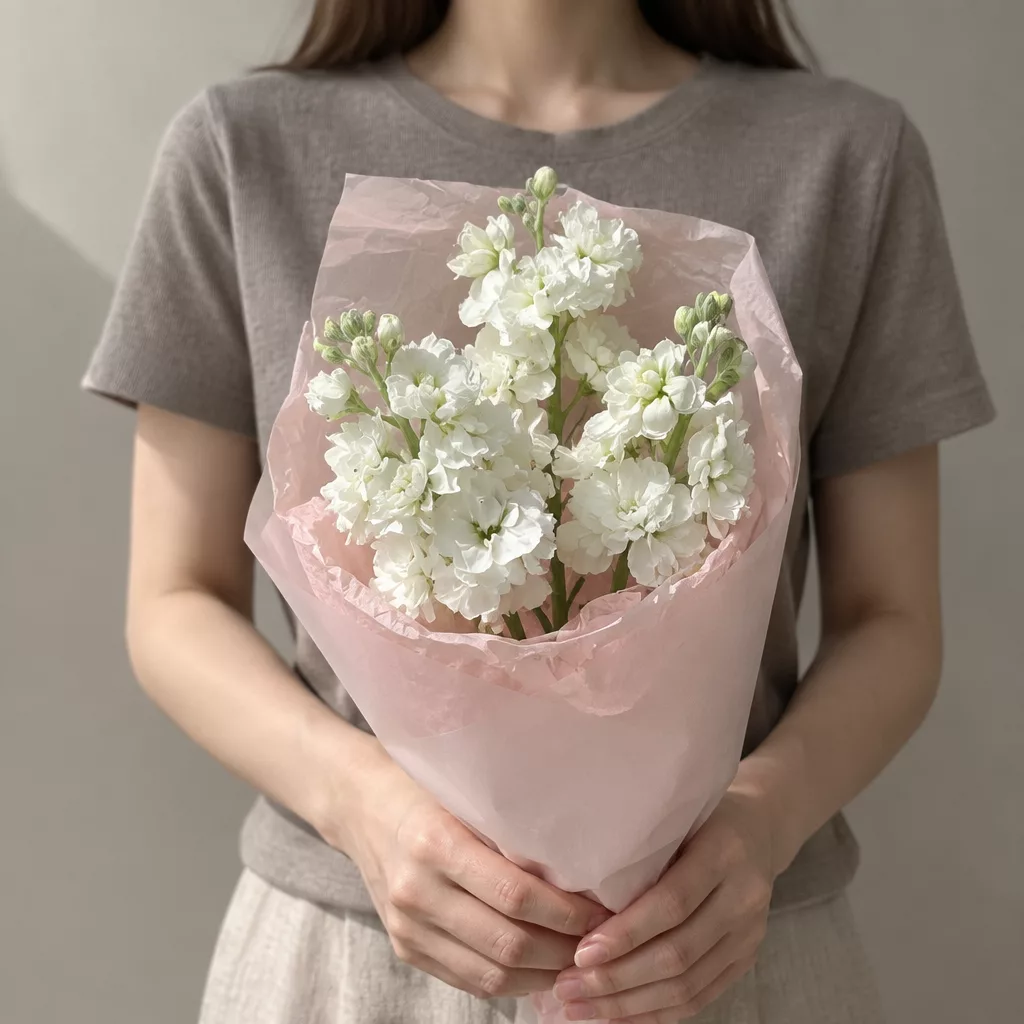
Same-Day Delivery: What Is Realistic and What Is Not
Same-day delivery is genuinely possible in Saint Petersburg, and Turboflora offers it within a one-to-two hour window. But same-day does not mean any-time-of-day. There is a practical cut-off, typically in the early evening, after which the logistics of getting a fresh bouquet to a door before midnight become unreliable. If you are ordering for an evening event — a dinner, a birthday party that starts at seven — placing your order before noon gives the team room to prepare properly.
The bouquets available for same-day are not a lesser version of the regular range, but they are shaped by what is in the workroom that morning. Seasonal stems, whatever arrived fresh at the start of the day, tend to be the strongest choices. Tulips, spray roses, lisianthus, and seasonal greenery are usually well-stocked and assemble beautifully under time pressure. If you have a very specific vision — a mono-bouquet of café au lait dahlias, for instance, or a particular colour palette — same-day is the riskiest window to lock that in.
For people ordering from abroad, same-day also means being alert to the time difference. Saint Petersburg is UTC plus three. If you are in New York, that is eight hours behind. What feels like a morning decision on your side of the world may already be early afternoon in Russia. Check the local time before you assume same-day is still on the table, and always confirm the recipient will actually be reachable — a bouquet delivered to an empty flat solves nothing.
Next-Day Orders: The Sweet Spot for Most Occasions
If same-day is the sprint, next-day ordering is the comfortable middle distance. Placing your order at least eighteen to twenty-four hours ahead gives the florist time to select stems at their best stage of opening, build the arrangement with care, and schedule the delivery in a window that suits the recipient. This is the timing most experienced gift-senders settle on once they have done it a few times.
Next-day also opens up more variety. Flowers like garden roses, lisianthus, and freesia benefit from a little time in water before they travel — they are more stable and more fragrant when they have had a chance to hydrate properly after cutting. A bouquet assembled the morning of delivery, from stems that rested overnight, simply looks better than one assembled in a rush from stems that arrived at the workroom an hour earlier.
For occasions with a fixed time — a morning work anniversary, flowers waiting when someone wakes up, a delivery timed to a lunch celebration — next-day ordering lets you specify a delivery window with real confidence. You can request morning delivery, for example, and the team can plan the route accordingly rather than fitting your order into whatever gap exists. This matters especially in a city like Saint Petersburg, where traffic across bridges and through the historic centre can be genuinely unpredictable during peak hours. Giving that extra day is simply giving everyone the best chance of a perfect arrival.
Scheduling Deliveries Days or Weeks Ahead
Scheduled ordering — placing an order several days or even weeks before the delivery date — is underused and underrated. It is especially well-suited to milestone occasions: a significant birthday, an anniversary with a specific date, a graduation. When you know the date is coming, booking early means you have thought about it, which itself feels like care.
From a practical standpoint, scheduling ahead allows for more considered choices. You can discuss a colour story — warm coral and terracotta for an autumn birthday, soft white and blush for a wedding anniversary — and the florist can ensure the right stems are on hand. Peonies, for instance, have a relatively short season in Russia, running roughly from late May through June depending on the year. If you want peonies for a June birthday, ordering two weeks out is sensible. Waiting until the day before risks finding the season already past its peak.
Scheduled orders also allow you to set a precise delivery window without any anxiety. If the recipient has a specific schedule — they leave for work at nine, return at six — you can build the delivery around their day rather than hoping for the best. For people sending from abroad who cannot easily make a quick follow-up call, this kind of pre-arranged certainty is particularly valuable. Once the order is confirmed, you can attend your own day knowing the flowers will arrive exactly when they should, without needing to check in repeatedly across time zones.
Ordering from Abroad: Time Zones and Practical Details
Sending flowers to Russia from another country is entirely straightforward, but it asks for a little more attention to detail than a domestic order. The most common mistake is placing an order at what feels like a reasonable hour without converting to Moscow or Saint Petersburg time. Russia's major western cities run on UTC plus three year-round — Russia does not observe daylight saving time — so the gap between your local time and local Russian time is fixed but easy to miscalculate if you are not used to it.
When you fill in the order, the recipient's address needs to be complete and in a form the delivery team can navigate. Russian addresses follow a specific structure: city, street, building number, apartment number, and often an entrance code for the intercom. Missing the entrance code is one of the most frequent reasons a delivery is delayed — the courier arrives, cannot get through the door, and has to call ahead. If you know the code, include it. If you do not, ask the recipient casually beforehand without spoiling the surprise.
Payment from abroad is handled online, so that part is simple. The detail that trips people up is the phone number for the recipient. Russian mobile numbers follow a specific format, and the courier may need to call ahead — especially in winter when outdoor waiting is not comfortable. Providing a working Russian mobile number, rather than a foreign one the recipient might not answer, keeps everything smooth. A brief note in Russian on the card is also a lovely touch; Turboflora can help with simple translations if needed.
Seasonal Timing and What It Changes
Russia's seasons are pronounced, and they affect flower availability, travel conditions, and even the mood of the bouquet in ways worth knowing. Spring arrives later than in Western Europe — in Saint Petersburg, the first genuinely warm weeks tend to come in late April or May. This is when tulips, muscari, and ranunculus are at their most abundant and least expensive. A spring bouquet ordered in late April will almost always be more vibrant than the same order placed in February, when the same flowers have been imported and stored for longer.
Summer is the season of garden roses, peonies, and the first dahlias. Ordering during this window, especially for outdoor events or when the recipient has a garden, allows for combinations that feel genuinely seasonal — a loose, generous arrangement of David Austin-style roses with mint and sweet peas, for instance, rather than a structured formal bouquet. These combinations need a little more lead time because the stems are more delicate and benefit from careful handling.
Winter ordering, from November through February, calls for sturdier flowers. Chrysanthemums, alstroemeria, and hypericum berries travel well in cold. Roses remain popular but need to be packaged carefully against the frost. If you are ordering for a New Year celebration — a major occasion in Russia, celebrated with as much enthusiasm as Christmas is in other countries — place your order several days ahead. The period from late December through early January is one of the busiest times of year, and early ordering ensures your bouquet gets the same attention as any other day.
Making the Bouquet Last After It Arrives
The timing of your order shapes not just when the flowers arrive but how long they last. A bouquet assembled from well-rested, properly hydrated stems, delivered within a sensible window, can last seven to twelve days with basic care. One rushed together from stems that had no time to drink, delivered in extreme heat or cold without proper insulation, may look tired within two or three days.
Once the flowers are with the recipient, a few simple steps make a real difference. Cutting the stems at an angle under running water before placing them in a clean vase removes any air pockets that block water uptake. Roses, tulips, and gerberas all benefit from this. The vase water should be cool and changed every two days — this is the single most effective thing anyone can do to extend vase life. Flower food sachets, often included with the bouquet, are worth using; they contain a mild acidifier and sugar that genuinely help.
Keeping the bouquet away from direct sunlight, radiators, and fruit bowls makes a noticeable difference. Ethylene gas from ripening fruit shortens the life of many cut flowers, particularly roses and carnations. A cool room, indirect light, and fresh water every couple of days will keep most bouquets looking beautiful well into the following week. If you are ordering for someone who travels or is rarely home, mentioning this when you place the order allows the florist to choose stems that are a little more robust and forgiving — chrysanthemums and alstroemeria, for instance, are exceptionally long-lasting and still beautiful.
Getting the timing right when you send flowers to Russia is less about following strict rules and more about understanding what fresh flowers actually need. Same-day delivery is real and reliable when the order comes in early enough. Next-day is the most comfortable window for most occasions. Scheduled delivery, placed days or weeks ahead, is the quietly confident choice for anything that truly matters. And if you are ordering from another country, a few minutes spent on the time zone, the full address, and the recipient's phone number will make the whole process feel effortless — because on their end, it will be.
Frequently asked questions
What is the latest I can order for same-day flower delivery in Saint Petersburg?
As a general rule, placing your order by early afternoon gives the best chance of a same-day delivery that arrives in good condition. The exact cut-off varies by season and demand, so if you are close to the limit, it is worth checking directly. Evening deliveries are possible but require the order to be confirmed well before the end of the working day.
Can I order flowers for delivery in Russia if I am based in another country?
Yes, ordering from abroad is straightforward. You will need the recipient's full Russian address including apartment number and entrance code, a working Russian mobile number for the courier, and awareness of the time difference — Saint Petersburg runs on UTC plus three year-round. Online payment handles the rest, and a personal card message can be added in any language.
Are there flowers I should avoid ordering in winter because of the cold?
Tropical flowers such as bird of paradise and anthurium are sensitive to temperatures below ten Celsius and can show cold damage during winter delivery. Roses, chrysanthemums, alstroemeria, and hypericum berries travel reliably in cold when properly packaged. If you are ordering in January or February, mentioning the season when you place your order allows the florist to make robust, weather-appropriate choices.
How do I make sure the flowers arrive when the recipient is actually home?
The most reliable approach is to schedule a delivery window that matches the recipient's routine — morning, afternoon, or evening — and provide their Russian mobile number so the courier can call ahead. For surprise deliveries, a quick indirect conversation beforehand to confirm they will be home, without revealing the occasion, saves everyone the frustration of a missed delivery.
Is it possible to order specific flowers like peonies or dahlias in advance to make sure they are available?
Yes, and for seasonal varieties this is genuinely advisable. Peonies in Russia are typically available from late May through June; dahlias peak in late summer and early autumn. Ordering a week or more ahead for these varieties gives the florist time to ensure the right stems are on hand. Last-minute orders during peak season risk finding a particular variety already sold out for the day.
Ready to send flowers?
Pick the city, choose the bouquet, and a local florist takes it from there.
Choose a city →