How Long Before Flowers Wilt—and How Can You Help Them Last?
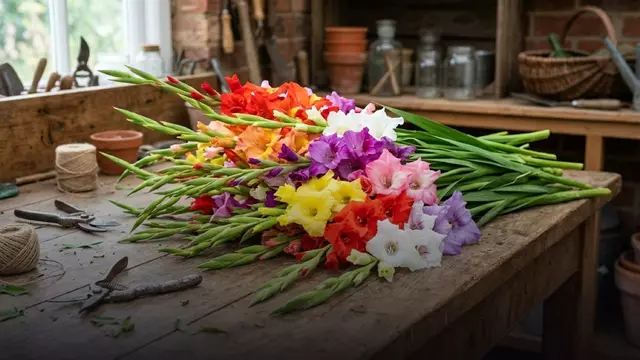
Many cut flowers last roughly five to ten days in a vase, but delicate varieties may fade sooner and longer-lasting stems can remain attractive for two weeks or more. Without water, flowers may start wilting within hours; the timing depends on the variety, their condition and exposure to heat, sun or wind. These are useful planning ranges, not a guarantee for an individual bouquet.
Wilting means the flower is losing firmness, often because water loss exceeds what the stem can absorb. It does not always mean the bloom has reached the end of its life: a recently drooping stem may recover after proper hydration, while dry, browning petals usually will not. Look at the water, stems and petals together before deciding whether your bouquet needs basic care or has naturally finished flowering.
What determines how many days your flowers stay fresh?
The flower variety makes a substantial difference. Carnations and chrysanthemums generally outlast more delicate blooms such as sweet peas. Roses, tulips and lilies each develop differently, so a mixed bouquet rarely ages evenly. One fading flower does not mean every stem needs discarding; remove individual flowers as they deteriorate and keep enjoying the healthy ones.
The stage of opening matters too. A flower already in full bloom has less of its display life ahead than one just beginning to open, although a tightly closed bud is not automatically a better choice: some buds cut too early may never open properly. When choosing a gift, consider whether you want an immediate display for an occasion or flowers that will develop over the following days.
Conditions after arrival can change the outcome considerably. A bouquet beside a radiator or in a sunny window loses water faster than one in a cooler position away from direct heat. Previous handling also affects vase life, and you cannot judge everything from appearance alone. For more context on typical lifespans, see how many days cut flowers last.
How long can flowers stay out of water?
There is no dependable number of dry hours that suits every bouquet. Some sturdy stems tolerate a short journey well, while delicate flowers can soften quickly, especially in a warm car or direct sun. If you are collecting flowers before visiting someone, make that collection one of your final stops and put the stems back into water as soon as you can.
Decorative wrapping does not tell you whether the stems have a water supply. Check whether their cut ends actually reach water, and keep any temporary water container upright. A damp wrap provides limited moisture and should not be treated as a substitute for a vase. Avoid leaving a bouquet in a parked vehicle while you run errands, even if the petals still look firm when you set off.
If you need to keep flowers overnight before giving them, place them in a clean vase with fresh water and choose a cool room away from heaters, fruit and direct sunlight. Leave space around the flower heads rather than pressing them against a wall or shelf. Our guide to keeping flowers for a day before giving them covers this situation in more detail.
Bouquets we can deliver




The first vase setup: help stems take up water
Start with a vase washed thoroughly with detergent and rinsed well. A quick rinse of an old vase can leave a film that encourages microbial growth, which can interfere with water uptake. Choose a vessel that supports the stems without cramming them together. If the bouquet is too dense for the opening, divide it between two clean vases rather than forcing every stem into one.
Remove wrapping that prevents you from arranging the stems in water, while keeping any ties needed to hold the design together. Strip off leaves that would sit below the waterline, then use a clean, sharp tool to trim a small section from each stem. Place the stems into water promptly after cutting. Avoid crushing or hammering their ends, which damages tissue and does not reliably improve hydration.
Use clean water and, if you have a sachet of cut-flower food, follow its dilution instructions exactly. More concentrated is not better. Make sure every cut stem end reaches the water, particularly in a bouquet with stems of different lengths. Flowers arranged in floral foam need a different approach: check that the foam stays moist and add water carefully without pulling the stems out.
Daily care that slows wilting
Check the water level every day, especially during the first day after arranging the bouquet. A vase can look adequately filled while shorter stems have already lost contact with the water. Top it up as needed, and replace the water every day or two, sooner if it becomes cloudy or smells unpleasant. Clean the vase during changes rather than simply pouring fresh water over old residue.
Choose a stable position away from radiators, fireplaces, direct sunlight and strong airflow from heating or air-conditioning vents. Keep the arrangement away from ripening fruit, which releases ethylene that can accelerate ageing in sensitive flowers. A bright room can still be suitable; the aim is to avoid a hot, exposed spot where the bouquet loses moisture faster than it can replace it.
Remove spent blooms and any leaves that slip into the water. When changing the water, inspect the stem ends and trim them if they have become discoloured or soft, using a clean tool. Do not spray the petals as a routine fix for drooping: wet petals can develop spotting, and misting does not resolve poor water uptake through the stem. Consistent, simple care is more useful than repeated handling.
Can wilted flowers recover?
First distinguish a thirsty flower from an ageing one. A bloom that has recently become limp, with petals still soft and normally coloured, may respond to fresh water and a new stem cut. Petals that are papery, extensively brown or falling apart are showing deterioration that hydration cannot reverse. A bent neck alone does not tell you the cause, so inspect the whole stem before trying to revive it.
For a recently drooping bouquet, wash the vase, replace the water, remove submerged foliage and recut the stems with a clean, sharp tool. Move the arrangement to a cool place away from sun and give it a few hours without repeatedly rearranging it. Some stems may regain firmness; others may not. Keep the recovered flowers and remove those that continue to collapse or show decay.
Avoid improvised treatments involving boiling water, sugar, alcohol or household cleaning products. Different flowers respond differently, and an unsuitable concentration or treatment can damage them further. If flowers arrive looking tired, check their water supply and condition promptly. The guide to flowers looking tired after delivery explains practical steps without assuming every drooping bloom can be saved.
Time a flower delivery to Russia around the recipient
For a gift, arrange delivery when the recipient can receive the flowers and put them into water reasonably soon. If you are ordering from abroad, agree the time for the destination in Russia and check the recipient's availability rather than relying on your own time zone. For an office gift, consider their working hours and journey home; for a home delivery, choose a period when someone is likely to be there.
Turboflora delivers flowers across Russia. In large cities, express delivery is available within one to two hours after order confirmation. You can also arrange an exact time with a tolerance of plus or minus 30 minutes, choose a 09–12, 12–15, 15–18 or 18–21 window, or preorder one to 30 days ahead. City delivery costs 500 RUB; an operator confirms the price for remote districts and suburbs when confirming the order.
Contact a manager on WhatsApp for help choosing a bouquet, agreeing the address, time and free card text, and arranging a photo before delivery. Delivery is anonymous by default: the courier does not name the sender. The courier calls the recipient about 15 minutes before arrival. If they are absent, we agree a second delivery that day or, with your consent, handover to a neighbour or concierge. Online checkout uses CloudPayments; check the payment options displayed there. Availability and timing of delivery across Russia are confirmed for the chosen city, address, date and bouquet.
Frequently asked questions
Will flowers wilt overnight without water?
They can, particularly delicate flowers or bouquets left in a warm room. For an overnight wait, put the stems in a clean vase with fresh water and keep the flowers away from heat and direct sunlight.
Does a drooping rose mean the whole bouquet is dying?
No, one rose can droop while the other stems remain healthy. Check its stem and water supply, recut it with a clean tool and allow time for hydration; remove it if it continues to deteriorate.
Should I put cut flowers in a household fridge?
A household fridge is not a reliable default because flowers may touch freezing surfaces or sit beside ethylene-producing fruit. A cool room away from direct heat is usually a more practical choice at home.
Can I order flowers to Russia several days before the occasion?
Yes, you can preorder delivery one to 30 days ahead. Arrange delivery for the recipient's availability so the flowers can be received and placed in water promptly.
Can I pay for a flower delivery from abroad?
Online checkout uses CloudPayments, and you should check the options displayed at checkout. Acceptance of every foreign-issued card cannot be guaranteed.
Ready to send flowers?
Pick the city, choose the bouquet, and a local florist takes it from there.
Choose a city →