How Long Can Roses Go Without Water Before They Wilt?
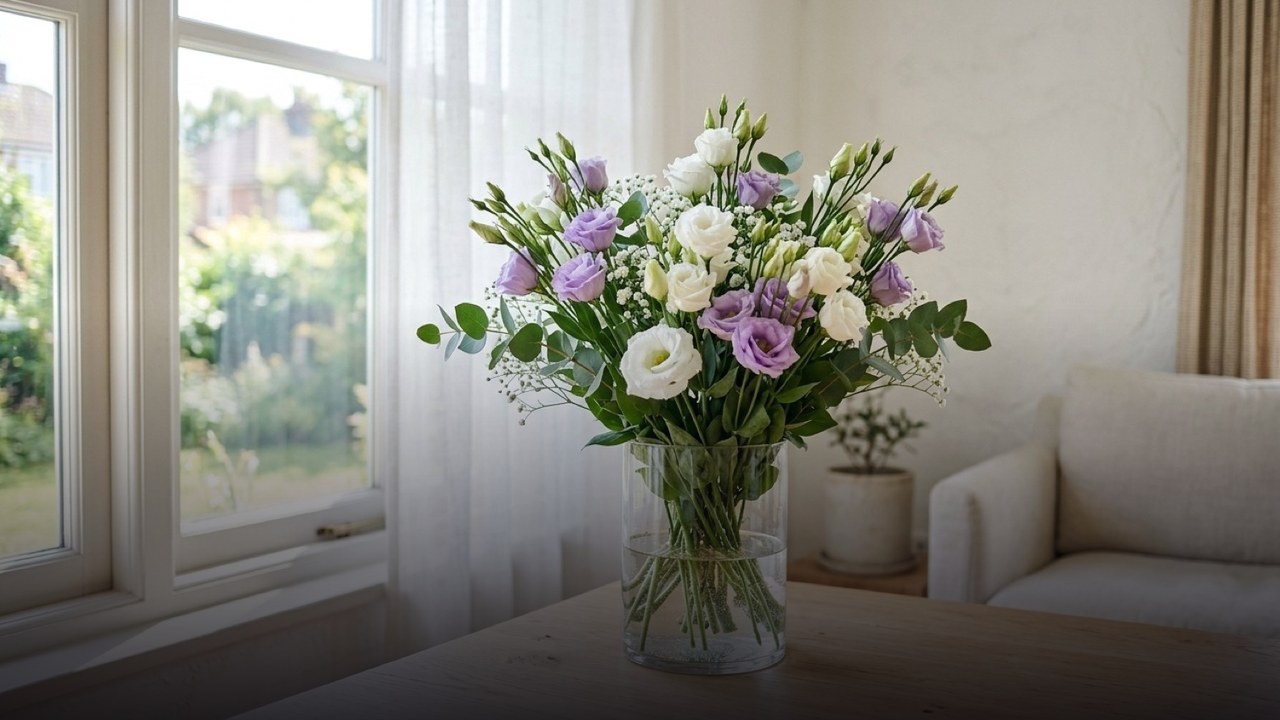
Cut roses may tolerate a few hours without water in cool, shaded conditions, but there is no reliable deadline that keeps every bouquet fresh. Aim to keep any dry journey under an hour where possible, and put the stems in water as soon as you can; heat, wind and existing dehydration can make roses wilt much sooner.
The useful question is how to reduce the time your roses spend losing moisture before they can drink again. Whether you are carrying a gift, preparing flowers for an event or arranging a delivery to someone in Russia, a little planning helps you avoid a long wait between receiving the bouquet and finding a vase.
Why one bouquet lasts longer without water than another
A cut rose continues to lose water through its leaves and flowers after it leaves the vase. When its stem cannot replace that moisture, the tissues lose firmness: leaves soften, petals look tired and the flower head may start to droop. Those changes depend on the rose's starting condition as well as the conditions around it, so an hourly countdown can be misleading.
A bouquet that was well hydrated before a short journey has a better starting point than roses already standing dry on a table. Large amounts of foliage also provide more surface through which moisture can escape. You cannot judge the remaining margin simply by touching the wrapping or seeing that the outer petals still look presentable.
Treat any suggested number of hours as a planning guide, never as a promise. If you have a choice between collecting roses early and leaving them dry, or collecting them close to the handover, choose the shorter interval. Once the bouquet reaches a suitable vase, keep it there until you actually need to carry or present it.
How to carry roses on a short journey
Prepare the destination before you leave: have a clean vase or another stable, clean container ready, with enough space for the stems. Keep the bouquet shaded during the journey and support it so the flower heads are not pressed against a bag or seat. Wrapping can protect petals from rubbing, but decorative paper alone does not supply water.
For a brief transfer, damp material secured around the cut ends can reduce drying at the stem bases. Enclose that material so it stays damp and does not leak, while keeping wet wrapping away from the flower heads. This is a temporary aid; it does not give the roses the same access to water as standing their cut ends in a filled container.
If a longer trip is unavoidable, use a stable container that keeps the cut ends submerged and can travel securely without spilling. Do not leave loose water where it could damage a vehicle or make carrying unsafe. Keep the bouquet in water for as much of the journey as practical, then transfer it promptly to a vase on arrival.
Bouquets we can deliver




Heat, parked cars and cold weather change the risk
A parked car is a poor place to store roses, even when the stop seems short. Sun through the windows and a warm interior can increase moisture loss, while the bouquet has no way to replace it. Take the flowers with you when possible, and plan errands before collecting them so the roses travel straight to their destination.
During the drive, keep the bouquet out of direct sunlight and away from a strong stream of heated or conditioned air. A comfortable passenger compartment is preferable to an exposed position where the flowers can be crushed or become hot. For more journey planning, see our guide to flowers without water in a car.
Cold weather creates a different problem: low outdoor temperatures do not make dry storage harmless, and freezing exposure can damage petals and leaves. Keep the bouquet protected during outdoor transfers and make those transfers brief. Do not try to preserve roses by leaving them on a winter balcony or against a freezing window; move them into a suitable indoor space.
What to do as soon as the roses reach a vase
Start with a clean vase and fresh drinking-quality water. Open the wrapping enough to reach the stems, and remove leaves that would sit below the waterline. Submerged foliage encourages the water to become dirty, which makes ongoing care harder. Check that every stem reaches the water rather than assuming that filling the bottom of a tall vase is enough.
With a clean, sharp cutting tool, trim a small section from each stem base and place the roses into water promptly. A fresh cut removes an end that may have dried during transport; avoid crushing or hammering the stems. If flower food came with the bouquet, follow its instructions and dilution rather than adding an arbitrary amount or mixing household remedies.
Let the roses rest somewhere cool indoors, away from direct sun, radiators and strong draughts. Check the water level daily, especially after the first drink, and top it up before any stem ends become exposed. Refresh the water and clean the vase when needed; returning roses to a dirty container undermines the benefit of a fresh cut.
Can you revive roses that have started to droop?
If the leaves feel limp or a flower head is beginning to bend, act promptly: clean the vase, replace the water, recut the stems and give the roses an undisturbed period to drink. Support the bouquet in a vase tall enough to hold it comfortably without packing the stems tightly. Early dehydration may improve, but recovery depends on the condition of the flowers.
A bent neck is not proof that thirst is the only problem. A stem may have been creased or damaged, and browned, brittle petals will not become fresh again simply because the rose takes up water. Inspect each flower separately. If one stem is broken, cutting it shorter above the damaged area may let you display that bloom in a smaller container.
Avoid boiling water, crushing stems or soaking the flower heads as an automatic rescue routine. Wet petals can mark, and rough handling adds damage when the flowers are already stressed. Our guide to roses with bent necks explains the issue further; judge any improvement by returning firmness, rather than expecting every drooping bloom to recover.
Plan a rose delivery in Russia around the recipient's day
If you are sending roses from abroad, choose a delivery time when the recipient can receive them and put them in water. A surprise at the start of a long outing may leave someone carrying a bouquet for hours. You can choose flowers in our bouquets catalogue, then use WhatsApp to agree the address, timing and card text with a manager, who can also help you choose and provide a photo before delivery.
We deliver flowers across Russia. City delivery costs 500 RUB; for remote districts and suburbs, the operator confirms the price when confirming the order. Express delivery in large cities is available in 1–2 hours after order confirmation. You can also arrange an exact time with a ±30-minute allowance, choose a 09–12, 12–15, 15–18 or 18–21 window, or pre-order 1–30 days ahead. See delivery and payment when planning your order.
Delivery is anonymous by default: the courier does not name the sender, and a card with your text is free, so sign it if you want the recipient to know. The courier calls about 15 minutes before arrival. If the recipient is absent, we agree a second delivery that day or a handover to a neighbour or concierge with the sender's consent. Online checkout uses CloudPayments; check the payment options shown there, as acceptance of every foreign card cannot be assumed.
Frequently asked questions
Can roses survive overnight without water?
Some may still look presentable, but an overnight dry period risks substantial dehydration and reduced vase life. Put them in a clean vase before going to bed rather than relying on cool room conditions.
Will roses be all right without water for two hours?
Well-hydrated roses may tolerate two hours in cool, shaded conditions, but their condition is not guaranteed. Shorten the dry interval wherever possible and avoid leaving them in a parked car.
Does bouquet wrapping keep roses hydrated?
Decorative wrapping does not hydrate roses. A water supply around the cut ends can help only while those ends remain in contact with water; check the arrangement before assuming the bouquet can wait.
Should I remove the wrapping before putting roses in water?
Open or remove enough wrapping to inspect the stems, trim their ends and remove leaves below the waterline. Keep paper and decorative materials out of the vase water, and make sure every stem can reach it.
How soon should the recipient put delivered roses in water?
As soon as practical after receiving them. Having a clean vase ready avoids leaving the bouquet dry while looking for a container or finishing other tasks.
Ready to send flowers?
Pick the city, choose the bouquet, and a local florist takes it from there.
Choose a city →