How Many Days Before Flowers Die? A Practical Vase-Life Guide
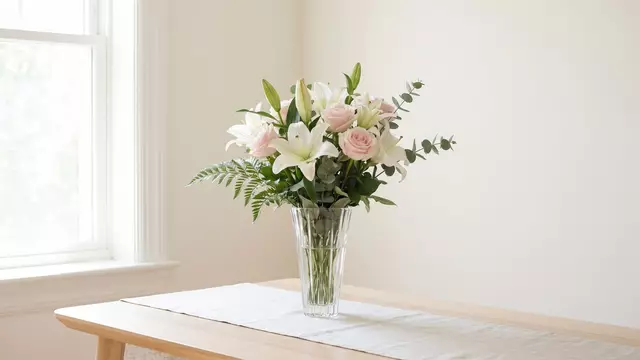
Most cut flowers stay attractive for about 5–10 days in a vase, although delicate varieties may fade sooner and longer-lasting ones can remain presentable for two weeks or more. There is no single day when an entire bouquet dies: its useful vase life depends on the flowers, their condition when you receive them and how you care for them.
If you are deciding when to buy a gift, count backwards from when the recipient should enjoy it, rather than from the longest possible lifespan. A bouquet bought several days early has already used part of its vase life before you hand it over. The guide below explains realistic expectations, what to do on arrival and how to distinguish a thirsty stem from a flower that has finished.
What the usual lifespan means for different flowers
Treat vase-life figures as planning ranges, not expiry dates. Roses and tulips often look good for roughly 5–7 days, while carnations and chrysanthemums can last around 10–14 days with suitable care. Previous handling matters too: a freshly received stem is not necessarily freshly cut, so appearance and ongoing changes are more useful than a calendar alone.
Lilies need a slightly different reading because several buds may open in sequence on one stem. An individual bloom can fade while the stem still has more to offer. Remove spent flowers carefully and leave healthy buds in place; do not discard the whole stem simply because its first flower has finished. Our guide to lily vase life explains this distinction.
A mixed bouquet will rarely age evenly. One flower may soften while another remains firm, and foliage may deteriorate before the main blooms. Removing individual tired stems can keep the remaining arrangement attractive. Judge each stem on its own condition instead of assuming that one fading flower means the entire bouquet is ready to throw away.
Give the bouquet a clean start on the day it arrives
Prepare the vase before you leave flowers waiting on a table. Wash it with detergent, rinse thoroughly and fill it with fresh water. A quick rinse of a previously used vase may leave residue behind, particularly around the base and waterline. Choose a vase that supports the stems without squeezing them together, so you can check the water and remove stems easily.
Unwrap enough of the bouquet to inspect its stems and remove any leaves that would sit below the waterline. Trim approximately 1–2 cm from the stem ends with a clean, sharp tool, then place them in water promptly. A clean cut matters more than achieving a perfect angle; avoid crushing the ends with blunt scissors or hammering woody-looking stems.
If flower food is supplied, mix it according to its packet instructions and the actual volume of water. Do not guess a stronger dose or add household ingredients alongside it. If you have no flower food, use clean water and pay close attention to hygiene. Keep decorative wrapping out of the vase water, and make sure every stem end can reach the water.
Bouquets we can deliver




A daily routine that helps flowers last
Check the water level every day, particularly during the first few days when a bouquet may drink noticeably. Top up before any stem ends become exposed. Replace the water every day or two, and sooner if it turns cloudy or develops an unpleasant smell. When changing it, rinse the vase and remove loose leaves or petals rather than pouring fresh water over debris.
Use each water change to inspect the submerged parts of the stems. If an end has become slimy or discoloured, clean the vase and trim back to sound tissue with a clean tool. Remove decaying stems from the arrangement so they do not sit among healthy ones. Recutting is useful maintenance, but repeatedly shortening a stem will not reverse normal ageing.
Place the vase away from direct sun, radiators, heating vents and ripening fruit. A bright window may look attractive in a photograph yet expose the flowers to unnecessary heat. Choose a cooler, stable position where the bouquet will not be knocked over or caught in a strong draught. If you move it for a meal or photograph, return it to that position afterwards.
Read the signs: thirsty, naturally changing or finished?
Drooping does not always mean a flower is dead. First check whether the vase has run low or a stem has slipped above the water. For a recently wilted stem, try a clean vase, fresh water and a fresh cut, then leave it somewhere cool for a few hours. Improvement is possible when dehydration is the cause, but it cannot be promised for every flower.
Some changes are part of the flower's normal development. Roses may open wider, lilies may reveal another bud, and tulips can continue to lengthen and bend towards light after cutting. These changes alone are not evidence that a bouquet is failing. Look at petal firmness, colour and stem condition together rather than expecting the arrangement to retain its delivery-day shape.
Dry, papery petals, extensive browning, collapsing flower heads or soft, rotting stems are stronger signs that a flower has reached the end of its display life. Remove affected stems instead of trying increasingly elaborate revival tricks. If you want to keep a bloom as a memento, choose it while it is still attractive; pressing or drying cannot restore damaged petals.
When to buy flowers for a birthday, visit or celebration
For a gift, arranging delivery on the day you want the recipient to enjoy the flowers usually gives them more of the bouquet's remaining vase life. Avoid planning around the upper end of a lifespan estimate, especially if the flowers must look their best for a particular meal or gathering. Opening buds and gradual ageing make an exact appearance several days ahead difficult to predict.
If you need to buy the day before giving, put the flowers in water as soon as possible and keep them in a cool room overnight. Do not leave them wrapped and dry on a counter or in a parked car. Before handing them over, check the water, remove any damaged material and plan the journey so the bouquet spends as little time out of water as practical.
Think about the recipient's schedule as well as the date. Sending a bouquet just before someone leaves on a trip gives them little time to enjoy or care for it. For a surprise, choose a delivery period when they are likely to be available. A brief card can explain the occasion without making the recipient guess who sent the flowers or whether a reply is expected.
Arrange a flower delivery to Russia from abroad
Turboflora delivers flowers across Russia. Start with the bouquets catalogue, then contact a manager on WhatsApp for help choosing a bouquet and agreeing the address, timing and card text. You can also arrange a photo of the bouquet before delivery. When ordering from abroad, make the recipient's local date and intended delivery period clear.
You can pre-order 1–30 days ahead. In large cities, express delivery takes 1–2 hours after the order is confirmed; other options include an exact time within ±30 minutes or the windows 09–12, 12–15, 15–18 and 18–21. City delivery costs 500 RUB. For remote districts and suburbs, the operator confirms the delivery price when confirming the order; see delivery and payment details.
Delivery is anonymous by default: the courier does not name the sender, and a card with your text is free. The courier calls about 15 minutes before arrival. If the recipient is absent, we agree a second delivery that day or a handover to a neighbour or concierge with the sender's consent. Online checkout uses CloudPayments; check the options displayed there rather than assuming a particular foreign card will be accepted.
Frequently asked questions
Can a bouquet last longer than a week?
Yes, some flowers can remain attractive beyond a week, particularly carnations and chrysanthemums under suitable conditions. A mixed bouquet may need individual faded stems removed while the others continue to look good.
How long can cut flowers survive without water?
There is no reliable universal limit because the flower type, previous hydration and surrounding conditions all matter. Keep time out of water as short as possible and place the stems in a clean vase promptly.
Does changing the water every day make flowers last longer?
Fresh water and a clean vase help reduce deterioration caused by dirty conditions. Check the level daily, replace water every day or two, and change it immediately if it becomes cloudy or smells unpleasant.
Should I put a gift bouquet in my kitchen fridge overnight?
A domestic fridge can expose flowers to ripening produce, accidental freezing near cold surfaces or physical damage from crowded shelves. For a one-night wait, a cool room away from sun and heating is a more practical choice.
Does ordering flowers several days ahead mean they arrive older?
The date you place an order does not by itself tell you when its flowers were cut or how long they will last. With Turboflora, you can pre-order delivery 1–30 days ahead and agree the intended delivery date with a manager.
Ready to send flowers?
Pick the city, choose the bouquet, and a local florist takes it from there.
Choose a city →